Characteristics of Guatemala SHB Grade Coffee Beans: Introduction to Flavor, Taste, and Stories from Eight Major Coffee Growing Regions
When people say "coffee from the Americas," Brazil and Colombia usually come to mind first. When the conversation turns to Central America, Panama tends to steal the spotlight. Yet Guatemala's coffee is every bit as distinctive—so much so that FrontStreet Coffee once included a Guatemalan lot in its daily bean selection series (since discontinued).
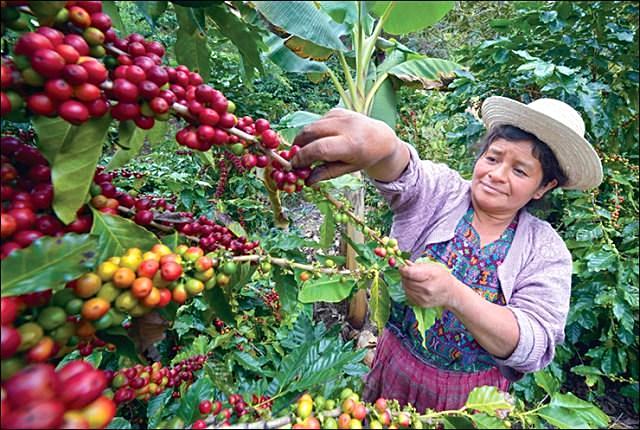
Anyone who has tasted Guatemalan coffee knows it: famous for richness and a smooth texture, with a subtle smoky note woven through the mellow aromas—rather like chocolate sweetness laced with woodsmoke. That distinctive smokiness is why Antigua coffee earned the nickname "cigarette coffee."
Basic Overview of Guatemala
Guatemala sits at the southern edge of the North American continent, in northwestern Central America, bordered by Mexico to the west and north and by Honduras and El Salvador to the southeast. Two-thirds of the country is mountains and plateau, and the western and southern regions belong to the volcanic belt—home to more than thirty volcanoes.
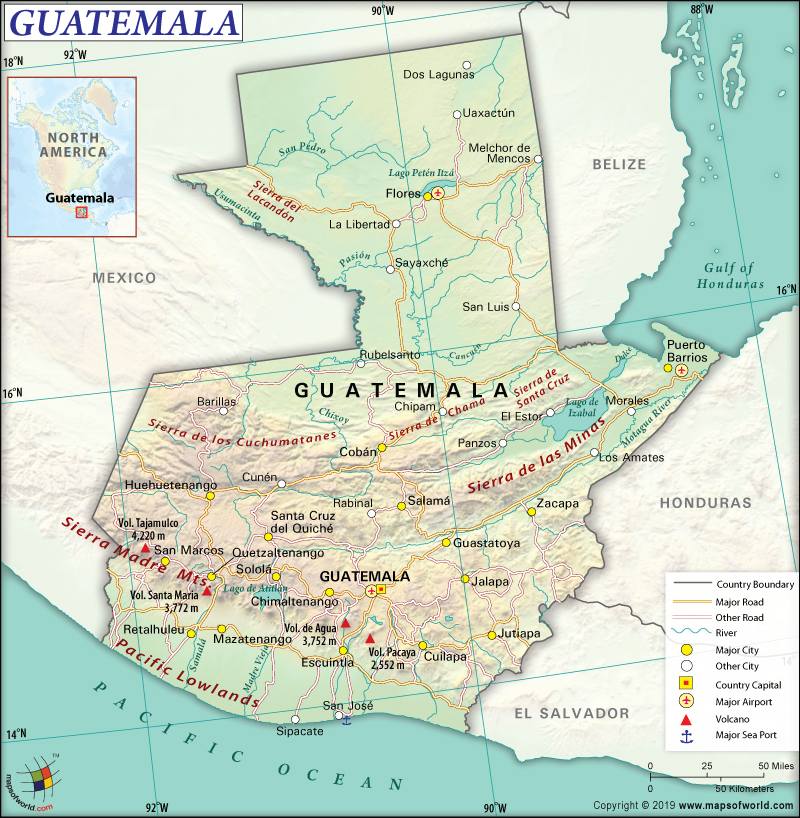
Guatemala lies in the tropics: the northern and eastern coastal lowlands have a tropical rainforest climate, while the southern mountains are subtropical. The year splits cleanly into wet and dry seasons—May to October wet, November to April dry. The central highlands, Guatemala's cultural heart, sit between 1,300 and 1,800 meters with a mild year-round climate of 18°C to 28°C.
The northeast receives 2,000-3,000 millimeters of rain a year; the south, 500-1,000 millimeters. With its high average elevation and coffee zones distributed above 1,500 meters between 14 and 16 degrees north latitude, Guatemala grows extremely hard beans with ease.
Guatemala's Coffee Growing History
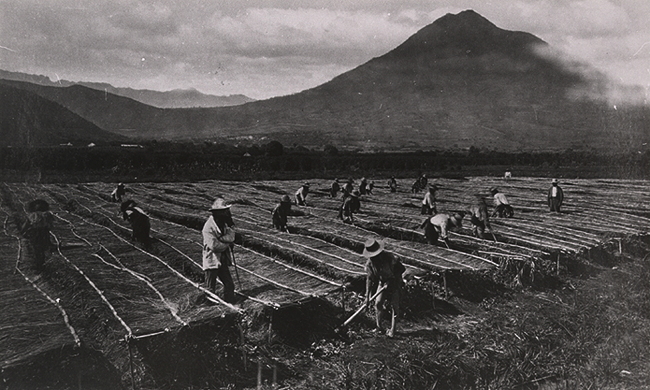
Coffee drinking in Guatemala dates back to 1747, but real cultivation began around 1750, when Jesuit priests introduced coffee trees. By 1845 coffee had become an important economic crop, and by 1880 it accounted for 90% of Guatemala's total exports. In the drive to raise output, the authorities targeted indigenous lands, forcing communities to sell and relocate to poorer soil. Today some 60,000 family farms grow coffee in Guatemala, much of it in the Sierra mountains near the Pacific coast—a range that spans the entire country, linking northward to the Rocky Mountains and southward to the Andes.
Guatemala's Coffee Growing Regions
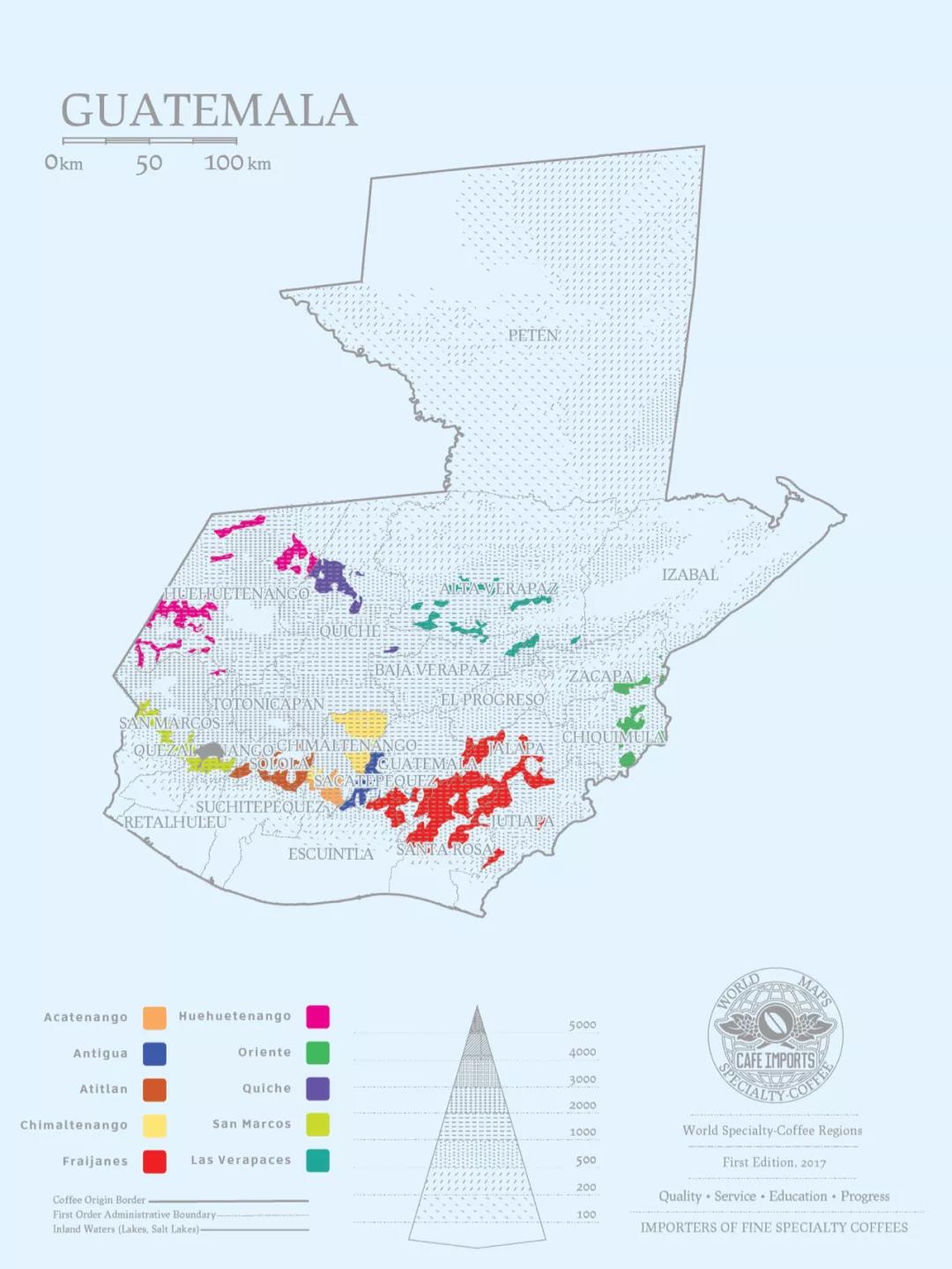
Guatemala's coffee association built the national coffee bean brand around eight defined regions under the slogan "A Rainbow of Choices": Antigua Classic, Huehuetenango, Rainforest Coban, Traditional Atitlan, Fraijanes Plateau, Volcanic San Marcos, Acatenango, and New Oriente.
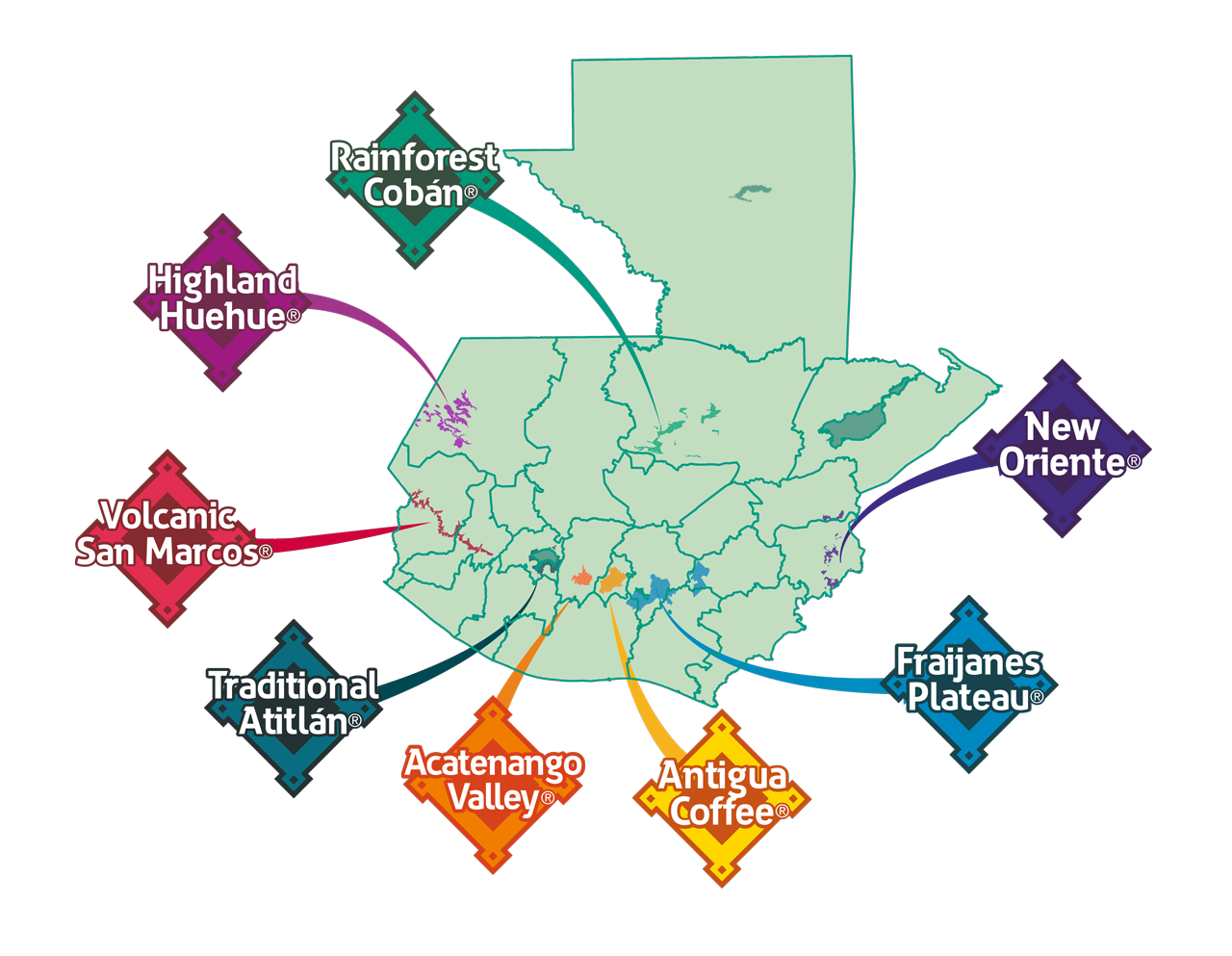
FrontStreet Coffee will walk through three of the most famous:
Antigua Region
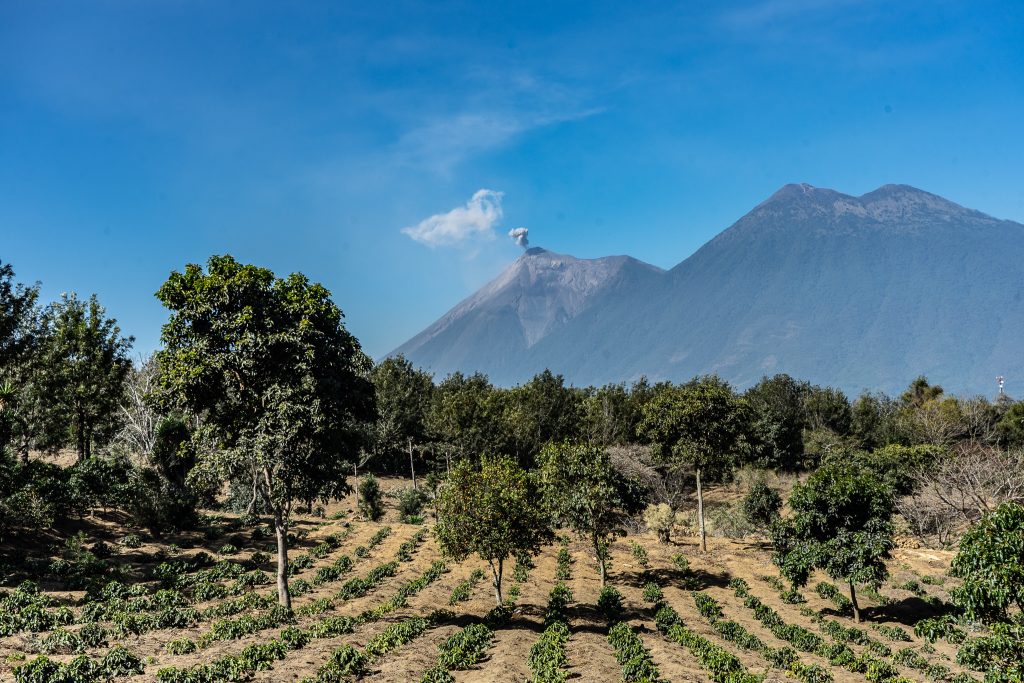
Antigua is a valley ringed by three volcanoes—Agua, Fuego, and Acatenango. Fuego is still active, erupting periodically and loading Antigua's soil with fresh minerals. Extensive primary forest survives in the region, and combined with the rich volcanic soil, the coffee plants want for nothing. The climate stays mild year-round with steady humidity and almost no extreme weather, and coffee grows above 1,500 meters. Antigua has won more awards than any other Guatemalan region and remains the country's most famous.
One Guatemalan coffee FrontStreet Coffee sources comes from here: the FrontStreet Coffee Guatemalan Flor de Café, produced by La Minita. La Minita's climate and altitude naturally keep pest populations in check, so the estate grows coffee without pesticides—the few pests present never become a real problem for the trees.
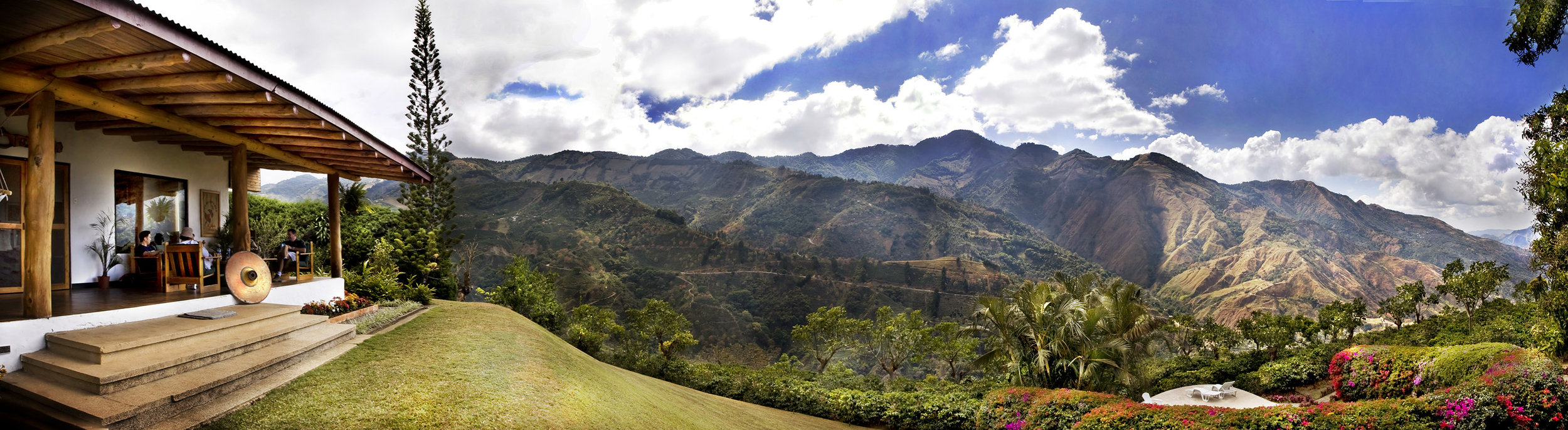
The estate runs soil tests twice a year to guide its fertilization and is deliberate about anything that boosts yield, fertilizing roughly three times per year. That scientific management is exactly what shapes the flavor of the Flor de Café beans, and La Minita's close monitoring of every step from planting to packaging protects their quality.

FrontStreet Coffee · Guatemala Antigua Flor de Café
Region: Guatemala Antigua Region
Estate: La Minita Estate
Altitude: 1,200 meters
Varieties: Caturra, Bourbon
Processing Method: Washed Process
Huehuetenango Region
Huehuetenango is dry and high. Hot, dry winds blowing across Mexico's Tehuantepec Isthmus shield the coffee from frost, while warm, moist Caribbean air funneled over the central mountains creates a misty, changeable microclimate on top of fertile volcanic soil.
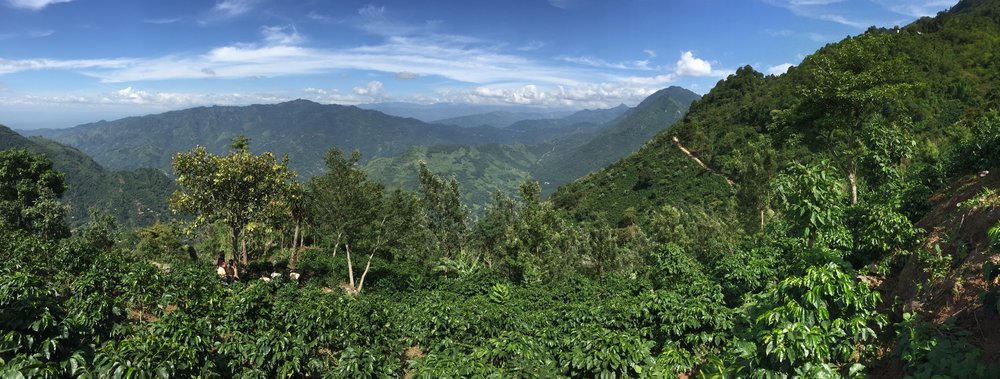
FrontStreet Coffee's daily bean selection series also included one lot from Huehuetenango.

FrontStreet Coffee · Guatemala Huehuetenango
Region: Guatemala Huehuetenango Region
Altitude: 1,500m-2,000m
Varieties: Bourbon, Caturra, Catuai
Processing Method: Washed Process
New Oriente Region
New Oriente was volcanic country in ancient times, and its soil—built on metamorphic rock—is loaded with minerals. Before coffee, it was one of Guatemala's poorest regions. From the 1950s onward, mountain farmers began planting coffee on that naturally rich land, and the area slowly flourished into a rising star of Guatemalan coffee.
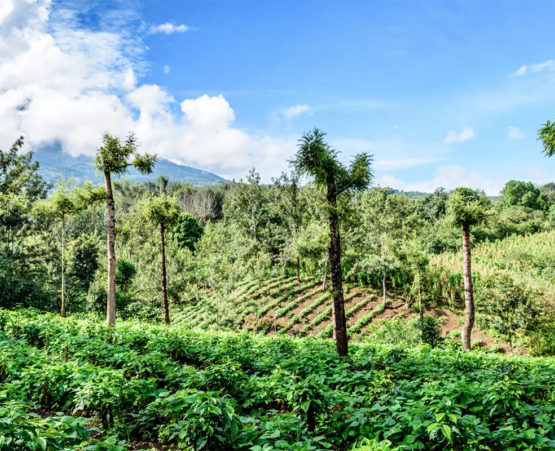
Coffee from New Oriente is balanced and full-bodied, with chocolate notes.
Brewing Method
Using FrontStreet Coffee's Guatemala Antigua Flor de Café as the example, pour in segments:
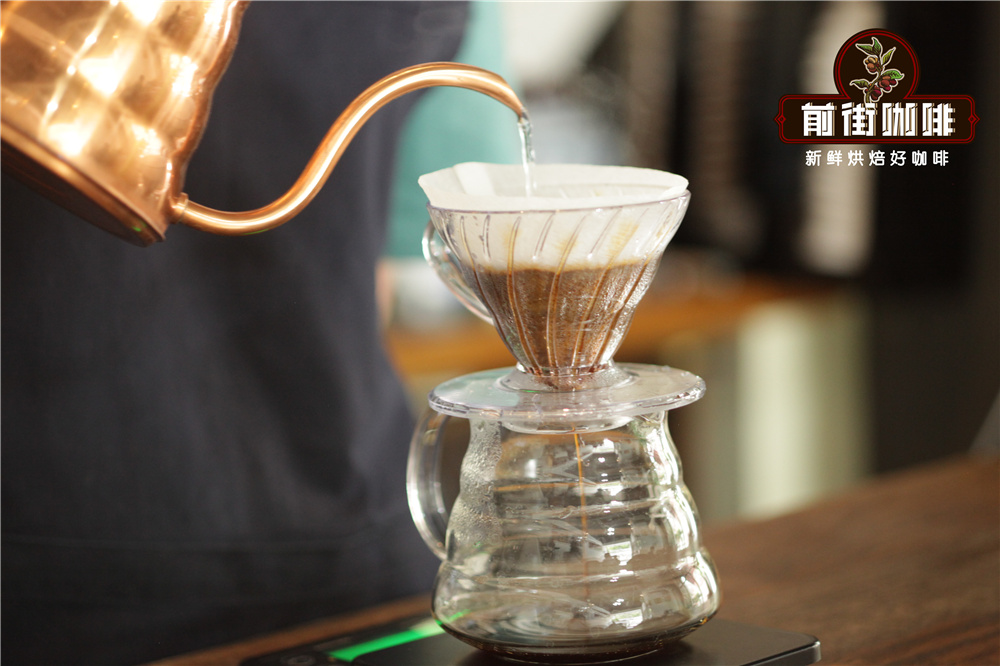
Bloom with 30g of water for 30 seconds, then pour in slow circles with a small stream to 125g for the first segment. When the water level drops and the coffee bed is about to show, continue pouring to 225g and stop. Once the level drops again and the bed is about to appear, lift off the filter cone. (Timing starts at the bloom.) Total extraction time: 2'00".
Flavor Description
Citrus acidity leads—juicy and vivid, wrapped in abundant florals. The sweetness is pleasant, the body medium, and the finish carries a touch of caramel and smoke. Overall the cup is clean, gentle, and smooth in texture, balanced, lively, and layered.
FrontStreet Coffee Recommendation
If Guatemala's smoky elegance appeals to you but you'd like something gentler and more affordable for everyday brewing, FrontStreet Coffee's Brazil Cerrado Red Bourbon is the classic answer: a pulped-natural lot from Brazil's famed Cerrado region, medium-roasted to open with aromas of creamed peanuts, toast, caramel, and hazelnut—round on the palate, low in acid, with only the faintest bitterness. It works as pour-over and is equally at home in a moka pot, an espresso machine as a single-origin shot, a siphon, or a French press.
For something more distinctive, FrontStreet Coffee's Brazil Queen Estate Yellow Bourbon—a rare mutation of Red Bourbon grown in Mogiana's rich red volcanic soil—adds a sugarcane-like sweetness you won't find in other origins, alongside gentle fruit and chocolate notes, whether brewed by hand, in a moka pot, or in a home espresso machine.
Important Notice :
FrontStreet Coffee is a long-established specialty coffee roaster in Guangzhou China, selling freshly roasted beans from its own farm in Yunnan as well as dozens of carefully selected single-origin beans from around the world for both pour-over and espresso. The products deliver consistently excellent quality and great value, with shipping within 24 hours. Guangzhou's FrontStreet Coffee shop is recommended by many coffee lovers, and the beans are now available online at the Tmall 。
FrontStreet Coffee has moved to a new address:
FrontStreet Coffee Address: 315,Donghua East Road,GuangZhou
Tel:020 38364473
 Scan and follow the En Gafei WeChat official account. Please indicate that the reprint comes from "En Gafei".