Coffee Originates in Africa: Essential Knowledge of Specialty Coffee and Ethiopian Coffee Beans Introduction
Coffee Originates in Africa: Essential Knowledge of Specialty Coffee and Ethiopian Coffee Beans Introduction
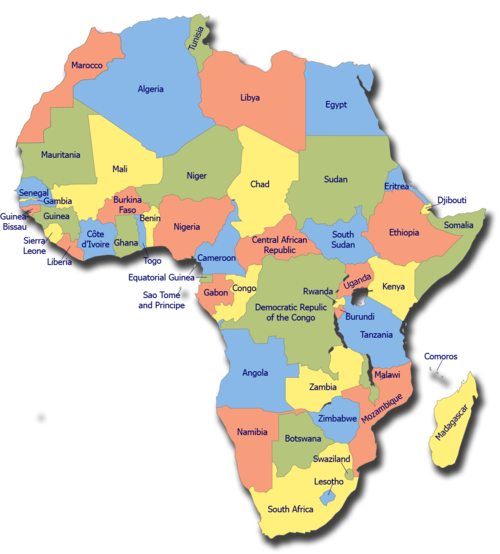
Ethiopia, in Africa, is not only the birthplace of coffee but also a treasure trove of coffee genetics. Of the thousands of varieties born here, just two — Typica and Bourbon — went on to spread across the world and seed today's global specialty coffee industry.
What are the characteristics of Ethiopian coffee culture?
Ethiopia sits in eastern Africa, firmly within the tropics and at high altitude, so most of the country enjoys a mild climate year-round. The people live mainly from agriculture and animal husbandry, and coffee is one of their most important cash crops. Legend has it that on the Ethiopian highlands, a shepherd named Kaldi noticed his goats growing unusually lively after nibbling on certain wild red berries. Curious, he gathered some and tasted them himself; he felt refreshed and full of energy, and shared them with his villagers. As the story spread, coffee beans made their way to the Arabian Peninsula, where cultivation and trade gradually developed — the opening chapter of coffee's centuries-long journey around the globe.

Legend or not, Ethiopians have drunk coffee since ancient times. A fragrant cup in the morning is considered essential to start the day right, and in every village corner the air seems permanently perfumed with coffee. Here, coffee's most original purity survives intact: people use iron pestles to pound charcoal-roasted beans into powder, place the powder in brewing pots, and as the boiling coffee releases its unique aroma they add spices, sugar, and other seasonings, finally serving it with traditional bread.
The Ethiopian coffee ceremony stretches back centuries. Raw beans are first roasted in flat iron pans, then crushed with a mortar and pestle, and finally brewed with water in a clay pot called a jebena. When the water mixed with grounds comes to a boil, the coffee is ready. The ceremony unfolds in three rounds: the first cup, called Abol, is when the elders offer their blessings; over the second, Tona, conversation turns to everyday life; and the third, Beraka, symbolizes joy — the ceremony is only truly complete once this last cup is finished.

In the Ethiopian language, coffee is called "bunn" or "buna," and since coffee's birthplace is Kaffa, it is sometimes called "Kaffa bunn." The English phrase "coffee bean" is generally considered an adaptation of "Kaffa bunn," and the word "coffee" itself is thought to descend from the place name Kaffa.
What coffee varieties does Ethiopia have?
Ethiopian coffee cultivation is concentrated in the west and south, and more than half of it follows a small-scale farming pattern known as garden coffee — the country's dominant production model. Nearly 1.2 million local families rely on coffee for their livelihood, each farming a plot of no less than 4 hectares. Garden coffee means farmers manage coffee trees in their backyards mixed with other crops, typically interplanted with banana trees, creating a distinctive green landscape around every home.

Because each smallholding yields so little, cooperatives and processing plants of every size have sprung up across the countryside to handle the region's raw beans. Each harvest, farmers bag the cherries from their trees and carry them to nearby processing stations (cooperatives) built close to water sources, where the lots are processed together and sold under the station's name. The Gedeb cooperative beans on FrontStreet Coffee's list, for example, are collected from cherries grown around Yirgacheffe town, delivered by farmers for unified washed processing, and sold worldwide under the cooperative's name.
Every Arabica variety on the market today descends from Typica and Bourbon through natural mutation, artificial selection, and hybridization research. Meanwhile, Ethiopia still holds a vast population of wild coffee varieties awaiting discovery. With so many varieties growing side by side, most coffee planted by local farmers is a mixed lot that can't be precisely classified — so most Ethiopian beans are labeled collectively as Ethiopian Heirloom.

Even so, coffee from a single region can still be sold as single-origin (single-origin refers to a single place, not a single variety). Because of the mixed planting, bean size and flavor vary from tree to tree, so FrontStreet Coffee notes that beans marked Ethiopian Heirloom show inconsistent particle sizes and give off a citrus-fruit acidity in the aroma.
After a light-to-medium roast, Ethiopian coffee shows rich citrus acidity, a pleasant sweet-and-sour balance, and a refreshing mouthfeel — a profile that overturned many people's idea of what coffee tastes like and earned it a devoted following worldwide.

Today Ethiopia ranks first in coffee production in Africa and fifth in the world. Its beans have also become a staple for coffee beginners: excellent value, free of coffee's old-fashioned bitterness, and hugely popular with newcomers.
That's why a washed bean from Yirgacheffe earned a place in FrontStreet Coffee's Origin Selection daily coffee series — a lineup built on high value and small packaging, so anyone can experience Ethiopia's distinctive charm without spending a fortune.
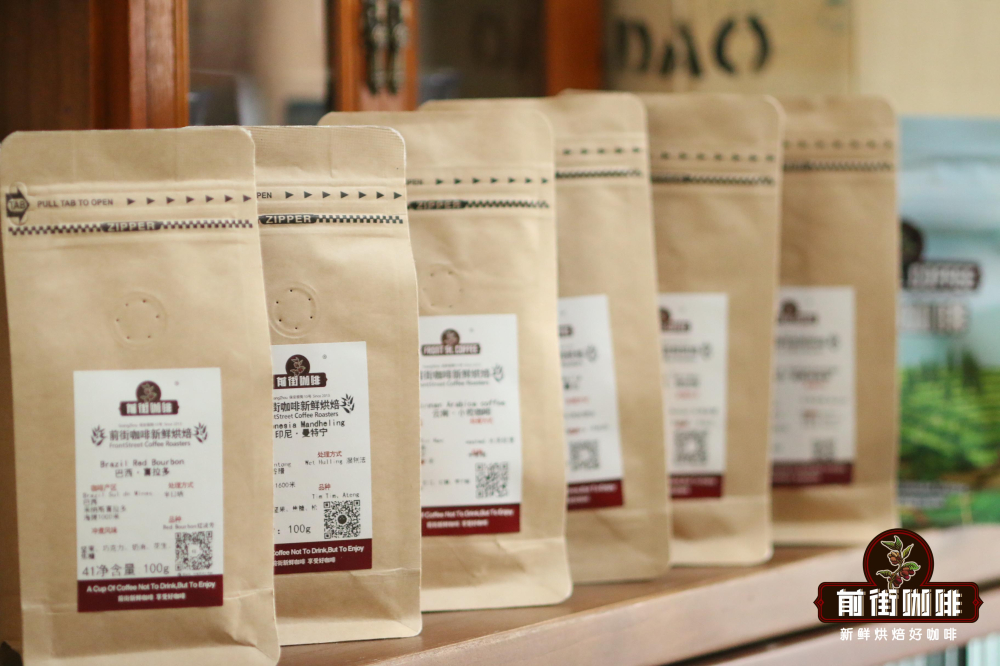
And to guarantee the fullest aroma in the cup, FrontStreet Coffee ships every bag within 5 days of roasting — the beans you receive are 100% freshly roasted.
FrontStreet Coffee Recommendation
Ethiopia is one of the world's great specialty coffee regions, and because it is coffee's birthplace it holds countless native varieties — hallowed ground for coffee lovers. To start exploring it, FrontStreet Coffee recommends our washed Yirgacheffe: clear jasmine florals and bright citrus acidity, the profile baristas mean when they describe the classic Yirgacheffe character. The town in southern Ethiopia enjoys spring-like weather year-round, misty, cool, and humid, where thousands of coffee trees thrive and produce that signature weave of florals and fruit acidity — a light, elegant, tea-like cup, like a clean, refreshing lemon tea.
For a taste of Ethiopia's cooperative system, look for FrontStreet Coffee's Guodingding (Worka) cooperative lot, from the southeastern edge of Yirgacheffe. Originally part of the YCFCU union's Worka cooperative, Guodingding became an independent cooperative of roughly 300 member farmers in 2012 as demand for traceability grew. Because the fruit is pulped before drying, the coffee's own character comes through clean and transparent: citrus and lemon tones, elegant white florals, and a bright, delicate cup overall.
If you prefer fruit-driven natural coffees, the FrontStreet Coffee Red Cherry natural uses only sound, undamaged cherries sun-dried for two weeks until the moisture drops to 12%, with the hardened pulp and mucilage then hulled off and the beans passed through density and color checks plus a final hand-sort. The result is a pristine, hauntingly fruity cup — peach, cocoa, honey, and lemon. Our natural Huakui from the Hambela district of Guji, Sidama goes even further: 200 hectares of farm, cherries dried 21 days on raised beds and turned constantly for even drying, with defective beans hand-removed every three to five days. Roasted medium-light it shows a faint fermented wine note, florals, citrus, and mango, with honey sweetness, cocoa, a touch of spice, and a thick body with a long finish.
Finally, for the wild side of Ethiopia, our Kaffa Forest coffee comes from trees growing semi-wild at 1,400–2,100 meters under natural shade in red soil with abundant rain. Roasted medium-light, it opens with distinct white florals, then bright lemon acidity, sweet orange and bergamot, a light melon-and-nut finish, and a green-tea-like texture — as close to coffee's origins as a cup can get.
Important Notice :
FrontStreet Coffee is a long-established specialty coffee roaster in Guangzhou China, selling freshly roasted beans from its own farm in Yunnan as well as dozens of carefully selected single-origin beans from around the world for both pour-over and espresso. The products deliver consistently excellent quality and great value, with shipping within 24 hours. Guangzhou's FrontStreet Coffee shop is recommended by many coffee lovers, and the beans are now available online at the Tmall 。
FrontStreet Coffee has moved to a new address:
FrontStreet Coffee Address: 315,Donghua East Road,GuangZhou
Tel:020 38364473
 Scan and follow the En Gafei WeChat official account. Please indicate that the reprint comes from "En Gafei".