Espresso Basics: What is Crema

The Science Behind Espresso Crema Formation
During roasting, coffee beans generate a large amount of carbon dioxide. Most of it dissipates as the beans cool, but a small amount remains trapped inside. Grinding releases those gases, which is why coffee should be brewed as soon as possible after grinding.
When hot water hits the coffee grounds under high pressure, it emulsifies the insoluble oils in the grounds while dissolving far more carbon dioxide than hot water could ever hold at normal atmospheric pressure. That is why countless tiny bubbles appear the instant the liquid leaves the portafilter. But this alone doesn't fully explain crema. Open a can of cola and you'll see plenty of bubbles too—yet they never last.

What is Espresso?
Espresso is a very small coffee, usually finished in two or three sips, with an intensity of flavor many people find hard to take straight. That small volume and punchy taste are why espresso has limited popularity as a drink in itself—yet turned into a latte with milk, or diluted into an Americano with water, it becomes enormously popular.
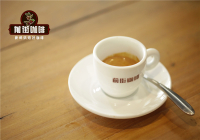
In the cup, espresso shows dark coffee at the bottom topped by a layer of golden "coffee oil" floating on the surface. But is that layer really oil?

The Composition of Coffee Crema
We all know peanut oil is pressed from peanuts, and dark roasted beans do exude oil on their surface. So what exactly is that layer an espresso machine extracts?
Italians call it "Crema," and this rich, unique foam can only be produced by an espresso machine—the key is pressure. An espresso machine forces water through the coffee puck at 9 bar. Under that pressure, water becomes supersaturated with carbon dioxide, holding the gas in solution rather than letting it escape. During extraction the coffee's fats are emulsified, and those emulsified fats encapsulate the carbon dioxide. Being lighter than water, they gradually separate, with the golden oil floating to the surface—a very appealing sight.

Achieving Perfect Crema
So this golden, delicate crema is actually insoluble coffee oils encapsulating carbon dioxide. How do you get espresso with beautiful crema?
According to FrontStreet Coffee, good crema looks golden, with a fine, delicate surface and even color; it shakes with the smoothness of cream and clings visibly to the cup walls. It makes espresso look beautiful, enriches the mouthfeel and aroma, protects the flavors underneath, and—crucially—helps latte art fuse and hold its patterns when you pour hot milk. Perhaps that's why people chase the perfect espresso so relentlessly!

FrontStreet Coffee's Extraction Experience
From extraction experience, FrontStreet Coffee finds that getting rich crema is actually quite simple. First, buy beans with high oil content and plenty of retained carbon dioxide—for example, medium-dark roast beans within their tasting window (45-60 days), or fresh espresso blends containing a small percentage of Robusta. On FrontStreet Coffee's bean list, the "FrontStreet Commercial Blend" and "FrontStreet Classic Blend" both produce beautiful crema easily precisely because they contain a little Robusta.

Once you've chosen the right beans, pair them with a fresh grind, stable high temperature, sufficient extraction pressure, and sensible extraction parameters. Cover these key factors and espresso dense with crema will follow.

Analyzing Crema Quality
In short: fresher beans, darker roasts, and equipment with more pressure and greater stability all mean better crema. FrontStreet Coffee also teaches you to diagnose extraction problems by reading the crema itself.
No Crema or Thin Crema
The likely culprit is beans stored too long—whether from poor storage or pre-ground coffee. The longer the storage, the more gas exchanges with the air, the more carbon dioxide is lost, and the less crema remains. Insufficient machine pressure, low temperature, too coarse a grind, or too light a tamp can all cause the same result.

White-ish Crema
If your espresso has decent crema thickness but lacks golden color and tastes sharply acidic, you probably used beans roasted too light. Pulling a shot from a light-roast hand-drip bean built to showcase fruity acidity—say, FrontStreet Coffee's washed Geisha—easily produces under-extracted sourness and astringency along with a pale, whitish crema.
Coarse, Bubbly Crema
This crema fades very quickly and dissipates fast. Here the problem is beans that are too fresh: just-roasted coffee still holds huge amounts of carbon dioxide, and when that much gas is forced into the liquid, the emulsified oils can't encapsulate it all, so the foam breaks down easily.

Clumpy Crema
This espresso shows obvious "clumps" when swirled, with an uneven surface and poor flowability—much like over-foamed milk that is difficult to push and blend.
FrontStreet Coffee Recommendation
For crema this good, start with a blend built for it. The FrontStreet Classic Blend combines Brazil, Mandheling, and Robusta at a medium-dark roast; its open, porous texture absorbs water and releases gas readily, giving off clear butter, toasted toast, and caramel biscuit aromas with strong flavor, a solid body, fine crema, and very stable extraction—a must-have starter bean for home espresso. The FrontStreet Commercial Blend brings together Brazil and Colombia plus a touch of Robusta, producing espresso with thick golden crema and nutty aroma; in a flat white it shows a roasty coffee bitterness wrapped in a creamy, full body, and the bitterness fades cleanly after swallowing. If you prefer pure nut-and-chocolate comfort, the FrontStreet Premium Blend—Brazil's nutty base enriched with Colombian coffee—serves up dark chocolate, caramel sweetness, and full roast aromas, turning into chocolate, cocoa, and cream once the milk goes in, like a cup of sugar-free malted milk.
Important Notice :
FrontStreet Coffee is a long-established specialty coffee roaster in Guangzhou China, selling freshly roasted beans from its own farm in Yunnan as well as dozens of carefully selected single-origin beans from around the world for both pour-over and espresso. The products deliver consistently excellent quality and great value, with shipping within 24 hours. Guangzhou's FrontStreet Coffee shop is recommended by many coffee lovers, and the beans are now available online at the Tmall 。
FrontStreet Coffee has moved to a new address:
FrontStreet Coffee Address: 315,Donghua East Road,GuangZhou
Tel:020 38364473
 Scan and follow the En Gafei WeChat official account. Please indicate that the reprint comes from "En Gafei".