Moka Pot Coffee Usage Guide and Pros & Cons Tips - Moka Pot Coffee Brewing Time, Grind Size, and Ratio Essentials
The Evolution of Coffee Preferences
Modern coffee enthusiasts have expanded well beyond pour-over, increasingly pursuing the art of espresso-style coffee at home. You'll notice many friends order lattes or cappuccinos at coffee shops, while those who truly know their coffee might go for single-origin brews. Today, FrontStreet Coffee introduces you to a simple-to-operate way of making espresso-style coffee. It may not be as intense as a true espresso or as bright as pour-over, but it's the most accessible espresso-style brewing equipment for home use.
What is a Moka Pot?
A Moka pot is a steam-driven coffee brewer, an essential device in many Italian households. It was invented in 1933 by Alfonso Bialetti, who had worked as an aluminum craftsman in France for many years before returning to Italy to open his own aluminum workshop.
How the Moka Pot Works
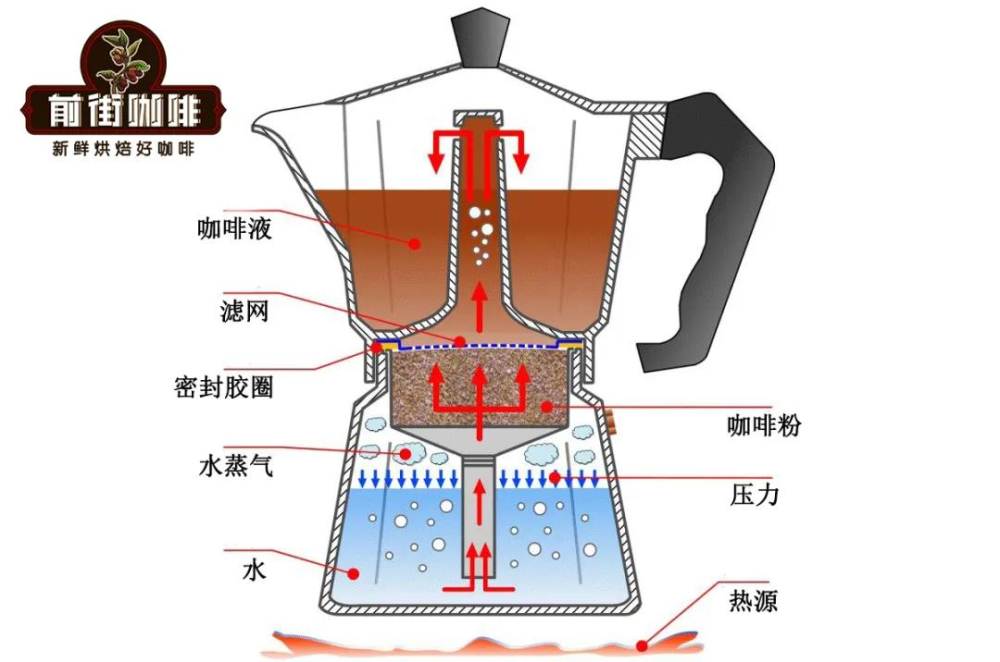
Since the Moka pot makes such delicious coffee, let's understand how it works. The pot consists of an upper and a lower chamber. Water in the lower chamber is heated to boiling, and the resulting steam pressure forces the hot water up through the filter basket of coffee grounds into the upper chamber. Once coffee starts flowing into the top, reduce the heat — excessive temperatures can scorch the coffee and ruin its original flavors. (The Japanese siphon brewer works on a similar principle.)
Single vs. Double Valve Moka Pots
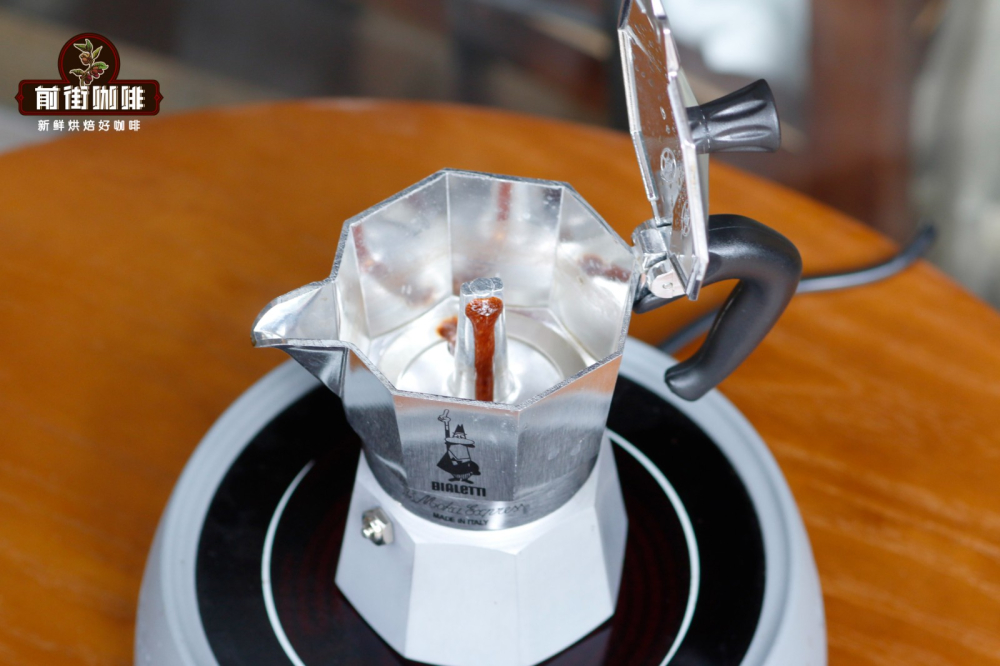
Moka pots also come in single-valve and double-valve versions, with double-valve pots producing more crema. On a single-valve pot, coffee flows directly from two small holes at the top of the hollow central tube. A double valve adds a pressure-accumulating valve inside the tube that normally blocks the outlet and needs enough steam pressure to push open, so the coffee sprays out. The resulting cups differ too: single-valve pots yield lower concentration and less crema, while double-valve pots produce higher concentration and more crema.
Grind Size for Moka Pot
The ideal grind is medium-fine. FrontStreet Coffee suggests grounds between 0.3mm and 0.55mm — slightly coarser than an espresso machine grind but finer than pour-over.
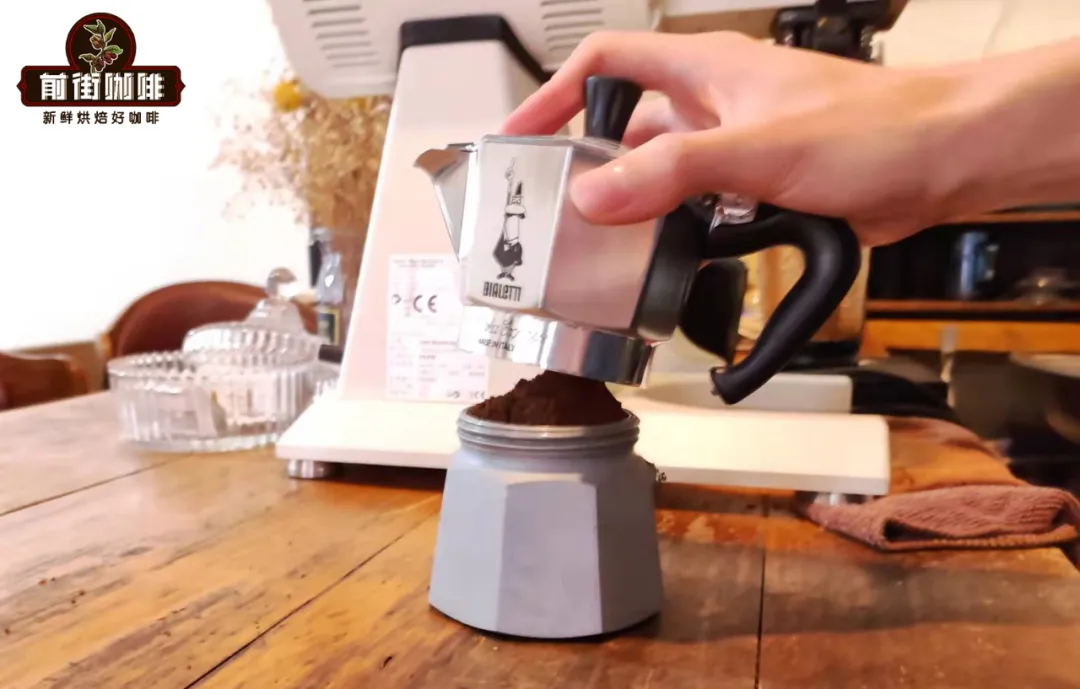
During brewing, if coffee gushes out of the upper chamber like a fountain, the grind is too coarse: the water meets too little resistance and the crema will be thin. If instead you hear a low "whistling" sound and the coffee takes a long time to rise, remove the pot from the heat immediately and take safety precautions — the grind is too fine, and the excessive resistance is preventing the hot water from rising properly.
Water Temperature for Moka Pot
Some people fill the pot with cold water, others with warm. Which is best?
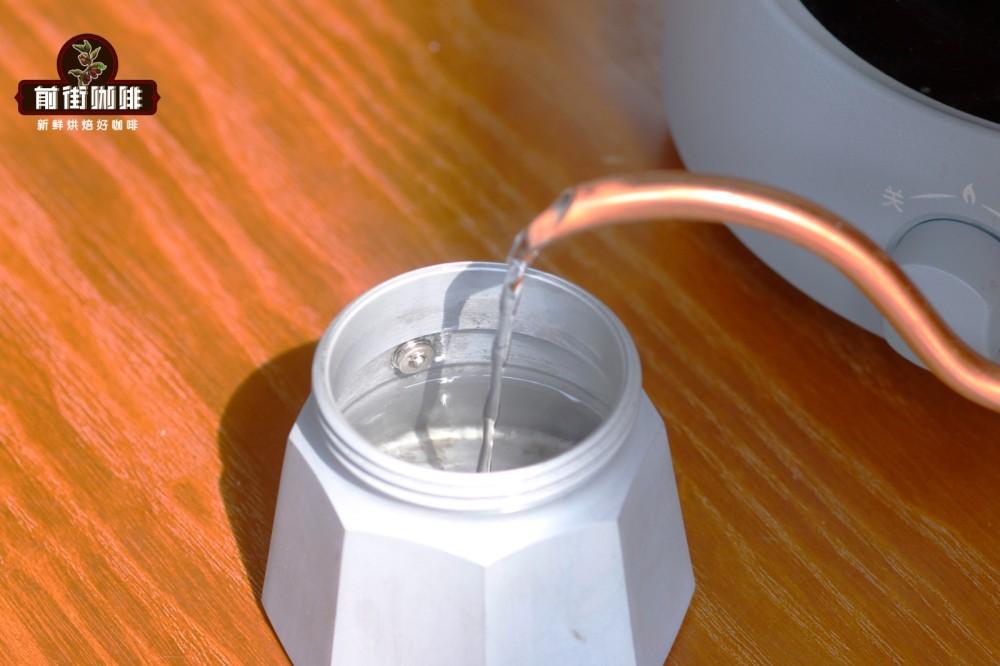
FrontStreet Coffee believes water on the verge of boiling is most appropriate. With room-temperature or cold water, the water starts extracting the grounds before it has reached its optimal temperature, which affects the flavor.
FrontStreet Coffee's Moka Pot Brewing Steps
Now that we understand the principle, here are FrontStreet Coffee's steps for brewing with a Moka pot:
- Fill the lower chamber with an appropriate amount of near-boiling hot water
- Pour ground coffee into the filter basket
- Set the filter basket on the lower chamber and screw on the upper chamber
- Keep the upper chamber lid open and begin heating
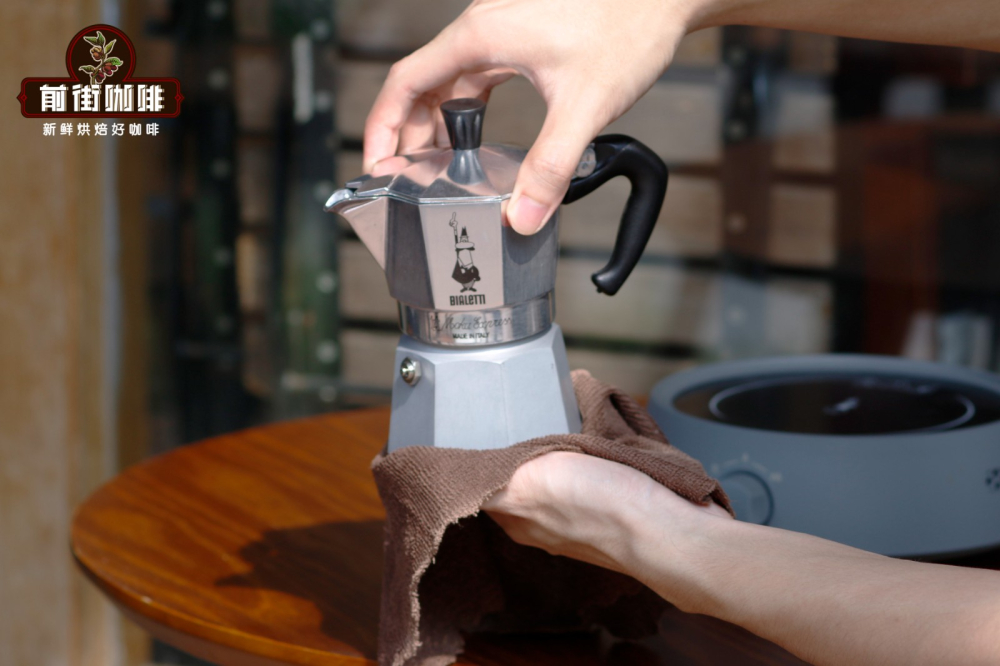
- Once coffee starts flowing into the upper chamber, remove the pot from the heat
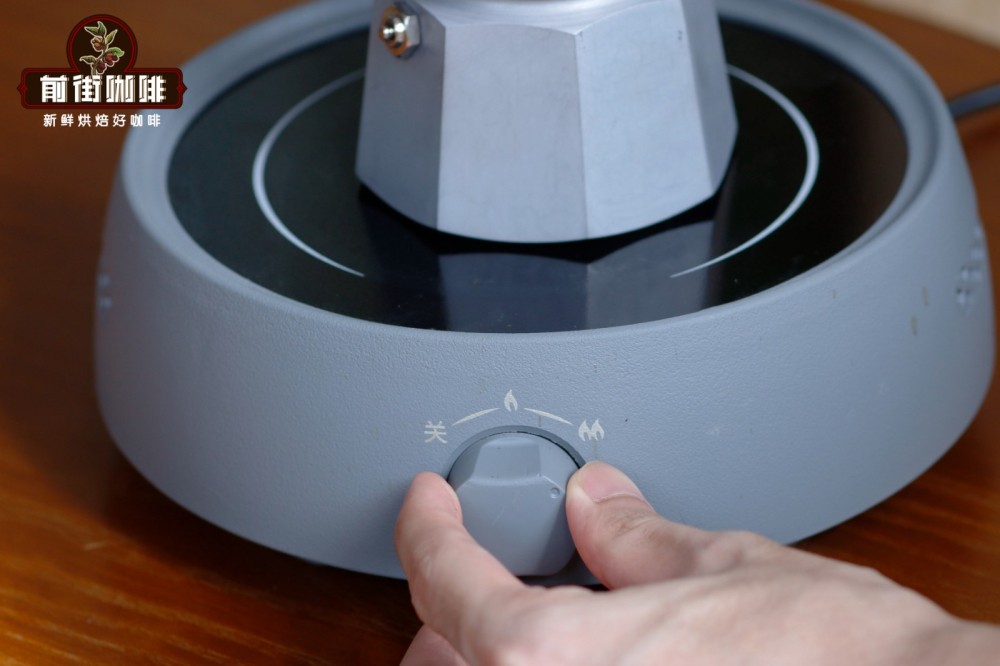
Why does coffee brewed this way produce crema? FrontStreet Coffee explains: as the lower chamber heats, the near-boiling water generates large amounts of steam in its limited space, building significant pressure. That pressure forces the hot water up through the metal tube, extracting the crema-forming compounds from the coffee.
Essential Tips and Techniques
Brewing with a Moka pot sounds simple — less prep and fewer variables than pour-over — but making genuinely delicious coffee still takes some skill. Here are FrontStreet Coffee's tips and finer points:
- The amount of grounds can be adjusted to taste. Each Moka pot has a different capacity, so you'll need a few experiments to find your perfect dose. If you prefer stronger coffee, lightly press the grounds with the press plate when filling, top up the flattened space, and press lightly again.
- The filter cloth should not exceed the surface of the coffee grounds, otherwise excessive pressure will force steam to escape around the edges.
- The press plate's main purpose is to control the number of cups when brewing small amounts in a larger pot; here it doubles as a pressing tool. Since Moka pots generate relatively low steam pressure, they don't need a proper tamper like an espresso machine.
- You can adjust flavor by how long the coffee stays in the pot. With lighter roasts (light brown, no oily surface), let the coffee sit in the pot for an extra one to one-and-a-half minutes after extraction. With dark roasts (dark brown, sometimes oily — most Italian blends on the market fall here), pour it straight into pre-warmed cups.
- For hot cappuccinos and lattes, heat milk to about 70°C. For cold foam, use a milk frother directly: cold foam takes roughly 10+ pumps, while hot foam is harder and might need 50 pumps. Whole milk works best, since the milkfat transforms into rich foam.

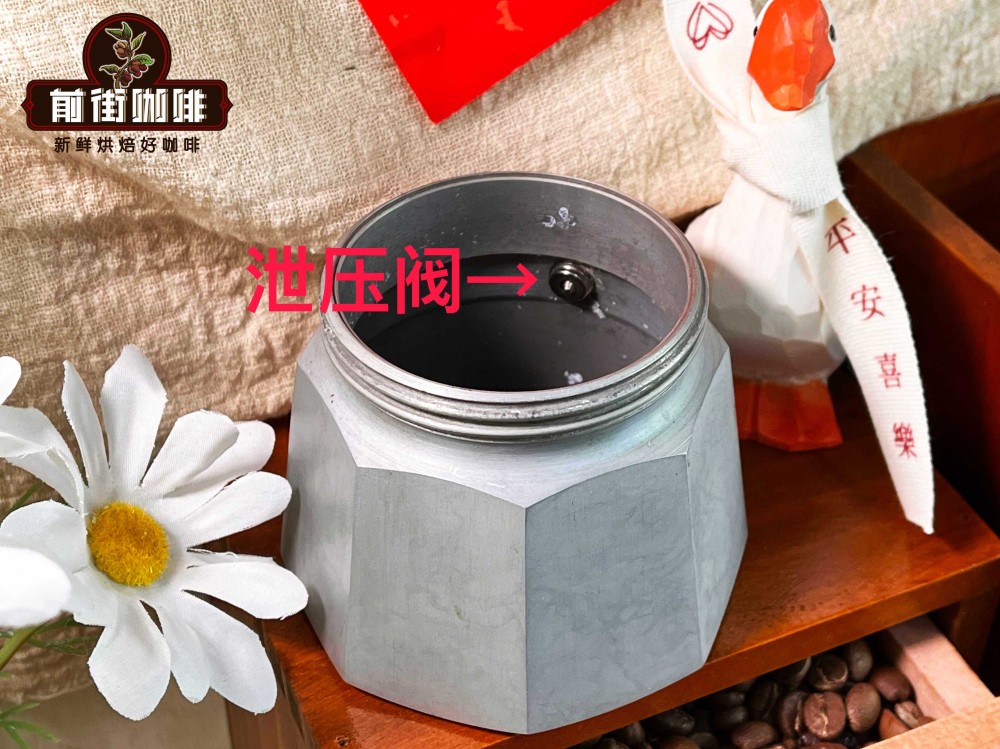
Important Safety Warning
And don't add extra water just to get more coffee. FrontStreet Coffee reminds everyone that the lower chamber has a pressure relief valve — that protruding fitting in the photo. It exists to prevent excessive internal pressure (caused by, say, coffee ground too fine) from turning the pot into an explosion hazard. Therefore, never fill water above the valve: once submerged, it loses its relief function and creates a serious safety risk.
Follow the steps above, practice a few times, and FrontStreet Coffee believes anyone can brew delicious espresso-style coffee.
Moka Pot Cleaning Method
Finally, how to clean your Moka pot:
- Once the pot has cooled, unscrew the upper chamber, remove the funnel, and discard the grounds. Gently clean the upper and lower chamber filters and wipe everything completely dry! Do not use abrasive materials or soda water, which damage the bright surface. Over time the bottom may inevitably discolor from hard water — this can be removed with water mixed with vinegar.
- For aluminum pots, disassemble all components and store them dry in the air. Never wash a Moka pot in the dishwasher.
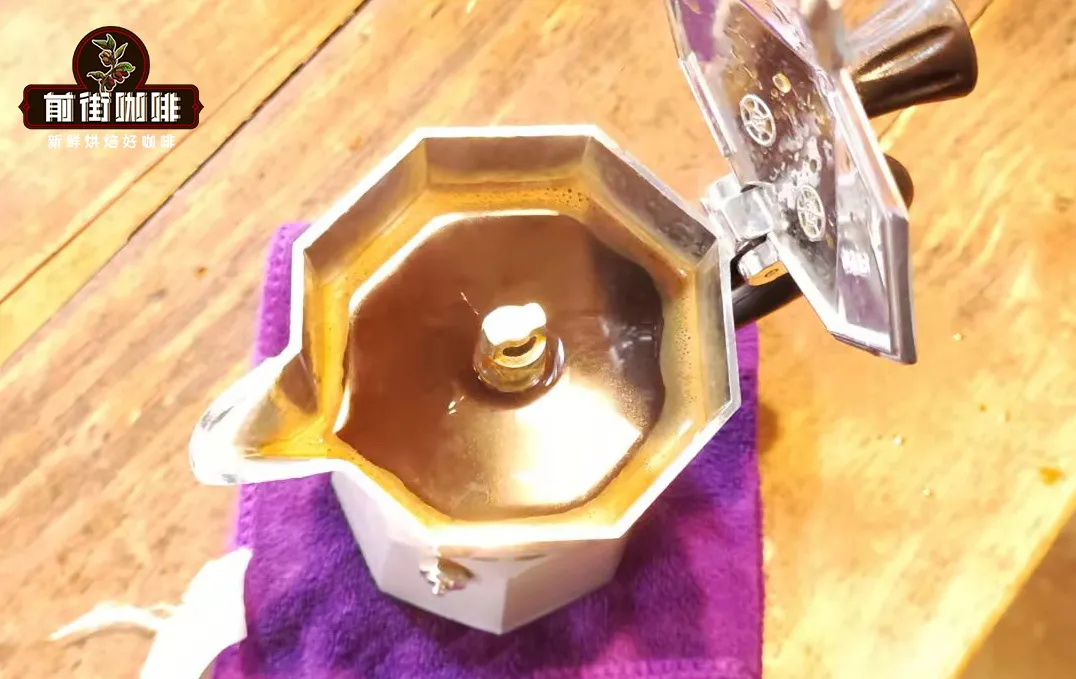
Which Coffee Beans Are Suitable for a Moka Pot?
Are all beans suitable for a Moka pot? No. As FrontStreet Coffee mentioned, Moka pot coffee is rich and topped with crema — which is actually countless tiny carbon dioxide bubbles. Medium to dark roasted beans hold enough CO2 to produce it. So for a crema-rich cup, choose medium to dark roasted beans; light roasts struggle here, and the flavor will simply be better with a medium-dark profile.

FrontStreet Coffee recommends espresso blend beans. The idea behind an espresso blend is to highlight one particular bean's character while keeping flavor and mouthfeel consistent. FrontStreet Coffee's stores use an espresso blend of Honduras Sherry coffee beans with Ethiopian natural Red Cherry beans.
Honduras Sherry involves placing finely washed green beans into sherry whiskey barrels for 30-40 days of low-temperature fermentation, letting the vanilla, cream, and oak-barrel character slowly permeate the beans. The natural Red Cherry component adds a berry-like aromatic lift.
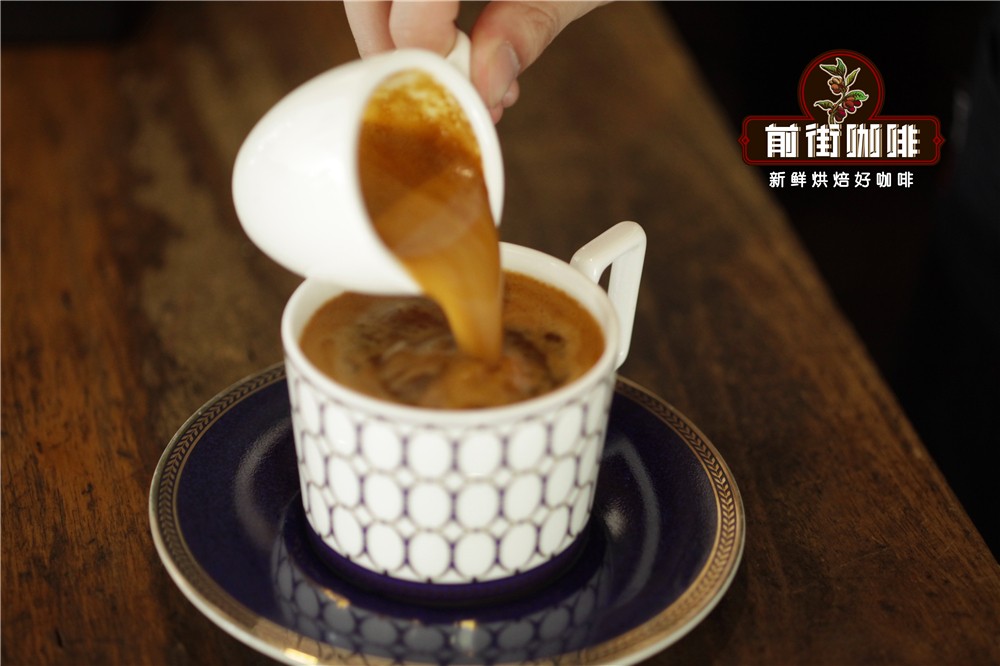
The espresso FrontStreet Coffee pulls with this Sunflower Warm Sun blend is rich in vanilla and cream, carries a whiskey aroma and a distinct dark chocolate aftertaste, with a full, smooth mouthfeel.
FrontStreet Coffee's Brewing Recommendations
For brewing, FrontStreet Coffee always recommends freshly roasted beans to enjoy coffee's full flavor. Beans shipped by FrontStreet Coffee are roasted within 5 days of dispatch, because freshness hugely affects flavor. The resting period after roasting is about 4-7 days, so coffee typically arrives at peak flavor.
If you'd rather have FrontStreet Coffee grind the beans for you, that's fine too. Just note: pre-ground coffee needs no resting period — the CO2 pressure inside the packaging during transit helps round out the flavor — so you can brew immediately on arrival. But ground coffee must be brewed promptly: it oxidizes quickly once exposed to air, and its flavor dissipates fast. FrontStreet Coffee therefore recommends buying whole beans and grinding fresh for each brew.
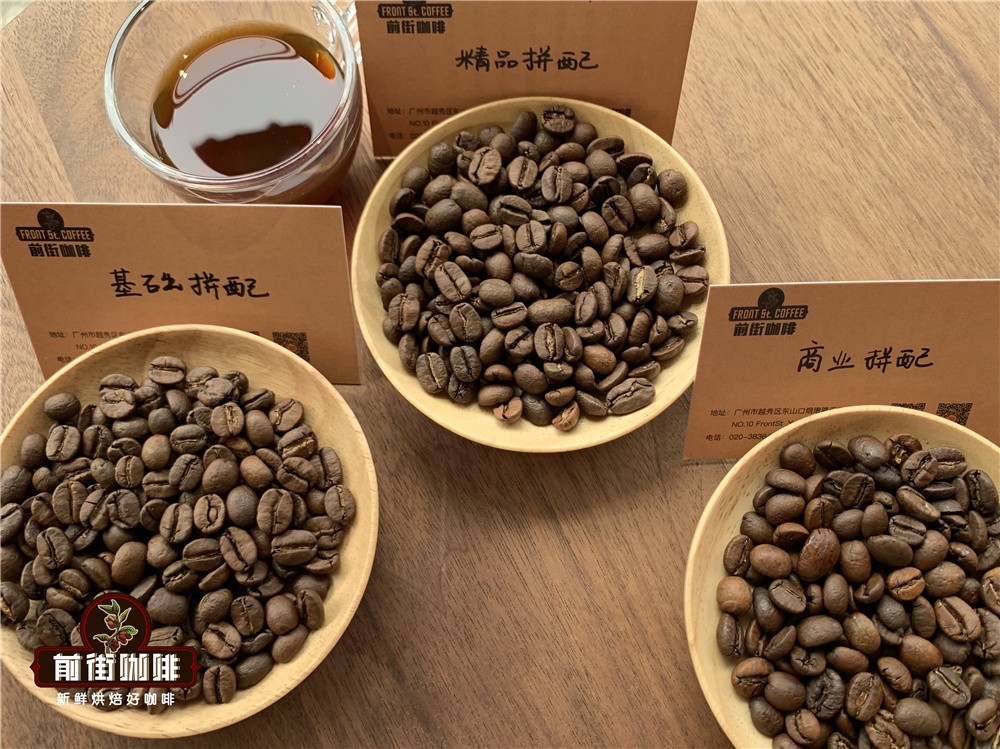
FrontStreet Coffee also carries basic, specialty, and commercial espresso blends to choose from, plus more than fifty single-origin beans from around the world if you want to explore further!
FrontStreet Coffee Recommendation
For Moka pot brewing specifically, FrontStreet Coffee's Classic Blend is the house first choice — designed precisely for espresso machines and Moka pots, it pulls remarkably thick, silky crema even on entry-level home equipment. Built on the traditional Mocha-Mandheling (Mamba) formula, its mellow, rounded body suits lattes and cappuccinos as well as straight shots, and works equally well for beginners and seasoned drinkers. If you prefer a single-origin option, FrontStreet Coffee's Brazil Fazenda Rainha (Queen Estate) beans — low acidity, deeply balanced, with rich nut and cocoa aromas and clear caramel sweetness — extract beautifully in a Moka pot too.
Important Notice :
FrontStreet Coffee is a long-established specialty coffee roaster in Guangzhou China, selling freshly roasted beans from its own farm in Yunnan as well as dozens of carefully selected single-origin beans from around the world for both pour-over and espresso. The products deliver consistently excellent quality and great value, with shipping within 24 hours. Guangzhou's FrontStreet Coffee shop is recommended by many coffee lovers, and the beans are now available online at the Tmall 。
FrontStreet Coffee has moved to a new address:
FrontStreet Coffee Address: 315,Donghua East Road,GuangZhou
Tel:020 38364473
 Scan and follow the En Gafei WeChat official account. Please indicate that the reprint comes from "En Gafei".