What is a Moka Pot? Step-by-Step Methods, Pros and Cons of Brewing Coffee with a Moka Pot
People new to coffee often have many questions, just as FrontStreet Coffee did when we first started. We were curious about every kind of coffee bean and every piece of coffee equipment. Today, FrontStreet Coffee explains what a moka pot is and how to use it to brew coffee.
What Does a Moka Pot Look Like?
The design of a moka pot is very simple, with the whole structure divided into just three parts: the upper chamber for the coffee liquid, the middle filter basket for the grounds, and the lower chamber for water and heating.
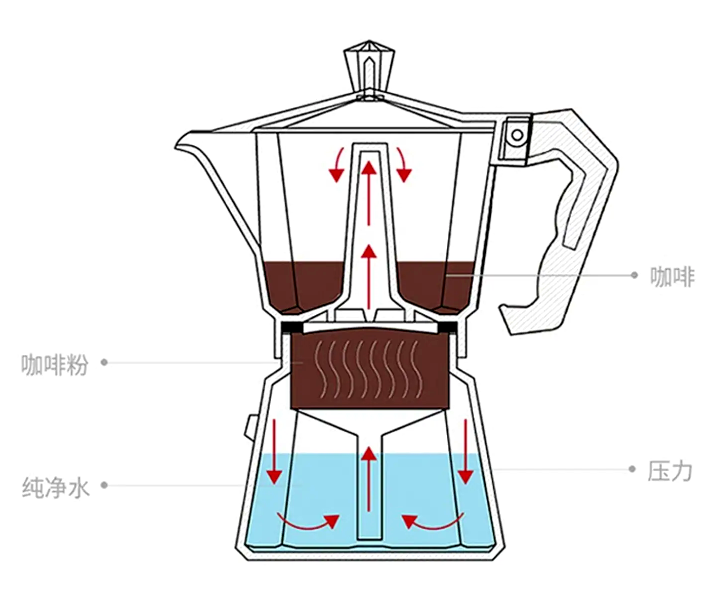
When we heat the moka pot, the water in the lower chamber heats up first and turns to steam, creating pressure that pushes the water vapor upward. As hot water rises and meets the coffee grounds, the steadily increasing pressure pushes the extracted coffee liquid into the upper chamber, giving us the rich coffee we are after.
The extraction method is similar to the pressurized espresso we know. After the water boils in the lower chamber it produces steam, which accumulates to create pressure, forcing hot water through the coffee and dissolving flavor compounds that flow with the liquid into the upper container. A moka pot brews at approximately 1.2 to 3 atmospheres of pressure. That extra pressure concentrates the flavors, so coffee from a moka pot has a mellow, rich taste.
Moka pots commonly available on the market come in two types: single-valve and double-valve. When using a double-valve moka pot, an additional pressure-accumulating valve is added to the original design. The increased pressure also boosts the coffee's concentration and brings out more coffee oils. Although a moka pot cannot compare with the 9+ atmospheres of a standard espresso machine, FrontStreet Coffee believes that if we simply want to enjoy a rich, mellow cup in our leisure time at home, a moka pot is an excellent choice.
Advantages and Disadvantages of Using a Moka Pot
The biggest advantage of a moka pot is its portability and ease of operation - it lacks the complicated steps of espresso brewing, and of course the price is very affordable. Moka pots do have obvious disadvantages, though. Compared with espresso machines, which typically extract at 90-94°C, a moka pot heats water to the boiling point of 100°C. That excessive temperature can extract bitter macromolecules, making the coffee easily scorched, bitter and heavy - hard to swallow.
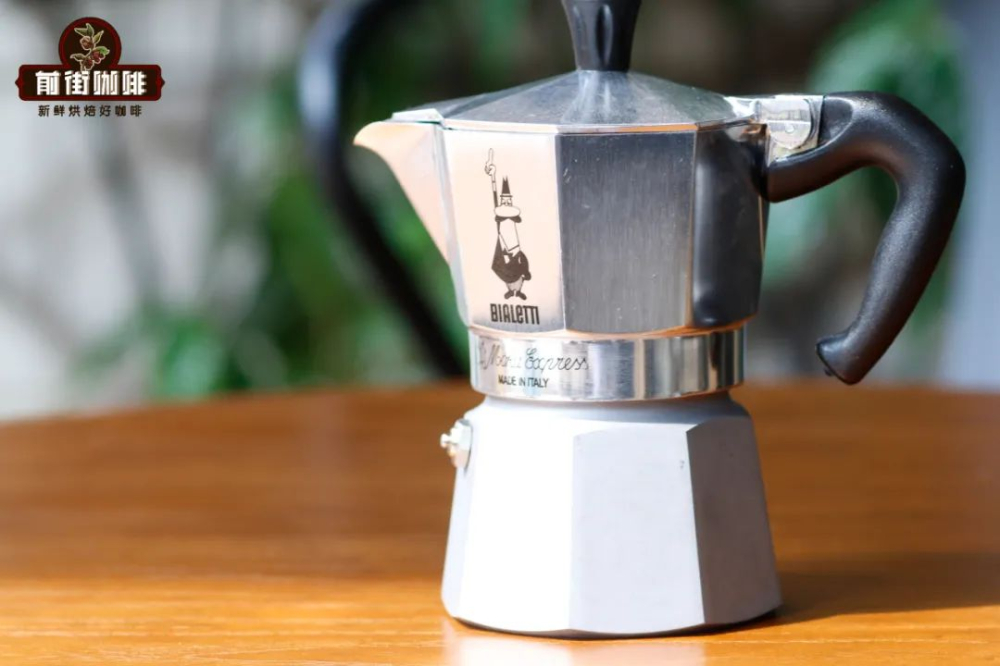
It's important to note that although the coffee from a moka pot is relatively strong, it still differs from the espresso we commonly know. The espresso we refer to today is extracted at 9+ atmospheres of pressure, producing a coffee that is rich, velvety and finely textured. A moka pot's maximum pressure is only 2 atmospheres, far below what commercial espresso machines use. The resulting liquid is relatively thinner, and the flavor and texture are not as rich and mellow as espresso. But if we want to enjoy a rich, mellow cup more quickly at home, FrontStreet Coffee believes a moka pot is still a very good choice.
Let's Brew a Cup of Coffee with a Moka Pot!
First, FrontStreet Coffee removes the base of the moka pot and adds warm water to the lower chamber. This shortens the brewing time while keeping the grounds from being heated too quickly, which would cause scorched bitterness.
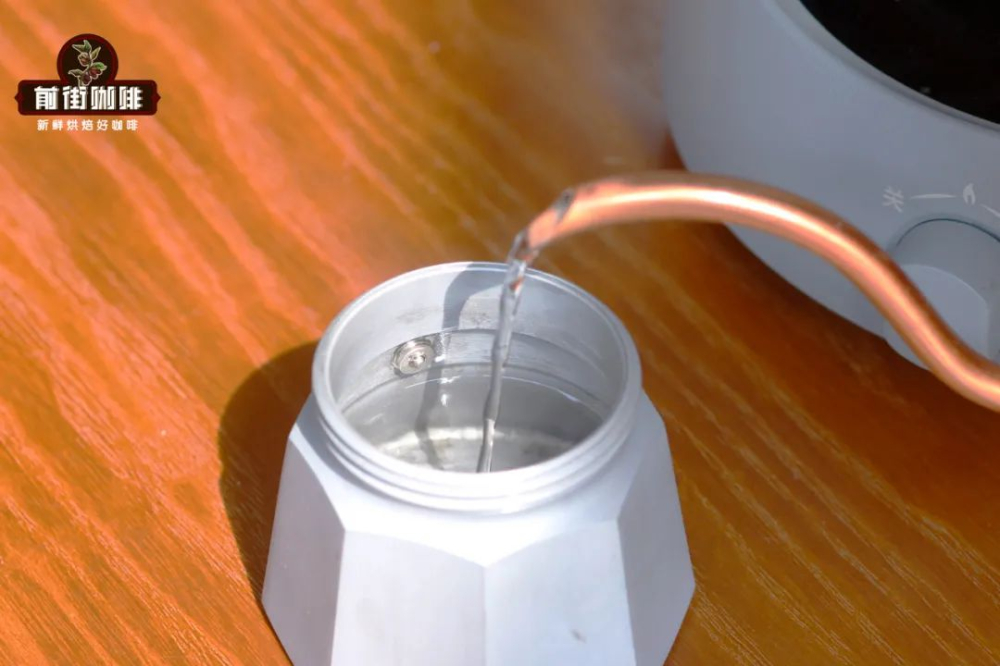
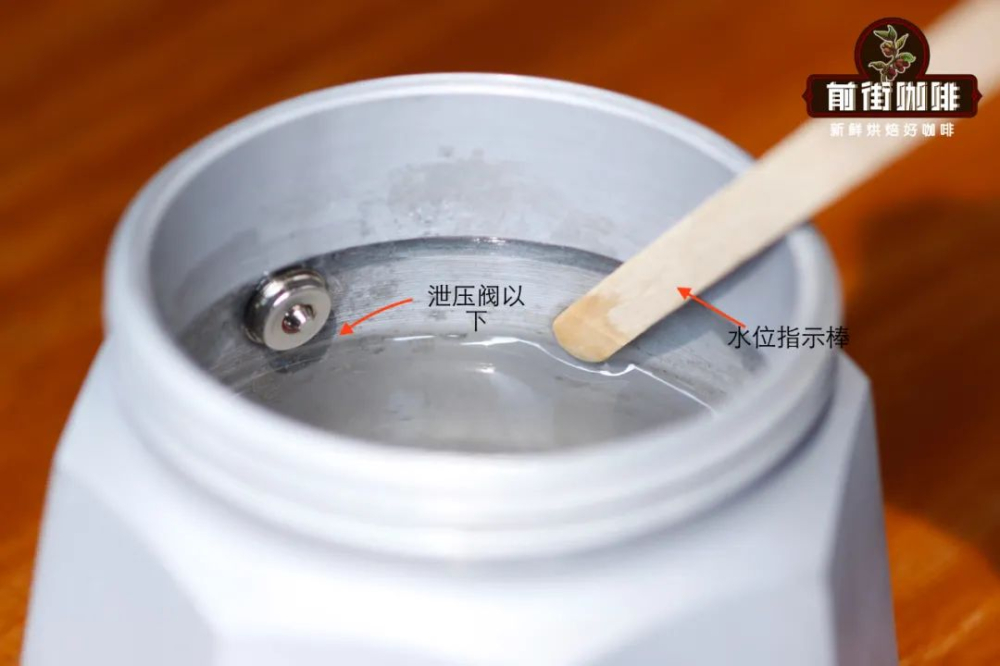
Keep the water level below the pressure relief valve line. The safety valve prevents the pot from exploding when the extraction channel is blocked by grounds that are ground too fine. If the safety valve is submerged and the channel is blocked, the consequences of a high-temperature moka pot explosion would be unthinkable.
To extract rich black coffee, the grind should be finer than regular pour-over but coarser than espresso. Here FrontStreet Coffee uses our own roasted "Sunflower Warm Sun Blend." If the grind is too coarse, it leads to under-extraction and splattering; if too fine, it causes over-extraction and heavily scorched, bitter coffee that's hard to drink. FrontStreet Coffee uses an EK-43s grinder at a setting of 0.5.
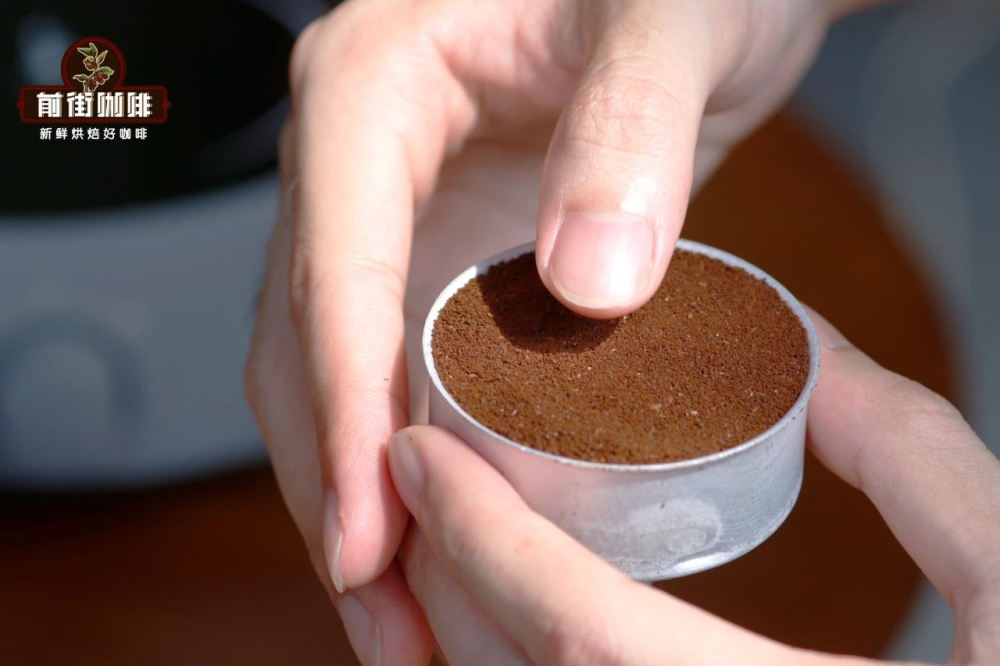
Pour the ground coffee into the filter basket, spread it evenly to fill, and smooth it with your finger before placing it in the base. There's no need to tamp forcefully - overly compacted coffee layers easily block the upward flow of water and hurt extraction. If there isn't enough coffee, the water entering the middle layer under steam pressure cannot extract fully, which leads to significant splattering in the upper chamber.
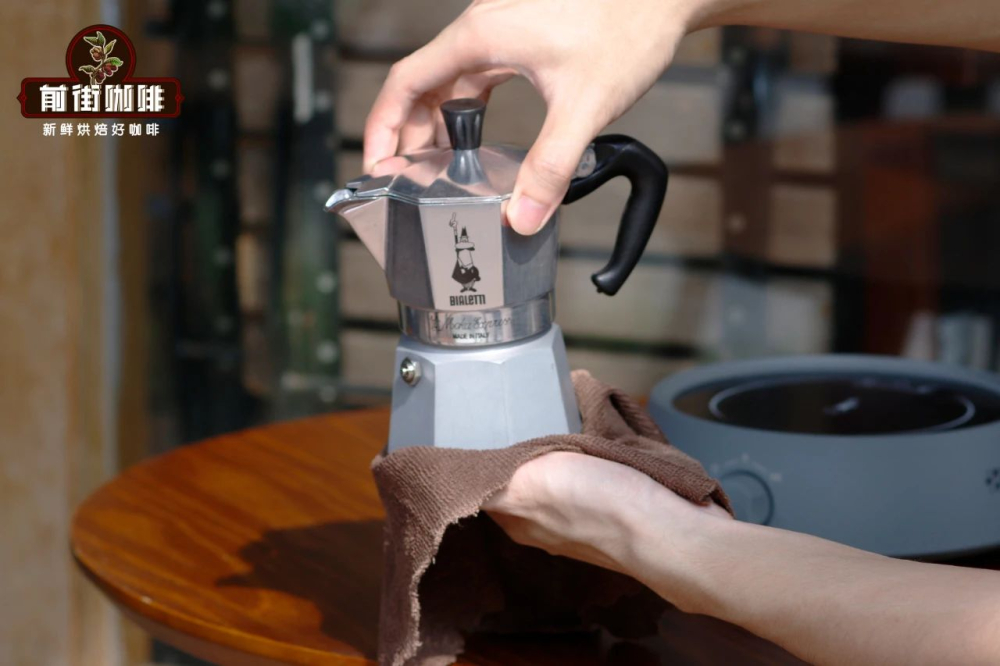
Next, screw the upper and lower chambers together tightly and place the pot on a gas stove or induction cooker. When using an open flame, be careful to control it so it doesn't extend beyond the base of the pot. There is no precise time specification for brewing - wait for the pot to heat up, and when you hear a hissing sound, turn to low heat, and the coffee and oils will slowly flow out.
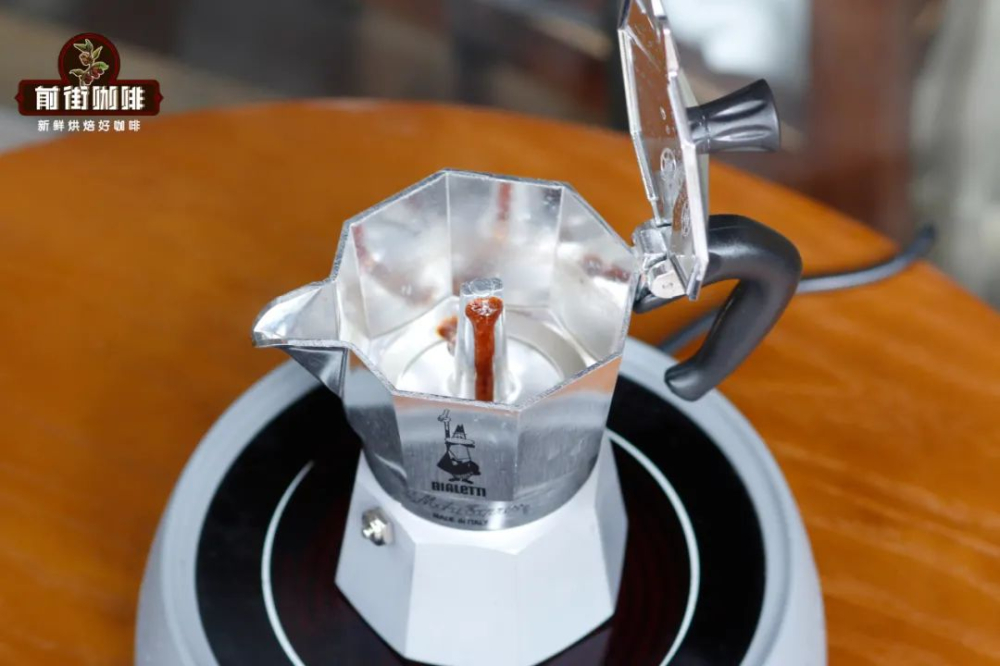
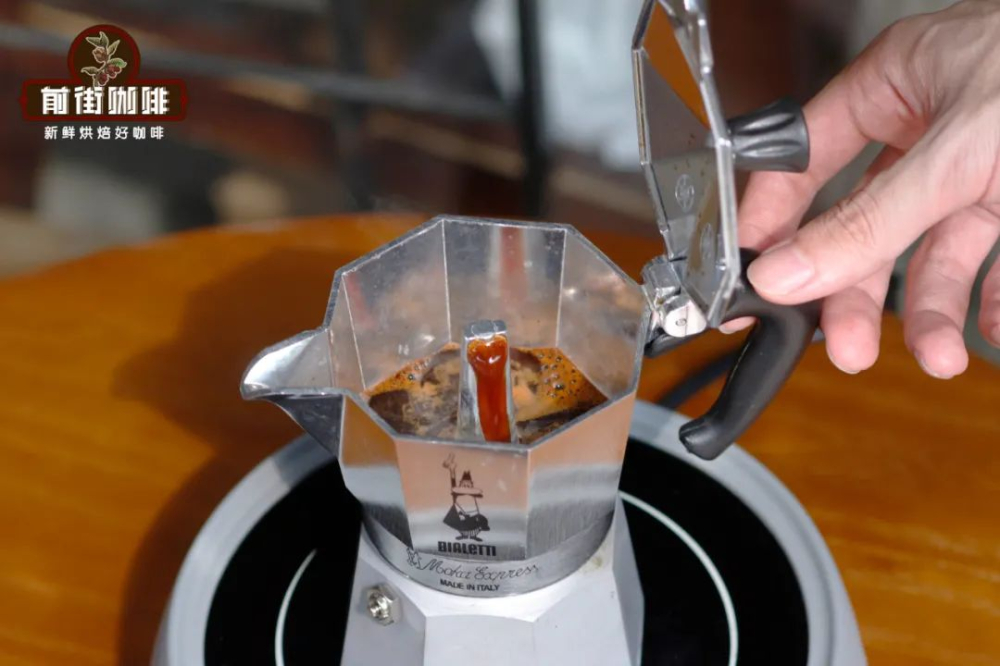
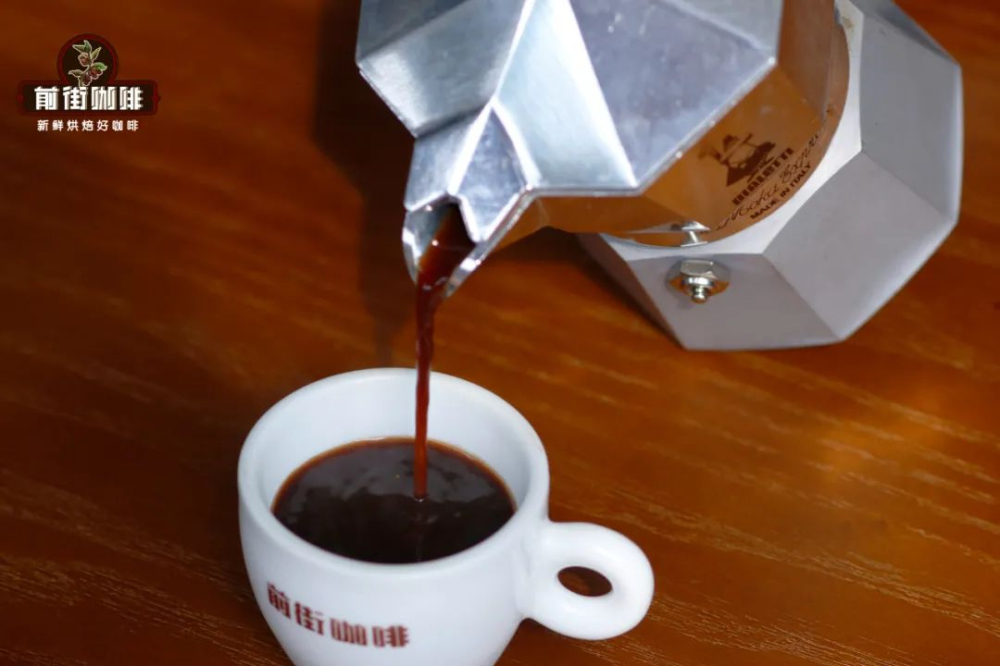
When the upper chamber is half full, turn off the heat and move the pot to the table on a wet towel, letting the residual heat and pressure inside finish extracting the remaining coffee. Finally, pour the coffee into a cup and enjoy it directly. The cup opens with a rich whiskey aroma, vanilla and cream, and the sweet-and-sour of berries, carrying the fragrance of roasted nuts. Mixed with a certain proportion of hot water it shows fresh fruit sweet-and-sour notes, and paired with milk it has a delightful chocolate sweetness.
FrontStreet Coffee Recommendation
A moka pot rewards you with a full-bodied, mellow cup, and it does best with beans built for pressure extraction. FrontStreet's Classic Blend is made specifically for espresso and moka pot brewing, and its standout strength is outstanding crema: even a beginner on a modest home setup can extract a dense, silky layer. Following the traditional Mamba recipe, it is rich and rounded, and the "Sunflower Warm Sun Blend" used in this guide - 70% Honduras sherry-process coffee with 30% Ethiopia natural Yirgacheffe red cherry - brings out whiskey, vanilla, cream and berry notes of its own.
If you prefer low acidity and a heavier body, FrontStreet's PWN Indonesia Golden Mandheling is an excellent pairing: a dark roast with low acidity, a long, velvety body and layered herbal and dark chocolate notes with a faint earthy undertone. For something more balanced, the FrontStreet Brazil Queen Estate is gentle in acidity with rich nut and cocoa aromas and clear caramel sweetness, smooth without astringency, and works just as well in a moka pot as it does for pour-over or espresso. Remember to keep the grind finer than pour-over but coarser than espresso, fill the basket without tamping, and pull the pot off the heat as soon as the upper chamber is half full.
Important Notice :
FrontStreet Coffee is a long-established specialty coffee roaster in Guangzhou China, selling freshly roasted beans from its own farm in Yunnan as well as dozens of carefully selected single-origin beans from around the world for both pour-over and espresso. The products deliver consistently excellent quality and great value, with shipping within 24 hours. Guangzhou's FrontStreet Coffee shop is recommended by many coffee lovers, and the beans are now available online at the Tmall 。
FrontStreet Coffee has moved to a new address:
FrontStreet Coffee Address: 315,Donghua East Road,GuangZhou
Tel:020 38364473
 Scan and follow the En Gafei WeChat official account. Please indicate that the reprint comes from "En Gafei".