One of the World's Most Famous Coffees: Regional Taste and Flavor Characteristics of Colombian Premium Coffee

Last year, FrontStreet Coffee launched a single-origin coffee bean from Colombia, the Sidra, which left a deep impression on many friends with its unique berry aroma and grape juice-like sweet and sour tones. It is currently available on FrontStreet Coffee's Tmall flagship store. In this way, Sidra not only captured a group of true fans but also made many people remember the Colombian coffee region.

In Colombia, coffee is hailed as "green gold," and the local coffee-drinking culture is strong. Streets and alleys are filled with cafes of all sizes, bustling from morning to night, showing Colombians' sincere love for coffee.
The Special Characteristics of Colombian Coffee
Colombian coffee is often described as having a smooth mouthfeel, rich fruity acidity, and balanced flavors. Such flavor advantages are attributed to Colombia's natural geography.
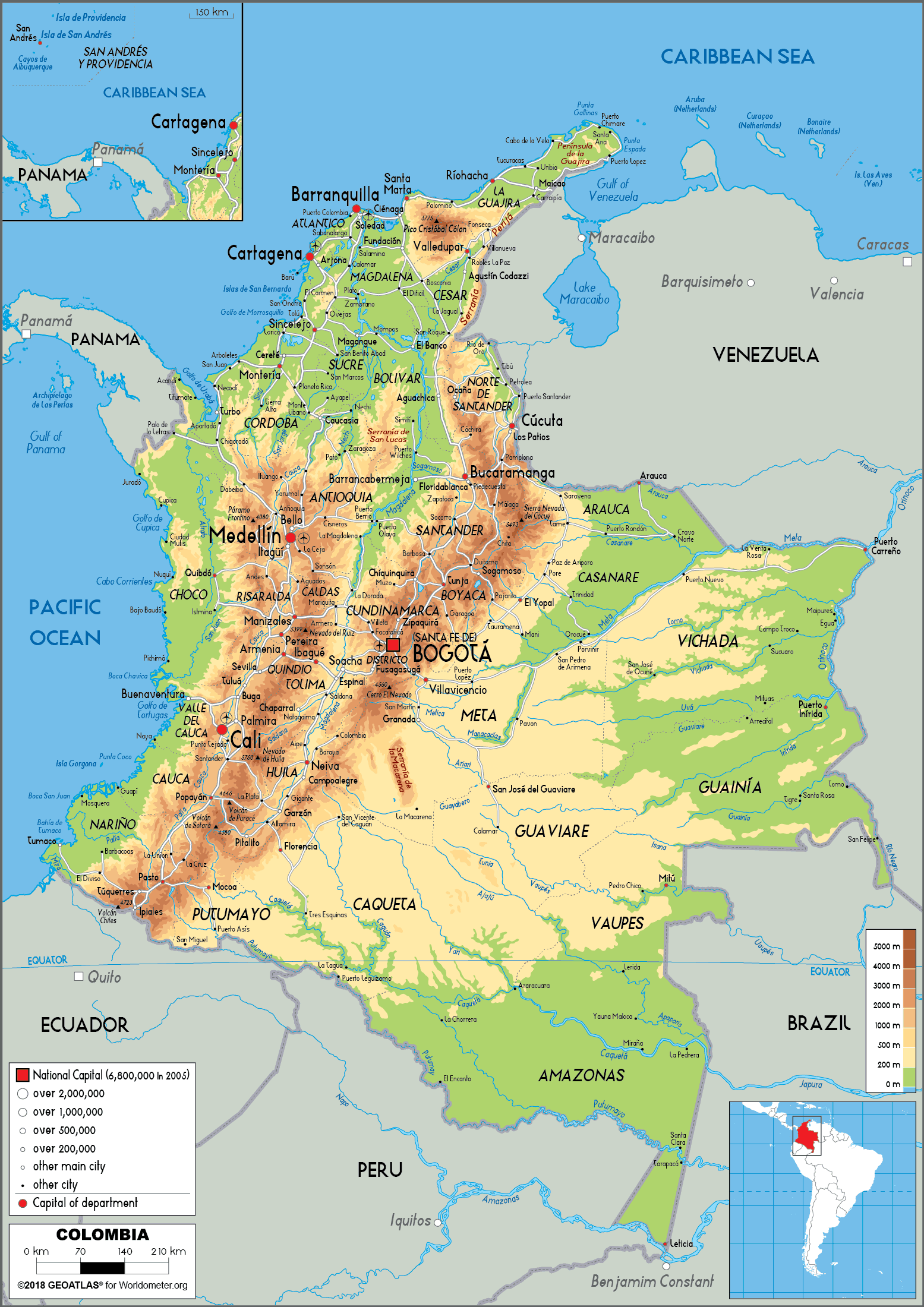
The southern part of Colombia straddles the equator with a wide geographical span. Coffee cultivation is mainly concentrated along the western stretch of the Andes Mountains, where three major ranges run from south to north. The country boasts rich and diverse ecosystems, with different forests, grasslands, rivers, and lakes under each mountain range creating varied climate characteristics. Volcanic ash soil that has evolved over millions of years has created ideal conditions for coffee cultivation.
Coffee trees are mostly distributed on sloping highlands. The surrounding clouds and mist, along with the low-temperature environment at high altitudes, allow coffee cherries to retain more sugar content, producing coffee with intense flavors and natural sweetness.

Colombian National Federation of Coffee Growers (FNC)
Colombia has over 500,000 coffee farmers. Local coffee households operate in small family-run models, with all processes using purely manual methods. The overall quality of the beans is higher than mass-produced coffee from Brazil.

Given the flourishing development of Colombian coffee cultivation, growers dedicated to coffee export formed a coffee producer organization, but it did not serve to regulate the industry. Subsequently, following the call of coffee farmers nationwide, the government established the Colombian National Federation of Coffee (FNC) in 1927. Its purpose was to guarantee local coffee quality, protect the rights and welfare of every coffee producer, provide reasonable and stable income security for coffee farmers, and promote the positive development of the entire coffee industry.
In recent years, thanks to the FNC's role, local coffee farmers have developed ways to combat leaf rust disease and climate change, while continually exploring the balance between improving high-quality coffee flavors and increasing yields.

What Grade Does Colombian Supremo Coffee Belong To?
Colombia's green coffee bean grading system is first based on bean size. The highest grade is Supremo Screen 18+. Colombian Supremo coffee beans refer to 500g samples where 95% of the beans are above screen 18, with full and uniform particles.
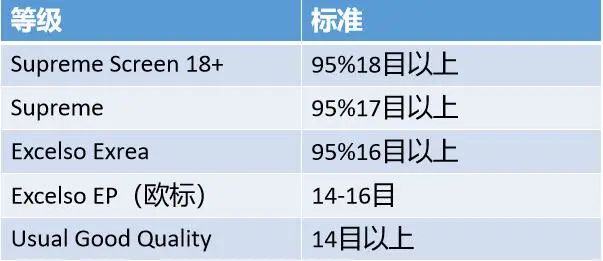
Packaged green coffee beans are typically screened using fixed-size sieves, with different specifications corresponding to different hole sizes. For example, if the sieve holes are size 17, beans larger than this size cannot pass through. Therefore, the larger the sieve number, the larger the bean particles that remain on the sieve.
After sorting by size, coffee beans are picked to remove defective beans and foreign objects, then graded according to defect rates and cupping tests. In defect rate grading, Colombia has specific standards, mainly divided into two categories: Category I defects and Category II defects.
Category I defects (defects affecting cupping characteristics): black, musty, or sour/rotten flavors. Maximum allowable defect value: 12. Category II defects (defects affecting appearance): discolored (old, faded, yellow, mottled), damaged, broken, crushed, cut, insect-damaged, deformed, immature, gray or soft, etc. Maximum allowable defect value: 60. Points are deducted based on the number of defects, dividing into three grades based on final score: AA grade, A grade, G grade.
Each farmer reports their number and logs green bean information, facilitating future traceability. Colombian exported green coffee beans are typically named as Country + Region + Grade + Other. For example, FrontStreet Coffee's Huila daily bean green beans are "Colombia Huila Supremo SC17/18 FNC."

Huila Production Region Coffee Beans
Colombia's coffee growing regions are very extensive, and the flavors between different production areas vary depending on the cultivation location. Among them, specialty coffee is mainly produced in the southern regions of Huila, Cauca, and Nariño.
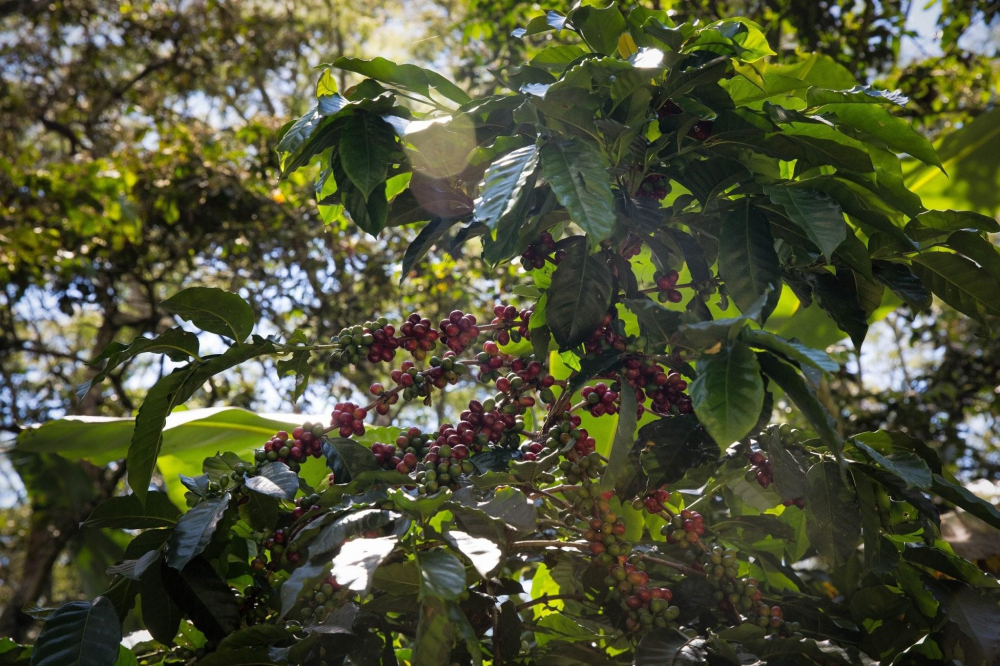
Huila Province is surrounded by mountains with an average altitude of over 1,500 meters. Many of Colombia's main rivers flow through this area. The abundant water sources and humid air, combined with cool monsoons forming in the valleys that keep temperatures from getting too high while blocking cold winds, plus the fertile soil brought by Huila volcanoes, allow the Arabica coffee here to absorb sufficient nutrients. This produces many coffee bean batches with complex aromas and fruity flavors.
Through cupping, FrontStreet Coffee found that coffee produced in Huila has rich nut and chocolate aromas, with full caramel sweetness and a smooth, clean palate, very characteristic of Colombian coffee. FrontStreet Coffee has therefore included it in its ultra-high value daily bean series.
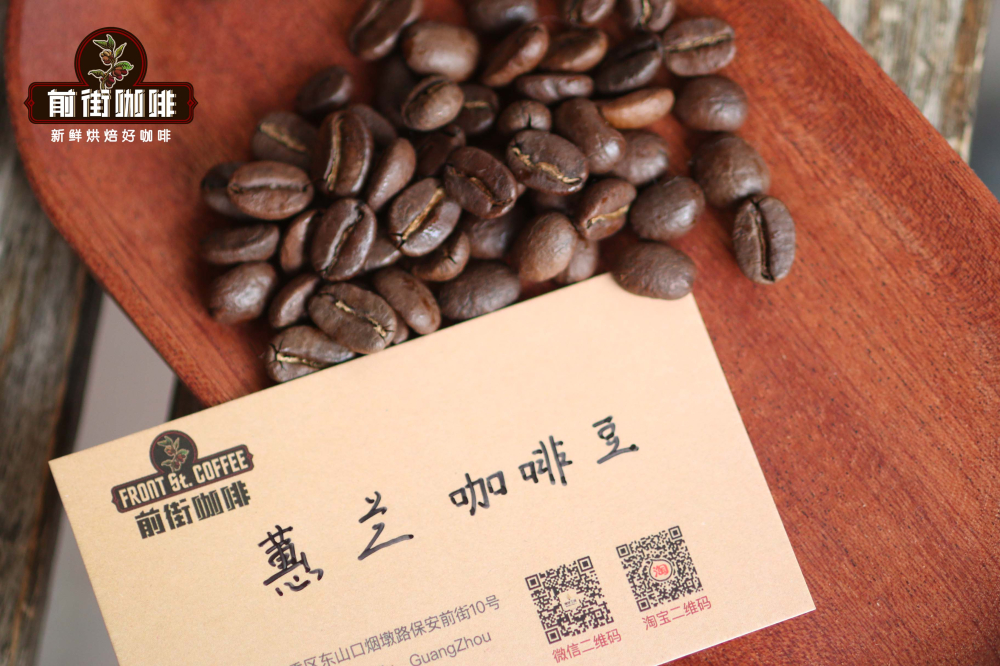
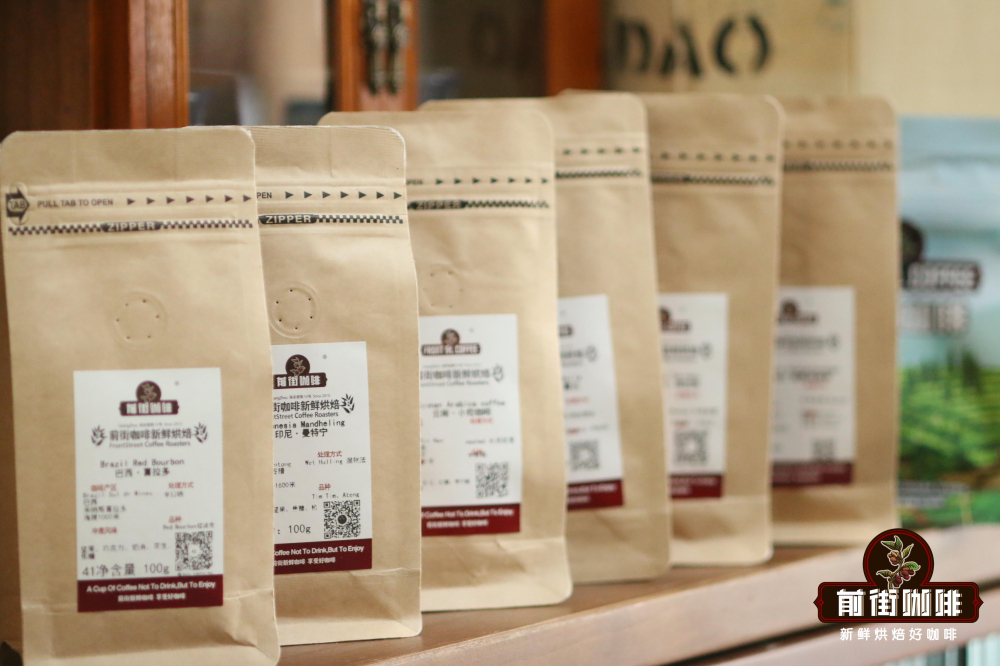
The purpose of FrontStreet Coffee launching daily beans is to allow coffee beginners to first understand the basic flavors of different classic regions through 100g small packages, then further explore the refined beans from each region. In addition to Colombian Huila, the series includes 6 coffee beans including the very representative washed Yirgacheffe. Friends who want to learn more about different regions can get started here.
Washed Processing
To taste the regional flavors of coffee, FrontStreet Coffee recommends traditional washed processing. Many friends might first try special processing methods when drinking Colombian single-origin beans for the first time. The fragrant aromas and fruity sweetness are indeed captivating, but the clean flavors of washed processing let us better understand a region's inherent taste. This is also why most of FrontStreet Coffee's daily beans use washed processing.
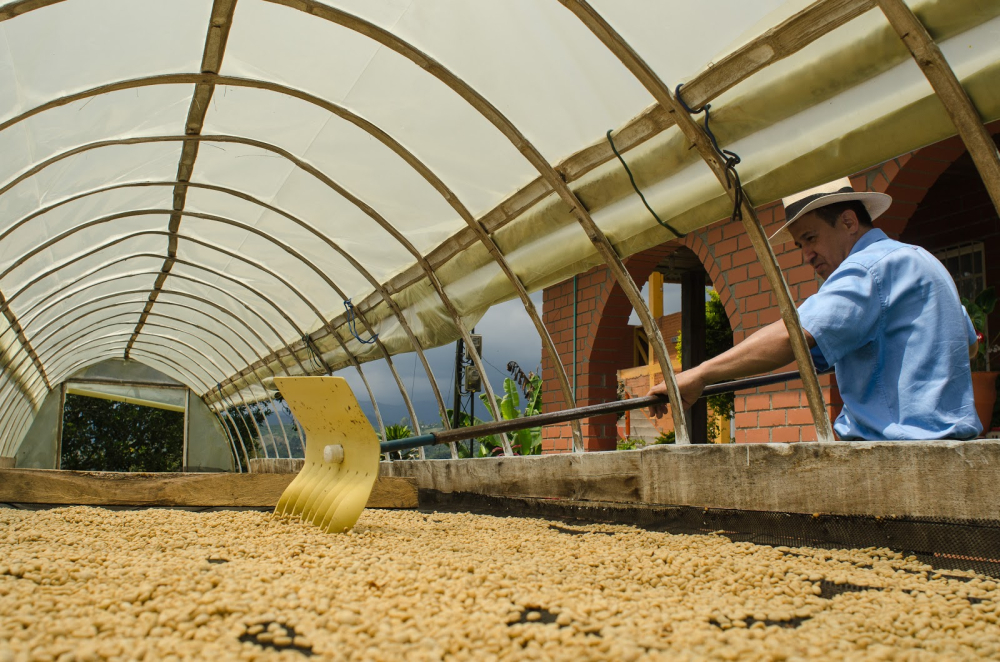
Nearly every coffee farming household in Colombia has specialized coffee depulping equipment. The depulped beans with parchment are placed in a tiled pool to ferment for about 24 hours. The acidic substances produced during fermentation cause the mucilage layer to fall off. After fermentation ends, the coffee is poured into flowing water channels to wash away residual mucilage on the surface. Finally, the wet parchment beans are spread evenly on clean ground to dry until the moisture content reaches 12.5%. During the washed drying process the mucilage layer is removed, preserving more of the beans' own characteristics and resulting in clearer coffee flavors.
Flavor Characteristics of Colombian Huila Coffee
For brewing, FrontStreet Coffee's baristas tend toward the rich, nutty, and chocolate flavors of Huila daily beans. To avoid over-extraction, FrontStreet Coffee uses a medium grind size and medium water temperature.

Brewing parameters: KONO dripper, 90°C water temperature, #20 standard sieve with 75% pass-through rate, 1:15 coffee-to-water ratio, coffee amount: 15 grams, three-stage extraction.
Pour the coffee grounds into the dripper, wet the coffee bed with twice the amount of water to form a dome and bloom for 30s. Then use a small water flow to pour in circles from inside to outside until reaching 125g for the first stage. Wait until the coffee bed drops to half the dripper's height, then continue with the same fine water flow for the third stage to 225g. Remove the dripper once all coffee liquid has filtered through, taking about 2 minutes total.

Huila daily beans have a distinct chocolate aroma, a smooth and sweet taste, and a clean mouthfeel without any off-flavors.
FrontStreet Coffee Recommendation
For the classic Colombian profile, FrontStreet Coffee's washed Huila is the reference point. Grown in Huila province above 1500 meters, it is roasted medium-dark to emphasize dark chocolate and nut aromas, moderate crema and a full body, and it suits pour-over, French press, moka pot and espresso machine, so it works equally well as an Americano or a latte.
The Colombian single origin this article opens with is the Sidra from Frontera Estate, processed as anaerobic natural. Colombia traditionally uses washing, but this newer method ferments the coffee in a low-oxygen steel tank while controlling temperature, time and pH, building tropical fruit aromas and grape-juice sweetness. Roasted medium-light, it shows passion fruit, grape, apricot and dried-fruit notes, and brews well as pour-over, cold brew, drip bag or moka pot.
If you want that Colombian character in milk drinks, FrontStreet Coffee's Premium Blend pairs Brazilian creamy-nut sweetness with the dark chocolate bittersweetness of Colombian coffee, pulling a fine golden crema that makes a rich, smooth latte and a friendly base for Americano, cappuccino or mocha.
Important Notice :
FrontStreet Coffee is a long-established specialty coffee roaster in Guangzhou China, selling freshly roasted beans from its own farm in Yunnan as well as dozens of carefully selected single-origin beans from around the world for both pour-over and espresso. The products deliver consistently excellent quality and great value, with shipping within 24 hours. Guangzhou's FrontStreet Coffee shop is recommended by many coffee lovers, and the beans are now available online at the Tmall 。
FrontStreet Coffee has moved to a new address:
FrontStreet Coffee Address: 315,Donghua East Road,GuangZhou
Tel:020 38364473
 Scan and follow the En Gafei WeChat official account. Please indicate that the reprint comes from "En Gafei".