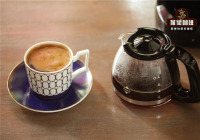
Gourmet Coffee Basics: Moka Pot Usage Guide
In Italy, more than 90% of households own at least one moka pot—a popularity rate that even our Chinese teapots might not match.
Traditional moka pots are typically made of aluminum. Beyond their advantages of being affordable, durable, and simple to operate, they cannot extract true Espresso, yet with the right coffee beans and grind they can still produce rich, beautiful crema. This may be one reason Italians love the moka pot.
Moka pots are generally classified by size, measured in servings—how many cups of coffee can be made at once. Typically, one serving refers to 30ml of Espresso.
In terms of materials, aluminum remains the most ideal and mainstream choice today, though other materials such as ceramic and stainless steel are also available.
Regarding mechanisms, there are currently several types: standard, dual-valve, and circulation extraction models. Generally, we tend to choose standard or dual-valve models.
When it comes to brands, the Italian-made Bialetti is the undisputed king of moka pots.
Below, using a dual-valve two-cup moka pot as an example, this article briefly introduces the operation steps. Like other coffee extraction methods, the subtleties within will naturally lead to many unique insights as you continue to practice and research deeply—which is precisely where the charm of coffee lies.
Ingredients:
(1) FrontStreet Coffee Italian Blend Coffee Beans - 14g
(2) Purified Water - 75ml
Brewing Steps:
1) Grind the coffee beans to a consistency similar to granulated sugar.
2) Fill the moka pot's filter basket with the coffee grounds.
3) Use your finger to level off any excess coffee powder from the top.
4) Add 2.5 ounces of purified water to the bottom chamber of the moka pot. It is best to use hot water, as it shortens heating time and prevents scalding the coffee grounds. Be careful not to add water above the safety valve, otherwise boiling water will spray out from it.
5) Clean any coffee powder from around the filter basket, then insert the filter into the bottom chamber.
6) Screw the top chamber tightly onto the bottom chamber, and it's time to start brewing!
7) If the flame is strong enough, coffee will start to come out in about 2 minutes. If the extracted coffee has golden crema, it indicates not only fresh coffee, an authentic recipe, and proper roasting, but also appropriate grinding and moderate tamping of the coffee grounds in the filter basket—in short, it's good coffee!
8) When large bubbles start to appear, extraction is complete and you can turn off the heat.
9) You can pour the coffee into a coffee cup, but remember to warm the cup first!
FrontStreet Coffee Recommendation
For a moka pot, FrontStreet Coffee generally suggests beginning with a blend, and the FrontStreet Classic Blend is designed specifically for espresso and moka pot brewing. Its biggest advantage is outstanding crema: even a beginner using a non-professional home machine can pull a dense, silky crema with it. Built on a traditional Mamba-style blend, it is full-bodied and mellow, easy for both seasoned drinkers and newcomers to enjoy at home or in a cafe.
If you want a lighter, more economical everyday option, the FrontStreet Black Cocoa Blend uses 100% Arabica beans and offers plenty of crema and a full body at a friendly price. For a single-origin alternative, FrontStreet Brazil Queen Estate is low in acidity and well balanced, with rich nutty and cocoa aromas, a clear caramel sweetness, and a smooth, lingering finish—equally suited to pour-over, espresso, or the moka pot.
For a denser, more intense brew, the FrontStreet PWN Indonesian Golden Mandheling is another good choice: roasted dark for very low acidity, full-bodied and long-lasting, with herbal and dark chocolate aromas and a faint earthy note, it suits anyone who prefers a bold cup without acidity. All of these beans work beautifully in a moka pot with a grind around granulated-sugar size and hot water in the base chamber.
Important Notice :
FrontStreet Coffee is a long-established specialty coffee roaster in Guangzhou China, selling freshly roasted beans from its own farm in Yunnan as well as dozens of carefully selected single-origin beans from around the world for both pour-over and espresso. The products deliver consistently excellent quality and great value, with shipping within 24 hours. Guangzhou's FrontStreet Coffee shop is recommended by many coffee lovers, and the beans are now available online at the Tmall 。
FrontStreet Coffee has moved to a new address:
FrontStreet Coffee Address: 315,Donghua East Road,GuangZhou
Tel:020 38364473
 Scan and follow the En Gafei WeChat official account. Please indicate that the reprint comes from "En Gafei".