Introduction to Specialty Coffee Essentials: Flavor Profile and Brewing Tutorial for Premium Espresso
At FrontStreet Coffee, the sheer variety can be overwhelming, and anyone with decision paralysis will find it hard to settle on just one coffee. There are simply so many types to choose from that committing to a single cup is difficult, since so many factors come into play. FrontStreet Coffee's espresso is made from high-quality single-origin blends. Have you ever heard of specialty espresso?
Understanding Specialty Coffee
Specialty coffee is made from beans grown in exceptionally favorable geographical environments that yield outstanding flavor characteristics. Depending on their particular soil and climate, these coffees develop remarkable flavors. They undergo strict selection and grading, and only beans with a hard texture, a rich taste, and excellent flavor qualify as specialty coffee beans. Specialty espresso is made from specialty coffee beans, either as a blended espresso or as a single-origin espresso.
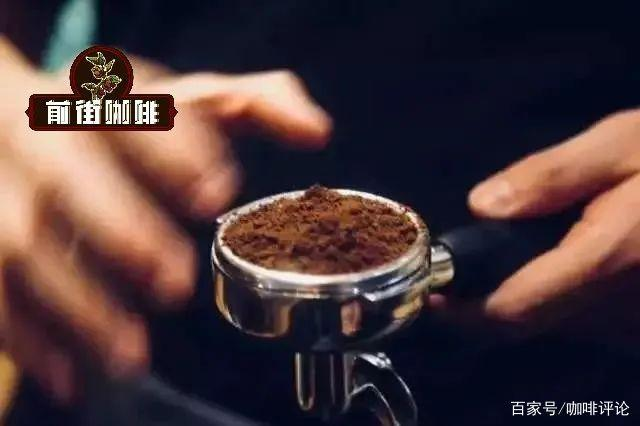
FrontStreet Coffee Espresso
Espresso Blends
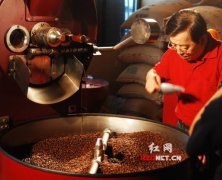
Espresso blend roasting generally splits into two camps: one prefers to blend before roasting, while the other roasts beans from each origin separately before blending. The resulting flavors differ, of course.
Let's begin with the blend-then-roast method. Its advantage is more complete mixing, because roasting one batch takes about 10-25 minutes whether you use a drum roaster or a hot-air agitation method. Over such a long roast, all the coffee varieties should be thoroughly combined. When you grind and brew, this ensures that every bean type is represented in each dose of grounds, producing a more consistent flavor and texture. The bean color is also more uniform and attractive, and this one-step roasting method is convenient regardless of batch size.
Now for the advantages of roasting-then-blending: this method lets you control each origin's characteristics - its hardness, moisture content, and the aromas released at different roast levels, such as nutty, floral, cocoa, fruity, acidic, and bitter notes. By roasting each origin separately, you can highlight those characteristics. A skilled roaster must master each bean's character to fully express the unique flavors of this approach, which produces richer layers of complexity than the method above.
Single Origin Espresso (SOE)
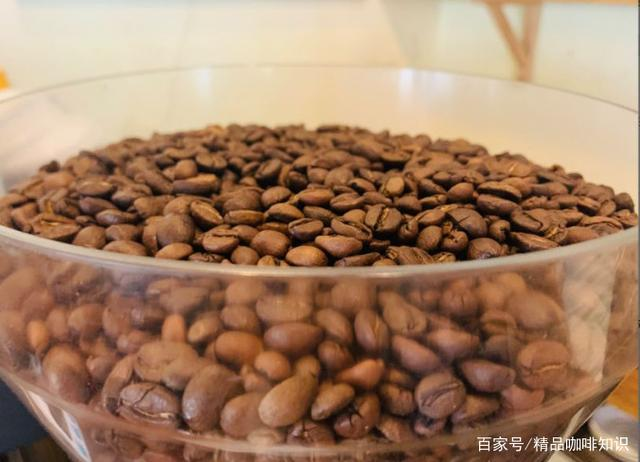
SOE stands for "Single Origin Espresso." The concept exists in contrast to blended espresso.
Although SOE means single-origin espresso, it does not necessarily mean specialty coffee. If you choose single-origin beans with easily identifiable flavors for your SOE, you can create an espresso with a unique and distinctive character.
Take Yirgacheffe's citrus notes or Kenya's tomato-like notes - when espresso is extracted under high pressure in an espresso machine, those flavors are amplified, so they come through far more prominently than in pour-over brewing.
Using single-origin beans for espresso is really about letting espresso and milk-coffee lovers appreciate the inherent flavors of a single origin. If a single-origin bean lacks distinctiveness, most people will not detect anything unique in it.
Blended beans, by contrast, can create a balanced espresso with a strong body.
Demonstration: Making Specialty Espresso
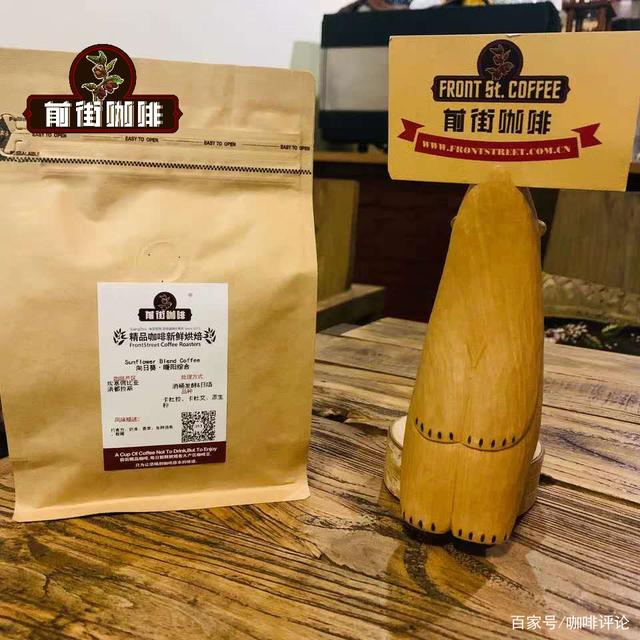
FrontStreet Coffee Warm Sun Blend Espresso Beans
Varieties: Caturra, Catuai, Pacas, Heirloom
Flavors: Chocolate, cream, vanilla, fermented wine aroma, citrus
When people think of blend beans, they typically associate them with espresso making. Blends mainly select two or more coffee beans and combine them either before or after roasting. The purpose of blending is to achieve pleasant, rich aromas, distinctive flavors, enhanced balance and mellow richness, and a thick, substantial texture, letting the beans' strengths and weaknesses complement one another to reach balance.
In this warm winter-sun season, I wanted to create a blend suitable for both pour-over and espresso. In terms of taste, I wanted this blend to have an immediately pleasing aroma, a substantial mouthfeel with gentle fruit acidity, and medium-high sweetness in the finish.
Blending Philosophy
Ethiopian regional beans come in thousands of varieties whose flavors are worth exploring. Washed beans offer bright fruit acidity and a clean mouthfeel, while natural-processed beans have richer tropical fruit notes with a complex, substantial texture. When I was unsure where to start, I recalled that previous barrel-fermented beans and natural-processed Yirgacheffe beans had both been used for SOE with excellent extraction results - aromas with fruit acidity, a balanced yet non-monotonous mouthfeel, and ample sweetness.
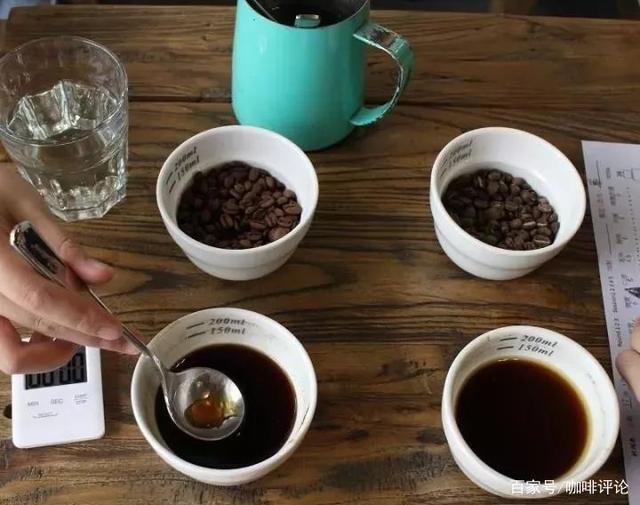
Now let's use it to make an espresso and a latte and see how different the results are~

Espresso
Parameters
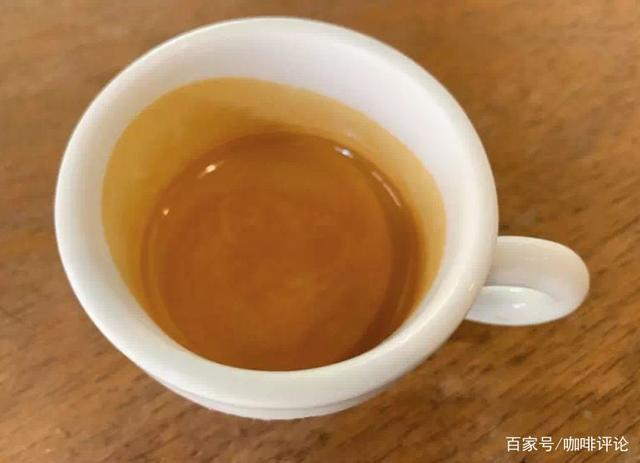
Grind: Feima 600N grinder #1.6, Dose: 14g, Yield: 20g espresso, Ratio: 1:1.4, Time: 26s
Espresso Flavor
Smooth mouthfeel, medium body, with distinct fruit acidity on entry accompanied by subtle berry aromas, whiskey notes, rich chocolate flavors, and a prominent sweet aftertaste.
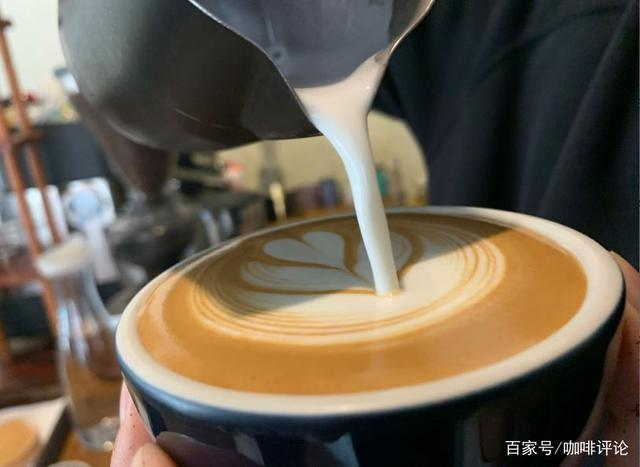
Latte
Parameters
Grind: Feima 600N grinder #1.6, Dose: 20g, Yield: 40g espresso, Time: 28s, Ratio: 1:2
Latte Flavor
With milk added, the espresso shows distinct liqueur-chocolate flavors, ample sweetness, and a long-lasting finish.
Espresso Making Tips
1. Espresso beans that are too fresh release gas vigorously, which easily causes channeling and results in unstable espresso. FrontStreet Coffee therefore recommends letting the beans rest for about ten days before use.
2. Adjust the grind settings, preferably in fine increments of 0.1. Adjust your grind based on the extraction result. Finer particles lead to longer extraction times and burnt, bitter flavors, easily causing over-extraction - so adjust coarser. Conversely, coarser particles lead to shorter extraction times and sour flavors, easily causing under-extraction - so adjust finer.
3. Increase or decrease the dose (depending on basket capacity).
Adjust the water-to-coffee ratio by increasing or decreasing the dose to reach the espresso concentration you want. Adjust in 0.5g increments. More dose means a smaller water-to-coffee ratio and a richer, thicker coffee. Less dose means a larger ratio and a thinner, lighter coffee. Make small adjustments to find the appropriate concentration, and ultimately the optimal espresso extraction parameters.
FrontStreet Coffee Recommendation
FrontStreet Coffee's espresso line is built to cover every kind of drinker. For the traditional Americano and latte, FrontStreet Classic Blend and FrontStreet Commercial Blend start from an old-school Italian recipe with a little Robusta added, so extraction yields buttery, nutty, spicy, dark-chocolate, and toasted-bread aromas along with a wild, full body and a burst of golden crema that makes latte art easy. If you love the almond, walnut, and nutty character of Italian espresso, FrontStreet Specialty Blend and FrontStreet Black Cocoa Blend lead with a large proportion of Brazilian beans, giving a comforting bittersweet note and creamy peanut aroma with an exceptionally smooth entry; the Specialty Blend carries Colombian nut, chocolate, and caramel notes with a gentle acidity, while FrontStreet Coffee's Black Cocoa Blend adds the ripe-plum acidity of Yunnan beans, releases a creamy-chocolate aroma when ground, and works for lattes, Americanos, and all sorts of signature drinks. For a single-origin approach, FrontStreet Natural Huakui SOE is an Ethiopian Guji Hambela coffee grown as high as 2,300 meters and sun-dried; medium-roasted, it keeps elegant floral and fruit notes while lightly caramelizing, so a Huakui SOE Americano or latte shows cream, cocoa, berries, light florals, and black tea. FrontStreet Costa Rica Blackberry SOE is a honey-processed single origin whose medium roast makes a bright, refreshing Americano and, with milk, a latte of cranberry-cookie, raisin, and nut flavors. FrontStreet Brazil Queen Estate SOE, a Yellow Bourbon from Brazil, is gentle and low in acid; medium-dark roasted, it delivers butter cookie, macadamia, and toasted bread in the cup.
Important Notice :
FrontStreet Coffee is a long-established specialty coffee roaster in Guangzhou China, selling freshly roasted beans from its own farm in Yunnan as well as dozens of carefully selected single-origin beans from around the world for both pour-over and espresso. The products deliver consistently excellent quality and great value, with shipping within 24 hours. Guangzhou's FrontStreet Coffee shop is recommended by many coffee lovers, and the beans are now available online at the Tmall 。
FrontStreet Coffee has moved to a new address:
FrontStreet Coffee Address: 315,Donghua East Road,GuangZhou
Tel:020 38364473
 Scan and follow the En Gafei WeChat official account. Please indicate that the reprint comes from "En Gafei".