Brazil | Introduction to Coffee Bean Selection from Entry-Level Coffee Growing Regions
Brazil
Brazil—officially the Federative Republic of Brazil—borders ten countries including Uruguay, Argentina, Peru, Colombia, and Bolivia. With a land area of 8.5149 million square kilometers, it is the largest country in South America and the fifth-largest in the world, divided into 26 states and one federal district. Advanced agriculture and a solid industrial base have made it the world's largest coffee producer.
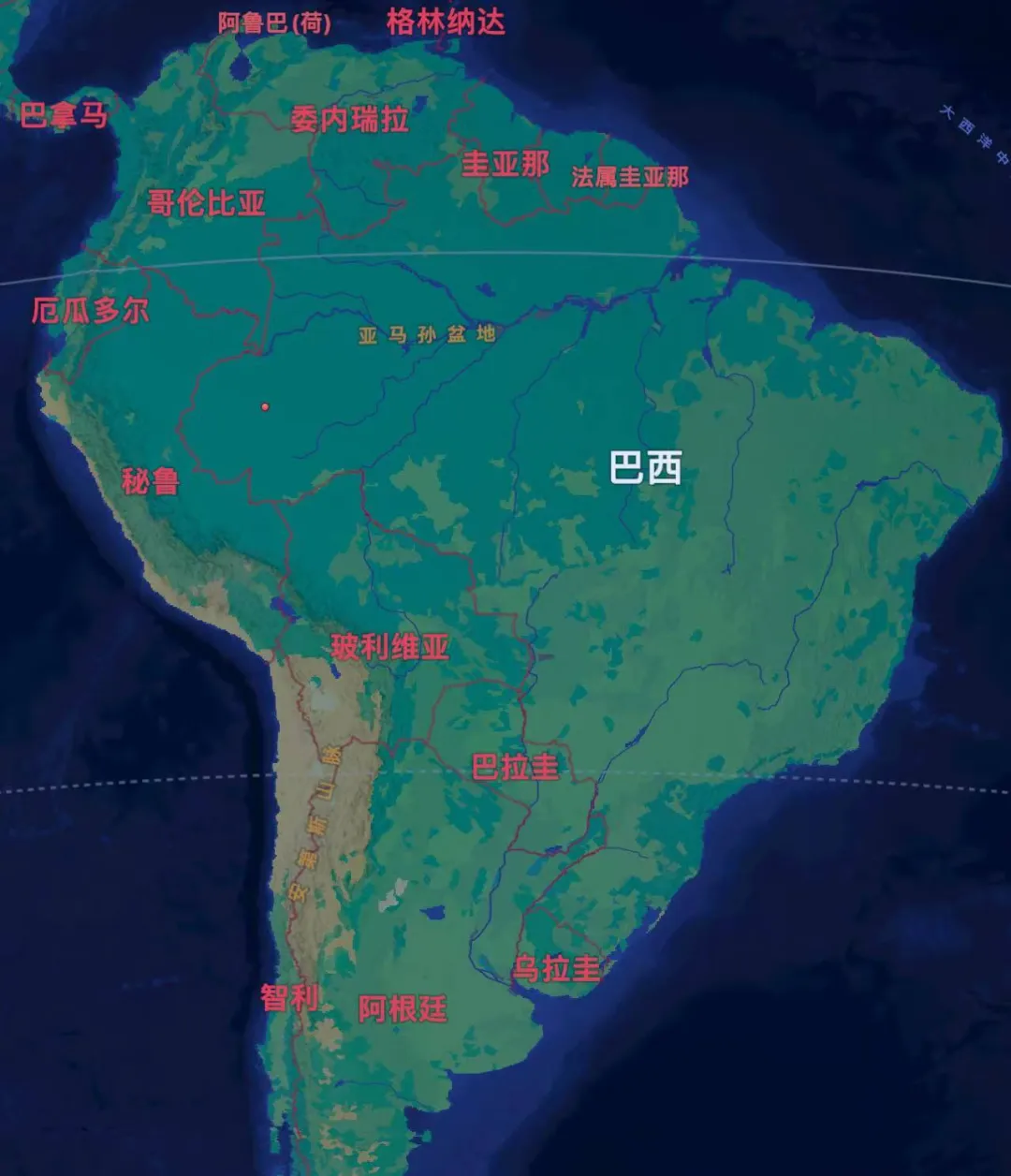
The Brazilian flag is a green field with a yellow diamond at its center; inside the diamond sits a dark blue celestial globe wrapped in a white ribbon reading "Order and Progress" in Portuguese. White five-pointed stars on the globe represent the country's 26 administrative regions, positioned as they appeared in the sky over Rio de Janeiro at 8:50 PM on November 15, 1889, when the new government was established (Rio de Janeiro was Brazil's original capital before the seat moved to Brasília). Green and yellow are the national colors—green for the forests, yellow for mineral wealth.
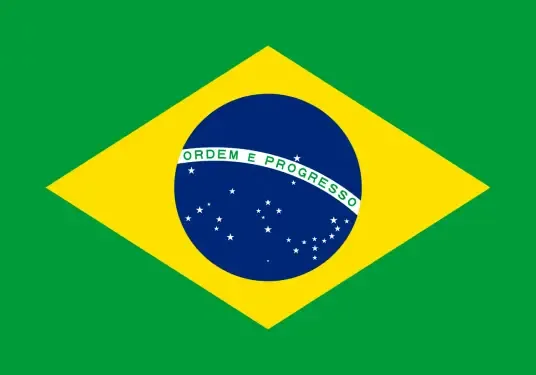
Brazil occupies eastern South America, touching many neighbors and the South Atlantic to the east. The terrain splits into two great regions: the Brazilian Plateau, above 500 meters and concentrated in the center and south, and plains below 200 meters, mainly across the northern and western Amazon basin. The plateau covers 60% of the country and carries three major river systems: the Amazon, the Paraná, and the São Francisco.
Most of Brazil is tropical. The north has a tropical rainforest climate, the center a tropical savanna climate, and the south a humid subtropical monsoon climate. The Amazon Plain averages 25-28°C year-round, while the south averages 16-19°C.
Coffee Growing Regions
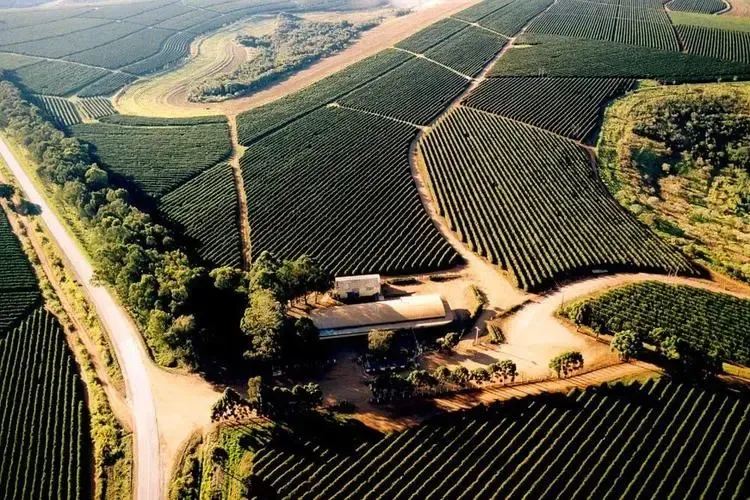
Of Brazil's 26 states, 17 grow coffee. Four of them—Paraná, São Paulo, Minas Gerais, and Espírito Santo—account for 90% of national production. Arabica makes up 80% of Brazil's total output, with Robusta at 20%. The main cultivated varieties are Bourbon, Catuaí, Typica, and Mundo Novo, harvested from May to September.
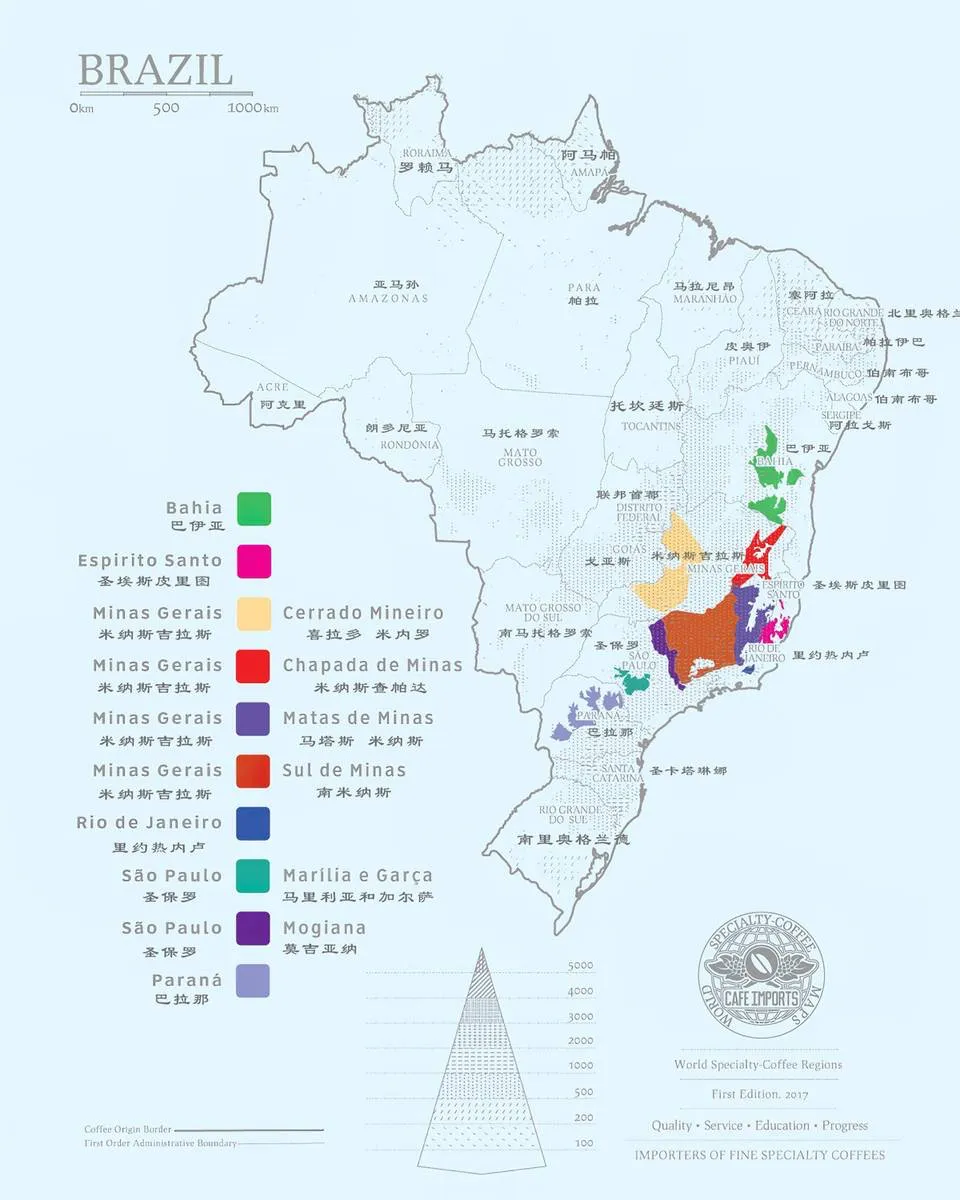
Paraná: Some call this the southernmost coffee-growing region in the world. Though the state occupies only 2.5% of Brazil's territory, it produces nearly 25% of the country's agricultural output. It lacks high ground, however—its highest elevation is just 950 meters—so high-quality coffee is limited.
São Paulo: Home to Brazil's celebrated Mogiana region, at altitudes of 900 to 1,100 meters. The terrain is uneven and the red sandy soil is mineral-rich—ideal for coffee. FrontStreet Coffee offers a Queen Estate coffee from Mogiana: Yellow Bourbon beans processed by the pulped natural method. Brewed on a KONO filter at a 1:15 ratio, it shows sugarcane sweetness, black tea, nuts, and chocolate, with a bright, smooth, delicate texture.
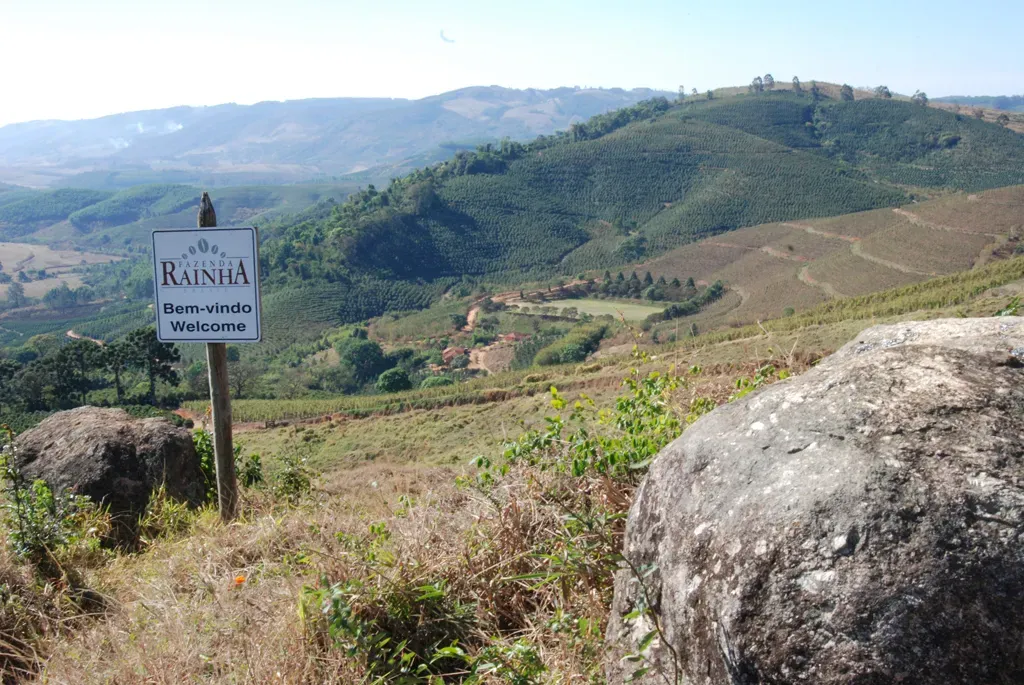
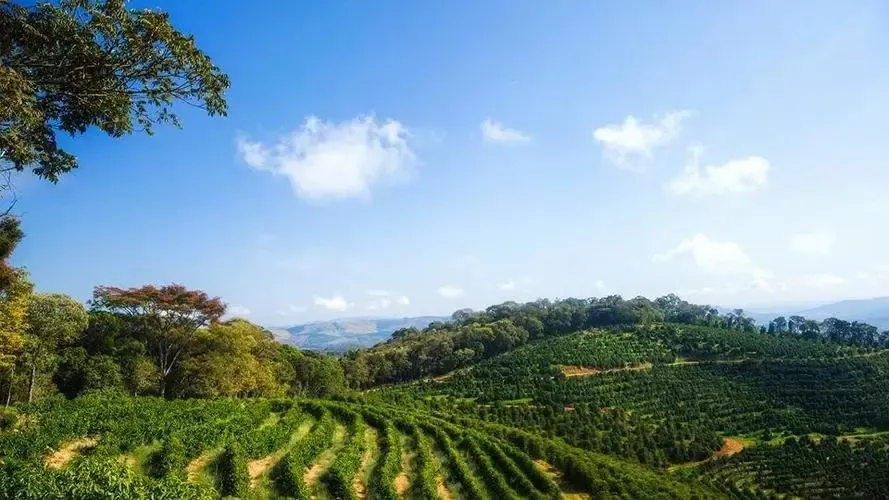
Minas Gerais: In southeastern Brazil, this state holds some of the country's highest mountains and famous sub-regions such as Cerrado and South Minas. Its plantations are large, so mechanical cultivation and harvesting dominate. The state produces 30% of Brazil's Arabica, at altitudes of 700 to 1,350 meters.
Espírito Santo: A relatively small coffee region compared with the others. The capital, Victoria, is the main export port. Here 80% of the coffee is Robusta; only farmers in the southern part tend to grow Arabica. Altitudes range from 900 to 1,200 meters.
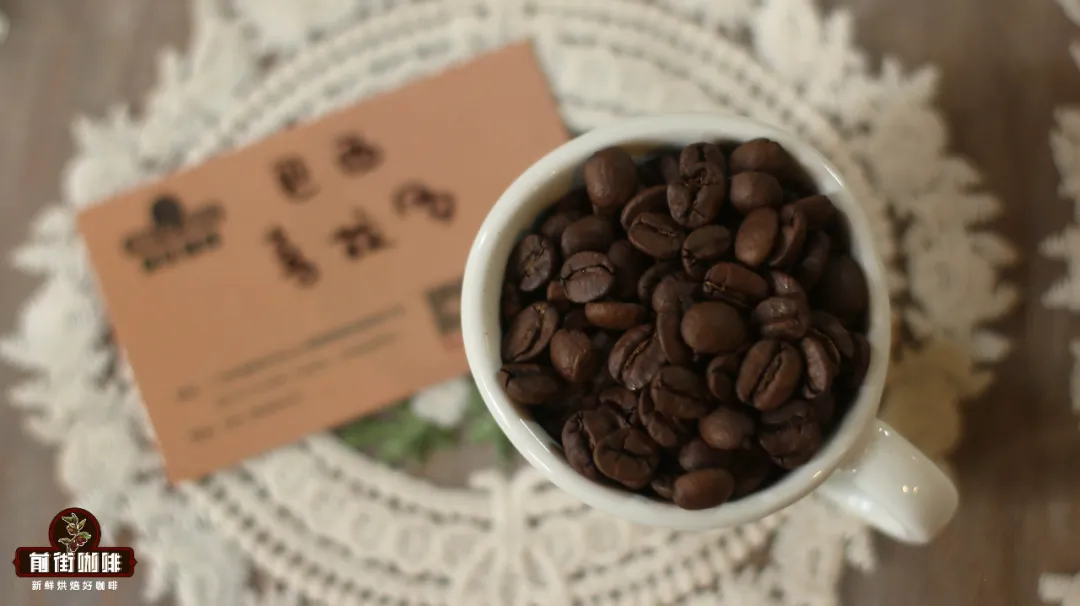
FrontStreet Coffee Brazil Introductory Selection Cerrado Red Bourbon Coffee Beans
Region: Cerrado
Altitude: 700-1200m
Variety: Red Bourbon
Processing: Pulped Natural
Flavor: Nuts, Dark Chocolate, Cream, Peanut, Caramel
This introductory selection from FrontStreet Coffee is pulped-natural processed and dark roasted. Brewed on a KONO filter at a 1:15 ratio with 88°C water, the cup offers nuts, peanut, and dark chocolate with a creamy, rich texture, high sweetness, and overall balance.
FrontStreet Coffee Recommendation
If you want a first taste of Brazil, the FrontStreet pulped-natural Cerrado lot is a genuinely classic Brazilian single origin: medium roasted, it pours with rich aromas of cream and peanut, toasted bread, caramel, and hazelnut, rounding out with a soft mouthfeel, no acidity, and only a whisper of bitterness—happy in a pour-over, a moka pot, an espresso machine as a SOE, a siphon, or a French press. For something more distinctive, the FrontStreet Brazil Queen Estate Yellow Bourbon comes from Mogiana, near South Minas, where fertile red volcanic soils feed the fruit and build full aromatics; its rare Yellow Bourbon variety—born of a mutation from Red Bourbon—shows cleaner fruit character, and through pour-over, moka pot, or home machine it reveals the sugarcane sweetness no other origin offers, alongside fruit and chocolate notes. And since Brazil's low acidity, balance, and friendly price make it a cornerstone of espresso blends, the crema-rich FrontStreet Classic Blend, the nutty FrontStreet Specialty Blend, and the balanced FrontStreet Black Cocoa Blend all carry Brazilian beans, which supply chocolate and cream aromas, gentle sweet-sour-bitter structure, and the stability that steady extraction depends on.
Important Notice :
FrontStreet Coffee is a long-established specialty coffee roaster in Guangzhou China, selling freshly roasted beans from its own farm in Yunnan as well as dozens of carefully selected single-origin beans from around the world for both pour-over and espresso. The products deliver consistently excellent quality and great value, with shipping within 24 hours. Guangzhou's FrontStreet Coffee shop is recommended by many coffee lovers, and the beans are now available online at the Tmall 。
FrontStreet Coffee has moved to a new address:
FrontStreet Coffee Address: 315,Donghua East Road,GuangZhou
Tel:020 38364473
 Scan and follow the En Gafei WeChat official account. Please indicate that the reprint comes from "En Gafei".