
How to Properly Integrate Latte Art? What Details Should Be Noted When Pouring Latte? What Are the Key Points for Creating Patterns in Espresso?
If you make latte art often, you have probably run into this frustrating problem: the pattern itself looks great, but white streaks around it spoil the overall look.
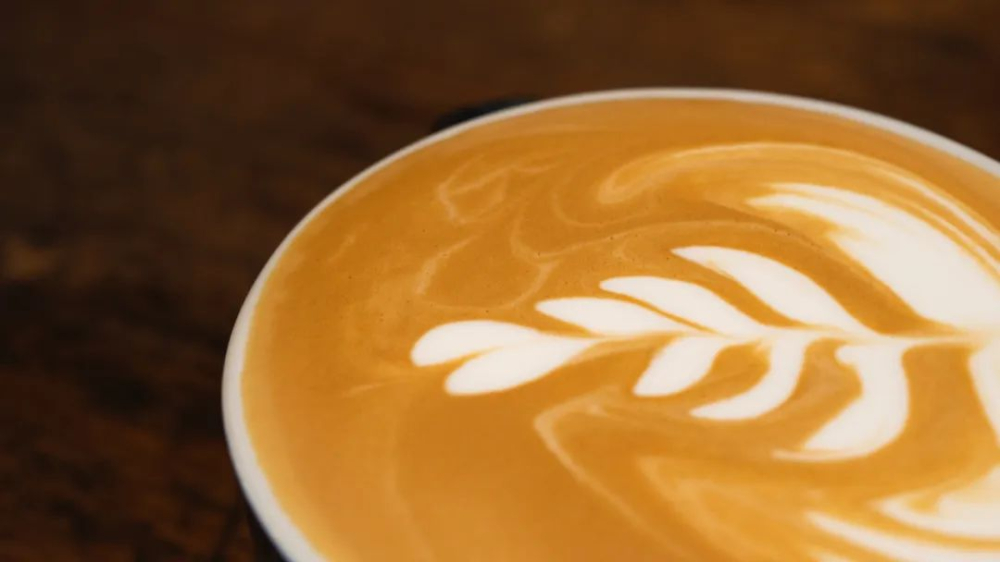
Most of you probably already know the cause - improper integration, which leaves the surface unclean. A pattern that could have been beautiful loses its charm against a messy backdrop. Today FrontStreet Coffee explains in detail exactly how integration should be done. Get your notebooks ready: FrontStreet Coffee's mini-class is starting.
What is Integration During Latte Art?
"Integration" is a crucial step in making espresso-based milk coffee. It means stirring and blending the poured steamed milk with the espresso through gentle movements.
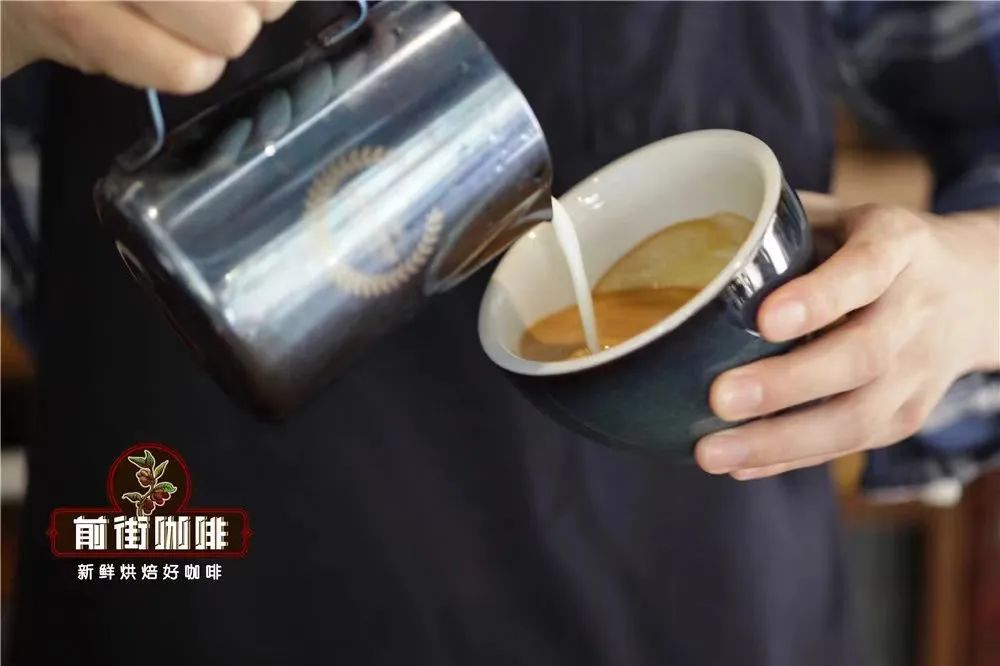
Simple as it sounds, there is a fair amount of technique hidden in the process. The cleanliness of the pattern and the uniformity of the coffee both depend on whether this step is done correctly. Done wrong, not only will the pattern look poor, but the taste will be inconsistent - to put it dramatically, one sip of coffee, one sip of milk. Let us follow FrontStreet Coffee through the key points of integration.
1. Milk Pouring Height
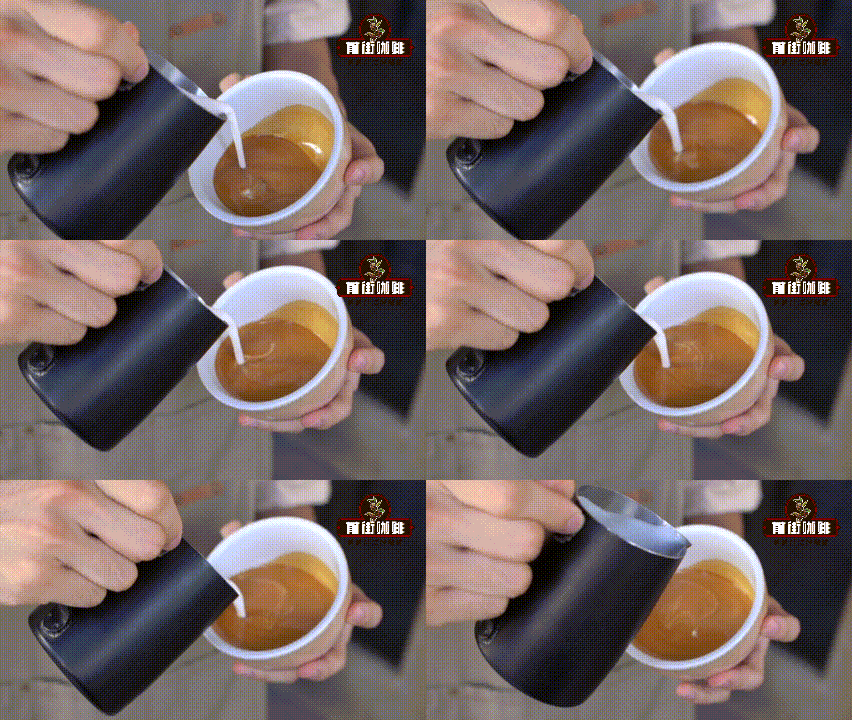
When creating latte art, we keep the pouring height as low as possible, close to the liquid surface, so the milk foam floats on the crema and forms the pattern. Integration is different. It needs more impact force to push the milk foam down into the espresso, preventing foam from appearing on the surface and keeping our "canvas" clean. Of course, if the pouring height is too high, bubbles can form from the excessive impact. So during integration we need to find the right height to avoid a messy background.
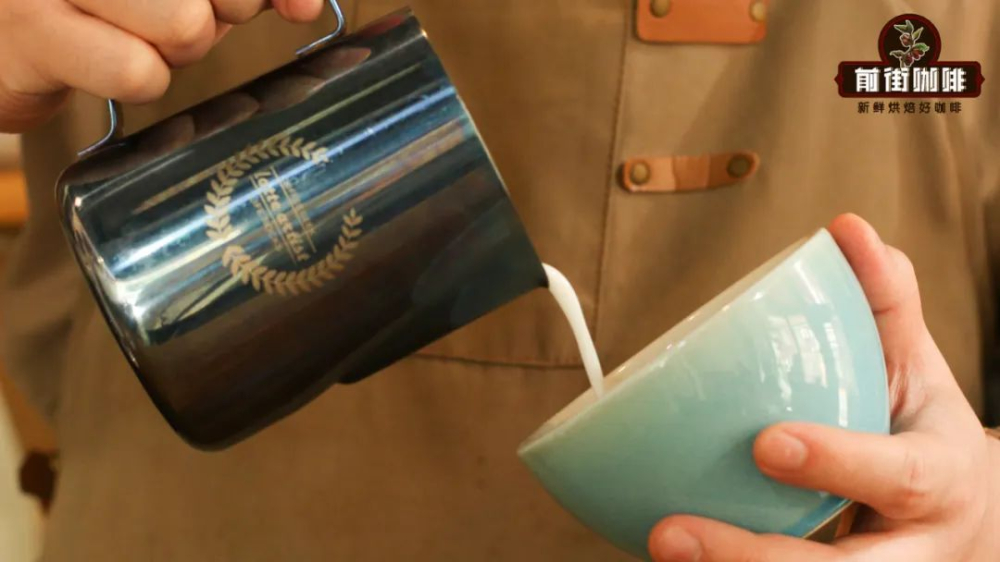
FrontStreet Coffee recommends controlling the integration height at roughly 5-8 centimeters - the distance from the pitcher spout to the coffee surface, about the height of a fist. Fine-tune it to your own situation. The impact at this height is just right: not so low that it makes a messy background, and not so high that it creates bubbles.
2. Amount of Milk Flow
As with pouring water in pour-over, the amount of milk flow during integration is critical. If the flow is too small, only the area where the milk lands gets mixed; the milk cannot blend with the crema and coffee elsewhere, which is what we call uneven integration. If the flow is too large, the milk bounces back from the excessive impact, scattering the surface crema and coffee into a mess. So the milk flow during integration should be moderate - slightly less than what you would use for the actual pattern.
3. Milk Pouring Position
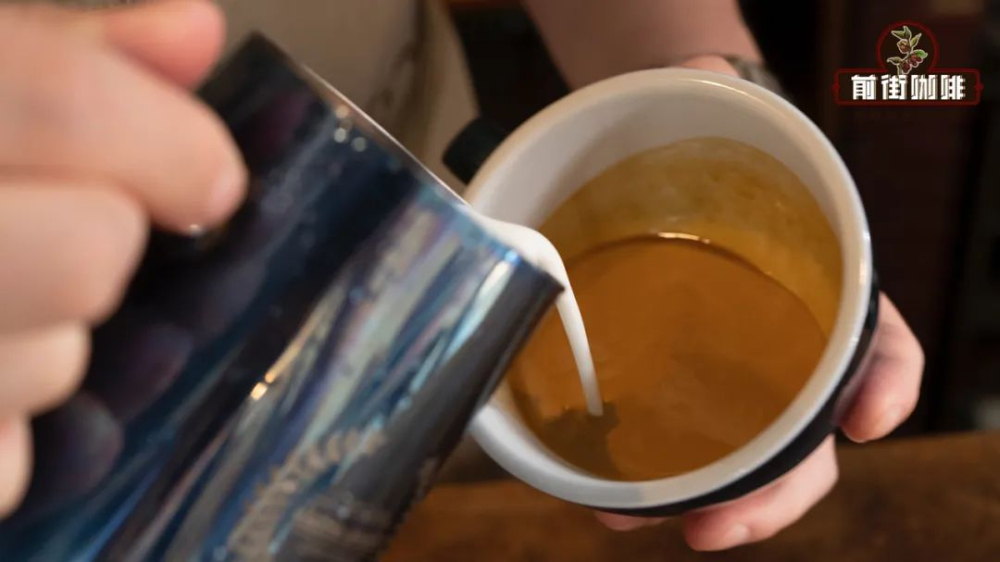
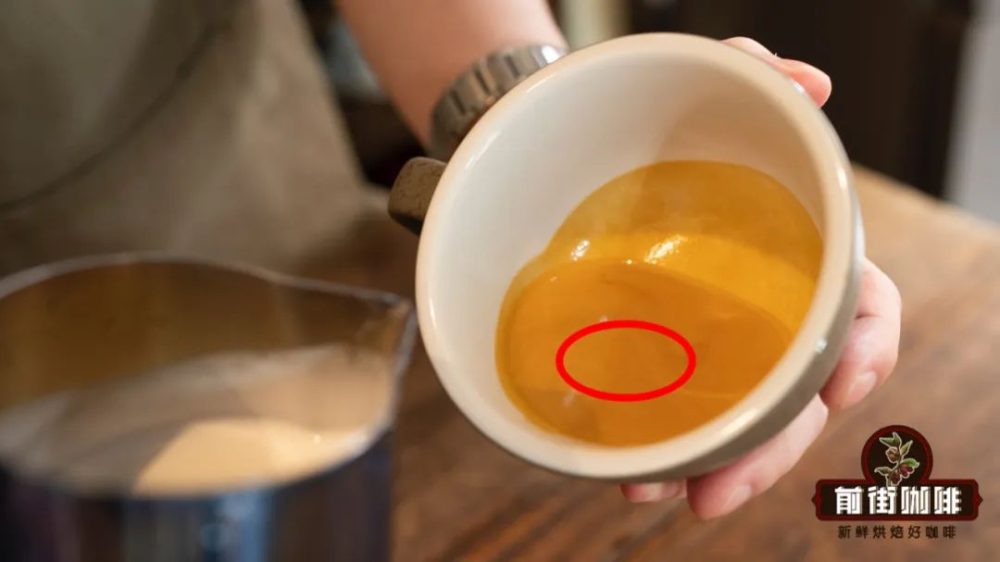
We tilt the cup so that a small amount of espresso has an appropriate depth, and the poured milk will not "bounce" up off the bottom. But not every area has the same depth, so finding the right spot to pour matters. After tilting, the center of the coffee is usually the deepest, so we simply pour at the center point. Note that when pouring, we use a circular motion for stirring, so the pouring range needs to widen slightly, still centered on the middle.
4. Quality of Foam and Crema
Both crema and milk foam are essentially bubbles that gradually dissipate. If we wait too long before integrating and drawing the pattern, they lose their bubbles, clump together, and become less fluid, which hurts the quality of integration. The best approach, as FrontStreet Coffee has always said, is to work out the time needed for espresso extraction and milk steaming separately, then manage the difference so both finish together. For example, if extraction takes 30 seconds and steaming takes 20 seconds, start steaming at the 15-second mark of extraction. That way both finish around the same time, and you can integrate while each is at its best.
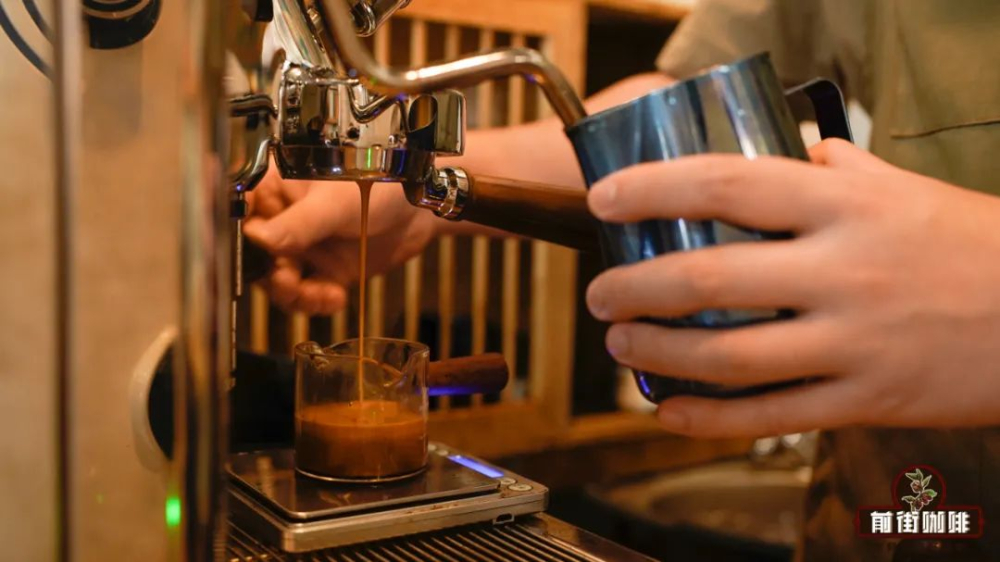
These four points demand smooth, continuous operation, so if you are not yet proficient, practice integration with water first. Once you have the technique down, move on to real practice with milk and coffee. And if you happen to leave a little foam on the surface at the start of integration, that is fine - do as FrontStreet Coffee does and let the following milk flow wash it away.
- END -
FrontStreet Coffee Recommendation
Good integration starts with good crema and stable extraction, and FrontStreet Classic Blend is built for exactly that. Designed for espresso and moka pot, it draws on the classic Mamba recipe - Mandheling and Brazil - and adds a small amount of Robusta for extra aroma and crema. Extracting it releases clear butter, toasted bread, and caramel-biscuit aromas; the flavor is strong and the body solid, with fine, delicate crema and very stable extraction. A must-have home coffee for beginners.
If you love a nutty, aromatic espresso, choose FrontStreet Premium Blend. Also a medium-dark espresso blend, it pairs washed Colombian with semi-dry Brazilian beans for nuts, dark chocolate, and caramel. Whether you make an Americano or a latte or flat white, it brings out creamy, almond, and cocoa aromas, and its crema is every bit the equal of a cafe's - more than enough for practicing latte art, which is why it suits anyone dreaming of opening a shop or learning at home.
And for those getting ready to open a cafe, there is FrontStreet Commercial Blend. Built on FrontStreet Coffee's Premium Blend with a little extra Robusta, this traditional espresso recipe adds deeper brown, finer crema and a heavier body. Americano, latte, or mocha, it carries nuts, cocoa, and caramel throughout and makes latte art effortless - the kind of workhorse that keeps both flavor and cost under control.
Important Notice :
FrontStreet Coffee is a long-established specialty coffee roaster in Guangzhou China, selling freshly roasted beans from its own farm in Yunnan as well as dozens of carefully selected single-origin beans from around the world for both pour-over and espresso. The products deliver consistently excellent quality and great value, with shipping within 24 hours. Guangzhou's FrontStreet Coffee shop is recommended by many coffee lovers, and the beans are now available online at the Tmall 。
FrontStreet Coffee has moved to a new address:
FrontStreet Coffee Address: 315,Donghua East Road,GuangZhou
Tel:020 38364473
 Scan and follow the En Gafei WeChat official account. Please indicate that the reprint comes from "En Gafei".

