Is Catimor Arabica or Robusta? How Does Its "Devil's Aftertaste" Develop? What Are the Characteristics of Catimor?
Arabica and Robusta: The Two Major Coffee Species
Arabica and Robusta, the two most commercially valuable coffee species, each come with their own strengths and weaknesses. Arabica offers outstanding flavor but generally has weaker disease resistance; Robusta is hardy and disease-resistant, but most of its varieties taste poor.
The Birth of Catimor in an Era of Disease
Up until the 20th century, coffee cultivation worldwide centered almost entirely on Arabica. Then, from the late 19th century onward, coffee berry disease and leaf rust broke out one after another. The disease-susceptible Arabica plants fell in waves, and many coffee-producing regions went into steep decline. That crisis set people searching for disease-resistant varieties — and Catimor was born into this era of rampant disease.
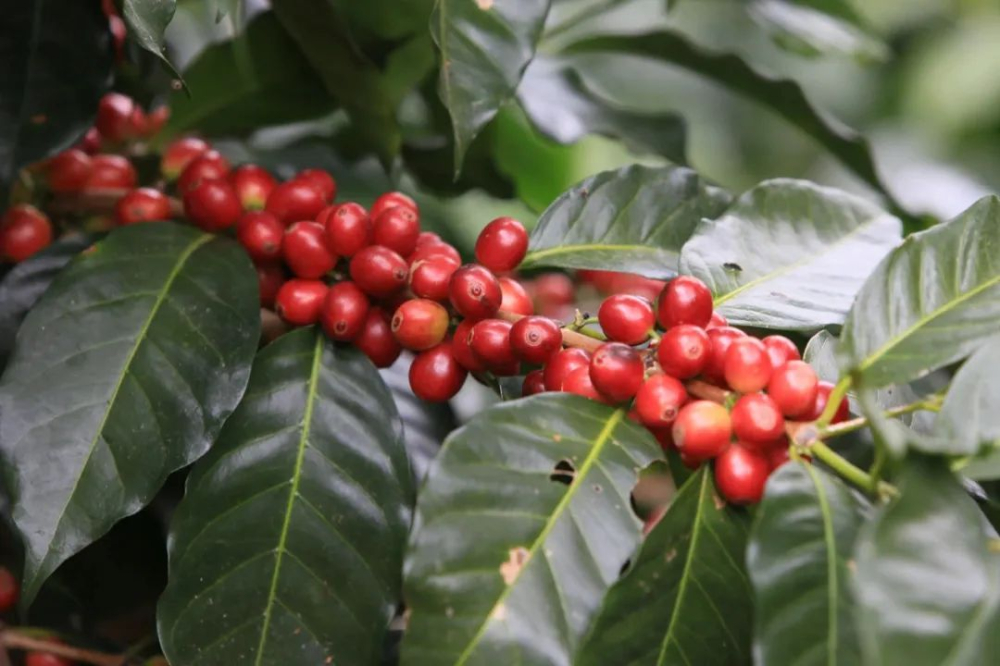
The Origin and Development of Catimor
In 1957, Portugal's Coffee Leaf Rust Research Center (CIFC), after more than a decade of research and breeding, selected three Timor-derived hybrids with exceptionally strong disease resistance and high yields and distributed them to producing countries for variety improvement, under the identification numbers CIFC832/1, CIFC832/2, and CIFC1343. CIFC832/1 was then crossed with Caturra, giving rise to the subject of this article — Catimor.
Catimor, then, is a hybrid of Caturra and Timor. Caturra is a Bourbon mutation within the Arabica species, while Timor is itself a natural Robusta–Arabica hybrid. With three-quarters Arabica heritage, Catimor is classified as an Arabica variety. Its bean appearance neatly reflects both parents: Caturra beans are round and slender, Timor beans thick and large, and Catimor beans inherit the latter's long, thick, substantial shape with slightly raised ends.
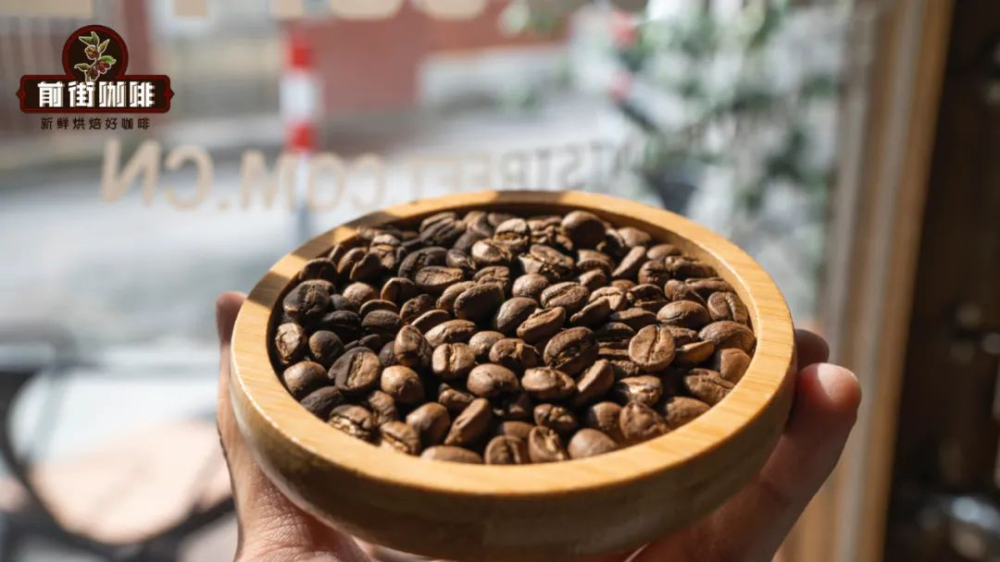
Catimor also inherits genuine advantages from both species — respectable flavor and strong disease resistance — which is why, as disease pressure spread, Catimor spread with it.
Characteristics of Catimor Plants
The terminal buds at the top of a Catimor plant are emerald green, while the rest of the foliage is dark green. The variety features short internodes, abundant branching, wide adaptability, strong drought tolerance, and a degree of cold resistance.
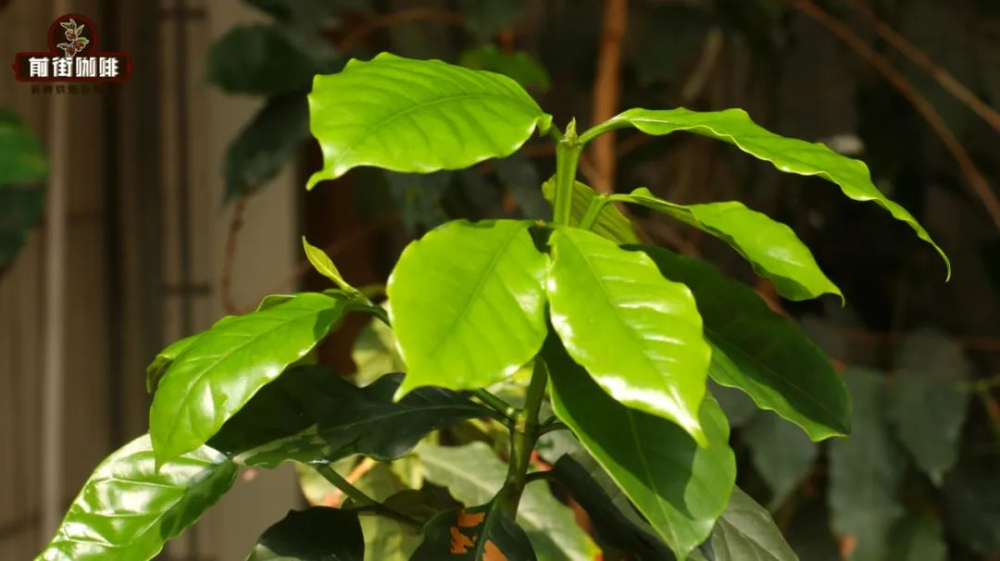
The plants are shorter than traditional Arabica varieties but grow with tremendous vigor. Because the spacing between branch nodes is short, each tree can carry more fruit.
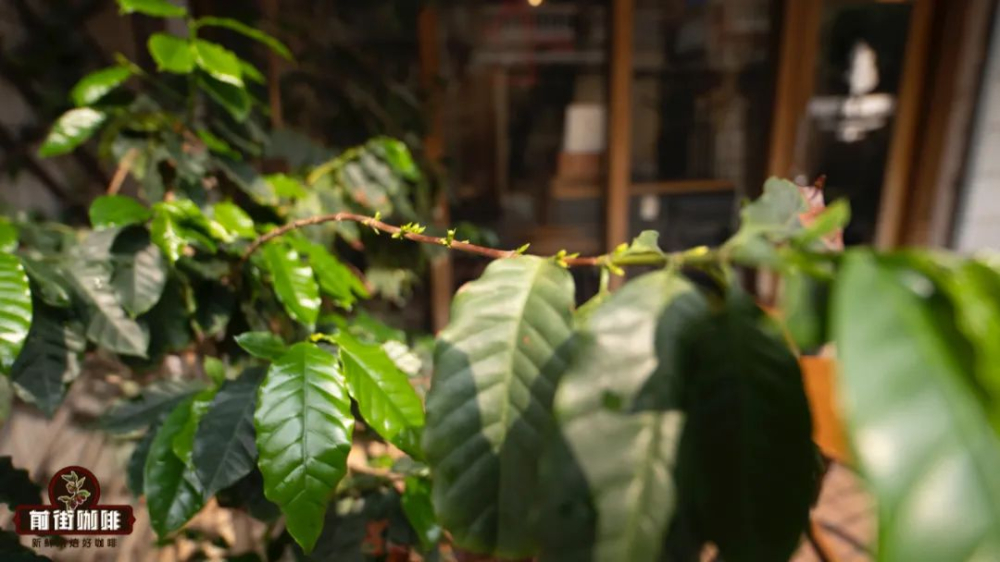
Compact size is another advantage: by taking up less space, more trees can be planted in the same area. High yield plus a small footprint means Catimor out-produces conventional Arabica varieties by a wide margin.
Catimor's Flavor Profile
The Robusta genes give Catimor its disease resistance and prolific reproduction, but that heritage also drags on the cup. Although the Arabica side gives it decent flavor, the Robusta contribution shows up as an undesirable aftertaste — a pronounced earthy edge. Another factor is that Catimor matures faster than traditional Arabica varieties, so the fruit has less time to accumulate nutrients. As a result, above roughly 1,200 meters, Catimor grown at the same altitude will taste weaker than its traditional Arabica neighbors.
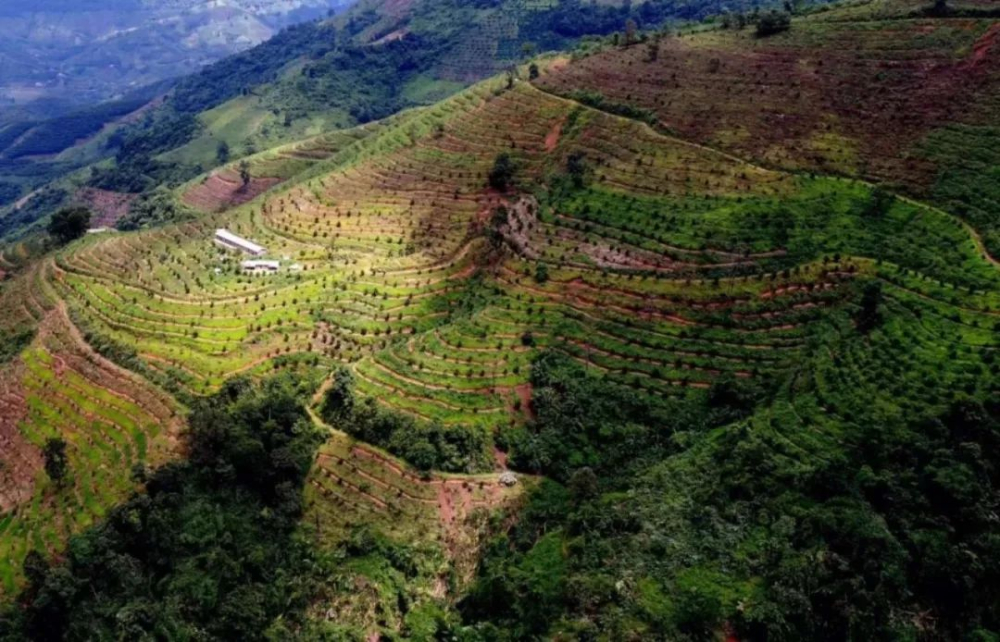
High yield itself is also an obstacle to flavor: heavy production spreads nutrients thin. It is like cutting one cake into eight slices instead of four — you get more pieces, but each one is smaller. When these factors stack up, they dilute the pleasant flavors and amplify the undesirable aftertaste, producing what Mr. Han Huaizong described in his book as the "devil's aftertaste" — a complex finish tinged with earthy notes.
Even with flavor that trails other varieties, Catimor remains in significant demand. As noted at the start, many regions owe their coffee industries to it. And the producing areas that grow it keep improving: by repeatedly crossing Catimor with Arabica varieties to dilute the Robusta genes, and applying more refined cultivation and processing, its flavor can be lifted and the devil's aftertaste softened. FrontStreet Coffee believes that one day Catimor will impress our taste buds with genuine excellence — though the wait may not be short.
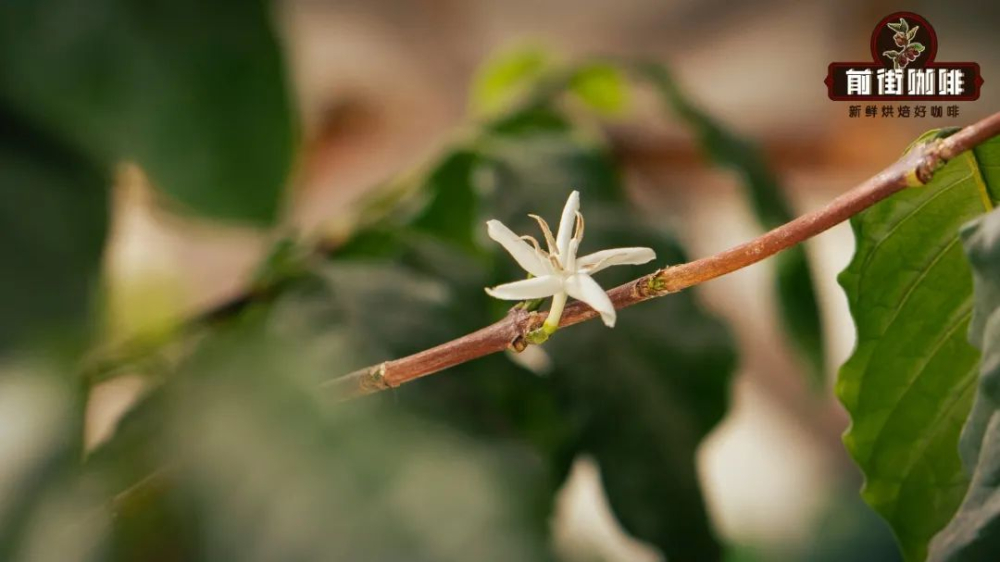
(Catimor flowers blooming at FrontStreet Coffee's entrance.)
- END -

FrontStreet Coffee Recommendation
If the story of Catimor has you curious about classic Arabica varieties, FrontStreet Coffee's Jamaica Blue Mountain No.1 is a benchmark Typica expression: balanced, mild, and velvety, with a soft, pure acidity that no other growing region has quite managed to replicate.
For something more fragrant, try the FrontStreet Panama Red Label Geisha from the celebrated Esmeralda Estate in Boquete, Chiriqui. With its layered floral notes, citrus, peach, and stone fruit acidity, a silky cream-like body, and an oolong-tea sweetness on the finish, it drinks less like coffee and more like an elegant fruit tea — a vivid reminder of just how expressive Arabica can be.
Important Notice :
FrontStreet Coffee is a long-established specialty coffee roaster in Guangzhou China, selling freshly roasted beans from its own farm in Yunnan as well as dozens of carefully selected single-origin beans from around the world for both pour-over and espresso. The products deliver consistently excellent quality and great value, with shipping within 24 hours. Guangzhou's FrontStreet Coffee shop is recommended by many coffee lovers, and the beans are now available online at the Tmall 。
FrontStreet Coffee has moved to a new address:
FrontStreet Coffee Address: 315,Donghua East Road,GuangZhou
Tel:020 38364473
 Scan and follow the En Gafei WeChat official account. Please indicate that the reprint comes from "En Gafei".