
How to Create Your Own Cold Drip Coffee Setup at Home: Essential Tips for Cold Drip Brewing and Filter Size
Making Cold Drip Coffee at Home: FrontStreet Coffee's DIY Method
Once the thunderstorms pass, most regions head back into the hot season, and demand for iced coffee rises sharply. Among iced coffees, cold drip stands out for its clean taste and rich flavor. Many people have already equipped their homes with brewing gear, but it is safe to say that most of those collections do not include a cold drip tower.
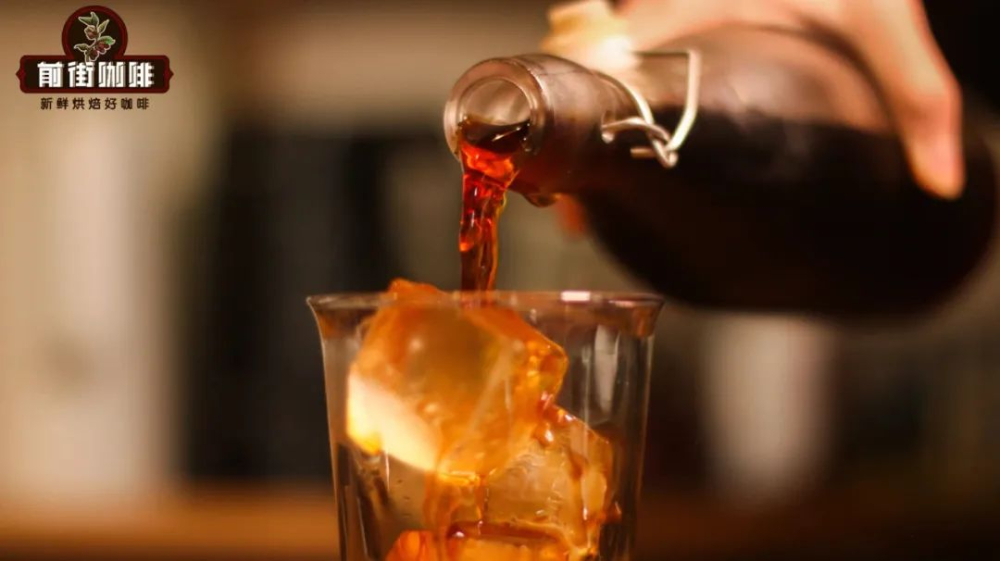
Not everyone will buy a cold drip tower just to make cold drip coffee. For one thing, the towers are relatively expensive, and for another, they are complicated to operate, often gathering dust after a few uses. So if you want homemade cold drip during the hot summer months, why not try FrontStreet Coffee's approach: build a simple "cold drip tower" from the coffee gear you already own.
How to Build a DIY "Cold Drip Tower"
The method is actually simple. We just need to break down the structural principle of a cold drip tower and replicate it. A cold drip tower has three main parts: an upper chamber that holds ice water with a valve, a bed of coffee grounds, and a lower chamber that receives the coffee liquid.
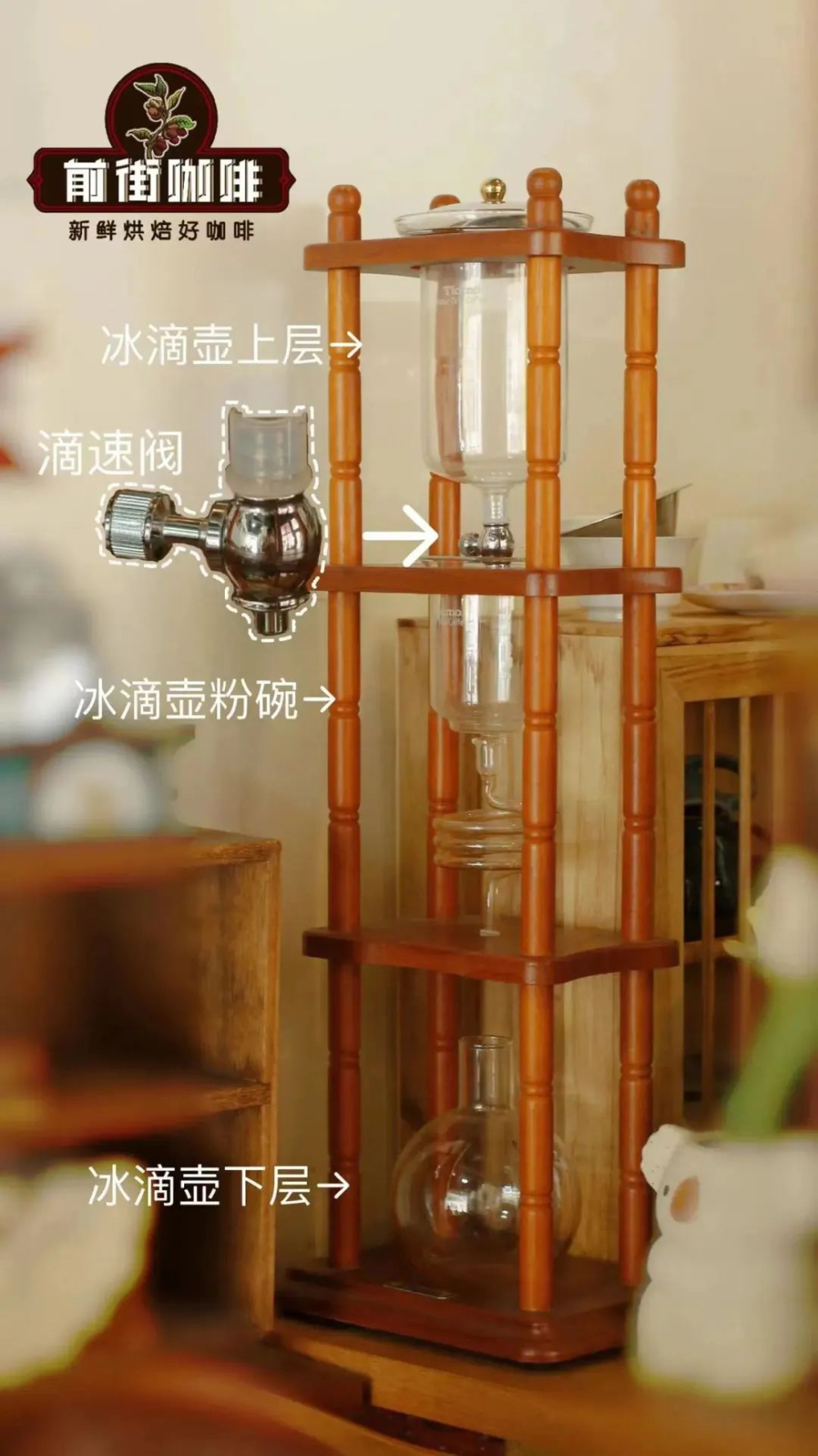
We can use a pour-over dripper to replace the coffee bed, and any container can serve as the lower chamber. The most crucial part is the upper chamber. A cold drip tower's upper chamber comes with an adjustable valve that controls the flow rate of ice water so it drips in droplets. Finding a replacement for that part is the hard bit.
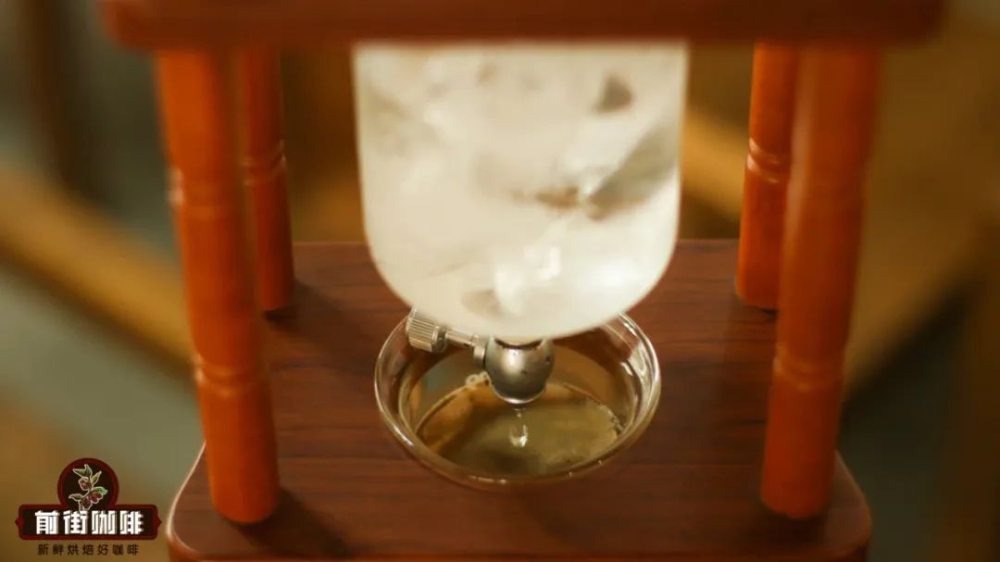
It seems unsolvable, but the answer is easy. Since we cannot find a replacement to control the ice water flow rate, we simply skip the ice water and use ice cubes directly. At room temperature, ice cubes gradually melt, and what melts out is ice water. In theory, as long as we use large, well-frozen cubes, we can slow the melting speed, thereby replacing the valve's role in controlling flow rate.
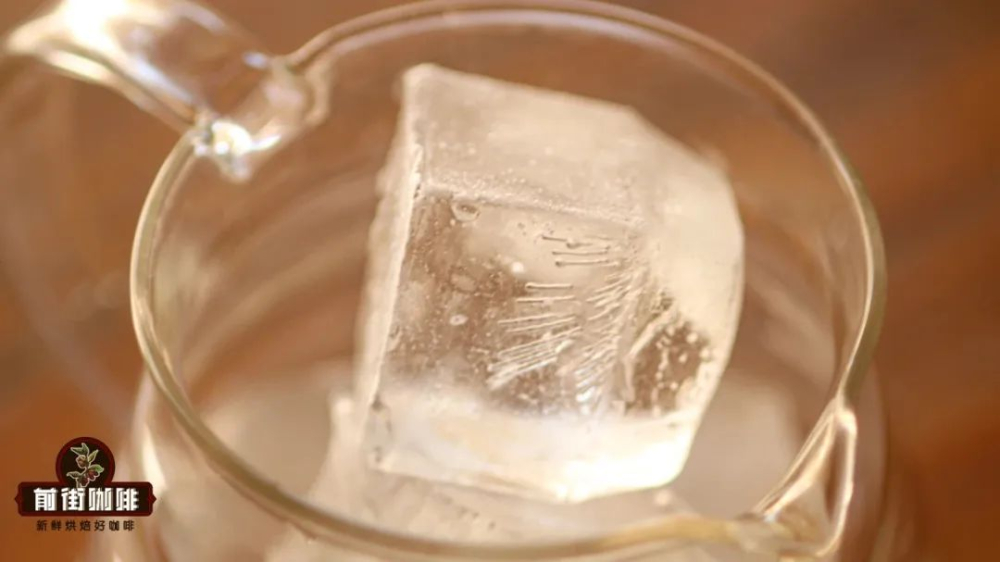
So all we need is something that can hold ice cubes and has holes to let the melted ice water seep through. Let FrontStreet Coffee demonstrate how to make cold drip coffee with this DIY "cold drip tower."
How to Make Cold Drip Coffee with a DIY "Cold Drip Tower"
FrontStreet Coffee chose a server as the lower chamber, a V60 dripper as the coffee bed, and a flat-bottom dripper as the upper chamber. The parameters are as follows: 24 g of coffee grounds, ground slightly finer than pour-over (EK43 setting 9.5, 85% passing a #20 sieve), with a coffee-to-water ratio of 1:10, meaning 24 g of grounds should extract 240 ml of coffee liquid.
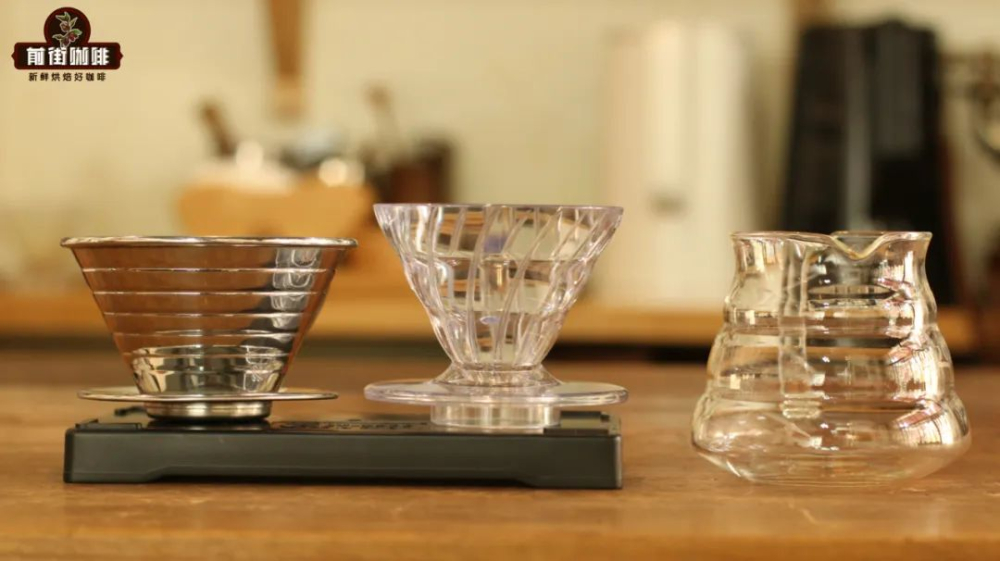
Step 1: Distribute the Coffee Grounds
The first step is to prepare the coffee bed, which means distributing the grounds properly. Place the dripper on the server and fit the filter paper. Then pour in the ground coffee and tap the dripper gently to level it. Afterward, add one circular filter paper to cover it, and you are ready to add water.
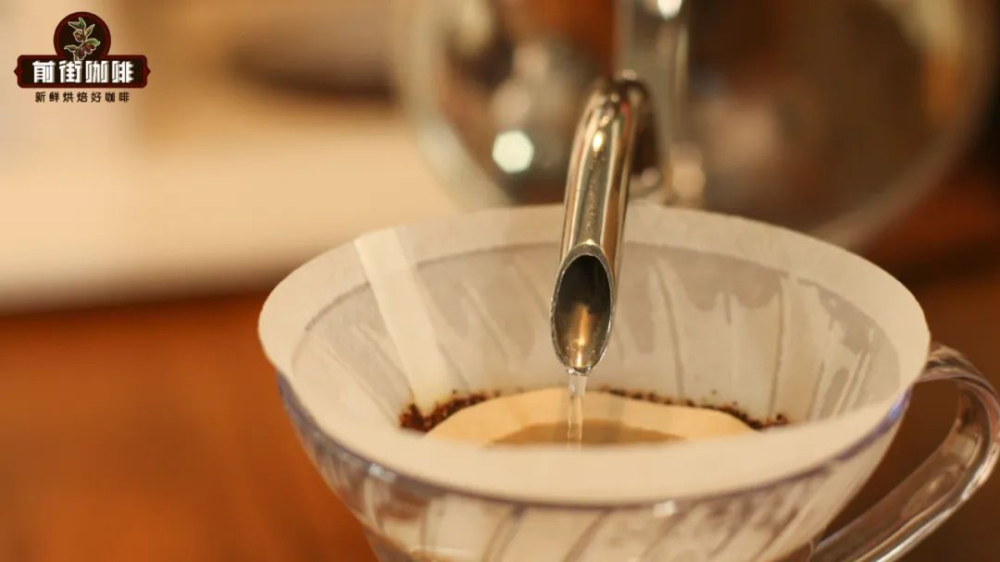
When adding water, use a small flow to reduce the impact. This avoids creating holes and keeps the grounds from being scattered by too much water. Remember that this step is not for blooming the grounds, so use room-temperature water. The reason we moisten the grounds first is to let the later dripping ice water spread to all areas through capillary action, ensuring every ground gets sufficient extraction. Without that initial wetting, most of the dripping ice water would only extract the spot it lands on.
Step 2: Prepare the Upper Chamber
Once the coffee bed is set up, place the flat-bottom dripper on top of the V60 and add a large amount of ice cubes inside.
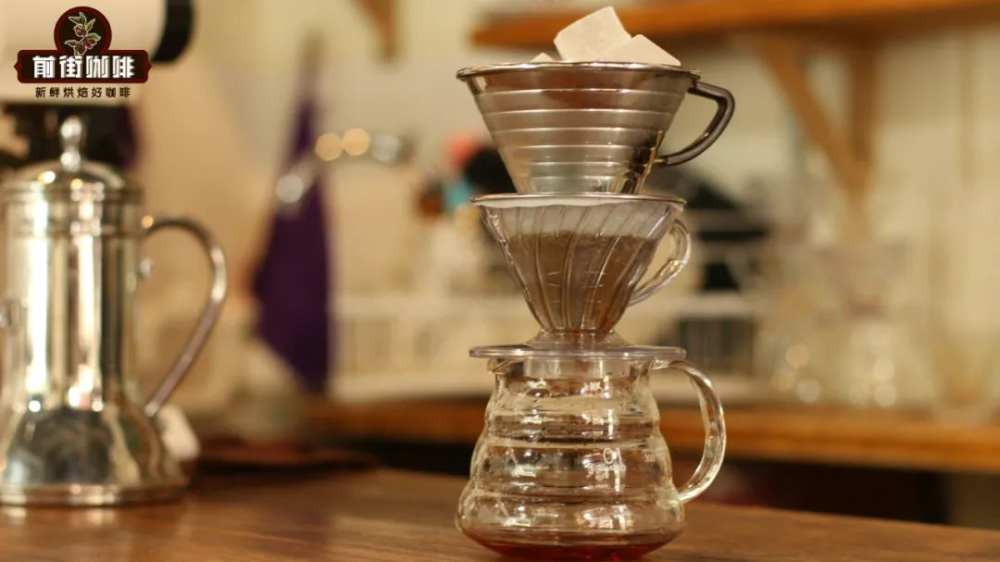
Then pour 10-20 ml of room-temperature water over the ice cubes to help them start melting, because ice cubes do not melt easily at first. Finally, if you have a lid, cover the top of the dripper to create a sealed space that will not be contaminated by the outside environment.
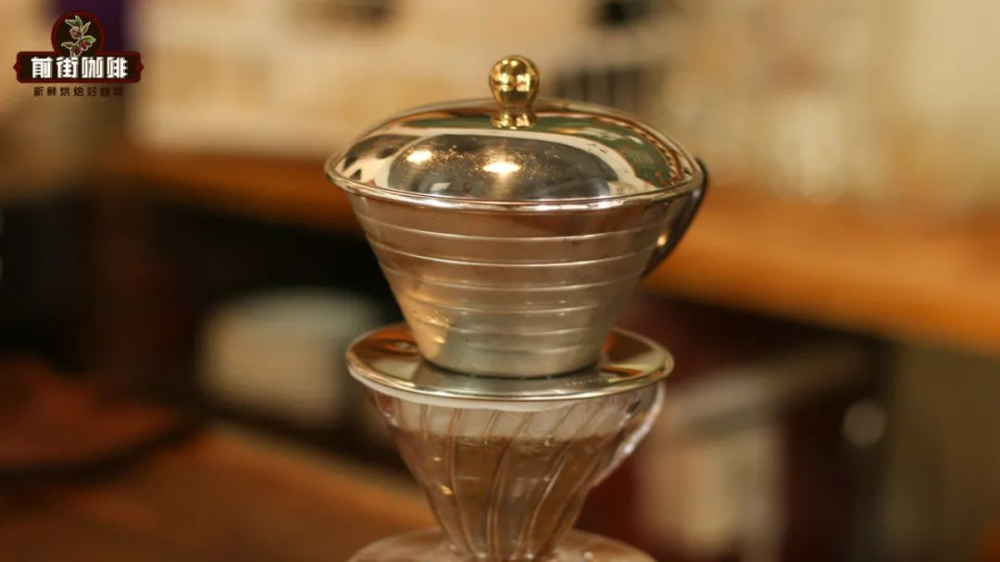
Once the lid is on, we simply wait for the dripping to finish. If your dripper cannot hold all the ice cubes, however, you will need to monitor the cubes during dripping and replenish them in a timely manner.
Step 3: Refrigerate the Coffee
When the coffee liquid in the lower chamber reaches the target weight, you can remove the dripper.
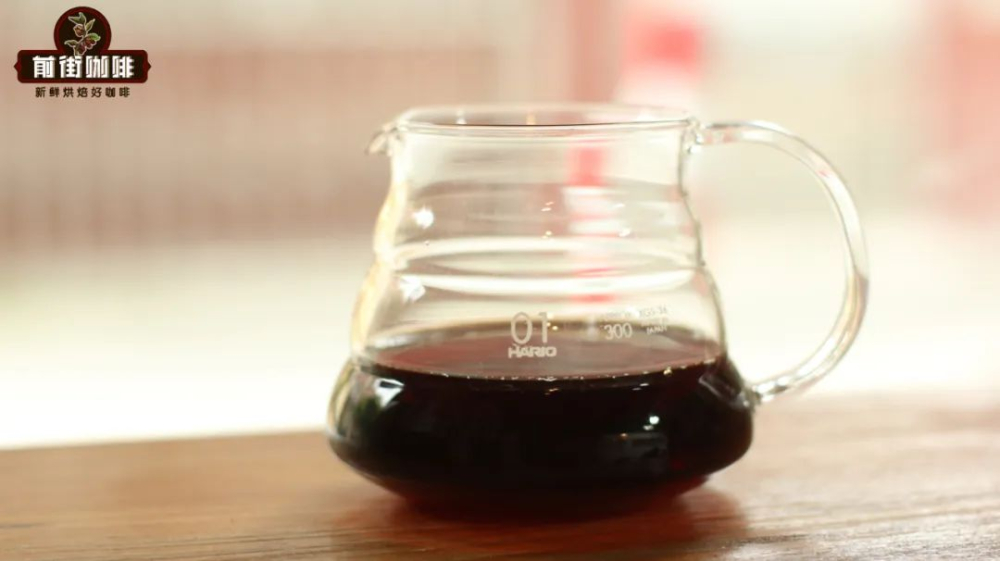
Be careful, though: the cold drip coffee is not ready yet. We need to transfer it to a sealed bottle and refrigerate it to ferment. It can only be taken out and consumed after 8 hours.
A Few Important Notes
Coffee Amount: FrontStreet Coffee suggests that when deciding the specific amount of grounds for cold drip extraction, you take the size of your dripper into account. For example, we used a V60 01 dripper, which holds 24 g of grounds perfectly, maintaining a certain distance from the upper chamber while the surface of the bed is just covered by the filter paper.
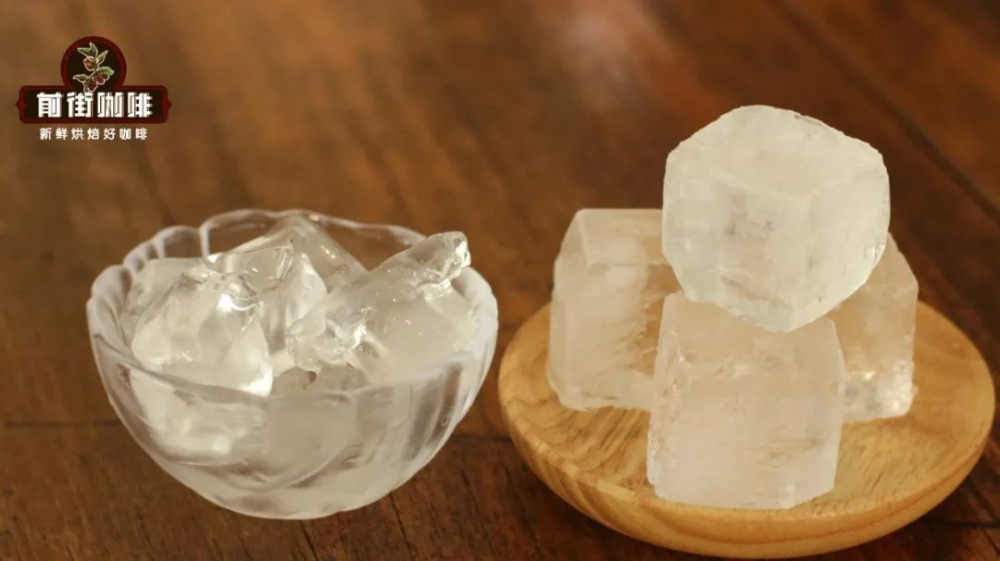
Ice Cubes: As mentioned at the start, it is best to choose large ice cubes that have been frozen for a long time. Small cubes that have not frozen long enough melt very quickly in a hot environment. Melting too fast gives the ice water too little time to extract substances from the coffee, so it simply seeps through all at once and leaves you with coffee-flavored water.
That is all there is to it. If you are interested, give it a try at home.
- END -
FrontStreet Coffee Recommendation
Cold drip and cold brew reward beans that push fruit and florals forward, which is exactly what FrontStreet Coffee Strawberry Candy is built for. This popular fruit-forward espresso blend marries the delicate rose and orange character of Panama Geisha with the honey-processed grape, raisin, and strawberry-gummy sweetness of Costa Rica, giving a layered, lively cup that turns into something almost wine-like if you let it ferment and settle.
For a floral, tea-like cold brew instead, FrontStreet Coffee Sun-Dried Huakui comes from Ethiopia's Guji Hambela region, grown at high altitude and processed with the traditional natural method, including 21 days of drying on raised beds. When brewed cold it shows magnolia, strawberry cream, dried mango, guava, and black tea notes.
Important Notice :
FrontStreet Coffee is a long-established specialty coffee roaster in Guangzhou China, selling freshly roasted beans from its own farm in Yunnan as well as dozens of carefully selected single-origin beans from around the world for both pour-over and espresso. The products deliver consistently excellent quality and great value, with shipping within 24 hours. Guangzhou's FrontStreet Coffee shop is recommended by many coffee lovers, and the beans are now available online at the Tmall 。
FrontStreet Coffee has moved to a new address:
FrontStreet Coffee Address: 315,Donghua East Road,GuangZhou
Tel:020 38364473
 Scan and follow the En Gafei WeChat official account. Please indicate that the reprint comes from "En Gafei".

