What Negative Flavors Can Be Found in Pour-Over Coffee? How to Improve Your Coffee Tasting Skills? What is the Dryness Caused by Roasting?
When it comes to coffee tasting, recognizing negative flavors matters just as much as spotting the positive ones. Most of us can easily name good flavors, but when a cup is unpleasant we often fall back on vague words like "muddled," "bitter," or "astringent."

Of course, those general terms will do. Yet every negative flavor appears for a specific reason, and if we can sense them more precisely and tell them apart clearly, we can identify a coffee's shortcomings. That helps not only with tasting, but also with brewing and roasting. Now let FrontStreet Coffee share some of the most common negative flavors found in coffee.
The Negative Flavor "Muddled"
"Muddled" is the most commonly heard negative description in coffee, and it covers a great many undesirable flavors. Whenever a cup feels uncomfortable, filing it under "muddled" is rarely wrong. Still, we need to recognize the different types of muddled flavors, because their origins vary.
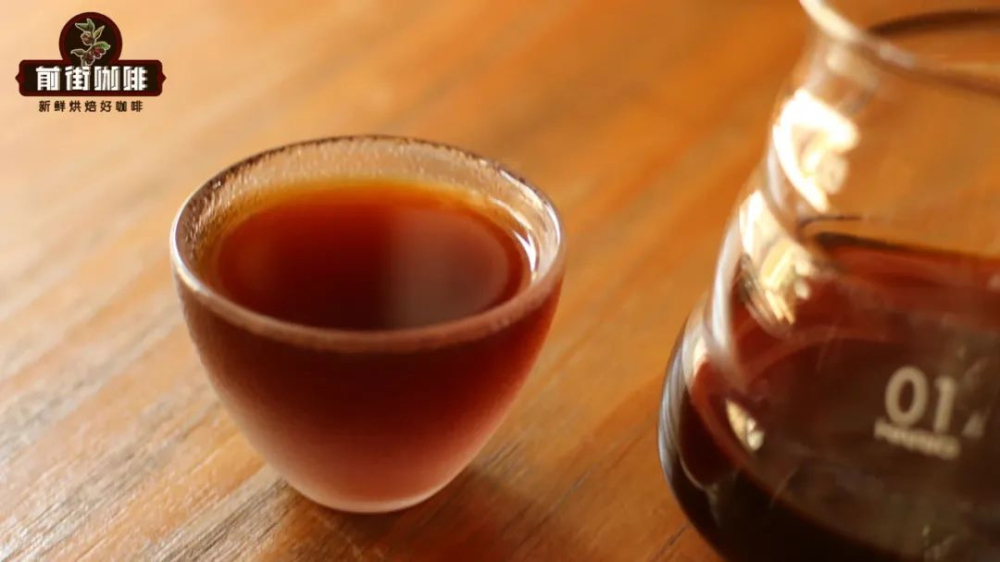
Earthy
Some coffees finish with earthy notes. Earthy flavors are tied to the growing and processing environment of the beans. Most of us have never actually eaten soil, but we have probably smelled the aroma of soil washed by rain on a rainy day. That is what we call earthy or soil-like flavor.
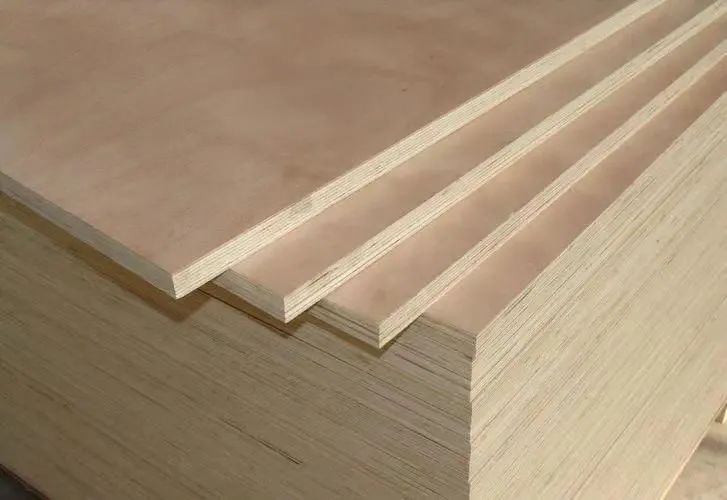
Woody
Here, "woody" means the aroma given off when wood is processed into compressed boards or wood chips. This flavor is quite distinct and usually appears from over-extraction. Note, though, that it resembles pine and cypress notes, so avoid confusing those positive flavors with woody ones.
Smoky
This flavor can be likened to the smoky aroma released when charcoal burns. It generally comes from improper roasting.
Charred
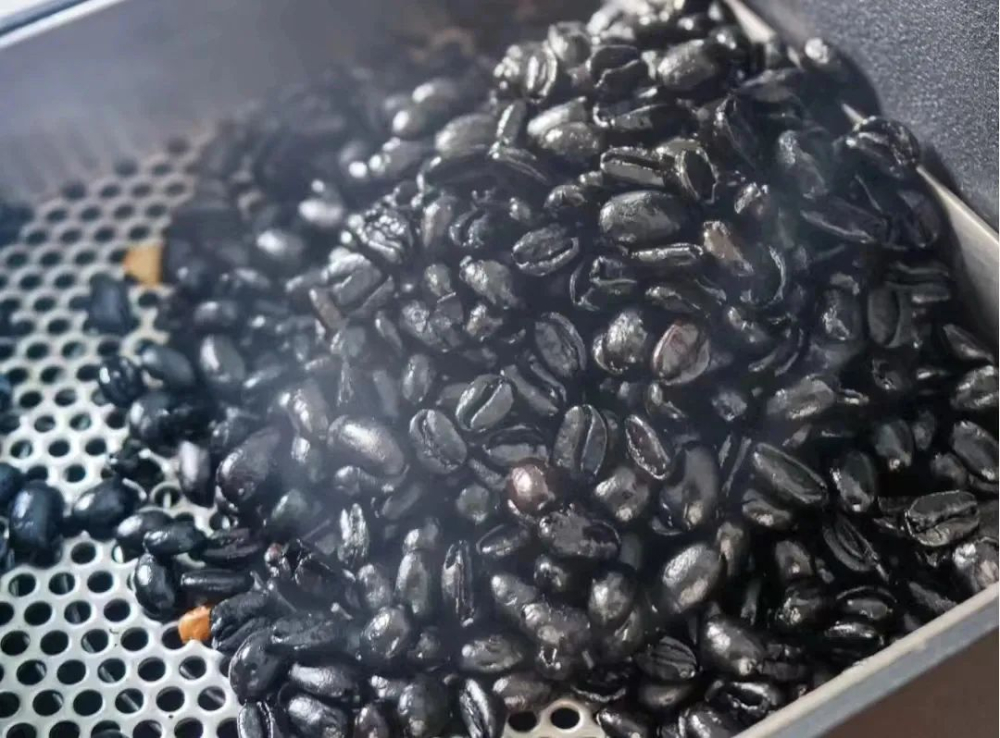
Charred is what we taste when food is burned and carbonized by excessive heat. This kind of flavor shows up mostly in dark roast or over-extracted coffees.
Medicinal
This one sounds frightening, but it is really the bitterness of plant alkaloids, represented concretely by the white tablets commonly found in medicine packets. It is essentially a bitterness, but different from burnt bitterness.
Musty
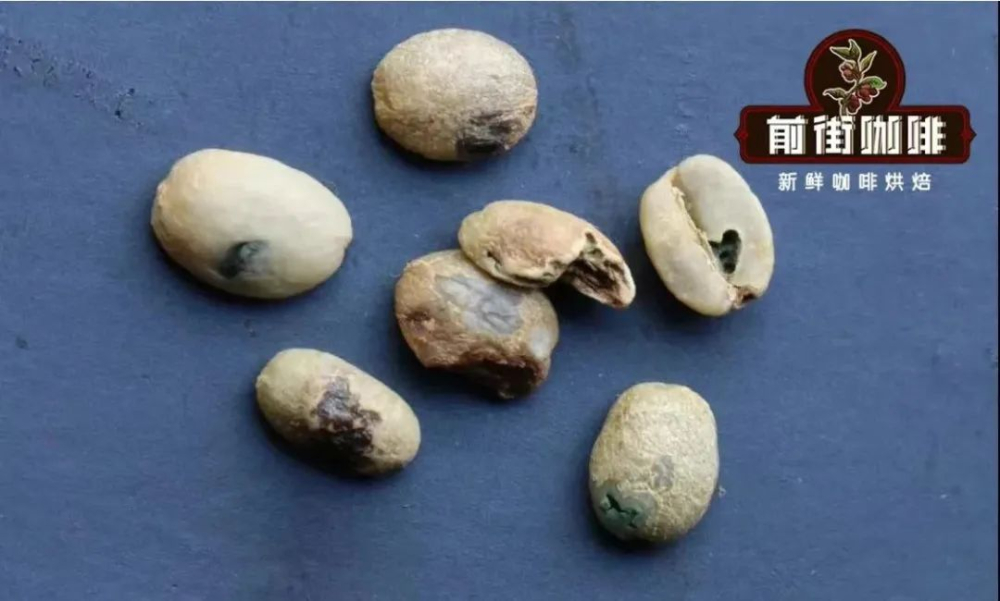
Musty refers to a sour, unpleasant odor - the smell clothes give off when they will not dry during a long rainy spell. The probability of musty flavors in coffee is very low. When it appears, it is likely due to black beans or moldy beans, or because roasted beans have been stored for more than half a year. These situations are rare, which is why the flavor is rare.
Rubber
Some rubber products give off a pungent rubber smell when first opened. This flavor appears frequently in Robusta coffee.
Moldy
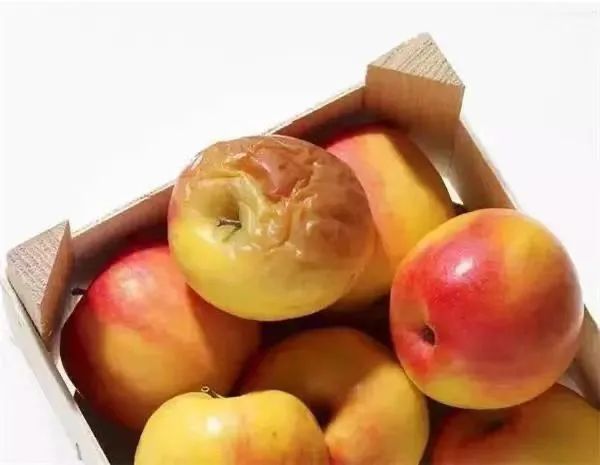
Here, moldy flavor means the off-odor produced when fruit sits too long and ferments excessively. It generally appears more often in heavily fermented coffees.
Sensations Beyond Flavors
Astringency
Astringency is what gives coffee a rough, sandpaper-like texture, abrading the tongue and throat. It can be categorized in many types depending on the accompanying flavors. Some astringency, for instance, is followed after swallowing by sweet-and-sour notes rising from the throat - quite pleasant. Other astringency carries notes reminiscent of dry grass. If you cannot picture that, recall the sensation of eating unripe fruit, such as bananas or various melons; the experience is very similar. This dry-grass astringency is what we call "green astringency," and it often shows up in lightly roasted, under-extracted coffee. If it is not strong, it will not feel uncomfortable.
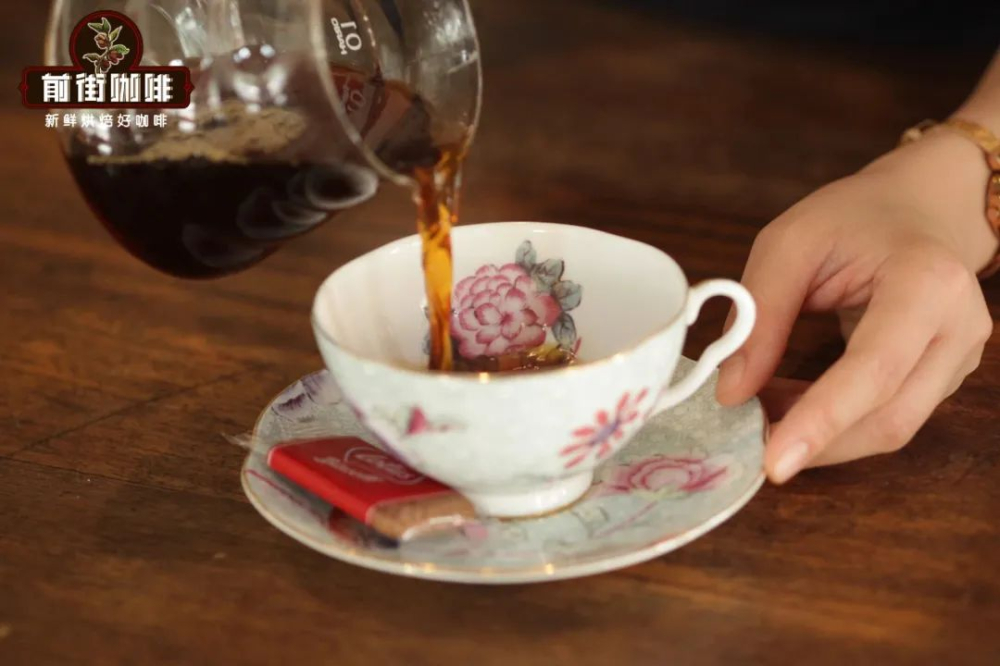
Then there is the astringency of over-extracted coffee. Over-extraction astringency comes with a certain bitterness; on swallowing, bitterness and astringency combine into a very strong negative sensation that is quite unpleasant. This type is usually called "bitter astringency."
Dry Sensation
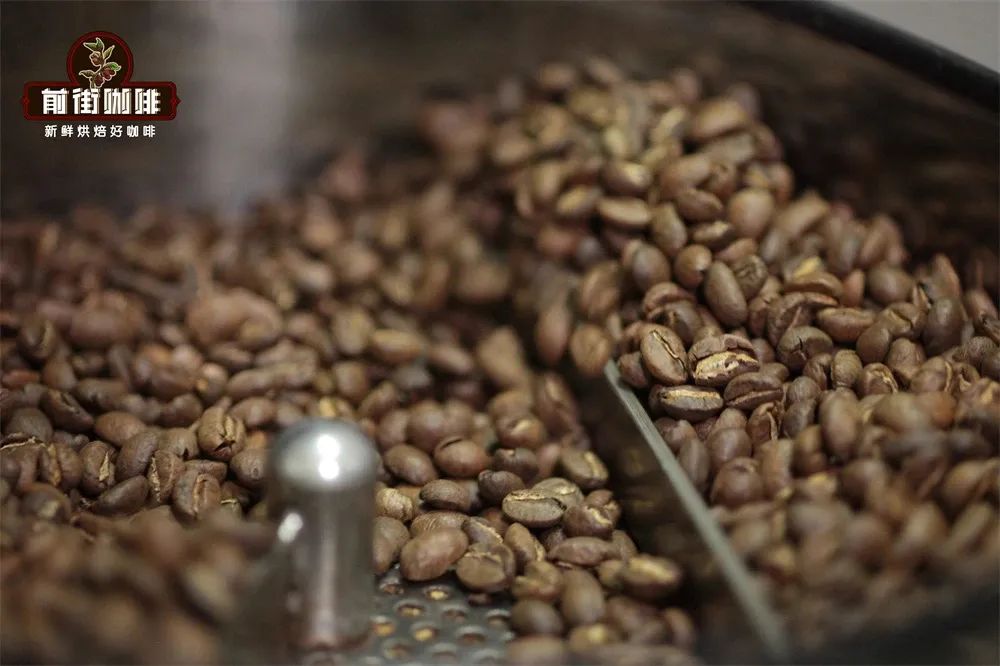
When coffee is freshly roasted, it still holds a great deal of roast aroma. Brew the beans before those aromas have dissipated, and the roast aromas are extracted into the liquid and perceived by us. It is a very dry sensation that can feel throat-catching and astringent. That is exactly why beans are not brewed or cupped the moment they are roasted.
- END -

FrontStreet Coffee Recommendation
The surest way to taste fewer negative flavors is to start with clean, washed coffees, and FrontStreet Yirgacheffe Guddina Cooperative is a textbook example. Guddina strips the pulp before drying, which leaves the bean's own aroma clearer and more transparent, so it shows citrus and lemon along with elegant white florals and comes out bright and delicate overall. At a medium-light roast it adds jasmine sweetness and a green-tea finish - a clean, well-defined cup with little room for earthy or moldy notes to hide.
If you want the extra assurance of rigorous sorting, choose FrontStreet PWN Golden Mandheling. PWN buys only the finest local Mandheling lots and screens them strictly for density, screen size, shape, and color, with one machine pass and one hand pass removing defects, so the beans are whole, even, and translucent and the earthy, grassy notes that plague Mandheling are reduced. Expect sandalwood, herbs, spice, roasted hazelnut, caramel, and dark chocolate, with a clean, rich, layered finish.
And for the mildest, most forgiving option of all, try FrontStreet Jamaica Blue Mountain No. 1. It neither pushes the sharp fruit acidity of some African coffees nor the heavy bitterness of a dark roast, but balances acidity, sweetness, bitterness, and aroma. Cream, caramel, chocolate, nuts, honey, and a light fruit thread come through, with a soft, rounded entry, generous mid-palate sweetness, and a clean, lingering finish - a cup that is hard to brew badly.
Important Notice :
FrontStreet Coffee is a long-established specialty coffee roaster in Guangzhou China, selling freshly roasted beans from its own farm in Yunnan as well as dozens of carefully selected single-origin beans from around the world for both pour-over and espresso. The products deliver consistently excellent quality and great value, with shipping within 24 hours. Guangzhou's FrontStreet Coffee shop is recommended by many coffee lovers, and the beans are now available online at the Tmall 。
FrontStreet Coffee has moved to a new address:
FrontStreet Coffee Address: 315,Donghua East Road,GuangZhou
Tel:020 38364473
 Scan and follow the En Gafei WeChat official account. Please indicate that the reprint comes from "En Gafei".