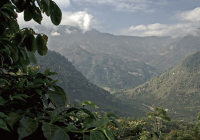
Colombia | Introduction to Selected Coffee Beans from Coffee Growing Regions
Colombia
In South America sits a country so rich in natural resources that it is famous for its "four treasures": coffee, flowers, gold, and emeralds. Known as the "Land of Gold," it is the world's third-largest coffee producer: Colombia (República de Colombia).
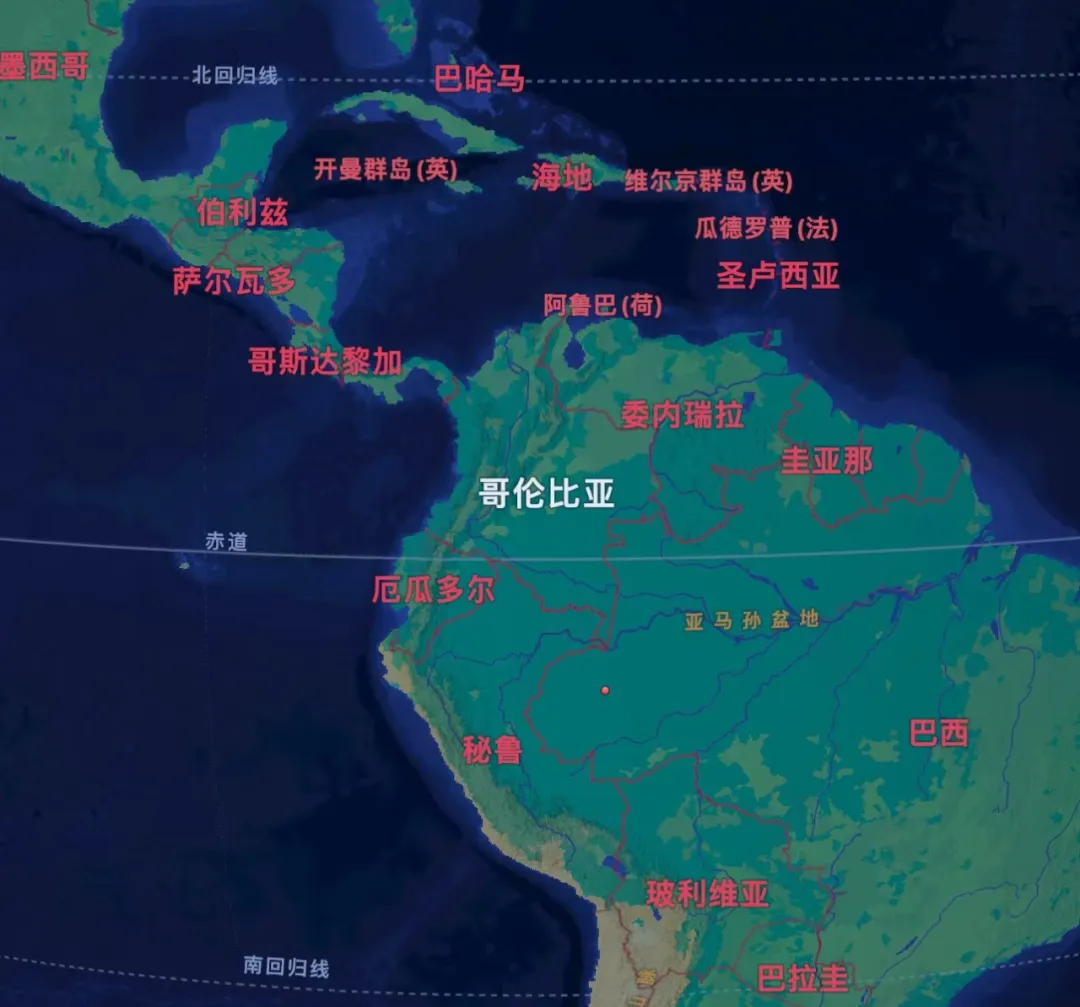
Colombia lies in northern South America, with both coastline and interior territory. It borders Venezuela, Brazil, Ecuador, Peru, and Panama, with the Pacific Ocean to the west and the Caribbean Sea to the north. At 1.14 million square kilometers, it is Latin America's third-largest country, with forests covering 51.9% of its land. Its principal mineral deposits include emeralds, petroleum, natural gas, coal, and gold—and its emerald reserves are the world's largest.
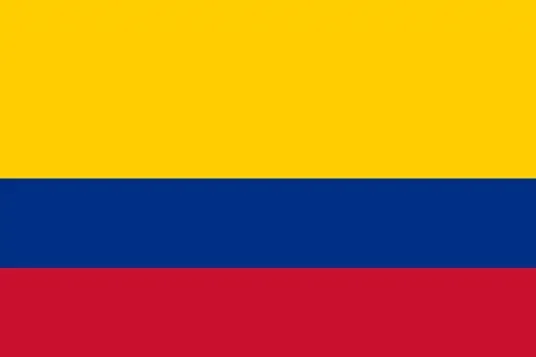
The Colombian flag has three horizontal bands of yellow, blue, and red from top to bottom: yellow takes half the flag, blue and red a quarter each. Yellow stands for the richness of the soil, wealth, sovereignty, harmony, and justice; blue for the ocean; red for blood, symbolizing love, strength, and progress.
The terrain splits broadly into western mountains and eastern plains, plus several coastal lowlands. The east holds the Orinoco and Amazon plains. In the north rises the country's highest peak, Pico Cristóbal Colón, at 5,800 meters. The Andes cross Colombia and split into the Eastern, Central, and Western Cordilleras, averaging over 3,000 meters and stretching 800 kilometers, studded with volcanoes and rivers.
Situated in the tropics, Colombia's climate varies with elevation: the eastern plains and Pacific coast are tropical rainforest, mountain areas between 1,000–2,000 meters are subtropical, and the northwest is tropical savanna. The year knows only dry and rainy seasons, with average annual rainfall of 11,000 millimeters and temperatures of 25–30°C year-round.
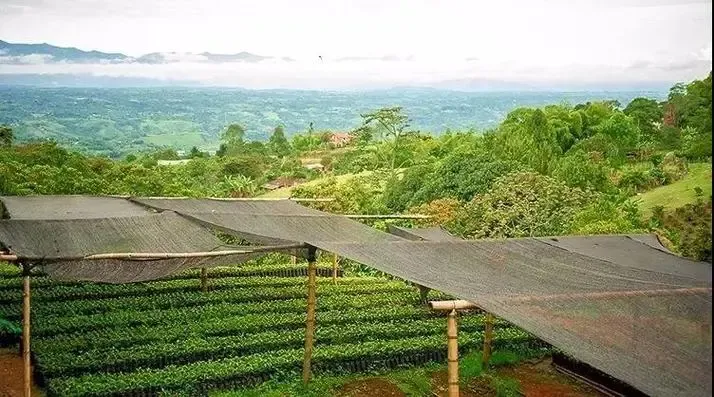
Coffee Growing Regions
Colombia's large territory and developed agriculture support many coffee regions. Mountainous terrain, varied microclimates, and differing growing conditions give each region a distinct flavor profile. The country harvests twice a year: a main season from October to January and a mitaca from April to July. The most famous growing regions today include Antioquia, Santander, Huila, Nariño, and Cauca.

Antioquia
Antioquia is the birthplace of Colombian coffee and its most extensively planted region, home to both smallholders and large estates. Located in northwestern Colombia, the department accounts for 7% of national output, with over 18,000 hectares under cultivation involving 9,800 families.
Santander
Santander sits in northern Colombia, in the Andes, growing coffee at roughly 1,400–1,700 meters. It is an important yet rarely discussed department—and in fact one of the first areas of Colombia to grow coffee. Today it contributes 5% of national production. Most of its varieties are Caturra, Castillo, and other leaf-rust-resistant cultivars, which has made Santander a low leaf-rust-risk area in Colombia and worldwide.
Nariño
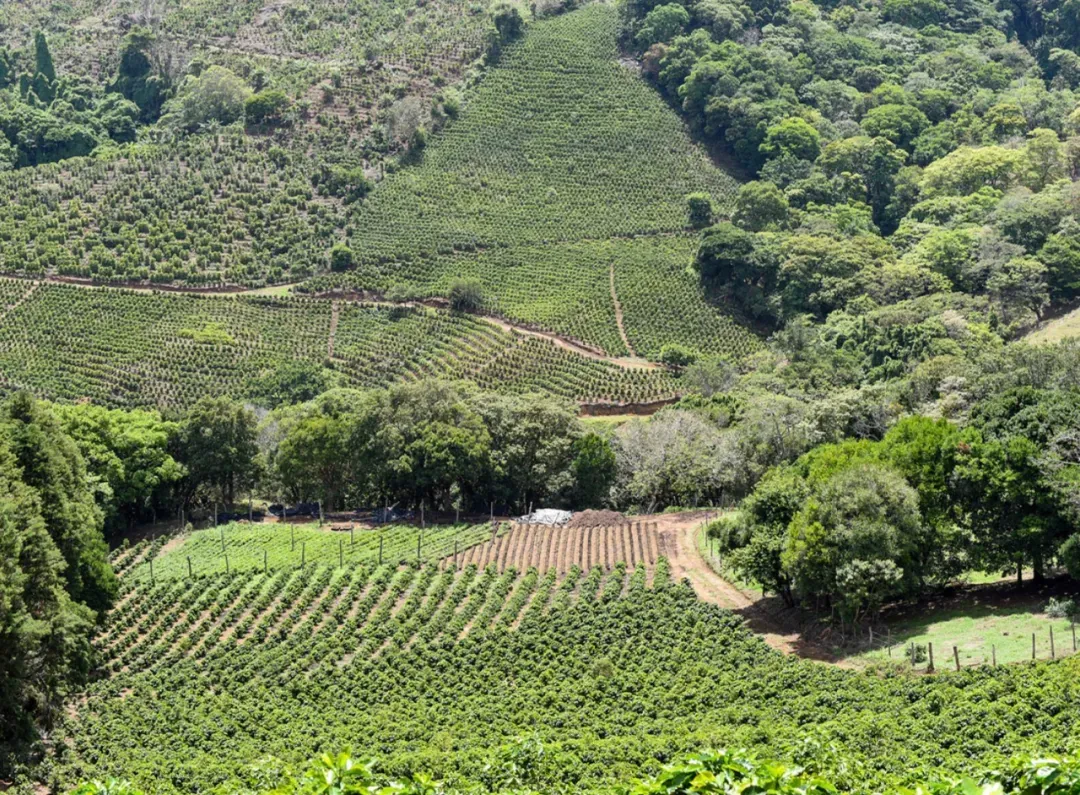
Nariño lies in the country's southwest, on the Pacific to the west and bordering Ecuador to the south, with the Andes running the length of the department. Coffee grows in volcanic soil at 1,600–2,300 meters amid magnificent mountains and southward-flowing rivers. As one of Colombia's high-altitude zones, it has nurtured many smallholder specialty producers, and the department ships roughly 150,000 bags of coffee a year.
Cauca
Cauca is a Colombian Denomination of Origin region averaging 1,758 meters. Its temperature swings are marked: nights average 11°C, days 18°C. Those cool nights, combined with relatively high altitude, slow the coffee's growth rhythm and let the beans draw more nutrients from the cherry—yielding the better acidity and sweetness that Cauca coffees are known for.
Huila
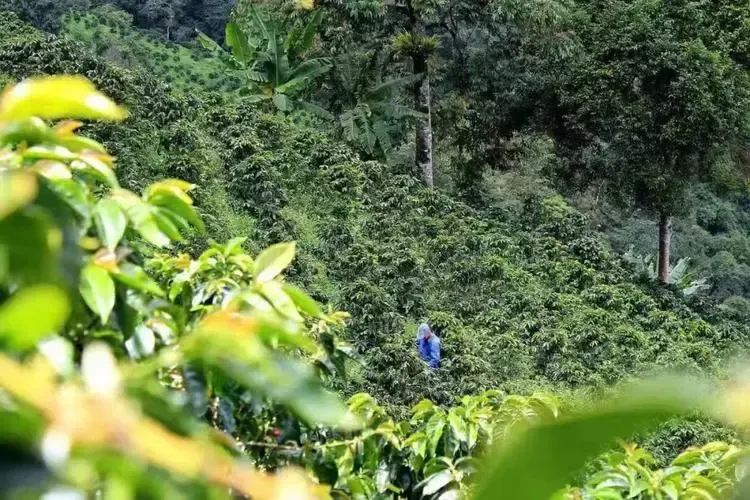
Huila lies in southern Colombia, at the southern end of the Central Cordillera where the central and eastern ranges of the Andes meet, with most of the department in the Magdalena River Valley. It is Colombia's most famous specialty coffee region, with over 70,000 coffee farmers and more than 16,000 hectares under cultivation. The landscape is hilly and ringed by mountains, growing coffee at 1,200–1,800 meters; high altitude, volcanic soil, abundant water, and a distinctive climate give these coffees a pure, balanced, smooth taste. FrontStreet Coffee offers several beans from this region—the celebrated Finca La División among them.
FrontStreet Coffee Colombia Entry-level Selected Huila Washed Coffee Beans
Region: Huila
Altitude: 1,500-1,800 meters
Variety: Caturra
Processing Method: Washed
Flavor Notes: Dark chocolate, nuts, caramel, slight fruit acidity
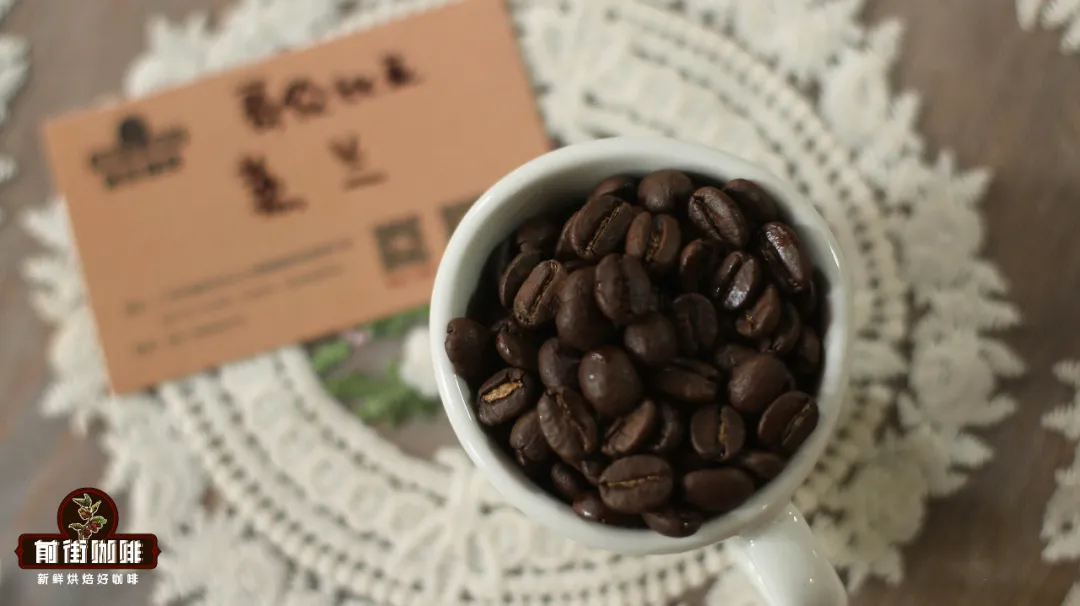
FrontStreet Coffee's entry-level selected Colombian beans come from Huila, washed and roasted medium. Brewed on a V60 at 1:15 with 92°C water, the first sip reveals nut, dark chocolate, and caramel, a touch of tropical fruit acidity and sweetness, a smooth mouthfeel, and overall balance.
FrontStreet Coffee Recommendation
If you love the balanced, low-acid style that Huila delivers, Brazil—the world's largest coffee producer—offers a whole spectrum in the same register. Brazilian beans carry moderate acidity and an excellent balance of sweetness, bitterness, and body, making them ideal for medium roasts that bring out nutty aromas and a mellow, faintly tangy cup, whether brewed solo or in a blend.
For a first taste of Brazil, get FrontStreet Coffee's pulped natural Cerrado Red Bourbon, a classic Brazilian single origin from a region famed for quality. Roasted medium, it shows rich aromas of cream peanut, toasted bread, caramel, and hazelnut—a round, non-acidic cup with a light bitter edge—that works as pour-over and equally in a moka pot, as espresso SOE, siphon, or French press. For something rarer, the FrontStreet Brazil Fazenda Rainha (Queen Estate) Yellow Bourbon comes from Mogiana near southern Minas, where fertile red volcanic soil feeds the cherries into full, plump aromatics. A genetic mutation of Red Bourbon, the Yellow Bourbon gives a cleaner fruit character, and through pour-over, moka pot, or home espresso you'll find a sugarcane sweetness few other origins offer, alongside fruit and chocolate notes.
Brazil is also the backbone of many espresso blends: its low acidity, balance, and friendly price make it a first choice for specialty espresso formulas. FrontStreet Coffee's crema-rich Classic Blend, nut-forward Premium Blend, and the balanced Black Cocoa Blend favored by many baristas all contain Brazilian components—the Brazil content lends chocolate and cream aromas, soft sweet-sour-bitter structure, and a steady platform for stable extraction. For a comparable single-origin experience to Huila's balance, the Queen Estate Yellow Bourbon is the perfect home pour.
Important Notice :
FrontStreet Coffee is a long-established specialty coffee roaster in Guangzhou China, selling freshly roasted beans from its own farm in Yunnan as well as dozens of carefully selected single-origin beans from around the world for both pour-over and espresso. The products deliver consistently excellent quality and great value, with shipping within 24 hours. Guangzhou's FrontStreet Coffee shop is recommended by many coffee lovers, and the beans are now available online at the Tmall 。
FrontStreet Coffee has moved to a new address:
FrontStreet Coffee Address: 315,Donghua East Road,GuangZhou
Tel:020 38364473
 Scan and follow the En Gafei WeChat official account. Please indicate that the reprint comes from "En Gafei".