
How to Adjust Coffee Concentration? Besides Coffee-to-Water Ratio, What Other Parameters Should Be Considered for Pour-Over Coffee?
Everyone has a different idea of how strong coffee should be. To suit their own taste, people adjust the strength accordingly. In pour-over coffee, the handiest way to adjust flavor intensity is by changing the coffee-to-water ratio.
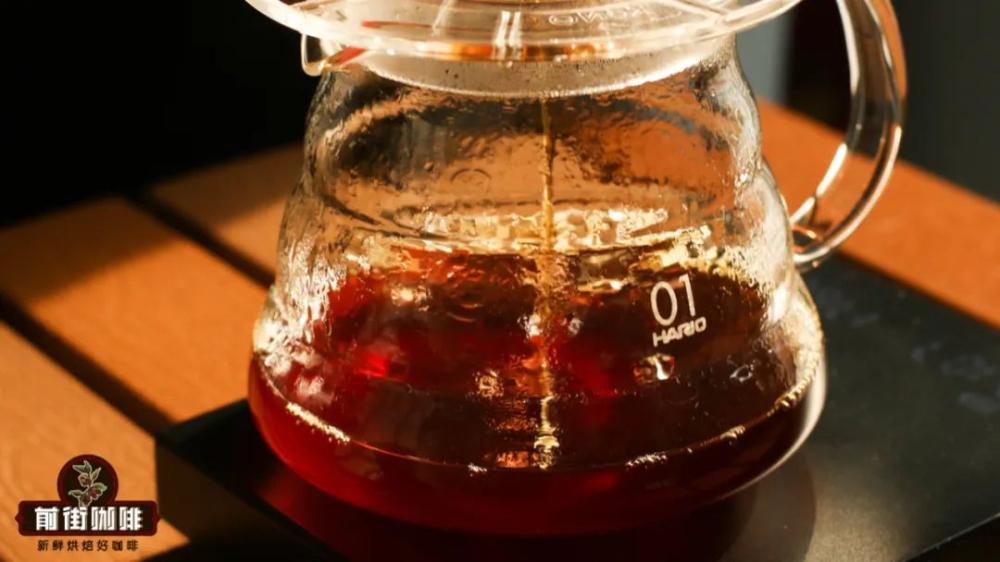
Want it stronger? Add a little more coffee. Want it weaker? Use a little less. Both are perfectly fine. The trouble starts when adding or cutting water still does not get you the strength you want and you feel like making a bigger change. Take FrontStreet Coffee's most-used recipe as an example. In that recipe the coffee-to-water ratio is 1:15. To make it stronger, FrontStreet Coffee would shift to 1:14 to raise the concentration; to make it weaker, they would move to 1:16 to dilute the flavor. Both are reasonable adjustments within the scope of the recipe. Push the ratio much further beyond that baseline, though, and FrontStreet Coffee does not recommend simply changing the ratio alone.
The Importance of Balanced Extraction
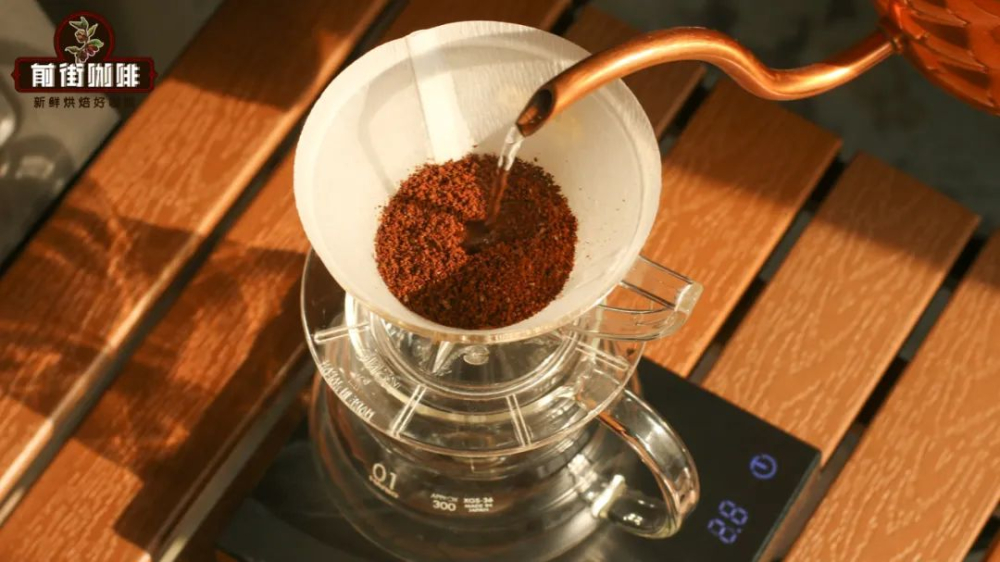
The coffee-to-water ratio is a crucial part of any brewing recipe. Every parameter in the recipe matters, and they are interconnected and indispensable. Small tweaks will not have much effect, but a drastic change also shifts the extraction rate. For beans that are hard to extract or sensitive to extraction, a change in extraction rate easily leads to under-extraction or over-extraction. So when you change the coffee-to-water ratio, it is best to adjust water temperature or grind size to match.
Again using FrontStreet Coffee's recipe: to move the original 1:15 ratio to 1:13 for a much richer flavor, we need to raise the extraction rate through water temperature or grind size. Cutting two parts of hot water also cuts the extraction efficiency those two parts of water would have provided. Without adjusting grind size or temperature, the coffee will readily show under-extraction: a heavy front end, a weak finish and no aftertaste. The right approach, then, is to raise the water temperature by 1-2°C or go one notch finer on the grind. That way you gain concentration while keeping the extraction rate where it should be.
How to Weaken Coffee Strength
Making coffee weaker is fairly simple and can be approached two ways. The first is to dilute by reducing the coffee-to-water ratio. Reducing it a great deal, though, easily pushes extraction efficiency too high and draws out undesirable flavors, so while lowering the ratio we can drop the water temperature by 1-2°C or go one notch coarser on the grind to correct the excessive extraction rate. The second way is to dilute after a normal brew by adding water, the bypass method. FrontStreet Coffee shared this a few days ago, and interested readers can scroll back to take a look.
Final Tips from FrontStreet Coffee
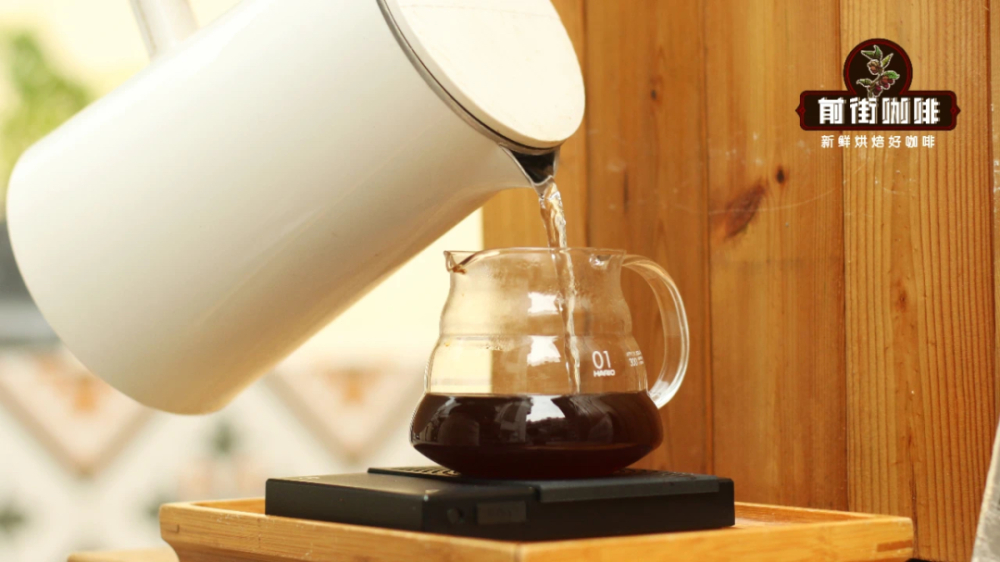
One last reminder for anyone using the bypass method: 10-20ml of water is already enough to dilute coffee concentration noticeably. So when bypassing, use a small amount of hot water to adjust, taste the result, and only then decide whether more dilution is needed. That way you avoid ending up with a weak, watery cup because you added too much water.
FrontStreet Coffee Recommendation
Playing with ratio and strength is easiest with a bean whose flavors are sharply defined, so you can tell exactly what each change is doing. FrontStreet Ethiopia Huakui is a good candidate, loaded with tropical aromas of strawberry, passion fruit and jackfruit, low in bitterness and full of juice, so it stays sweet and clear even as you tighten or loosen the ratio.
If you want a cup where a higher ratio really pays off, try FrontStreet Kenya Little Tomato, a washed Kenyan bean from the Thika region grown at 1550-1750 meters from SL28 and SL34 with a 72-hour double washed fermentation and a light roast. Its tomato and dark plum acidity, full juice-like body and sugarcane-sweet, green-tea finish keep their definition across a range of concentrations, whether you dial it stronger or softer.
Important Notice :
FrontStreet Coffee is a long-established specialty coffee roaster in Guangzhou China, selling freshly roasted beans from its own farm in Yunnan as well as dozens of carefully selected single-origin beans from around the world for both pour-over and espresso. The products deliver consistently excellent quality and great value, with shipping within 24 hours. Guangzhou's FrontStreet Coffee shop is recommended by many coffee lovers, and the beans are now available online at the Tmall 。
FrontStreet Coffee has moved to a new address:
FrontStreet Coffee Address: 315,Donghua East Road,GuangZhou
Tel:020 38364473
 Scan and follow the En Gafei WeChat official account. Please indicate that the reprint comes from "En Gafei".

