Costa Rican Coffee Beans | Introduction to Selected Series of Washed Coffee Beans from Tarrazú Region
Costa Rica
Hidden in Latin America is a country that was the first in the world to abolish its army, yet enjoys social stability and economic prosperity — a nation nicknamed the "Switzerland of Central America." That country is Costa Rica.
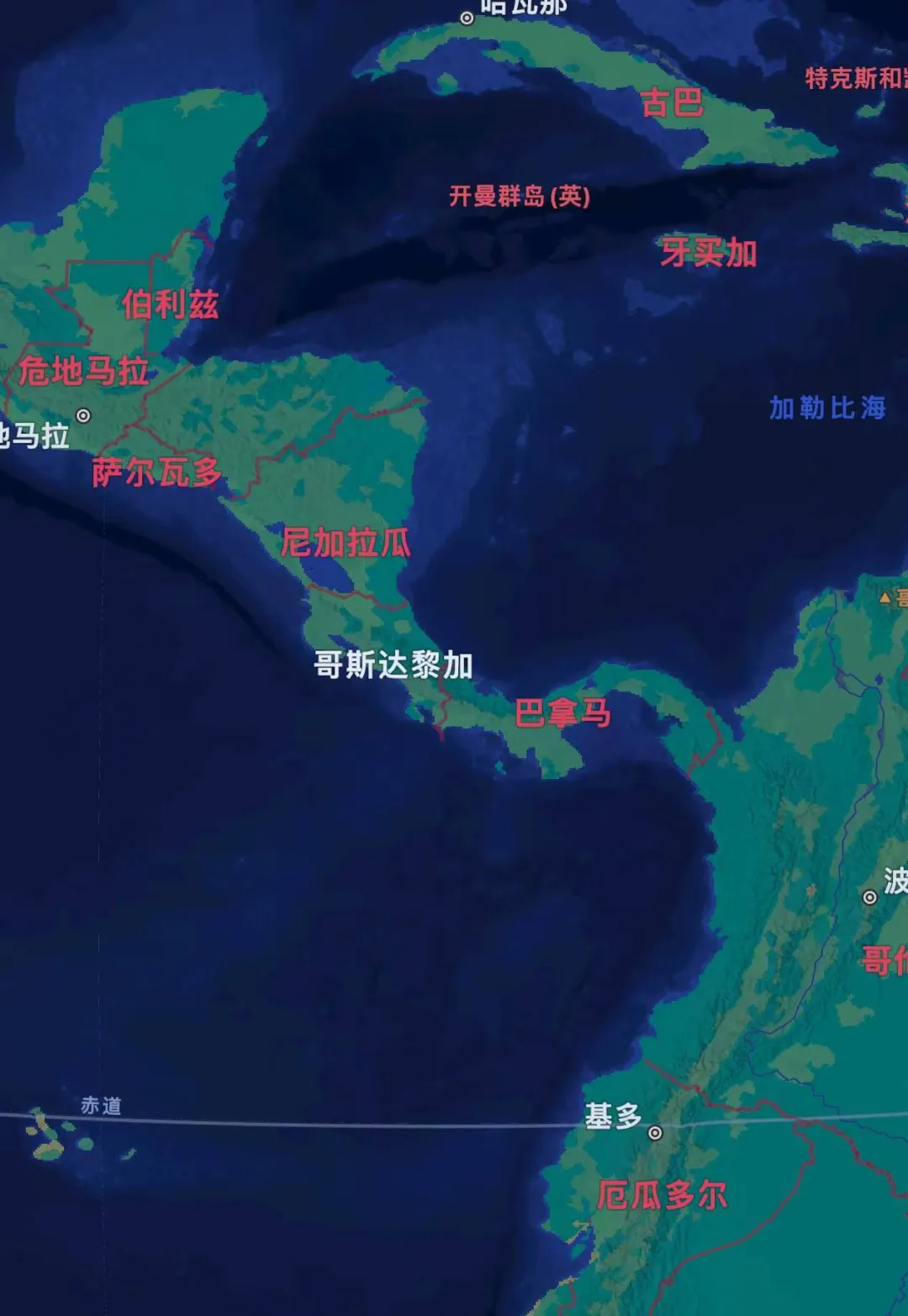
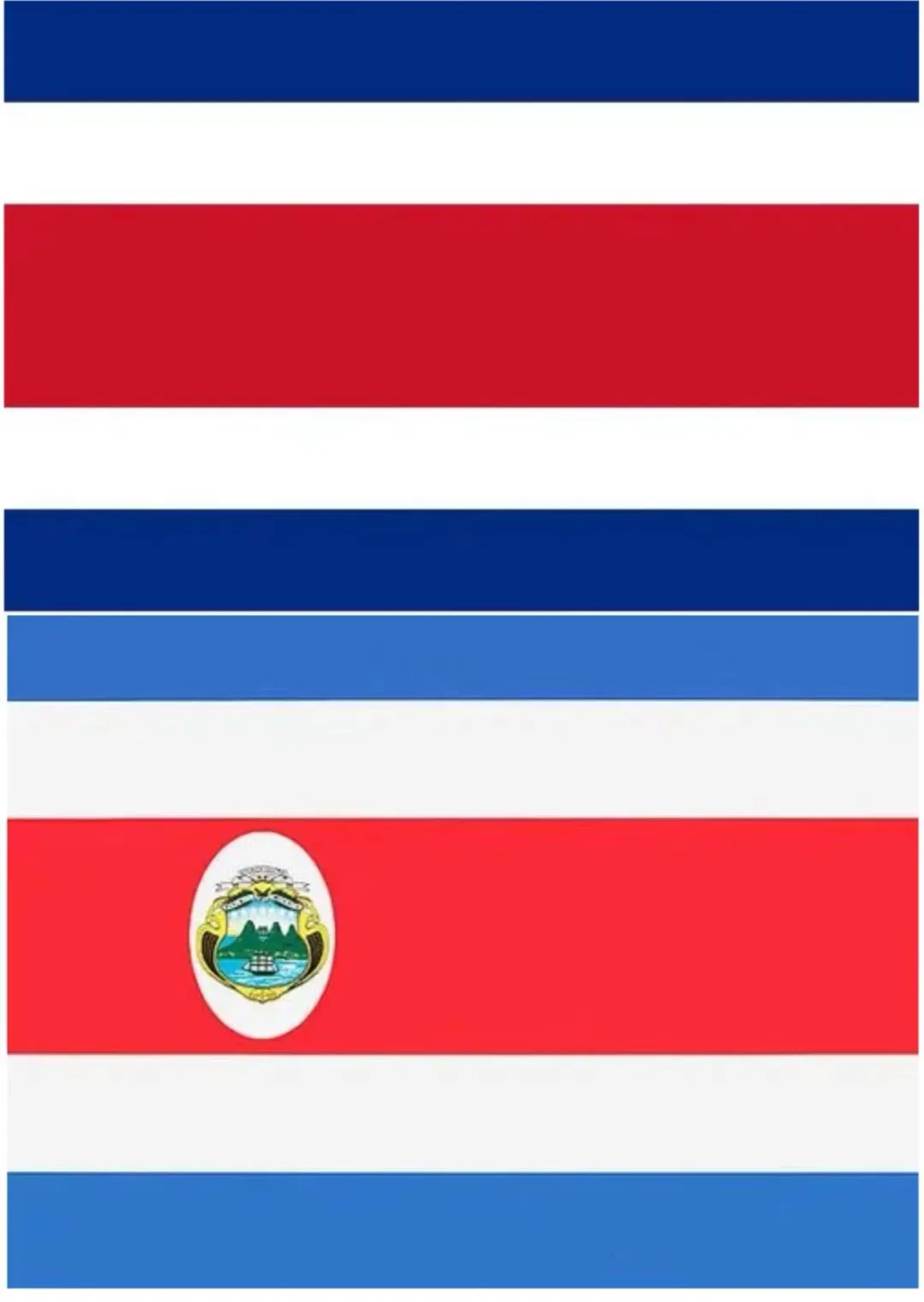
Costa Rica sits on the Central American isthmus in North America, bordered by the Caribbean Sea to the east, the Pacific Ocean to the west, Nicaragua to the north, and Panama to the southeast, covering 51,100 square kilometers. The name comes from Spanish and means "rich coast." The flag is made of five horizontal stripes — blue, white, red, white, and blue — with the red stripe twice as wide as the others, representing passion and the blood shed for independence. The blue and white echo the old Central American Federal flag: blue for the sky, opportunity, idealism, and perseverance; white for peace, wisdom, and happiness. The national emblem on the left side of the red stripe marks the government flag.
Costa Rica is one of the most biodiverse countries on Earth, home to nearly 5% of the world's species, with almost 30% of its territory designated as national parks or nature reserves and forest covering 52.38% of the land. The coasts are plains while rugged mountains divide the country down the middle. The climate is tropical and subtropical, with a rainy season from April to December and a dry season from December to April. The central valleys enjoy a pleasant 15-26°C. More than 200 volcanoes dot the country, and volcanic ash enriches the soil with minerals; together with mild temperatures and abundant rainfall, this makes agriculture flourish — Costa Rica is a major global exporter of pineapples, bananas, and coffee.
Coffee Growing Regions
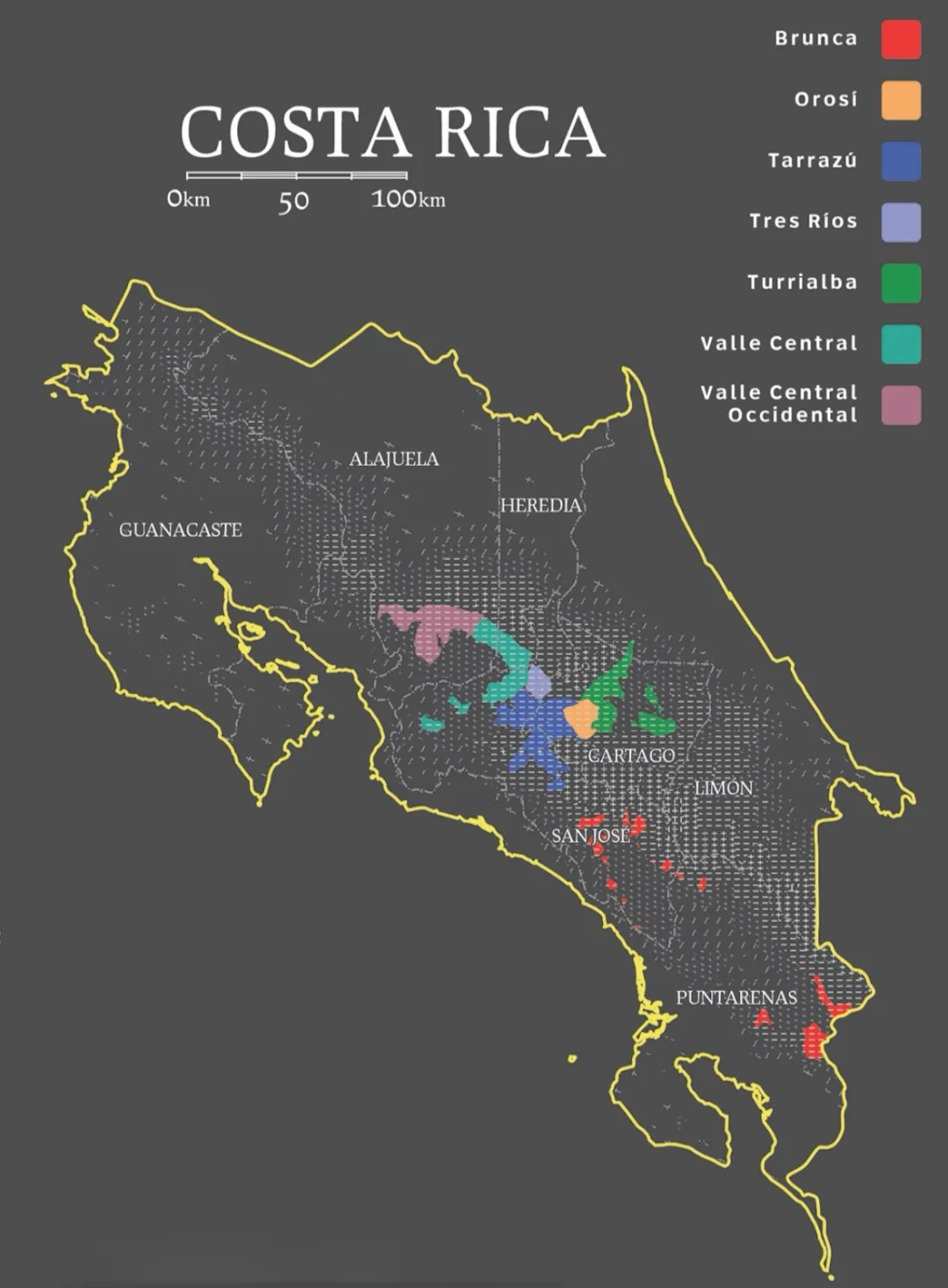
Costa Rica has seven coffee growing regions — Western Valley (Valle Central Occidental), Central Valley (Valle Central), Tarrazu, Tres Rios, Orosi, Brunca, and Turrialba — nearly all of them spread across the central mountain ranges.
Central Valley (Valle Central)
The Central Valley is Costa Rica's oldest coffee-growing area and the heart of its coffee industry, producing about 15% of the national total. At 1,200-1,600m elevation with a tropical highland climate, roughly 3,000mm of annual rainfall, and milder temperatures than lower areas, the harvest runs from November to March. Three high-altitude volcanoes — Irazu, Barva, and Poas — supply mineral-rich volcanic ash soil to the surrounding farms, giving the region excellent conditions for coffee.
Western Valley (Valle Central Occidental)
The Western Valley lies on the gentle slopes of the central mountain range at 1,000-1,200m and accounts for 25% of national production. Two volcanoes flank it on each side, providing fertile volcanic soil. Close to the coast and influenced by Pacific air currents, it enjoys pleasant temperatures, average annual humidity up to 81%, and abundant rain. The rainy and dry seasons are sharply divided, and plentiful sunshine in the dry season allows natural sun-drying (other regions mostly rely on machine drying). Harvest: November to March.
Tres Rios
Tres Rios is Costa Rica's smallest coffee region, at 1,000-1,600 meters. Like the Central Valley, it benefits from the fertile soils around Irazu Volcano. It has produced many world-famous coffees and is called the "Bordeaux" of coffee regions by enthusiasts. Harvest: December to March.
Orosi
Orosi sits at 900-1,200m in a narrow valley east of San Jose and has a century of coffee-growing history. Harvest: September to December.
Brunca
Brunca's coffee grows at 800-1,200m. Its flavors are relatively ordinary next to the famous regions, but it remains an important producing area, contributing 20% of national output. Harvest: August to January.
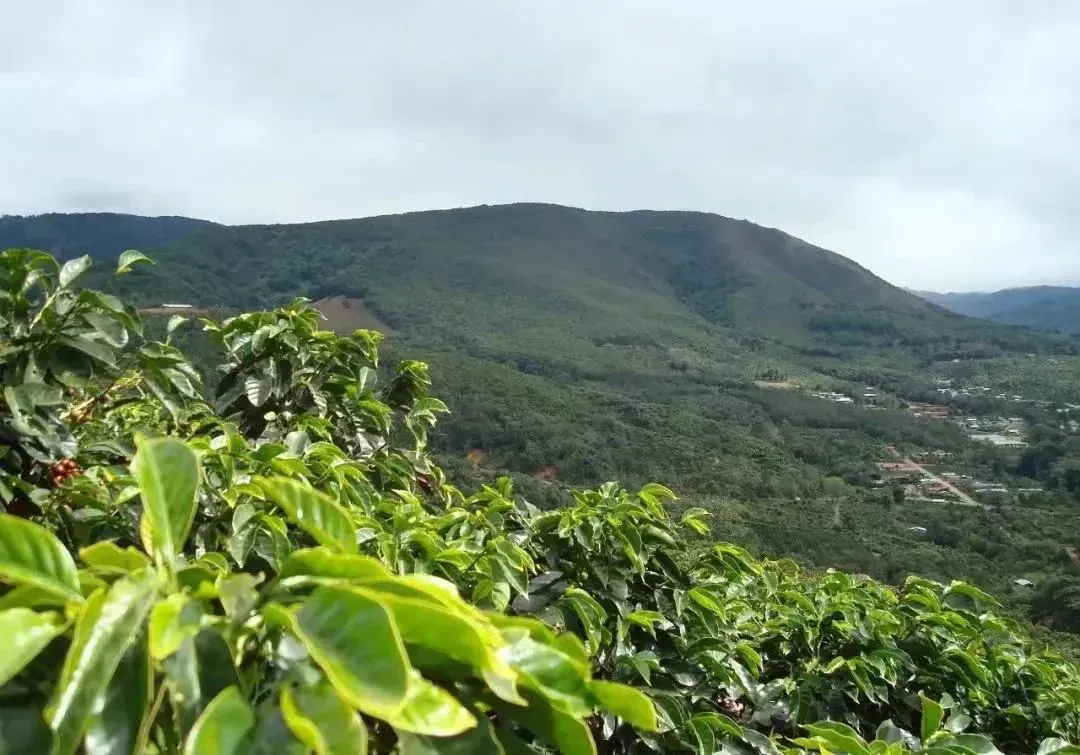
Turrialba
Turrialba lies at 600-900m. Here the dry and wet seasons blur into each other, so coffee trees may flower several times a year, which complicates harvesting. These conditions are far from ideal for commercial cultivation, so high-quality coffee from this region is rare.
Tarrazu
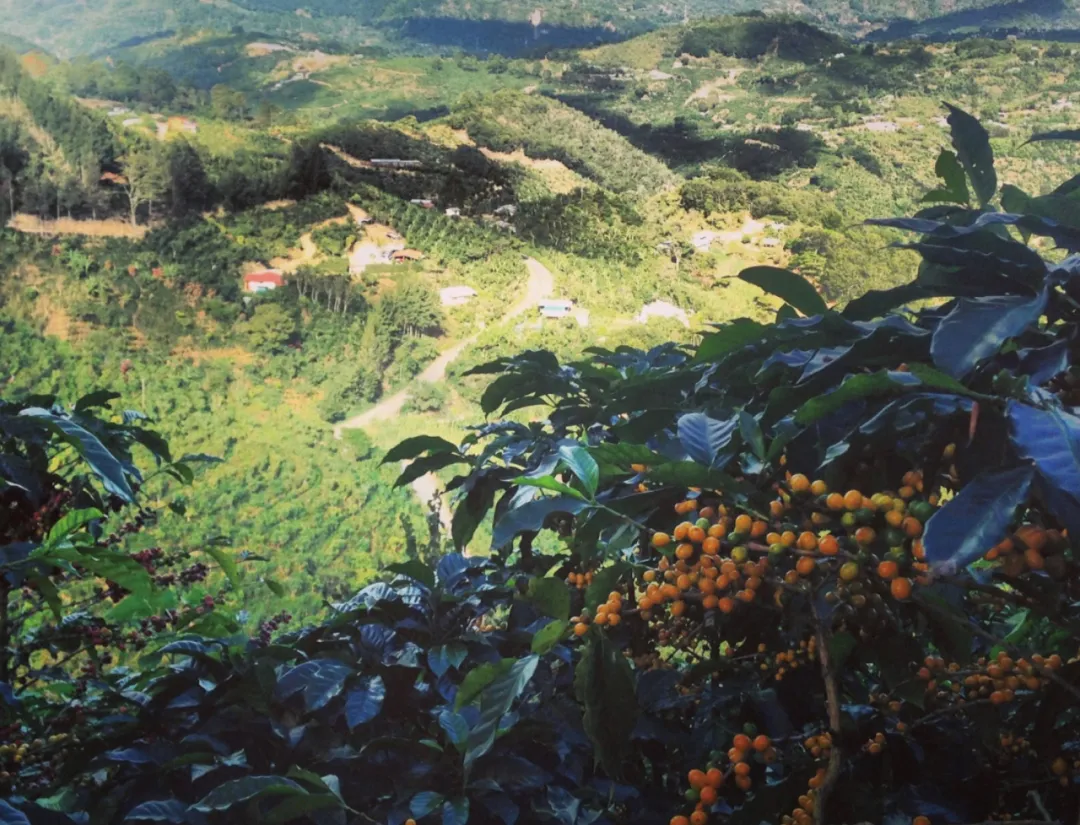
Tarrazu lies south of the capital, San Jose. It is Costa Rica's most famous region and one of the world's great coffee areas, producing 35% of the country's coffee. Elevations of 1,200-1,900m make it the highest region in Costa Rica; the humid climate, abundant rainfall, and fertile volcanic ash soil from nearby volcanoes make it exceptionally suited to coffee. Harvest: November to March. FrontStreet Coffee currently offers several Costa Rican beans — Mozart, Baha, Strawberry Candy, and the Costa Rica Entry Selection — all from Tarrazu.
Caturra and Catuai Varieties
Caturra
Caturra is a Bourbon mutation discovered on a plantation in Minas Gerais, Brazil, between 1915 and 1918. The name comes from the Guarani language and means "small." The plants have green leaves, tightly clustered berries, short internodes, and mostly red fruit. The beans are average in size and oval, slightly larger than Catuai's. The trees are short, allowing dense planting and higher yields, though the productive cycle is shorter than other varieties. Caturra suits high-altitude cultivation but is susceptible to leaf rust, nematodes, and berry disease.
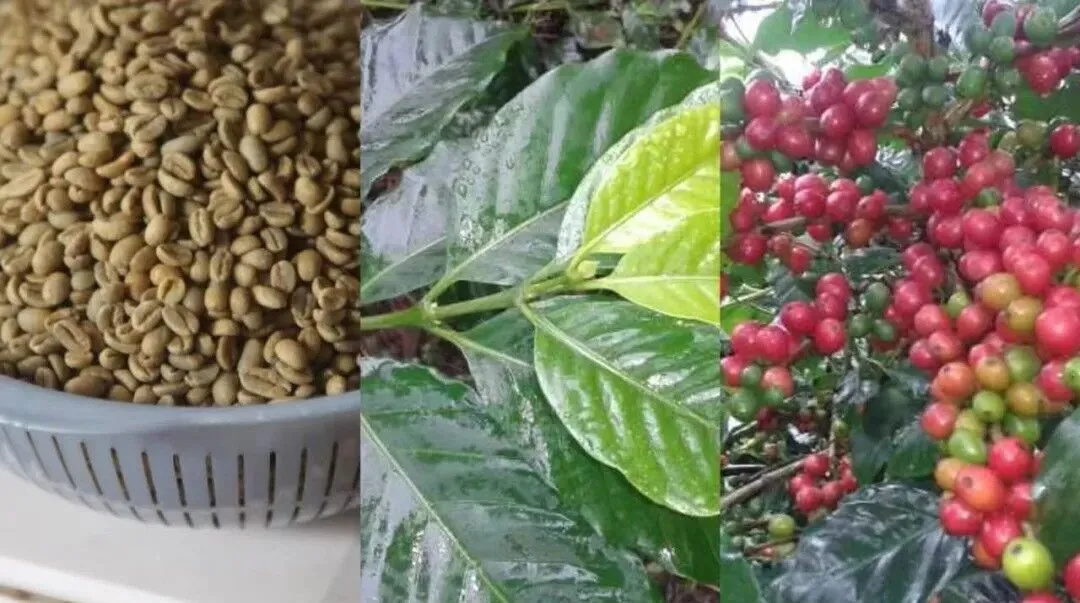
Catuai
Catuai was developed by the Instituto Agronômico de Campinas (IAC) in São Paulo, Brazil, as a hybrid of Mundo Novo and Caturra. Like Caturra, its plants have slender branches, green leaves with a slight curl, and tightly clustered, mostly red fruit. The beans are average in size and oval but smaller than Caturra's. The trees are short and suited to dense planting, yields are good, and like Caturra it suits high altitudes — but is vulnerable to leaf rust, nematodes, and berry disease.
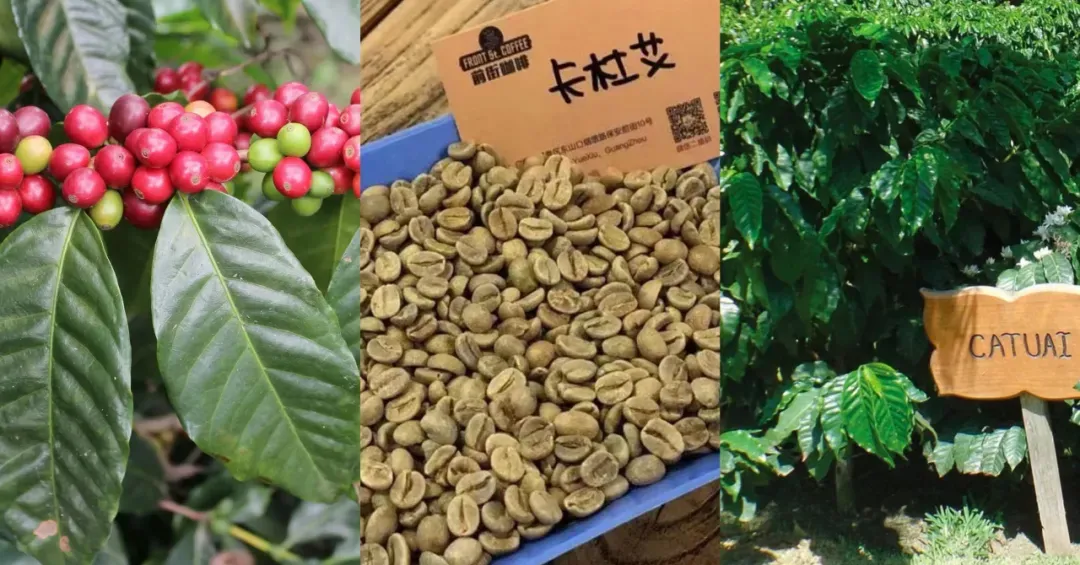
FrontStreet Coffee Costa Rica Entry Selection - Tarrazu Coffee Beans
Region: Tarrazu
Elevation: 1500 meters
Varieties: Caturra, Catuai
Processing Method: Washed
Flavor: Sweet orange, nuts, honey, toffee
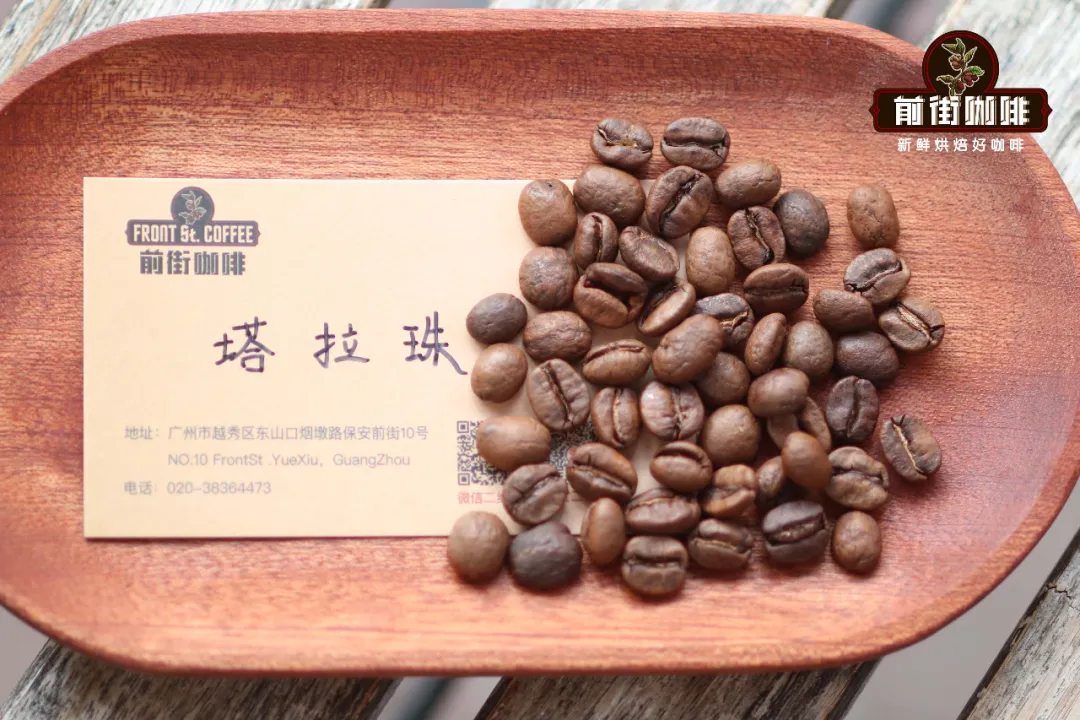
FrontStreet Coffee's Tarrazu beans are washed and roasted to a medium level. We brew them on a V60 at a 1:15 ratio with 92°C water. The cup opens with a touch of fruit acidity, then sweet orange, nuts, and honey, finishing with a toffee-like sweetness and a soft, smooth mouthfeel.
FrontStreet Coffee Recommendation
If Costa Rica's washed Tarrazu — all sweet orange, honey, and toffee — has won you over, the washed coffees of neighboring Panama make a fascinating next step. Panama's growing zones sit in Boquete, Volcan, Santa Clara, and Piedra de Candela, with Boquete and Volcan the most famous: both lie in Chiriqui, squarely in the heart of the coffee belt, blessed with fertile volcanic soil and old-growth forest.
FrontStreet Boquete Washed Gesha is the ideal entry into estate-level Gesha. Grown at 1,600 meters in Boquete, where mountain mists keep days humid and nights cool and the Baru volcano feeds the soil, the cherries ripen slowly and pack in the nutrients. The cup shows the jasmine florals, green tea, honey, citrus, and orange that only Gesha delivers.
For a taste of Gesha with a gentler price, FrontStreet Panama Washed Flower Butterfly carries half Gesha bloodlines — a blend of Gesha, Caturra, and Catuai grown on the Baru volcano slopes, where plentiful rain, big day-night temperature swings, and volcanic rock soils give it excellent body, bright citrus acidity, and jasmine fragrance; wonderful as pour-over or cold brew. And for the pinnacle, FrontStreet Esmeralda Red Label Gesha comes from a single plot above 1,700 meters, cupping at 91 points, with that refined orange-blossom honey sweetness that made Esmeralda the discoverer and champion of Panama Gesha.
Important Notice :
FrontStreet Coffee is a long-established specialty coffee roaster in Guangzhou China, selling freshly roasted beans from its own farm in Yunnan as well as dozens of carefully selected single-origin beans from around the world for both pour-over and espresso. The products deliver consistently excellent quality and great value, with shipping within 24 hours. Guangzhou's FrontStreet Coffee shop is recommended by many coffee lovers, and the beans are now available online at the Tmall 。
FrontStreet Coffee has moved to a new address:
FrontStreet Coffee Address: 315,Donghua East Road,GuangZhou
Tel:020 38364473
 Scan and follow the En Gafei WeChat official account. Please indicate that the reprint comes from "En Gafei".