
Indonesia | Introduction to Lintong Mandheling Coffee Beans - An Entry Selection from the Sumatra Region
Indonesia
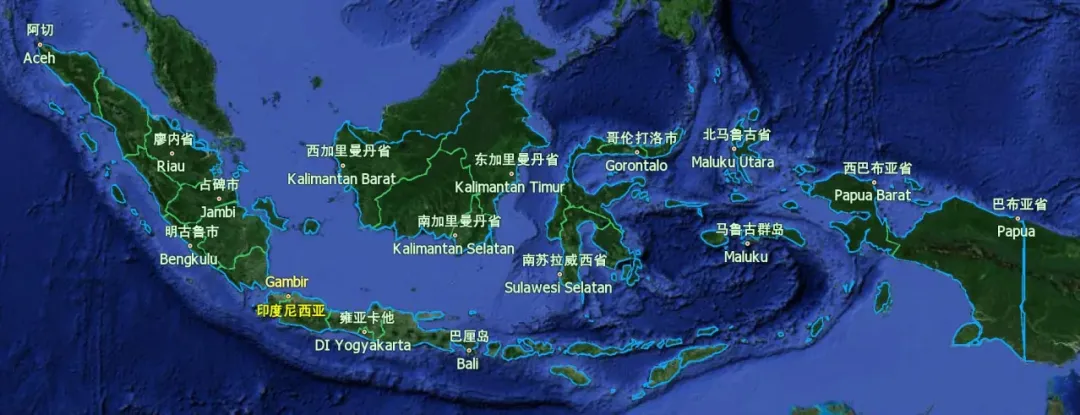
In Southeast Asia sits a country known as the "Land of a Thousand Islands" — the Republic of Indonesia. The world's largest archipelagic nation, it is made up of 17,508 islands, the largest of which include Kalimantan, Sumatra, Sulawesi, and Java. Indonesia borders Papua New Guinea, East Timor, and Malaysia, and its territory spans both Asia and Oceania. Covering 1,913,578.68 square kilometers, it is a vast, populous country — the fourth most populous on Earth, home to hundreds of ethnic groups.
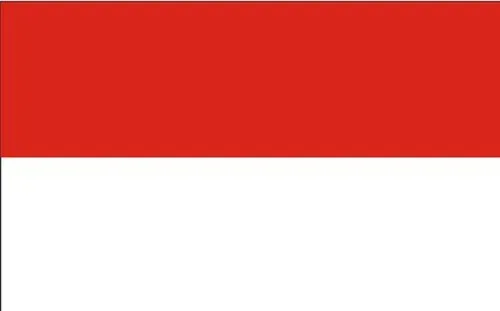
The name "Indonesia" derives from the Greek words "Indus" (India) and "nèsos" (islands). The national flag consists of two horizontal bands, red over white, nicknamed "Glory Red and White." Red symbolizes courage, justice, and the prosperity that followed independence; white stands for freedom, justice, and purity — and expresses the Indonesian people's rejection of aggression and love of peace.
Indonesia is the largest economy in ASEAN, driven by agriculture, industry, and services. A major agricultural nation and the world's fourth-largest coffee producer, its key cash crops include palm oil, rubber, cocoa, and coffee. The country's agricultural success owes much to its position straddling the equator: a tropical rainforest climate keeps the weather mild and humid year-round, with average temperatures between 25°C and 27°C, and monsoons divide the year into dry and wet seasons. Rich in natural resources and laced with rivers, Indonesia has a forest coverage of 67.8% — and plenty of volcanoes and earthquakes. But volcanic ash enriches the soil with minerals, which is a gift for crops like coffee.
Coffee Growing Regions
Today, coffee grows on several Indonesian islands, with the growing regions named after them: Sulawesi, Bali, Java, and Sumatra.
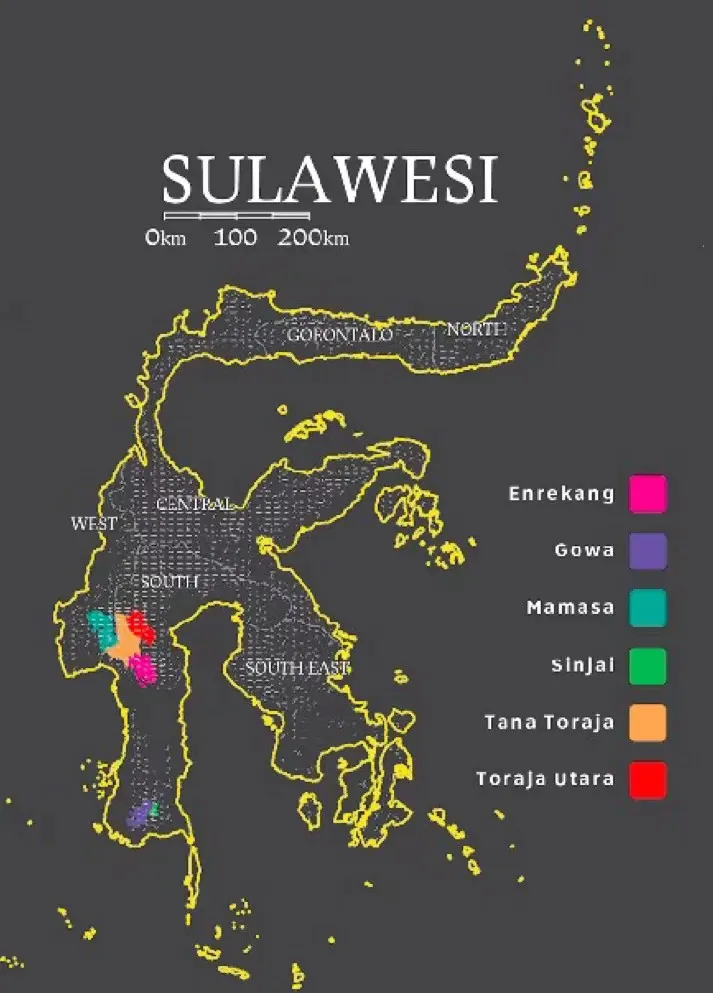
Sulawesi: Coffee arrived on Sulawesi in 1750. Today seven large estates on the island produce just 5% of its coffee; the vast majority still comes from smallholders. Most of the island's Arabica grows in the high-altitude Tana Toraja area and around the southern city of Kalosi. At elevations of 1100–1800 meters, the main varieties are S795, Typica, Ateng, and Robusta, harvested from May to November.
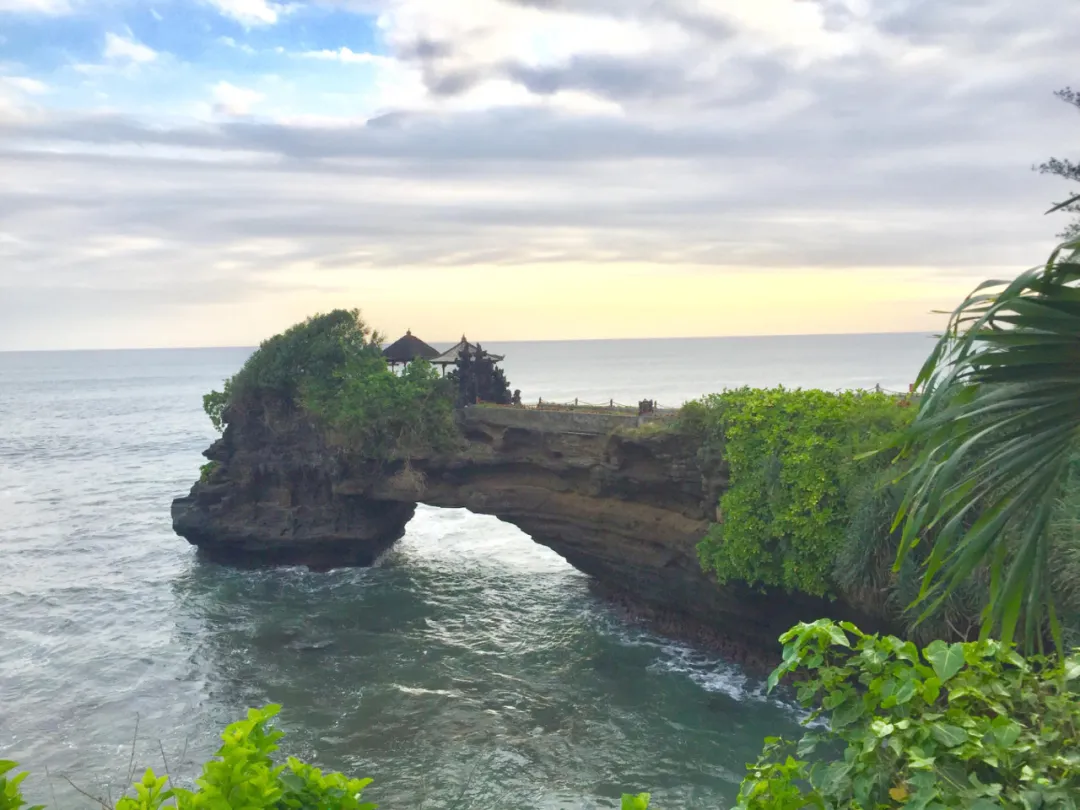
Bali: Bali's coffee industry was devastated when Mount Agung erupted in 1963. In the 1970s and 1980s the government began encouraging coffee cultivation, but the Arabica seedlings provided at the time never took off, and eventually 80% of the island planted Robusta. Tourism, meanwhile, became the island's most important income source. Bali's coffee grows at elevations of 1250–1700 meters, mainly Robusta and Typica, harvested from May to October.
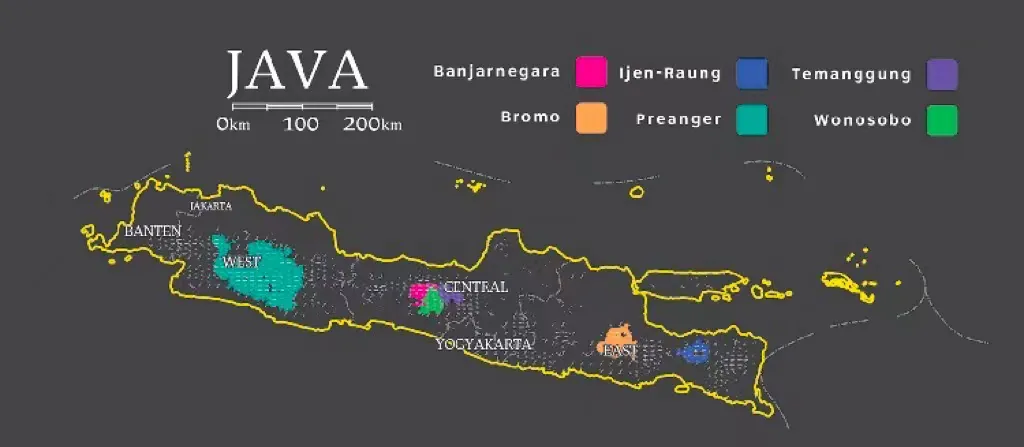
Java: This is where coffee was first cultivated in Indonesia. Today four major estates on Java cover a total of 4,000 hectares, with most coffee grown in the island's east near the Ijen volcano. At elevations of 900–1800 meters, the main varieties are Typica, Ateng, and USDA, harvested from July to September.
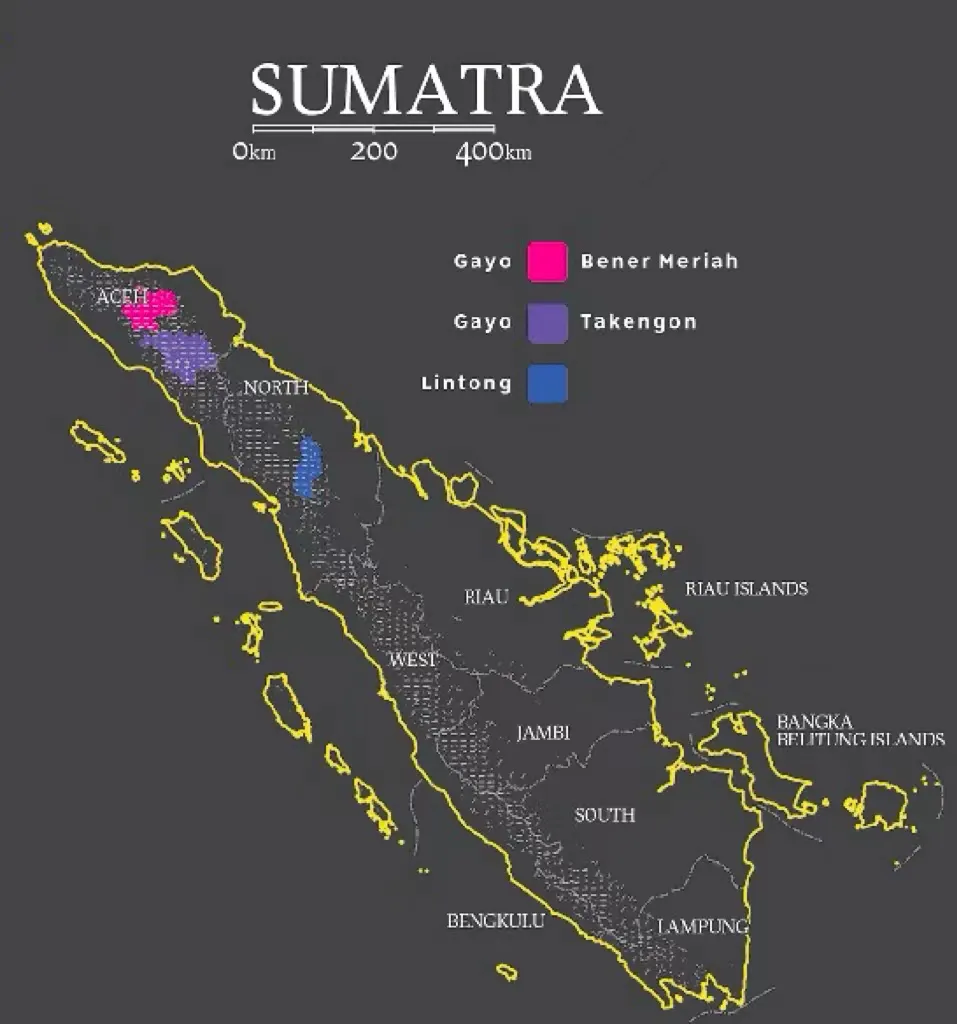
Sumatra: Coffee cultivation began on Sumatra in 1888. The island has three main producing regions: Aceh Province, Lintong near Lake Toba, and Mangkuraja in the south. Aceh and Mangkuraja sit at elevations of 1100–1300 meters, while the area around Lake Toba ranges from 1100 to 1600 meters. The Lintong region lies in the Lintong Hutta area southwest of Lake Toba. Historically, coffee from here was sold under the name "Sumatra Mandheling" — and Mandheling is not a place name at all, but the name of an ethnic group on the island. Sumatra mainly grows Typica, Tim Tim, and Ateng, with harvesting from September to December.
The Ateng Variety
Ateng is often assumed to be a new variety, but it is in fact Catimor — "Ateng" is simply the local Indonesian name for it. Likewise, Indonesia's TimTim is the local name for the Timor Hybrid. Catimor is a cross between the Timor Hybrid and Caturra, forming a first-generation (F1) hybrid group.
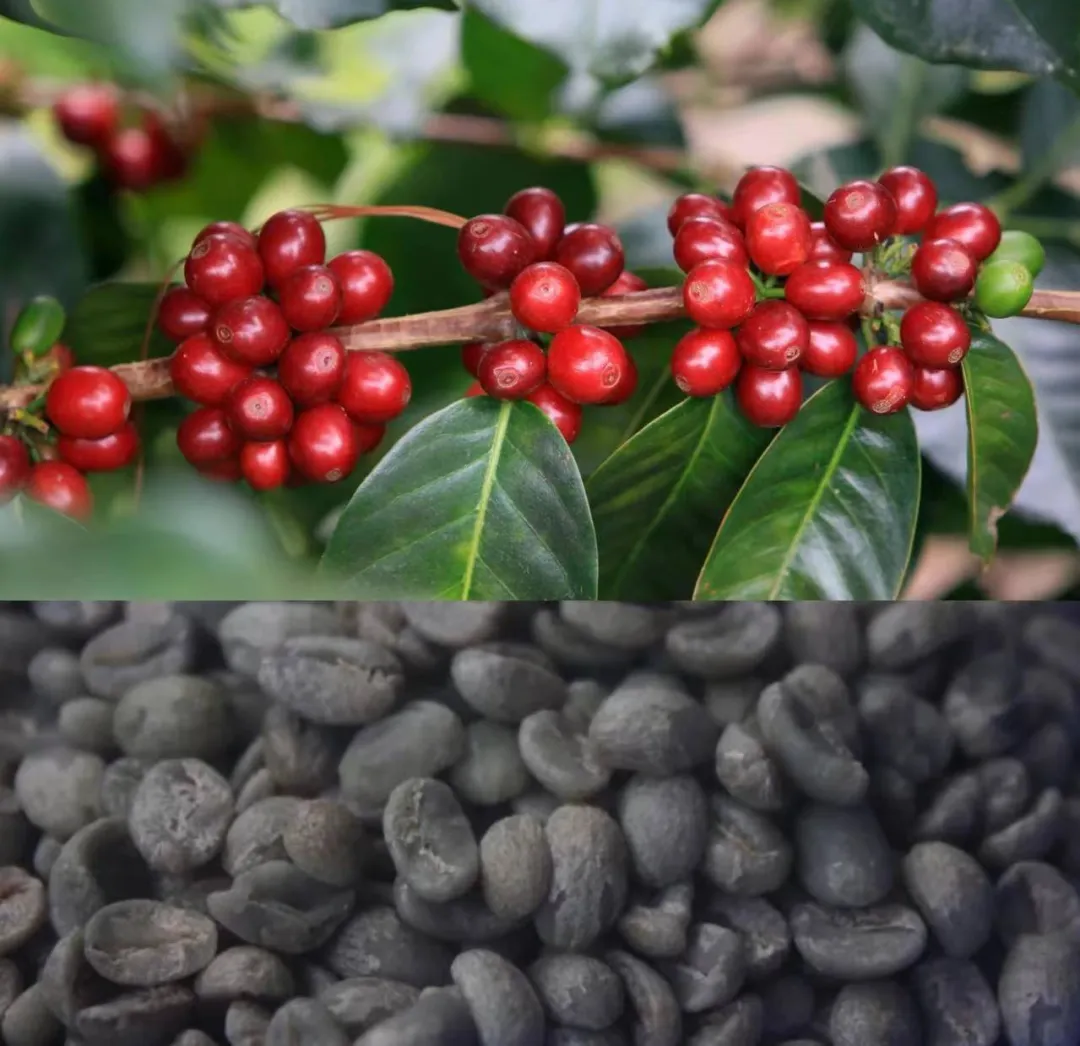
On the plant, Catimor shows green or bronze tips on its young terminal leaves, with many branches and short internodal spacing. The cherries are mainly red, and the green beans are long, thick, and large. The plant itself is relatively compact and tolerates dense planting. It resists coffee leaf rust but is susceptible to nematodes and coffee berry disease. Suited to mid and low altitudes, it delivers high yields.
FrontStreet Coffee Indonesia Selected Lintong Mandheling Coffee Beans
Region: Sumatra
Altitude: 1100-1600 meters
Variety: Ateng
Processing Method: Wet-Hulled
Flavor: Dark chocolate, herbal, caramel, sweet aftertaste
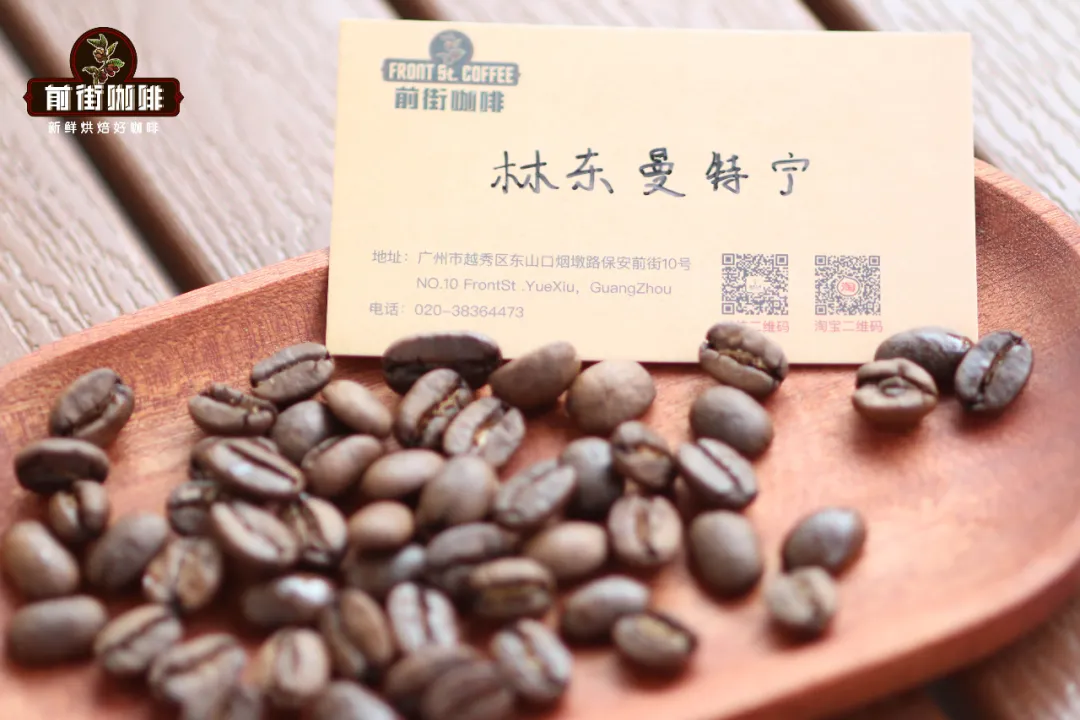
This entry-level selected Lintong Mandheling from FrontStreet Coffee is wet-hulled and roasted dark. FrontStreet Coffee brews it on a KONO dripper at a 1:15 ratio with 92°C water: herbal and dark chocolate notes up front, a caramel-like richness through the middle, and a sweet, lingering aftertaste.
FrontStreet Coffee Recommendation
Indonesia's rains overlap with coffee harvest season, which is why Sumatra developed its signature wet-hulled method — hulling the parchment off beans that are still semi-dry to speed up drying, and in the process picking up the wild, earthy-herbal character Mandheling is famous for. To taste that bold profile, try FrontStreet Coffee's Lintong Mandheling: fragrant and full-bodied, with clove and woody aromatics, low acidity from its medium-dark roast, and a strong, enduring sweetness.
For the finest expression of Mandheling, FrontStreet Coffee's PWN Golden Mandheling is the benchmark. Produced by Indonesia's PWN company to strict standards — beans of 18 screen size and above, fewer than 3 defects per 300g sample (G1 grade), plus three rounds of hand sorting — it brews into a black coffee with remarkable cleanliness, a thick, syrupy body, and prominent caramel sweetness. For the best result, brew it as pour-over: 15g of coffee at a coarse-sugar grind, a 1:15 ratio, 87–88°C water, and a three-stage pour to bring out its full body and caramel sweetness.
Important Notice :
FrontStreet Coffee is a long-established specialty coffee roaster in Guangzhou China, selling freshly roasted beans from its own farm in Yunnan as well as dozens of carefully selected single-origin beans from around the world for both pour-over and espresso. The products deliver consistently excellent quality and great value, with shipping within 24 hours. Guangzhou's FrontStreet Coffee shop is recommended by many coffee lovers, and the beans are now available online at the Tmall 。
FrontStreet Coffee has moved to a new address:
FrontStreet Coffee Address: 315,Donghua East Road,GuangZhou
Tel:020 38364473
 Scan and follow the En Gafei WeChat official account. Please indicate that the reprint comes from "En Gafei".

