
How Much Milk Do Different Espresso-Based Milk Coffees Need? What's the Ideal Coffee-to-Milk Ratio?
Italian milk coffee is an umbrella term for every drink made by adding milk to espresso. There are many types on the market, and each has its own way of being prepared. Since there is no single unified standard, the parameters for the same drink vary with each maker's understanding of it.
Discussions about milk coffee are endless, and the coffee-to-milk ratio is always a favorite topic. To make a delicious milk coffee, controlling that ratio is crucial. So what ratios suit different milk coffees? How much milk should go in? Let's break it down.
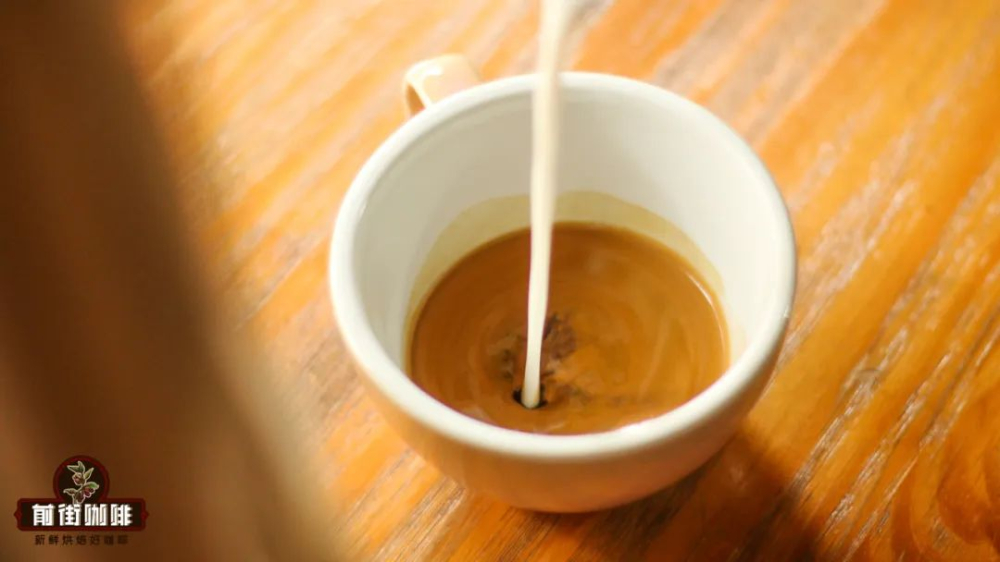
Start with the Character
Different milk coffees have different characters, which is why they can stand as separate products. When we choose one in a coffee shop now, it is less out of confusion over the names, as it might be on a first visit, and more out of wanting to taste that particular drink's character. So when we set out to make a good milk coffee, the first thing we need to know is what that drink is about.
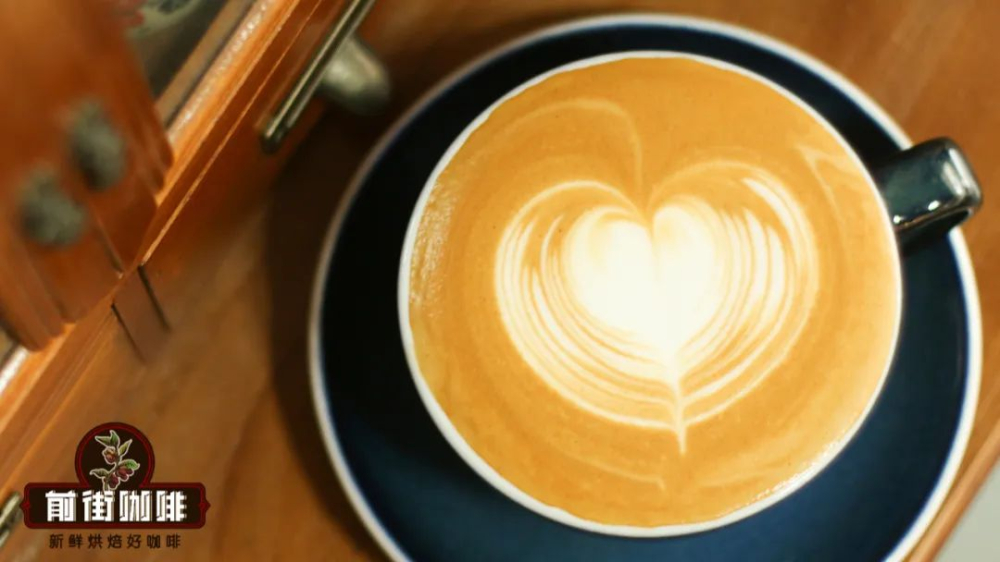
Note that the milk and coffee ratios in this article are based on the materials FrontStreet Coffee uses. Your beans and milk may differ, so these parameters are not absolute. Different beans and different milk express themselves differently, which is why the pairing logic matters most. Understand the character, and you can create the character.
Latte
Latte's popularity comes down mainly to milk. When most people first try coffee, they have little concept of tasting flavors and understand coffee only as "bitter." A generous pour of milk dilutes the coffee's concentration and bitterness, lowering the barrier for anyone who cannot handle bitter drinks, while the milk does not mask the coffee's inherent flavors as it dilutes them. The two complement each other, and the sweetness of milk blends with the aroma of coffee, producing a latte that suits almost everyone.
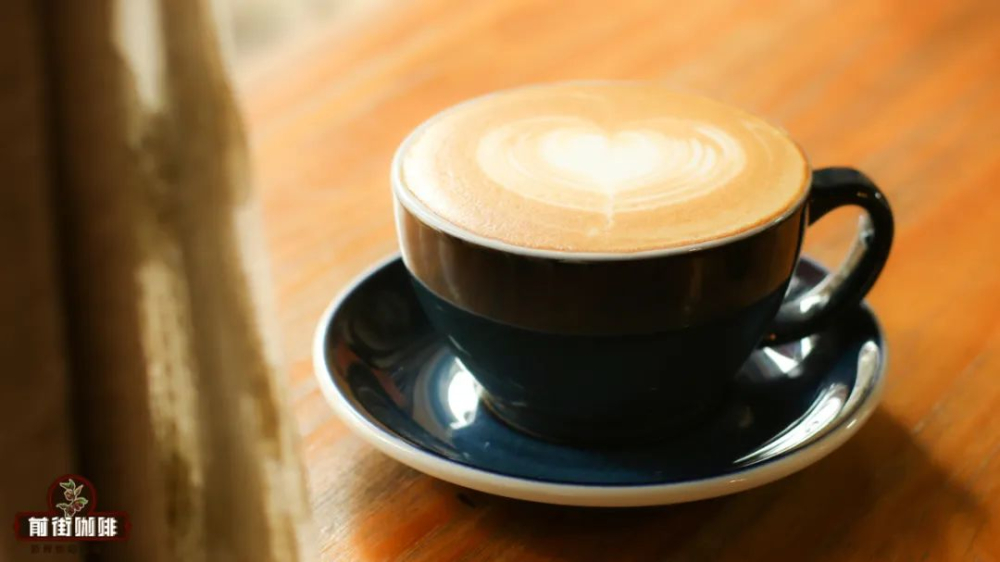
The key to a latte is therefore simple: find the balance point between coffee and milk so their flavors stay in equilibrium, neither covering the other, and end up complementing each other. FrontStreet Coffee's latte ratio is 1:5, using 40 ml of espresso and 200 ml of milk. At that ratio, milk and coffee sit in a very balanced state, and once fully fused, the overall taste is full and sweet.
Cappuccino
As we mentioned in articles a few days ago, cappuccino's thick milk foam is one of its defining features. It not only makes the texture more delicate but also reduces the amount of milk, increases the proportion of coffee, and makes the drink more concentrated.
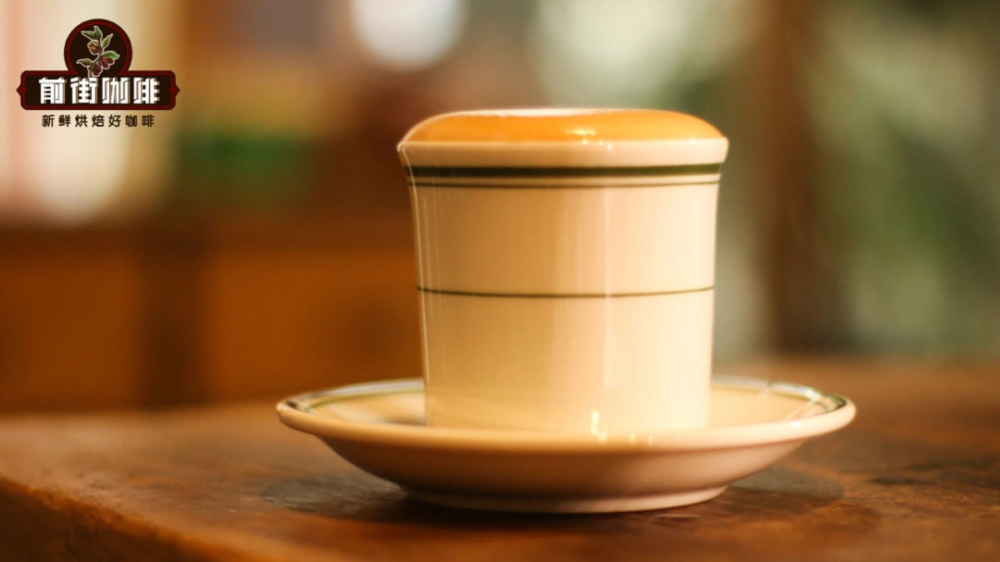
The key to a cappuccino, then, is more foam and less milk. The taste of milk cannot stand on equal footing with the coffee; the coffee flavor needs to be more prominent. So FrontStreet Coffee uses a ratio of 1:4, with 40 ml of espresso and 160 ml of milk. At that ratio, the coffee flavor is more prominent without becoming too concentrated, thanks to the milk. Frothing then yields a relatively thick foam, and the overall taste is delicate with a very rich coffee flavor.
Dirty Coffee
Dirty coffee is interesting because its espresso and milk remain in layers, so there is no need to worry about the amount of milk affecting the coffee flavor.
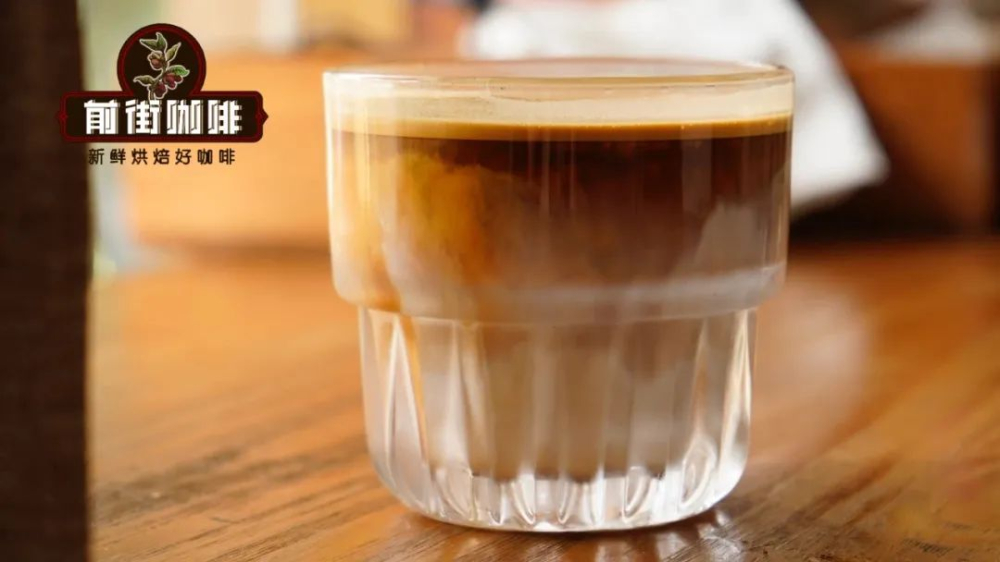
As mentioned at the start, though, some newcomers might order a cup out of curiosity without knowing what it is, then stir it and drink it. So we still need to pay attention to the milk, keeping it in a state that tastes good even after stirring. The ratio FrontStreet Coffee uses is 1:4, that is 40 ml of espresso and 160 ml of milk. Made this way, a Dirty can be finished in just a few sips with the normal drinking method, and even stirred and mixed, newcomers still get a "latte" with an appropriate concentration.
Flat White
Finally there is the Flat White, which has two different preparation methods. One uses traditional Italian espresso as the base, and the other uses Ristretto.
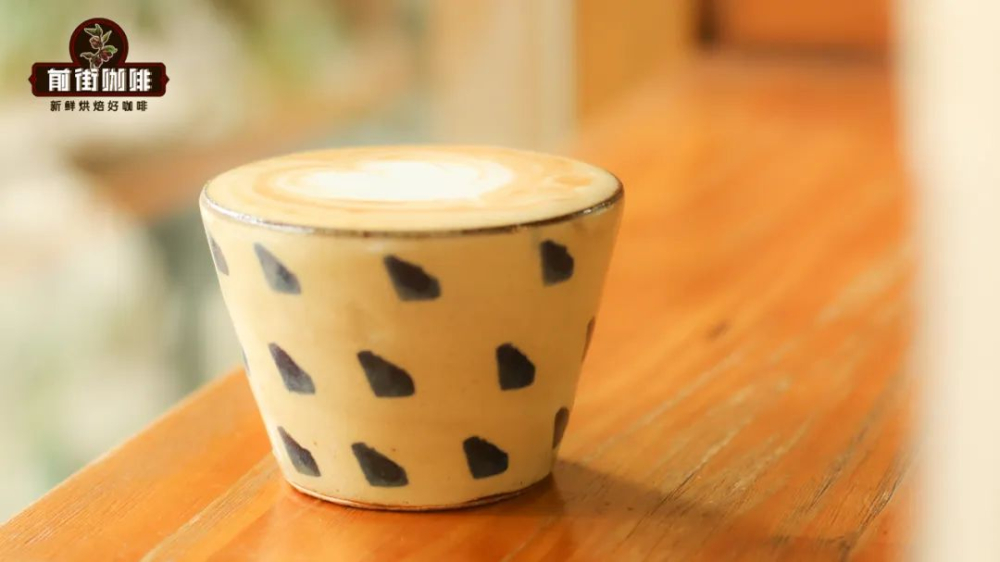
Flat White emphasizes the flavor of the coffee itself but does not have the high coffee concentration of a cappuccino. So when using traditional espresso, FrontStreet Coffee uses a ratio of 1:4.5, that is 40 ml of espresso and 180 ml of milk. When using Ristretto as the base, the ratio widens, because Ristretto has fewer bitter compounds and is easily covered by the flavor of milk. FrontStreet Coffee uses a ratio of 1:4 to make a Flat White with Ristretto, that is 30 ml of coffee and 120 ml of milk. Made this way, the Flat White is very fragrant, silky, and mellow.
Final Thoughts
Again, these parameters are adjustments made based on FrontStreet Coffee's blend and milk, and may not apply to the blends and milk you have at home. Pair according to the flavor of your own beans and the richness of your milk, and you will make a delicious Italian milk coffee.
- END -
FrontStreet Coffee Recommendation
For pairing with milk, FrontStreet Coffee Classic Blend is a first choice. Designed specifically for espresso and moka pot use, it delivers outstanding crema that even a beginner can pull on a non-professional home machine, and its traditional Mamba blend recipe gives a full, warm body that suits latte, cappuccino, and Dirty alike.
If you prefer a pronounced nutty character in your milk coffee, FrontStreet Coffee Premium Blend is a medium-dark roasted espresso blend of Brazil Cerrado and Colombia Huila. Its nut, dark chocolate, and caramel notes come through whether you make an Americano, latte, or flat white, with a creamy, almond, and cocoa softness that holds its own against milk.
Important Notice :
FrontStreet Coffee is a long-established specialty coffee roaster in Guangzhou China, selling freshly roasted beans from its own farm in Yunnan as well as dozens of carefully selected single-origin beans from around the world for both pour-over and espresso. The products deliver consistently excellent quality and great value, with shipping within 24 hours. Guangzhou's FrontStreet Coffee shop is recommended by many coffee lovers, and the beans are now available online at the Tmall 。
FrontStreet Coffee has moved to a new address:
FrontStreet Coffee Address: 315,Donghua East Road,GuangZhou
Tel:020 38364473
 Scan and follow the En Gafei WeChat official account. Please indicate that the reprint comes from "En Gafei".

