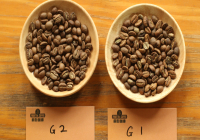
How much coffee beans do you need for pour-over coffee? Can you brew a cup with less than 15 grams of grounds?
How Many Beans Do You Need for Pour-Over?

A single bag often does not divide evenly into brews. Take a 100g bag where each brew needs 15.5g — 15g for brewing and 0.5g to purge the grinder. That bag covers 6 brews, 93g in total, leaving about 7g of beans.
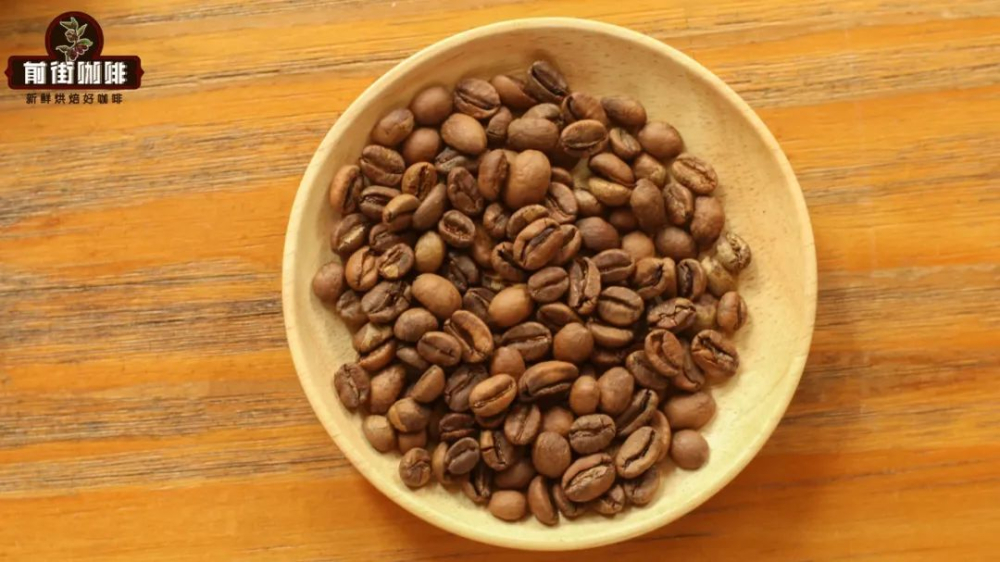
That is only an example — in reality the leftover might be more or less — but what is certain is that it probably will not be enough for your usual pot. So the question is: how do you use beans that fall short of a full brew? Let's first see what FrontStreet Coffee does.
1. Brew It Directly
When about 10g of beans remain, FrontStreet Coffee simply brews them, since that is right at the lower limit for a #01 filter cup below which it becomes hard to brew well. Too little coffee thins the bed and speeds up percolation, though, so to brew a pot with a suitable flavor we need to make certain adjustments to our technique.
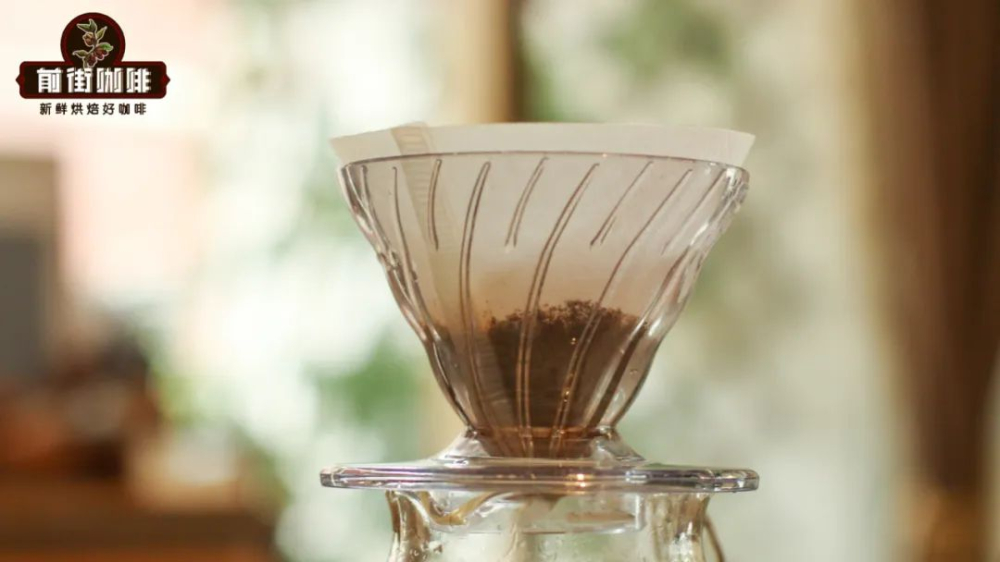
Here is how FrontStreet Coffee does it: keep the same coffee-to-water ratio, but grind finer to offset the reduced extraction efficiency caused by the too-fast flow; and use a small stream throughout, pouring slowly, which extends the extraction time for a more complete result.
2. Create a Blend
When one bean is short of a full brew and you have another type on hand, you can make a blend, simply topping up to the amount one pot needs — something FrontStreet Coffee does often.
Blending needs thought, though. Put two completely incompatible beans together and the result can be unimaginably bad. (Consider the Mandheling-and-Geisha mix a FrontStreet Coffee colleague brewed one morning.) So, to avoid wasting expensive beans and to make a genuinely good blended coffee, FrontStreet Coffee suggests following the logic below before blending.
Similar Roast Levels
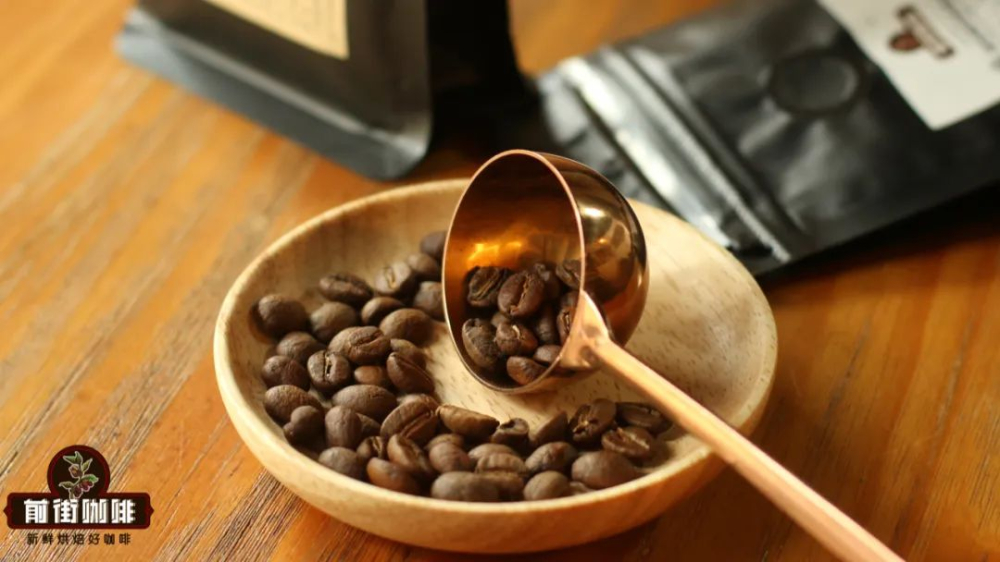
As everyone knows, different roast levels give beans different characters. Light-roast beans are relatively hard and need strong extraction; dark-roast beans are more porous and need gentle extraction. Blend these two types with such different needs and it is hard to find parameters that extract both perfectly.
So the prerequisite for blending is similar roast levels. With two beans of similar roast, blending them can create unexpectedly wonderful flavors as their differences merge.
3. Make Decorative Items
In yesterday's article, FrontStreet Coffee mentioned that coffee has over 130 different species, with many varieties under each one. They come in all shapes and sizes. So if you are a serious enthusiast, you could absolutely turn the leftover beans into specimens for a collection.
Making specimens is not as hard as people imagine. As long as the beans have not released their oils, all you need is a clean, transparent sealed bottle to keep them from spoiling even in long-term storage.
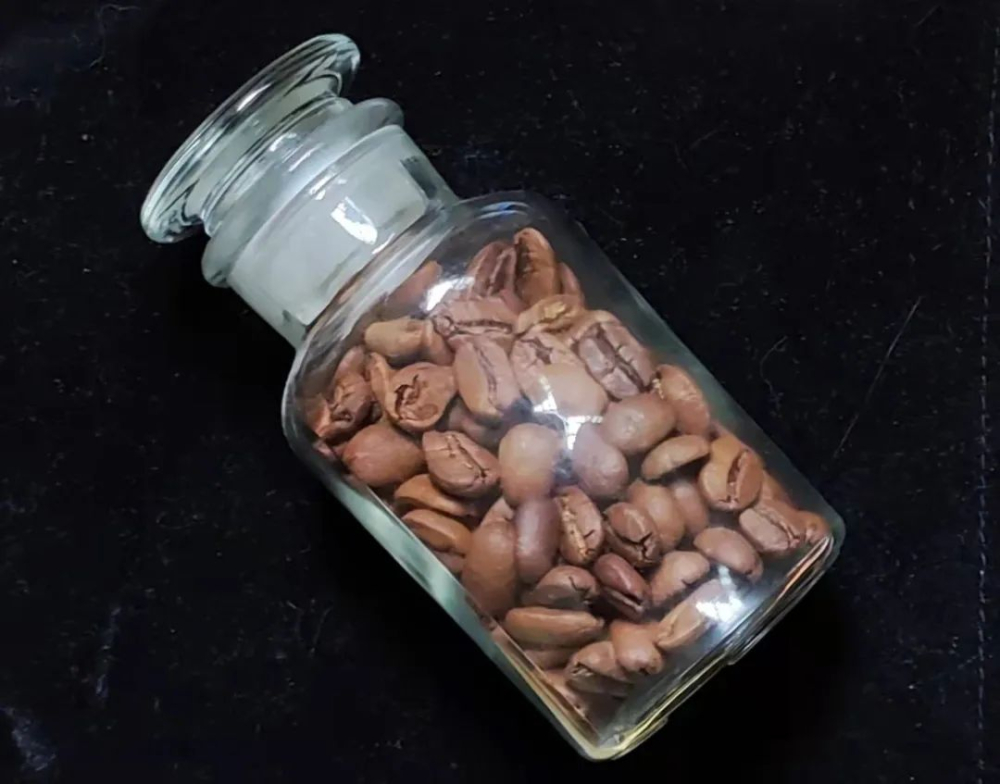
Alternatively, you could make decorative coffee items that last less long but look beautiful — the increasingly popular coffee-bean Christmas trees, coffee-bean ornaments, and the like. They offer visual pleasure and also absorb odors in a space, which is quite nice.
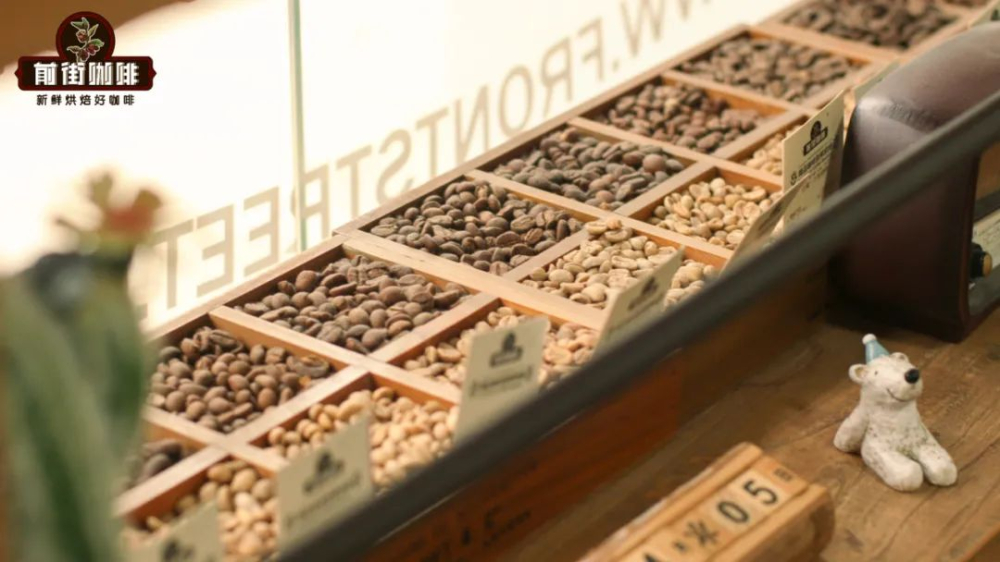
So, how would you handle beans that are not enough for a full brew?
- END -
FrontStreet Coffee Recommendation
When your leftover beans only make a small pot, it helps to have a single origin that shines at lighter doses on the pour-over bar. FrontStreet's Ethiopia Yirgacheffe Gourdine Cooperative is a washed G1 lot from Yirgacheffe that brings clear jasmine florals and bright citrus acidity, light and elegant with a tea-like body — the kind of cup that rewards a careful, slow pour.
For a sweeter, more tropical pour-over, FrontStreet's Flower Queen and the Strawberry Candy blend are also built for the V60. There is a reason so many of these floral, fruity coffees end up in a cone dripper: with the V60's single large hole and 60° cone, the water must travel to the center before it drops through, which lengthens contact with the grounds and draws out aroma and flavor — and lets a bright, delicate coffee show exactly what it is made of.
Important Notice :
FrontStreet Coffee is a long-established specialty coffee roaster in Guangzhou China, selling freshly roasted beans from its own farm in Yunnan as well as dozens of carefully selected single-origin beans from around the world for both pour-over and espresso. The products deliver consistently excellent quality and great value, with shipping within 24 hours. Guangzhou's FrontStreet Coffee shop is recommended by many coffee lovers, and the beans are now available online at the Tmall 。
FrontStreet Coffee has moved to a new address:
FrontStreet Coffee Address: 315,Donghua East Road,GuangZhou
Tel:020 38364473
 Scan and follow the En Gafei WeChat official account. Please indicate that the reprint comes from "En Gafei".