
Why Should Pour-Over Coffee Be Drank Hot? The Underlying Logic of Japanese Iced Pour-Over!
Pour-over coffee is an extraction method that combines quality, speed and convenience. In a short time it fully expresses the flavor of the beans, which is why it is the most popular order at FrontStreet Coffee.
Whenever a customer chooses pour-over at FrontStreet Coffee, we always ask whether they would like it served cold or hot. If they want to experience the bean's flavor, FrontStreet Coffee recommends brewing it hot. Many customers find this puzzling. Why should hot pour-over be the way to taste the flavor? Is iced not just as good?
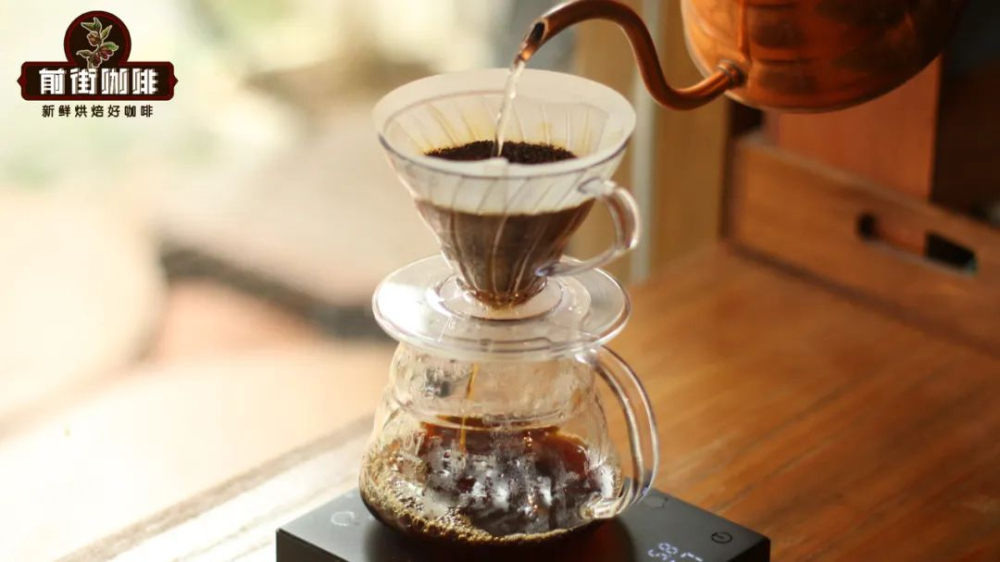
Why Hot Brew for Better Flavor?
This is actually easy to understand. Once we know the brewing logic behind the two methods, it becomes clear why hot brew is recommended for tasting flavor. Like most espresso, pour-over began as a hot brewing method before iced brewing was developed. Among iced pour-over techniques, the most widespread is Japanese iced pour-over, the ice-cooling method we use today.
It is worth knowing that Japanese iced pour-over is an improved method built on hot pour-over. Let us first look at how the brewing parameters differ between the two, using FrontStreet Coffee's parameters for light-roasted beans as an example.
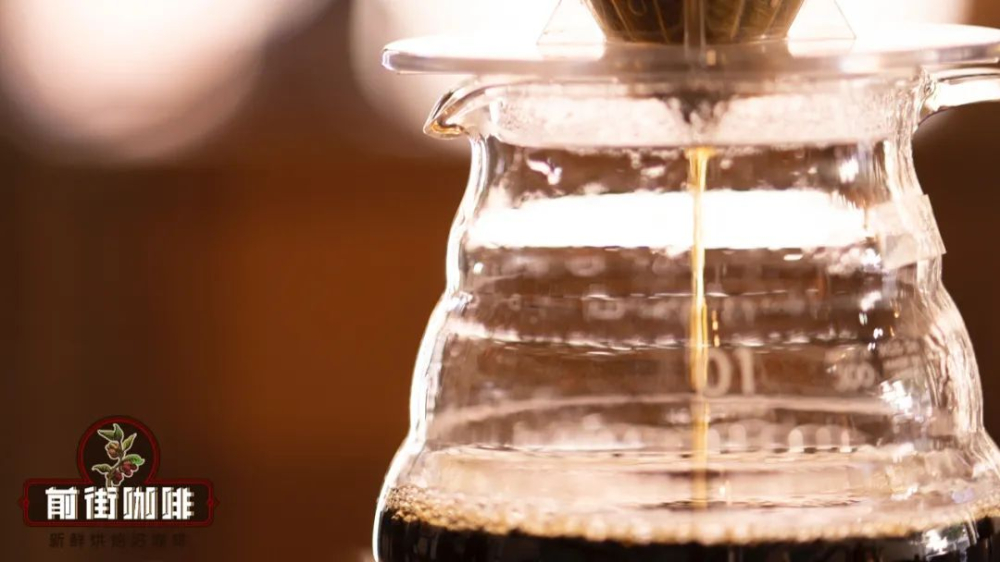
The parameters for hot brew are: 15g of coffee; a coarse sugar grind (EK43 setting 10; 80% pass-through rate with a #20 sieve); a water temperature of 92°C; a 1:15 coffee-to-water ratio (15g of coffee with 225ml of hot water); and a brewing time of about 2 minutes.
The parameters for iced brew are: 15g of coffee; a fine sugar grind (EK43 setting 9.5; 75% pass-through rate with a #20 sieve); a water temperature of 92°C; a 1:10:6 coffee-to-water-to-ice ratio (15g of coffee with 150ml of hot water and 90g of ice); and a brewing time of about 1 minute 30 seconds.
As you can see, the hot brew parameters follow the golden ratio of golden cup extraction, which extracts the flavor compounds from coffee more completely. Compared with hot brew, iced brew uses a finer grind, and with the added ice and less hot water, the brewing time is correspondingly shorter. This difference exists to cool the coffee rapidly. But brewing at the original ratio and then adding ice would obviously lower the coffee-to-water ratio and dilute the concentration.

Japanese Innovation in Iced Brew
So the Japanese developed a high-concentration, low-extraction method. By moving to a finer grind and raising the coffee-to-water ratio to improve extraction efficiency, they get a cup of high-concentration coffee. Then they add an appropriate amount of ice to dilute it, producing an iced pour-over with a concentration comparable to hot brew.
This method, however, builds concentration rather than extraction. To draw the flavor compounds out of coffee as completely as possible during brewing, both sufficient water and sufficient time are essential. Even with a finer grind and higher extraction efficiency, the shortfall of hot water means the brew cannot reach its later stages. Without the compounds from those later stages, flavor and aftertaste are noticeably weaker.
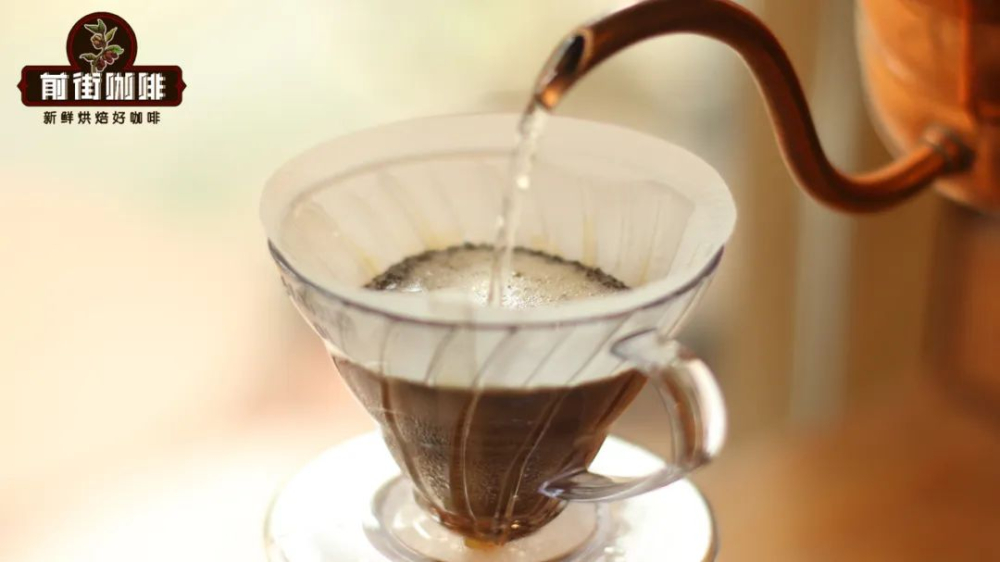
Why Hot Brew Excels in Flavor
Iced pour-over therefore expresses less flavor than hot pour-over does. If you want the complete flavor expression of the beans, hot pour-over is the optimal choice. And hot brew's advantages go beyond complete flavor: its aroma is more prominent too. What is more, from the moment coffee is extracted at 70°C until it cools, the taste and flavor are constantly changing, which means we can enjoy rich layers of change during that time. That is another major advantage of hot brewed coffee.
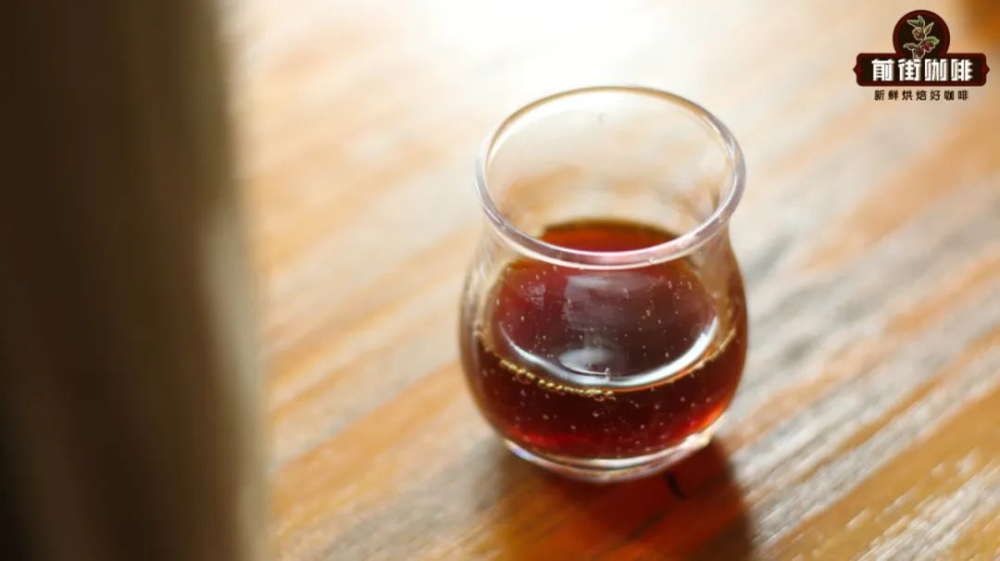
The Merits of Iced Brew
None of this means iced brew is inferior to hot brew; it is simply that hot pour-over has the edge when it comes to expressing a bean's flavor. Iced pour-over has plenty of merits of its own. It sacrifices the compounds of the later stages, giving less complexity in flavor, layers and aftertaste than hot brew, but precisely because those later-stage compounds are absent, it tastes cleaner with higher sweetness. Above all, the sensation of low temperature is incredibly refreshing. Taking a sip in summer is simply too comfortable.

FrontStreet Coffee Recommendation
Iced pour-over and cold brew both amplify floral and fruity notes while muting woody and roasted tones, so a light-to-medium roast pays off here. FrontStreet Strawberry Sugar is a natural match: it combines Panama Geisha with a Costa Rican honey-processed coffee, the first lending delicate rose and orange notes and the second adding grape, dried blueberry and strawberry soft-candy sweetness. Brewed cold it is bright and lively, and given a little time to settle it even takes on a wine-like character.
If you want florals to lead, FrontStreet Natural Huakui comes from Ethiopia, where the natural process lets the beans absorb sweetness from the fruit. Over ice it shows magnolia, creamy strawberry, dried mango, guava and black tea. And for a juice-like cold cup, FrontStreet Kenya Little Tomato brings tomato, snow pear, black plum and dark plum acidity at low bitterness, sourced from Thika with SL28 and SL34 varieties, the local K72 double washed process and a medium-light roast, staying fragrant long after you finish.
Important Notice :
FrontStreet Coffee is a long-established specialty coffee roaster in Guangzhou China, selling freshly roasted beans from its own farm in Yunnan as well as dozens of carefully selected single-origin beans from around the world for both pour-over and espresso. The products deliver consistently excellent quality and great value, with shipping within 24 hours. Guangzhou's FrontStreet Coffee shop is recommended by many coffee lovers, and the beans are now available online at the Tmall 。
FrontStreet Coffee has moved to a new address:
FrontStreet Coffee Address: 315,Donghua East Road,GuangZhou
Tel:020 38364473
 Scan and follow the En Gafei WeChat official account. Please indicate that the reprint comes from "En Gafei".

