
Why Does Your Latte Art Foam Always Have Stubborn Bubbles? How to Create Perfectly Silky Microfoam
Frustrated with Excess Bubbles in Your Latte Art?
If you pour latte art regularly, you have almost certainly run into this: you finish steaming, and the milk is riddled with tiny bubbles. No matter how hard you tap or swirl the pitcher, the moment the surface bubbles pop, new ones rise to take their place. It can feel impossible to get rid of them all.
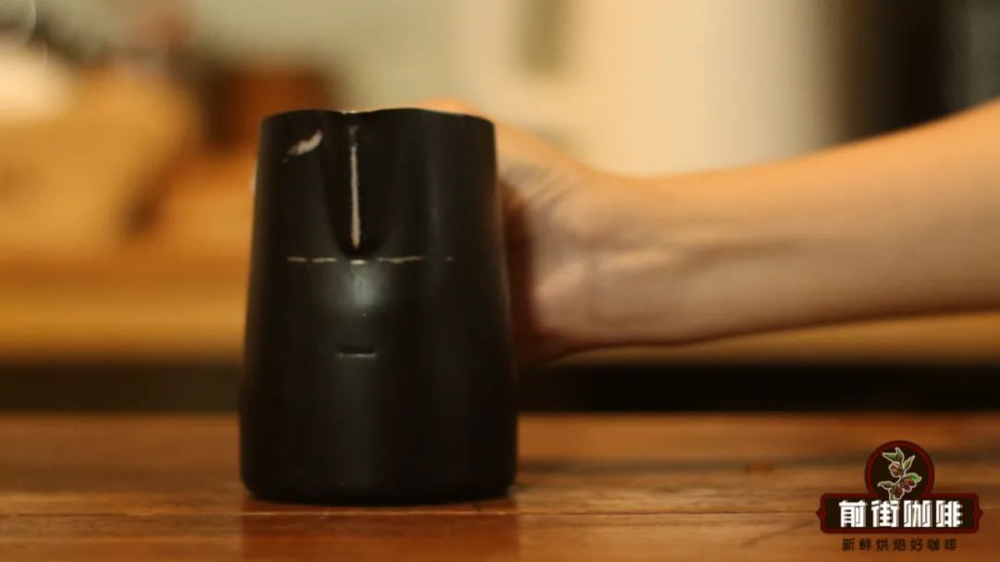
If that sounds familiar, FrontStreet Coffee has good news: the fix is immediate. Once you understand what is going wrong, the problem essentially solves itself.
Why Do So Many Bubbles Form?
Steaming milk happens in three stages: aeration, texturing, and integration. Together they determine the quality of your microfoam — much like the essential elements of pour-over extraction, every one of them matters.
Aeration is the simple part: literally making something from nothing, using bursts of steam to create large bubbles at the milk's surface. But those big bubbles will never produce clean latte art. That is what the second stage, texturing, is for — breaking the large bubbles down again and again. The vortex that forms during texturing slices and disperses them into countless microscopic bubbles. Finally, integration folds the foam and milk into one uniform, glossy liquid. Do all three well and you get a pitcher of dense, silky microfoam.
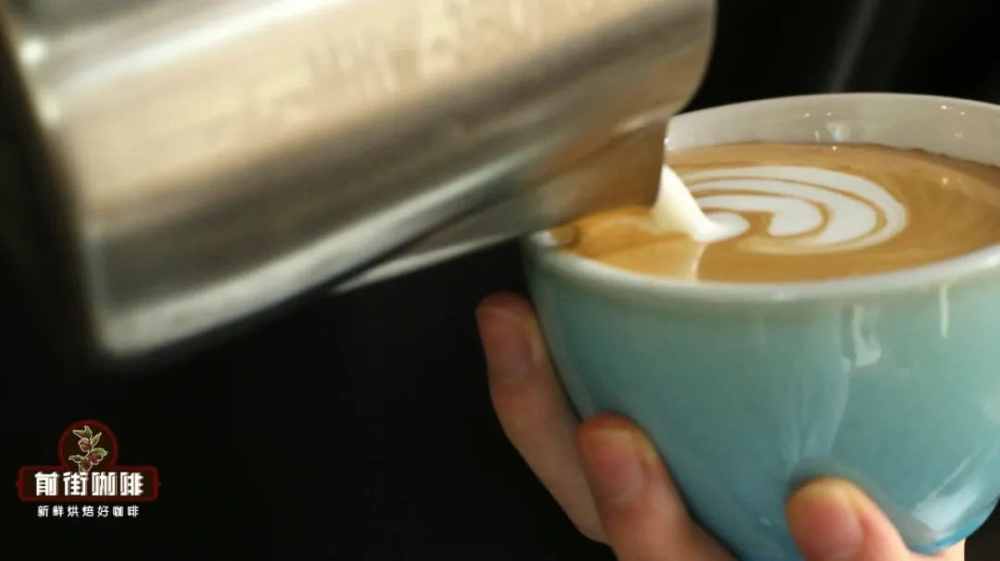
The stubborn-bubble problem usually comes down to one of three causes.
1. Inadequate Texturing
Texturing is the stage where most problems originate. The goal is to create a vortex in the pitcher that pulls every large bubble into its center and breaks it down repeatedly. If the vortex never forms — or its suction is too weak — some bubbles survive intact and linger as persistent foam.
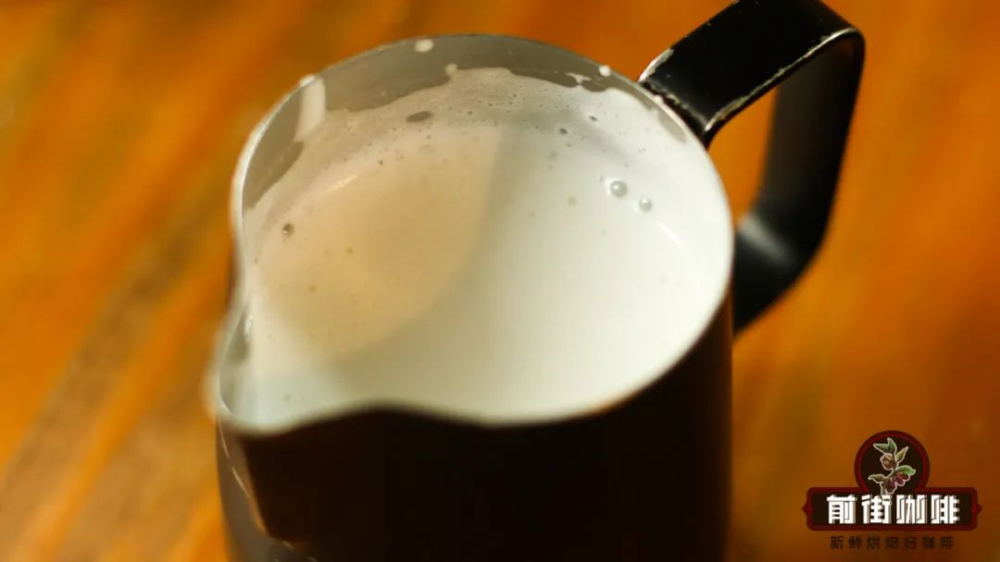
So how do you texture properly? FrontStreet Coffee recommends the following:
First, position the steam wand so the steam generates a force that drives the vortex. Place the wand tip at roughly the 3 o'clock (or 9 o'clock) position relative to the center of the pitcher; the steam will then push the milk around and set the vortex spinning.
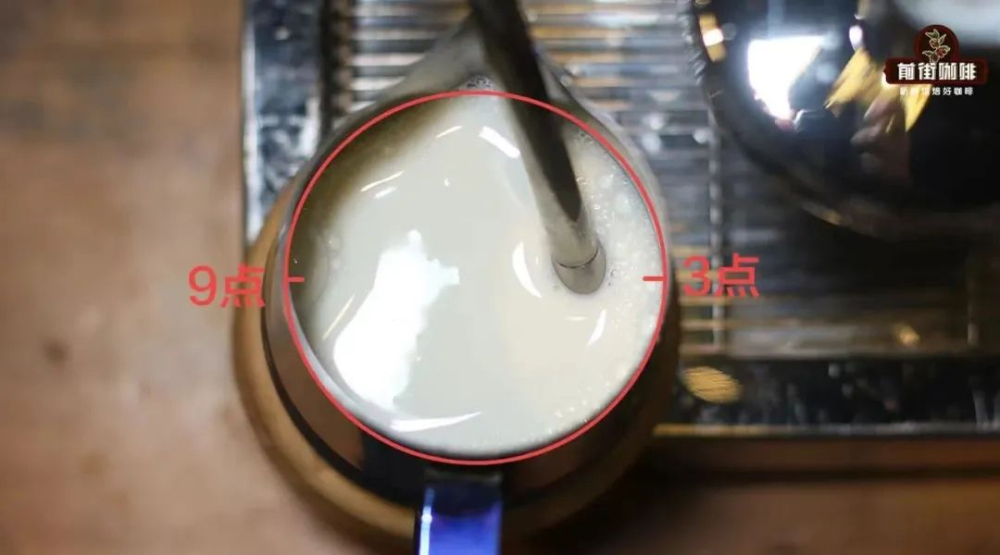
The wand should also sit at about a 60-degree angle to the milk surface. This produces a vortex with stronger suction, pulling bubbles in and breaking them down completely.

Tilting the pitcher helps as well, since a wider liquid surface strengthens the vortex. That said, technique is not always the culprit — many home machines have body panels that prevent you from tilting a large pitcher enough to build real surface area. In that case, FrontStreet Coffee suggests steaming in a smaller pitcher to concentrate the vortex, then transferring the finished milk to a larger pitcher for pouring.
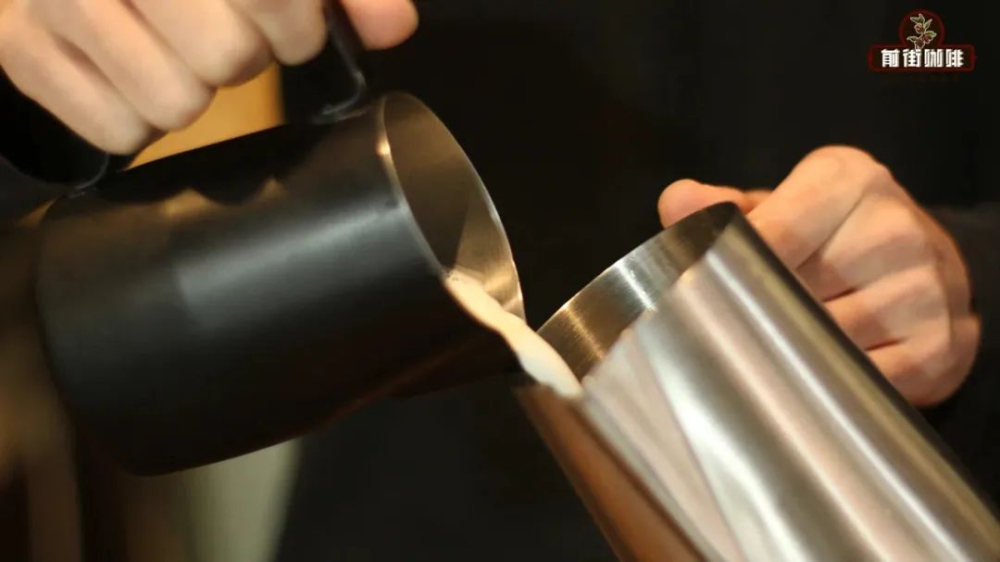
2. Re-Aerating After Texturing
Even when texturing goes well, it is easy to let the steam tip break the surface again during integration, accidentally aerating the milk a second time.
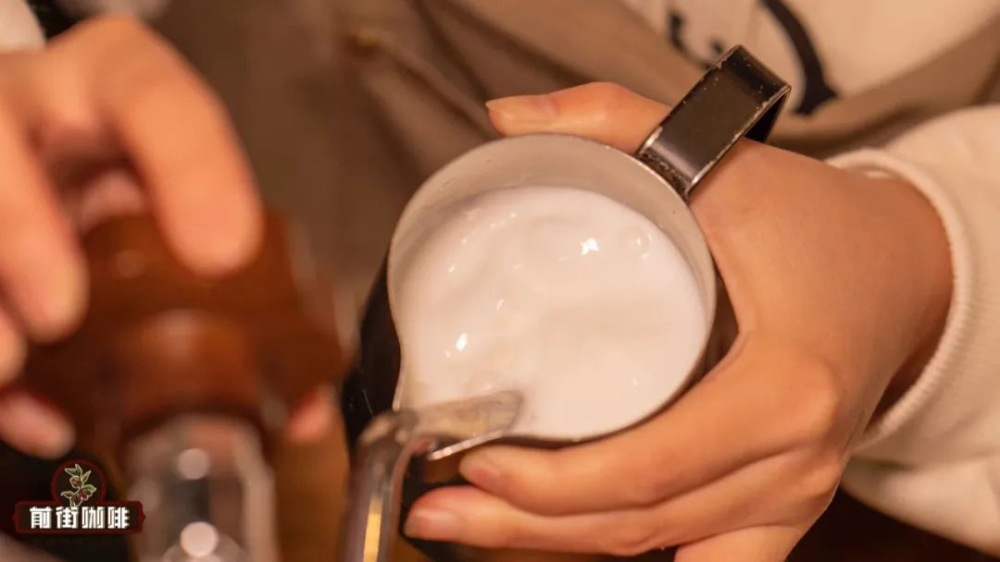
You can spend whatever time remains on further texturing, but foam that has been re-aerated rarely reaches the density you want. Keep the tip submerged all the way through.
3. Insufficient Milk Temperature
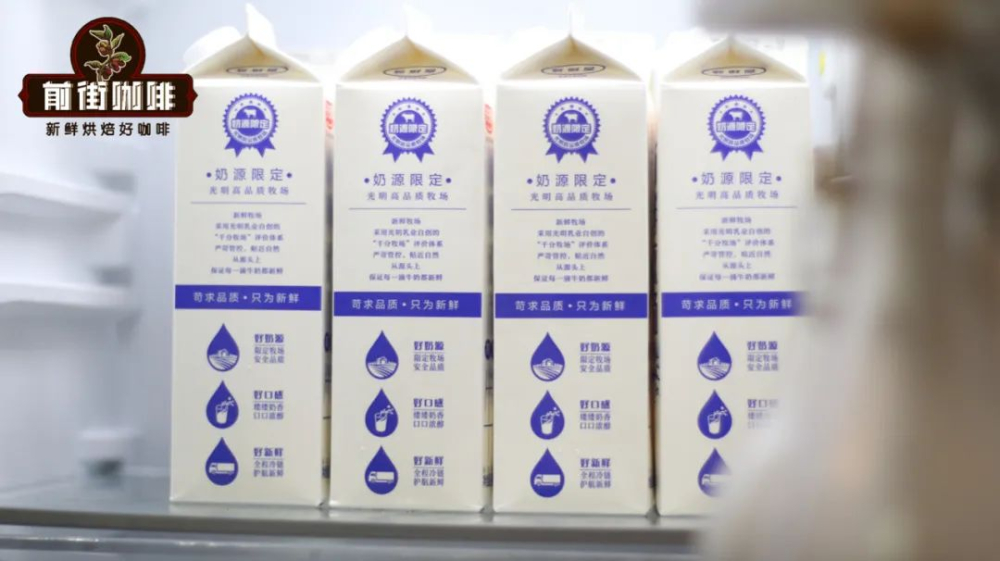
Finally, temperature. Milk that starts near room temperature runs out of time for proper integration — especially on machines with powerful steam, where the milk heats almost instantly. Always start with refrigerated milk. If you keep a dedicated milk fridge like cafes do, FrontStreet Coffee suggests setting it just above freezing. Colder starting milk buys you more steaming time and a much bigger margin for error.
FrontStreet Coffee

FrontStreet Coffee Recommendation
Silky milk deserves a well-built espresso base, and a good dripper makes all the difference on the pour-over side. Hario — the Tokyo glassware maker founded in 1921 — redesigned the V60 in 2004 and launched it the following year, naming it after its signature 60-degree V-shaped cone. That geometry forces water toward the center before dripping through, extending contact between water and grounds so aroma and flavor extract fully, while the single large hole leaves the flow rate entirely in the hands of the brewer.
For a bright, floral cup through a V60, FrontStreet Coffee's Yirgacheffe Chelbesa (Guodingding) offers vivid citrus, berries, and flowers with a green-tea-like finish; the Ethiopia Hambella (Huakui) bursts with tropical fruit — strawberry, passion fruit, jackfruit, even lychee — with almost no bitterness; and the Panama Esmeralda Red-Label Geisha delivers elegant jasmine, citrus, and black-tea refinement.
If you prefer a fuller, deeper cup, the FrontStreet Coffee PWN Golden Mandheling brings herbal and dark chocolate richness with low acidity, while the Jamaica Blue Mountain No.1 balances cream, caramel, chocolate, and nut in a cup famously easy for everyone to love.
Important Notice :
FrontStreet Coffee is a long-established specialty coffee roaster in Guangzhou China, selling freshly roasted beans from its own farm in Yunnan as well as dozens of carefully selected single-origin beans from around the world for both pour-over and espresso. The products deliver consistently excellent quality and great value, with shipping within 24 hours. Guangzhou's FrontStreet Coffee shop is recommended by many coffee lovers, and the beans are now available online at the Tmall 。
FrontStreet Coffee has moved to a new address:
FrontStreet Coffee Address: 315,Donghua East Road,GuangZhou
Tel:020 38364473
 Scan and follow the En Gafei WeChat official account. Please indicate that the reprint comes from "En Gafei".

