
Can You Re-brew Under-extracted Pour-Over Coffee? Four Key Parameters for Perfect Pour-Over!
Pour-over coffee has woven itself into most people's daily routines — at home on a lazy afternoon, or at the office between meetings. Whenever a free moment appears, coffee lovers will inevitably brew a pot. But brew often enough and mishaps happen: over-extraction and under-extraction are the usual culprits. The result is unpleasant to drink yet wasteful to dump, so when you want to avoid waste without forcing it down, you need a rescue plan.
Over-extraction (or excessive strength) is easy to fix — just dilute the coffee with bypass water to make it palatable. Under-extracted coffee is trickier. It's not as if we can pour it into a pot and "reduce it over high heat," right?
Then one day, while browsing online, FrontStreet Coffee came across this comment: could you pour the coffee back over the bed and re-brew it for a second extraction? On reflection, it seemed worth testing. So today, FrontStreet Coffee will demonstrate whether re-extraction actually works!
Why Try This? What's the Principle?
Before the experiment, a word on why it's plausible. To make a delicious cup, hot water needs to extract the right amounts of sweet, sour, and bitter compounds from the coffee (bitterness present, but not excessive). That balance rests on four key extraction parameters: water temperature, grind size, ratio, and time.
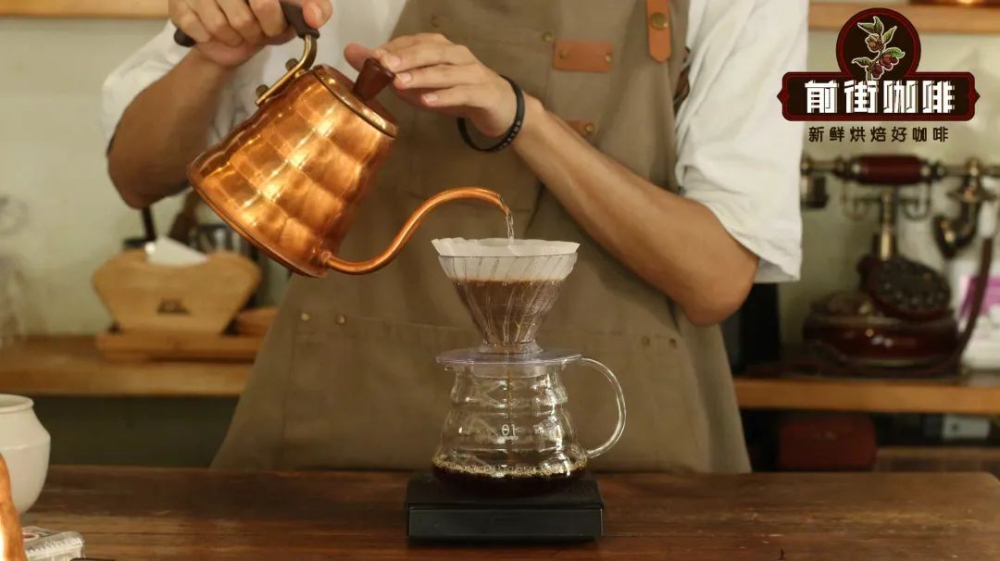
For beginners, these four matter more than technique or water quality. Each drives its own slice of extraction efficiency, and they complement one another: when one parameter drifts and can't meet the extraction's needs, the final flavor shifts, and you get under-extraction. Under-extracted means the flavor compounds weren't fully pulled from the grounds — hence the low concentration and weak taste. In other words, plenty of flavor is still sitting in the coffee bed. So if we pour this "missing something" coffee back over the bed to release what's still hiding in the grounds, wouldn't the cup become delicious?
One thing to know before experimenting: after brewing, the original 90-plus-degree water has cooled to coffee at around 70°C, and its extraction efficiency is much lower. So don't worry too much about over-extracting — the odds are extremely slim.
The Extraction Experiment
The essential prop is, of course, a pot of under-extracted coffee — trivially easy to obtain. For this experiment, FrontStreet Coffee used Kenya Assalia beans and simply lowered the extraction efficiency: a coarser grind produced 70°C coffee at 1.16% concentration — badly under-extracted, with essentially no positive flavor. You could call it coffee-flavored water.
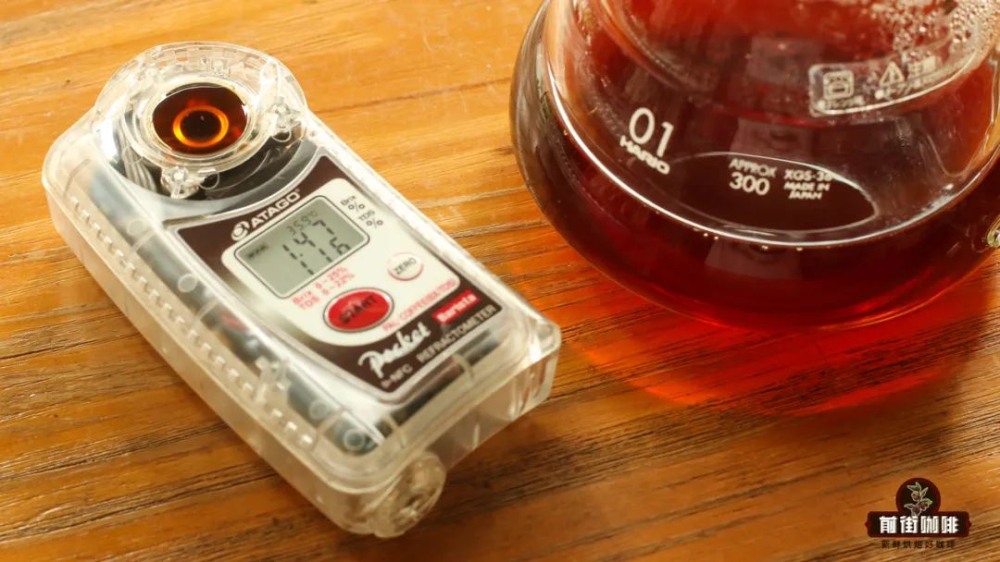
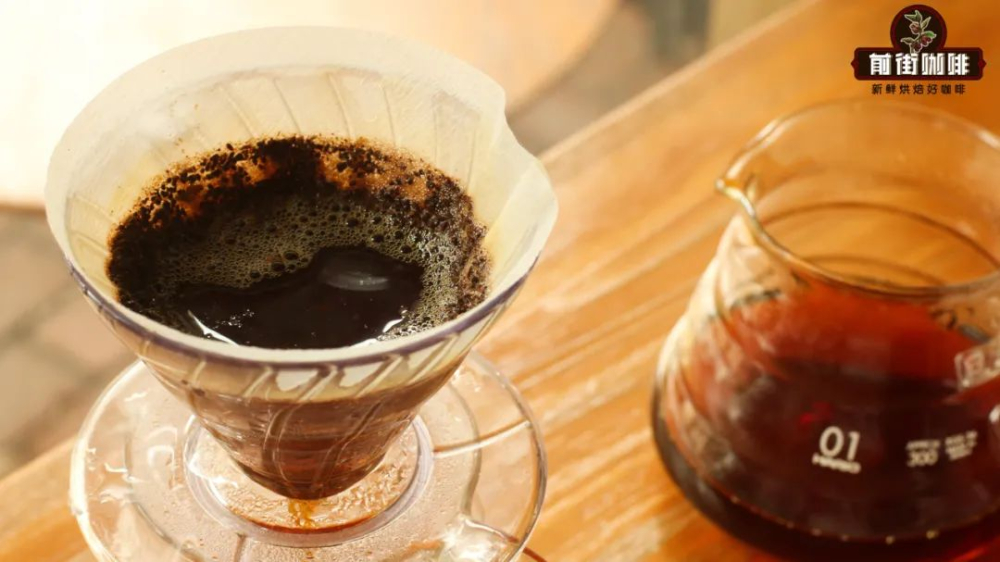
We poured half of the total liquid (100ml) back over the coffee bed for a second extraction, then combined that re-brewed portion with the remaining coffee and tasted to judge whether it was acceptable — if not, we could always extract again!
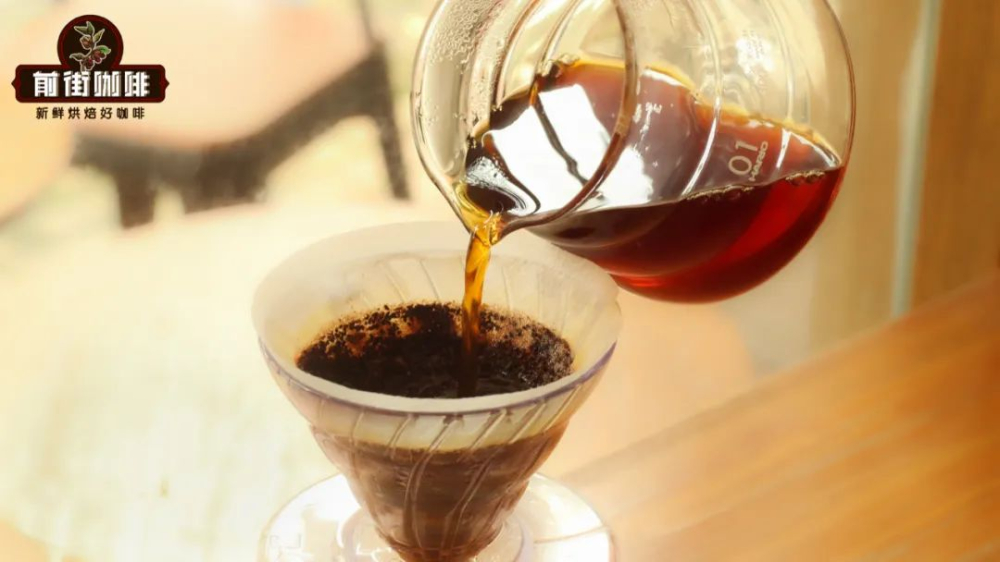
The re-extraction of that half portion took 30 seconds. Mixed back into the remaining coffee, the concentration rose from 1.16% to 1.22%, and the flavor was noticeably fuller — tea-like and berry notes beginning to emerge. Already quite drinkable, but FrontStreet Coffee got greedy and poured it back once more (again half the liquid).
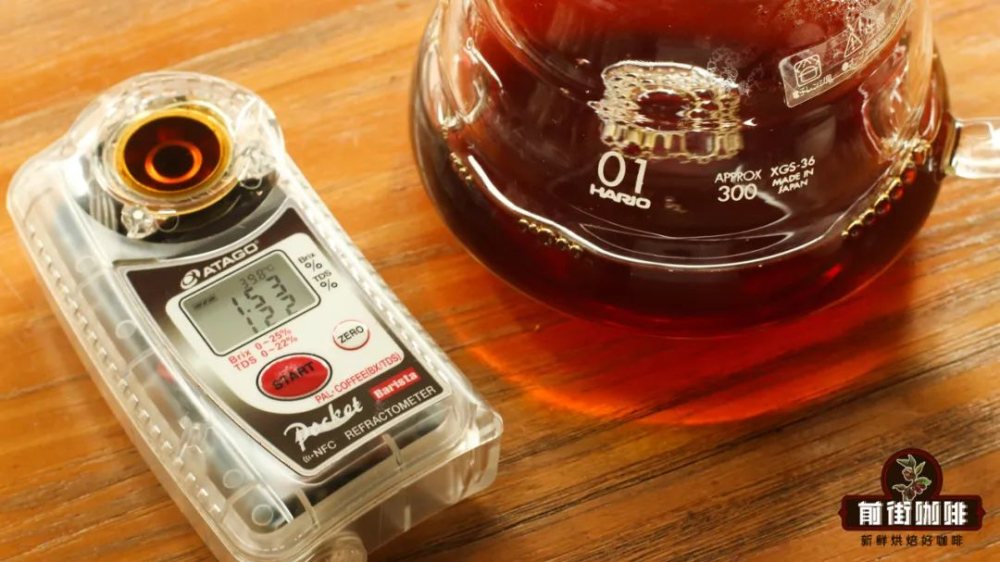
Concentration then climbed to 1.25%, with caramel sweetness, dark plum, and cherry tomato flavors now clearly distinct! That suited FrontStreet Coffee's palate, so we stopped there. The verdict: the method genuinely works. That said, all that pouring lets aromatics dissipate along the way, so the final flavor is a touch muted. Which leads to the real lesson — when you can brew it right, brew it right. Save post-brew corrections for the mishaps; it's less work, and the coffee tastes better from the start. Fewer headaches all around, right?
(Video editor: Yes, yes, yes, yes, yes, yes, yes, yes, yes, yes!)
- END -
FrontStreet Coffee
FrontStreet Coffee Recommendation
Since the rescue experiment used a Kenyan bean, here's the one FrontStreet reaches for when we want that bright, berry-driven cup brewed right the first time: FrontStreet Kenya Cherry Tomato, a washed Kenyan specialty lot from the Thika region grown at 1,550-1,750 meters on the classic SL28 and SL34 varieties. The beans are plump and round, processed with Kenya's signature 72-hour double-washed fermentation to amplify the fruit while keeping the cup impeccably clean, and roasted light to preserve the lively acidity.
The dry fragrance offers dried cherry tomato and florals; the first sip brings clear cherry tomato and dark plum with bright, solid acidity like fresh-pressed juice. Mid-palate sweetness arrives with snow pear and black plum, and the finish is long and clean with yellow sugar and a whisper of green tea — vivid, balanced, and instantly recognizable. Brew it with your four key parameters dialed in, and you'll never need the re-brew trick.
Important Notice :
FrontStreet Coffee is a long-established specialty coffee roaster in Guangzhou China, selling freshly roasted beans from its own farm in Yunnan as well as dozens of carefully selected single-origin beans from around the world for both pour-over and espresso. The products deliver consistently excellent quality and great value, with shipping within 24 hours. Guangzhou's FrontStreet Coffee shop is recommended by many coffee lovers, and the beans are now available online at the Tmall 。
FrontStreet Coffee has moved to a new address:
FrontStreet Coffee Address: 315,Donghua East Road,GuangZhou
Tel:020 38364473
 Scan and follow the En Gafei WeChat official account. Please indicate that the reprint comes from "En Gafei".

