
Panama Coffee Beans | Introduction to Catuai Coffee Beans from Elida Estate in Boquete Region
Panama Coffee: From Volcanic Peaks to Global Recognition
Panamanian coffee enjoys enormous recognition on the world stage—above all the Geisha variety. In 2005, through the Best of Panama competition and auction, Geisha's extraordinary performance made it famous overnight, and ever since, many people assume Panama grows little else. In fact, Panama cultivates plenty of other varieties as well.
Panama: The Land of Coffee
Panama sits at the southern end of Central America, its S-shaped body bridging Costa Rica and Colombia, with the Caribbean Sea to the east and the Pacific to the west. Because its territory links the two Americas, and the Panama Canal within it connects the Atlantic and Pacific Oceans, the country is known as the "Bridge of the World." The land is hilly and cut through with valleys; away from the coastal plains, most of it is mountainous, rich in forests and rivers, and dotted with volcanoes that give coffee trees ideal growing conditions.
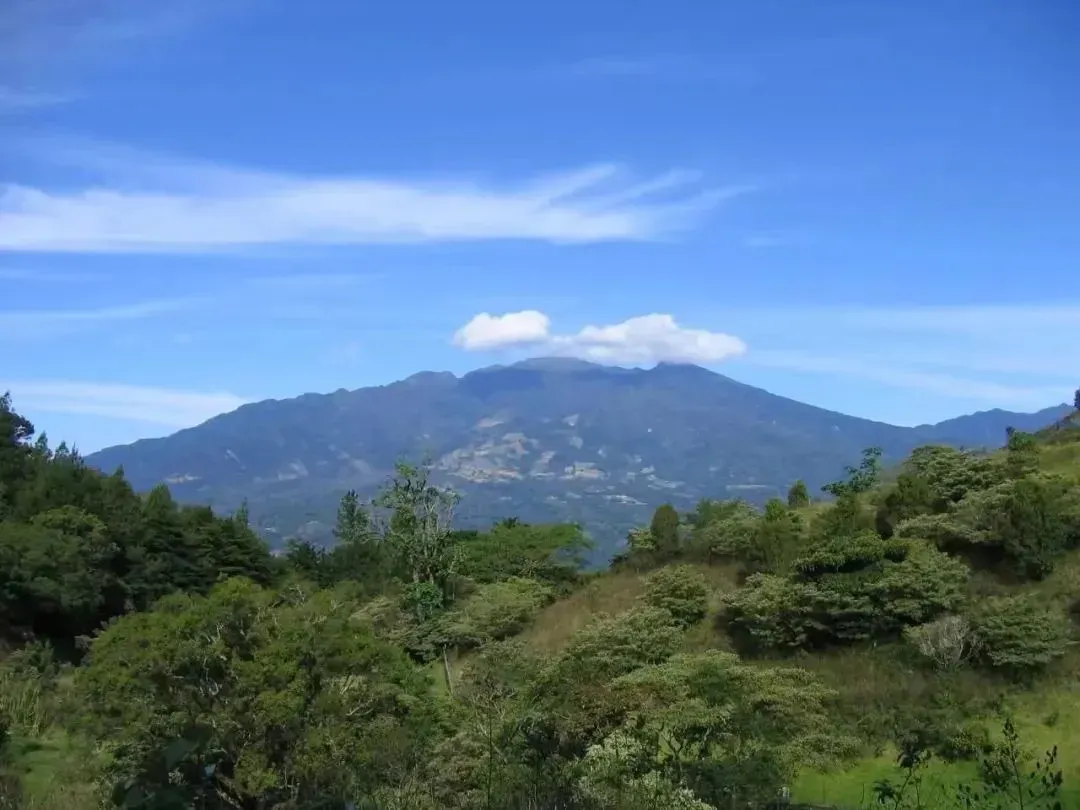
Panama lies near the equator with a tropical marine climate—humid days, cool nights. Annual average temperatures run between 23°C and 27°C, with rainfall of 1,500-2,500 millimeters a year divided into dry and rainy seasons. The country's geography breeds complex microclimates: cold air currents sweep down the central mountain range and converge above 1,900 meters, creating exceptionally distinctive conditions in the Boquete and Volcán-Candela regions. The surrounding land, enriched by volcanic ash, is deeply fertile, and these areas grow the bulk of Panama's coffee.
Boquete: The Heart of Panamanian Coffee
Panama's coffee regions divide mainly into Boquete, Volcán-Candela, and Renacimiento, all clustered around the country's three volcanoes: Volcán Barú, El Valle, and La Yeguada.
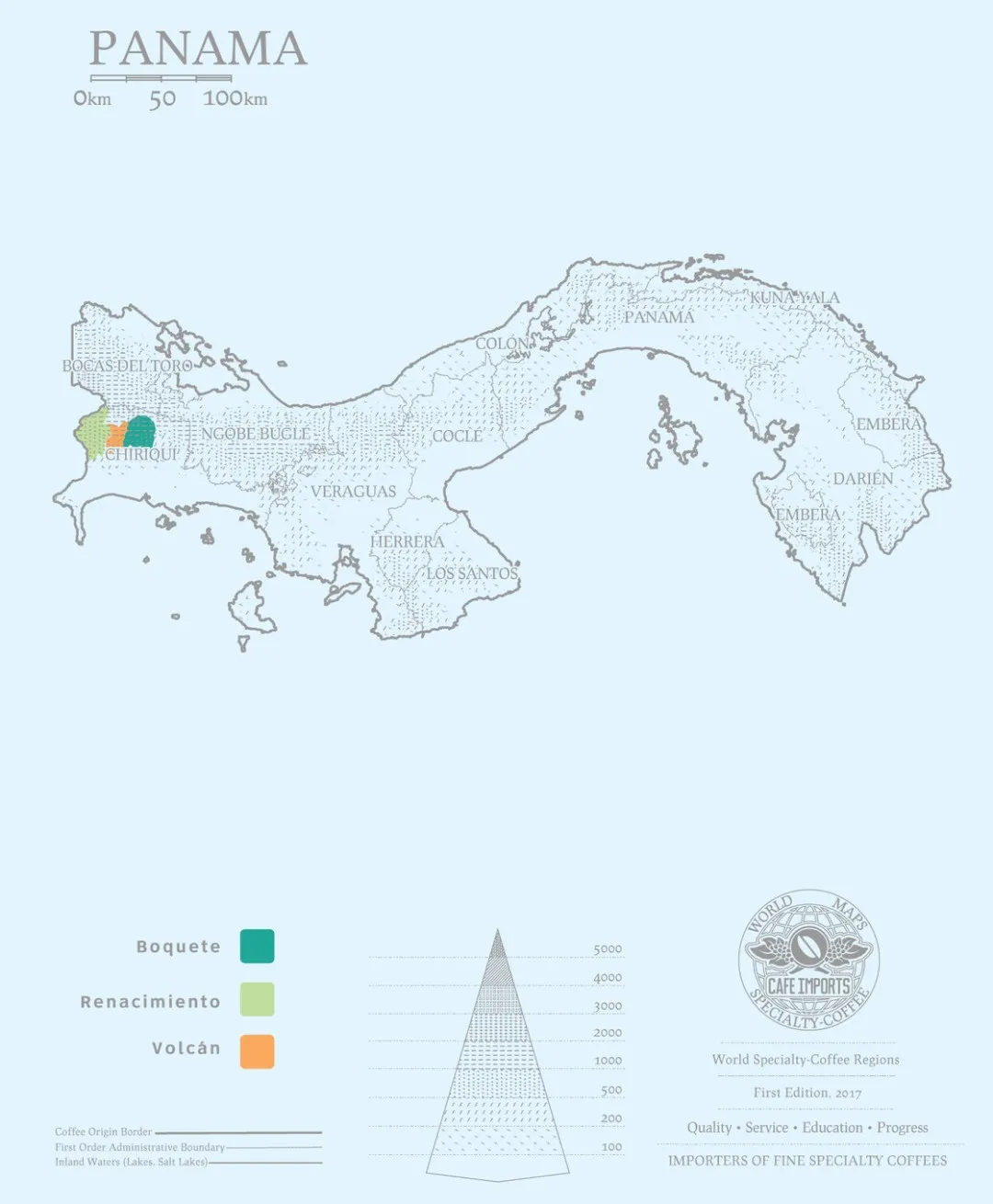
Boquete is the most famous of them, home to storied estates such as Hacienda La Esmeralda, Duncan Estate, and Elida Estate. Its growing conditions are superb: coffee grows at 1,200-2,000 meters, where temperatures of 11°C-27°C are neither too cold nor too hot. The wide day-night temperature swing lets cherries ripen slowly and develop flavor, while moderate rainfall, volcanic-ash soil, ample sunlight, and the local microclimates together make it a premium coffee region.
Elida Estate: High-Altitude Excellence
Elida Estate spans 65 hectares, more than half of it inside Barú Volcano National Park. Only 30 hectares are planted with coffee; the rest remains primary forest. The coffee grows at 1,670-1,850 meters, making Elida one of the two highest-altitude coffee estates in Panama. At that elevation, low temperatures stretch the ripening period, fertile volcanic soil supplies ample nutrients, and the region's microclimate completes the package—results that have earned Elida repeated success in the Best of Panama (BOP) competition.
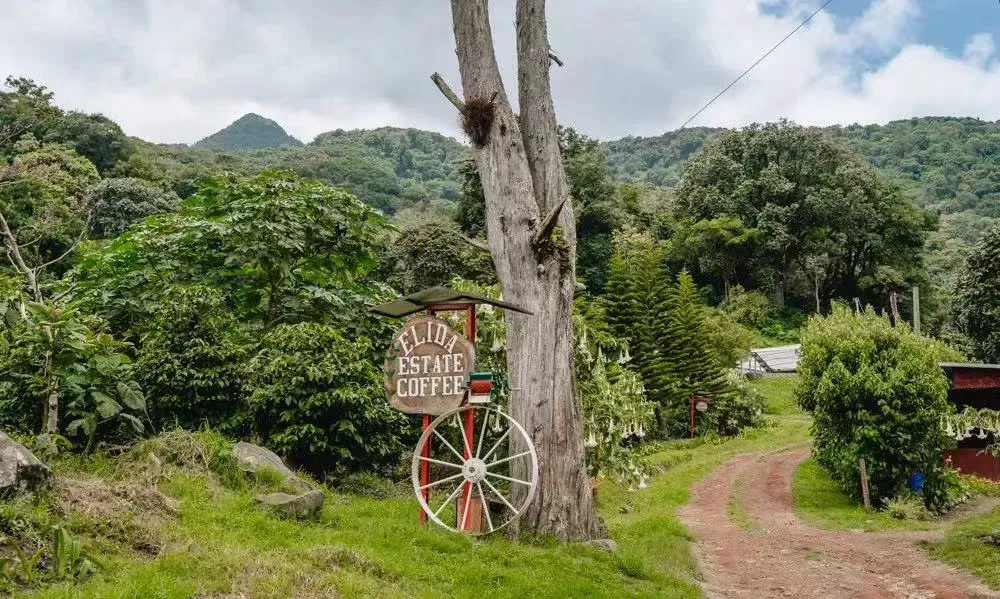
Elida hand-picks only the ripest cherries, so the sugar content in the mucilage runs high. Better still, the estate's processing plant sits halfway up the mountain, so cherries go from harvest to processing almost immediately, protecting their quality. Elida currently grows mainly Catuai, Typica, and Geisha.
Catuai: A Resilient Hybrid Variety
Catuai was bred by the Instituto Agronômico de Campinas (IAC) in São Paulo, Brazil, from a cross between Mundo Novo and Caturra. Like Caturra, Catuai plants carry smaller branches, green and slightly curled leaves, and tightly clustered fruit. The cherries are mainly red, the beans average-sized and oval—though a bit smaller than Caturra. The plant is compact, which suits dense planting; yields are good and it adapts to high altitudes, but it is susceptible to leaf rust, nematodes, and coffee berry disease. Today it grows mainly in Brazil, Honduras, and Guatemala.
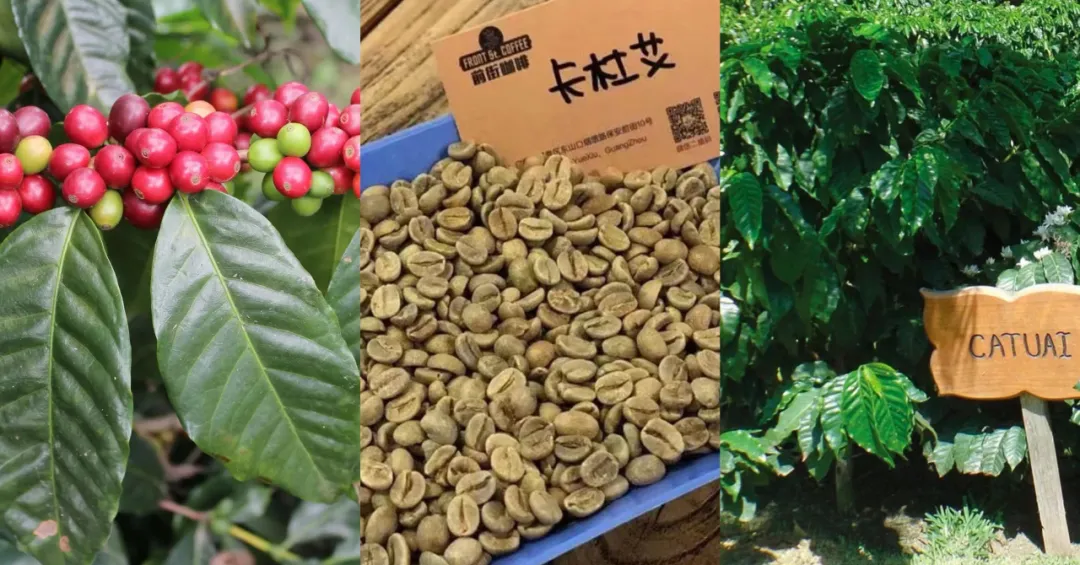
FrontStreet Coffee Panama Elida Catuai Coffee Beans
Region: Boquete producing region
Estate/Processing Plant: Elida Estate
Altitude: 1850 meters
Variety: Catuai
Processing Method: Natural processing
Flavor Notes: Peach, Raisin, Orange, Caramel, Green Tea
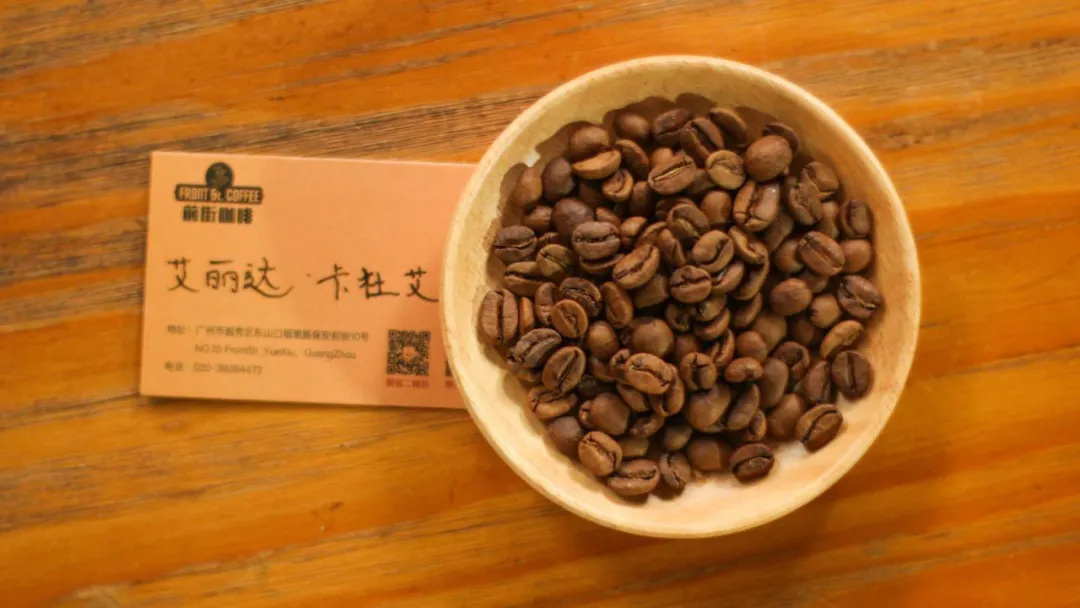
FrontStreet Coffee's Panama Elida Estate Catuai is a naturally processed lot. Brewed on a V60 at a 1:15 ratio, it first shows a faint winey note from the natural process, then peach, raisin, and orange on the palate, with caramel sweetness, a green-tea mouthfeel, and high cleanliness.
FrontStreet Coffee Recommendation
Geisha—transliterated from "Geisha"—is among the most beloved of all arabica varieties, its distinctive florals and superb sweet-tart character winning over countless drinkers even as low yields, weak disease resistance, and demanding cultivation keep prices high. Panama and Ethiopia are the two Geisha regions every coffee lover should know: the former made it famous, the latter gave it birth. Panama's Geisha shows a signature orange-blossom honeyed note, fragrant florals, juicy fruit acidity, and a tea-like sweet finish—for the top tier, FrontStreet Coffee offers the Esmeralda Red Label and Green Label lots for pour-over, and for an affordable first taste of the classic Panama Geisha character, the entry-level FrontStreet Boquete Geisha delivers the same orange-honeyed aromatics, an oolong-tea texture, delicate fruit sweetness, and distinct layering at a friendly price. Back in Ethiopia, a husband-and-wife team founded Geisha Village 12 miles from the Geisha forest on a 475-hectare site, selecting the varieties closest to the wild Panamanian plants; their estate-level Gold Label and Red Label lots are the choice for advanced drinkers, and Geisha Village—unlike other origins' small-scale lots—is one of Ethiopia's few large estates, its strict quality control producing superb coffee. For those who prefer Ethiopia's brighter acidity, the entry-level FrontStreet Granana Estate Gesha, medium-light roasted, keeps the pleasant white florals while highlighting orange, guava, and citrus sweetness with a clearer finish. Note that Geisha's dense, hard beans tend to sink and clog the drain hole: FrontStreet Coffee suggests a coarse grind (a 78% pass rate on a #20 sieve, about the texture of fine sugar) and 91°C water, brewed with 15g of coffee on a small Hario V60 at a 1:16 ratio in three pours—30g to bloom for 30 seconds, then a gentle spiral to 125g, then to 225g once the bed has drained halfway, finishing in roughly 2 minutes 10 seconds to 2 minutes 20 seconds.
Important Notice :
FrontStreet Coffee is a long-established specialty coffee roaster in Guangzhou China, selling freshly roasted beans from its own farm in Yunnan as well as dozens of carefully selected single-origin beans from around the world for both pour-over and espresso. The products deliver consistently excellent quality and great value, with shipping within 24 hours. Guangzhou's FrontStreet Coffee shop is recommended by many coffee lovers, and the beans are now available online at the Tmall 。
FrontStreet Coffee has moved to a new address:
FrontStreet Coffee Address: 315,Donghua East Road,GuangZhou
Tel:020 38364473
 Scan and follow the En Gafei WeChat official account. Please indicate that the reprint comes from "En Gafei".

