How Does the Wet Hulling Method That Creates Mandheling Flavor Work? Why is Wet Hulling Called Semi-Washed Processing?
Mention Indonesia and one coffee comes to mind immediately: Mandheling. Its unmistakable regional character and uniquely smooth, heavy cup set it apart from other dark-roasted origins like Brazil and Colombia, and it defined "great coffee" for a whole generation of drinkers.
Behind that flavor, beyond any Robusta heritage, lies a processing method found nowhere else: Wet Hulling — the topic FrontStreet Coffee breaks down in this article.
What Is Wet Hulling?
Most coffee processing methods evolved from local conditions — ways of drying green beans suited to a particular environment — and Wet Hulling is no exception. The name is hard to parse literally, so here's the short version: Wet Hulling means the coffee is hulled — stripped of a layer — while the beans are still wet. That layer is the parchment (the endocarp).
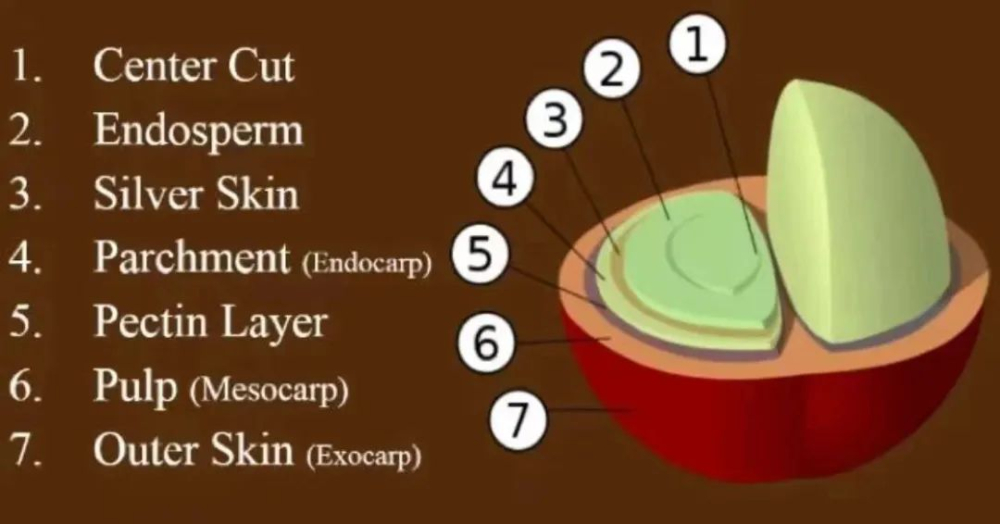
In conventional processing, parchment is removed at the very end. Wet Hulling removes it mid-process, while the beans are only halfway dry — which is why the method is also known as "wet-hulled" processing.
Why Does Indonesia Use It?
Again: local conditions. Indonesia's climate is humid, its daily sunshine hours are short, and humidity stays between 70% and 90% all year. Coffee can't simply be dried in the sun for weeks the way it is in other origins — the short stretches of sunshine invite mold. The unpredictable weather rules out fully washed processing too, since fermenting the beans in water and then drying them thoroughly isn't reliable. Hence Wet Hulling.
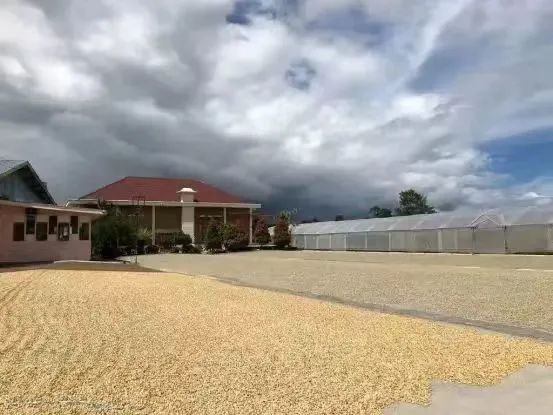
Wet Hulling is often nicknamed "semi-washed" because it starts out like washed processing but never finishes as one. The front half follows the washed route — fermentation and so on — then the parchment-covered beans are sun-dried, hulled while still damp, and dried again. This gets the beans dry in the shortest possible time, minimizing mold. Here's how the process unfolds.
The Wet Hulling Process
Since the first stage mirrors washed processing, freshly picked cherries are first floated in clean water: the bad, low-density fruit that floats is removed. Machines then strip away the skin and pulp, leaving beans still coated in mucilage and parchment. The beans go into fermentation tanks to break down that sticky pectin layer, with timing judged by conditions — generally within 12-36 hours. Once fermentation and washing are done, the "washed" half ends and the wet-hulled half begins. Farmers spread the fermented, parchment-covered beans in the sun; in consistently sunny weather the moisture content drops quickly to the 30%-50% range. At that point drying stops, a hulling machine strips off the parchment, and drying resumes until the beans reach 12% moisture.

The Byproduct: "Elephant Beans"
The hulling machine is a blunt instrument, and removing damp parchment tends to crush and squeeze the beans, especially at the ends. Anyone who has seen raw Mandheling beans knows the cracks that look like hooves — which is why these are called "Elephant Beans" (or "goat-hoof beans").
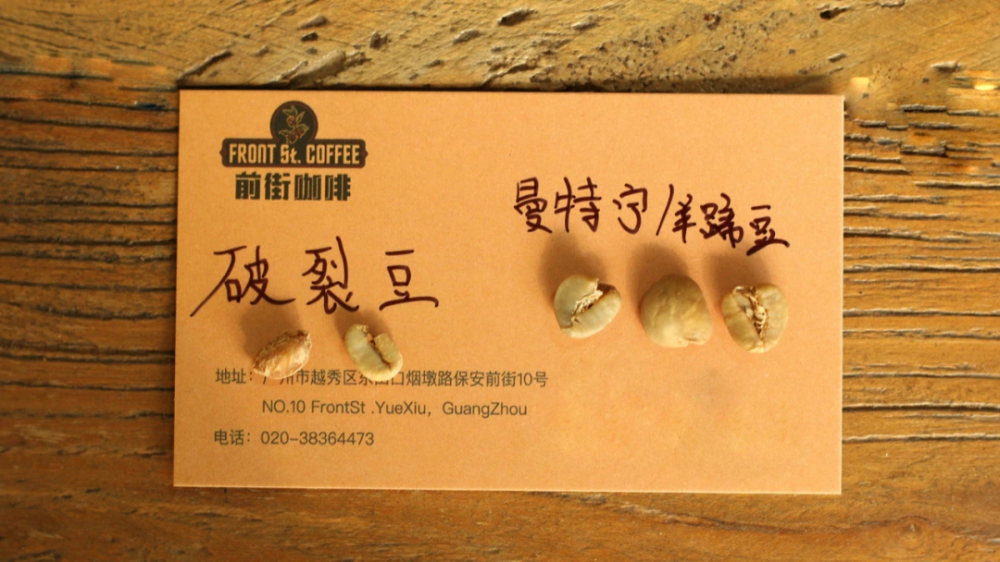
(The beans on the right are Elephant Beans.) Rumor has it that these split beans are what create Mandheling's characteristic flavor. Not true — Elephant beans are simply damaged beans with little effect on the cup. Don't be misled.

FrontStreet Coffee Recommendation
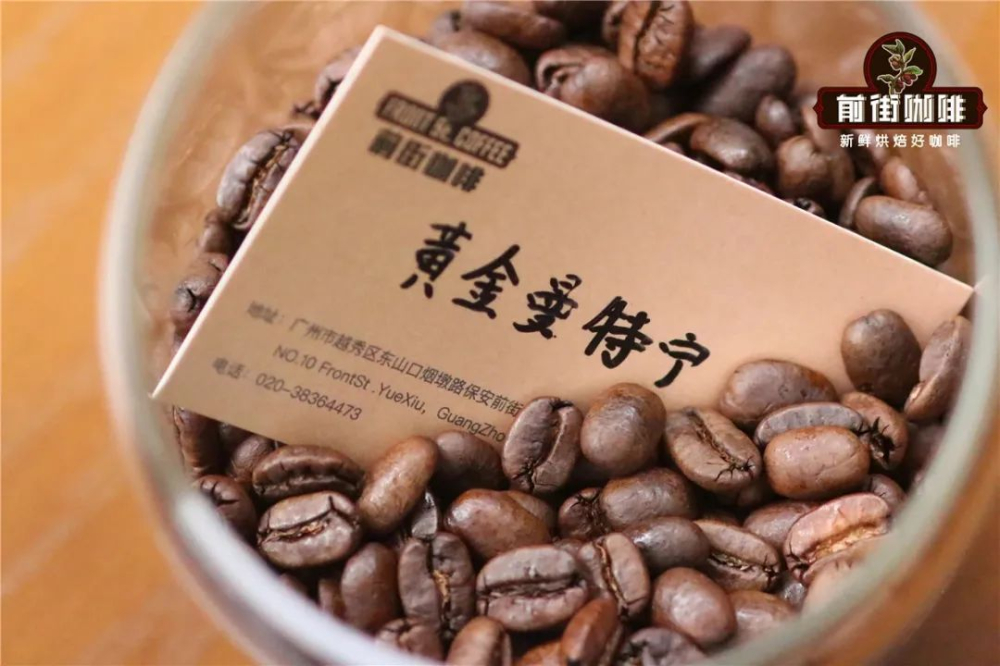
If you want to taste what wet hulling produces at its best, go straight to FrontStreet Coffee's PWN Golden Mandheling. It comes from the PWN company on Sumatra, whose famously strict standard starts with beans of screen size 18 and above and requires fewer than 3 defects per 300 g sample to meet top-grade G1 — followed by multiple rounds of hand-sorting that leave the cup exceptionally clean and sweet. Golden Mandheling is so sought after that it mainly supplies the Japanese and American markets, and FrontStreet Coffee displays the PWN certificates and original branded bags as proof of authenticity.
To brew it, FrontStreet Coffee recommends a pour-over at 87-88°C with 15 g of coffee at a 1:15 ratio and a coarse-sugar grind, in three pours: a 30 g bloom to wet the grounds and degas, then 100 g to lift the bed and wash out the golden crema, then a gentle center pour of 95 g to build sweetness. The result is a heavy, syrupy body with caramel sweetness and notes of chocolate, nuts, and that wild herbal-earthiness only wet-hulled Sumatran coffee delivers — a perfect match for anyone who dislikes sour coffee.
Important Notice :
FrontStreet Coffee is a long-established specialty coffee roaster in Guangzhou China, selling freshly roasted beans from its own farm in Yunnan as well as dozens of carefully selected single-origin beans from around the world for both pour-over and espresso. The products deliver consistently excellent quality and great value, with shipping within 24 hours. Guangzhou's FrontStreet Coffee shop is recommended by many coffee lovers, and the beans are now available online at the Tmall 。
FrontStreet Coffee has moved to a new address:
FrontStreet Coffee Address: 315,Donghua East Road,GuangZhou
Tel:020 38364473
 Scan and follow the En Gafei WeChat official account. Please indicate that the reprint comes from "En Gafei".