
Does Cold Brew Coffee with Milk Taste Good? An Introduction to the Correct Ratio and Brewing Method

Open the weather app and the forecast is wall-to-wall 30-degree heat. Summer has truly arrived — time to line up all the iced coffee!
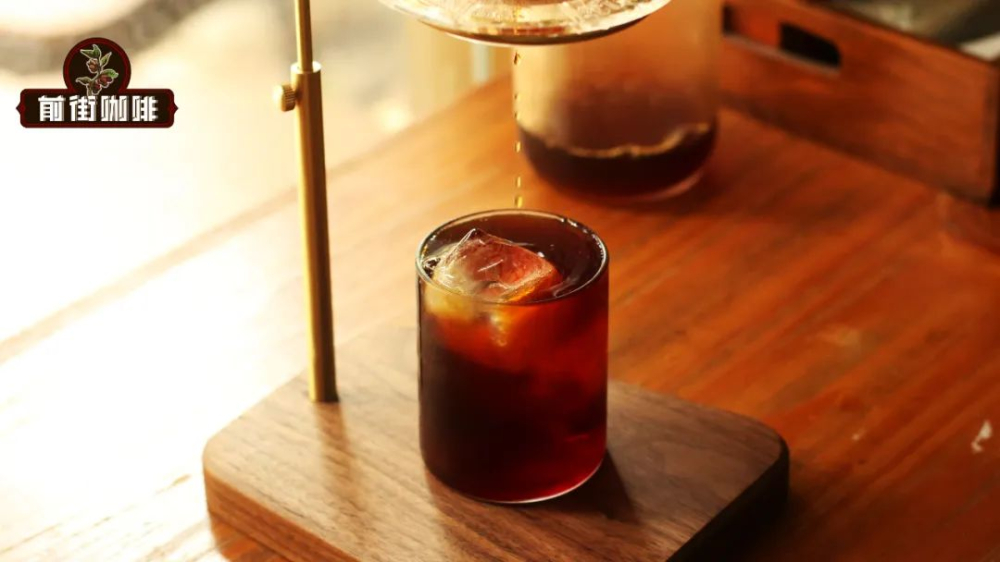
Among homemade iced coffees, cold brew (and cold drip) surely ranks near the top: steep a pot before bed, refrigerate, and strain it first thing in the morning — "a blessing for lazy people." But one reader asked: can finished cold brew be mixed with milk?
Over the conversation, FrontStreet Coffee learned that she has no coffee machine at home, yet an iced coffee with milk is her first ritual every morning. Of all the easy options, cold brew is the one she has mastered — she just doesn't know how to add milk so it actually tastes good.
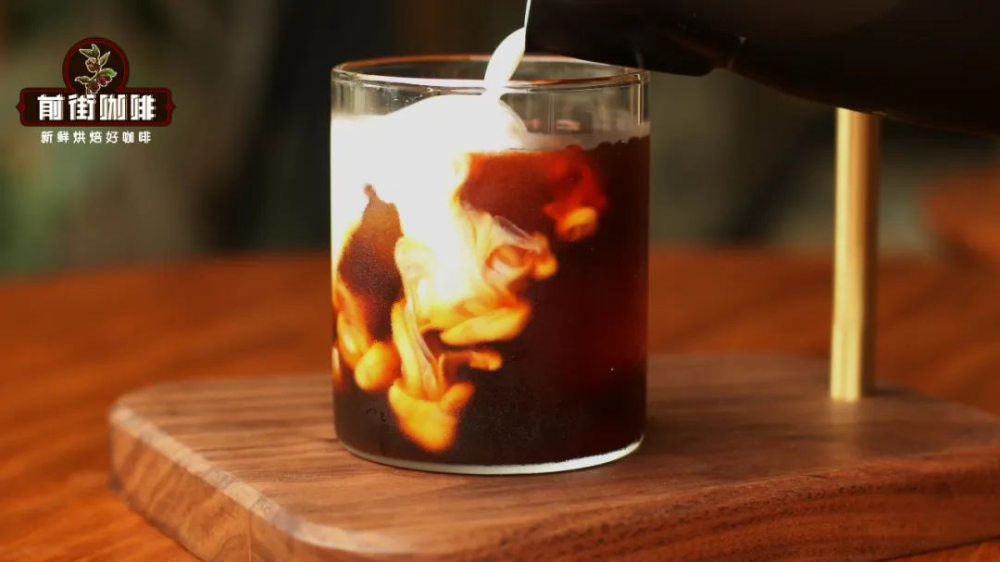
So, can you add milk to cold brew coffee?
Absolutely you can! Filtered cold brew is delicious, milk is delicious, and the two together are no exception. Better yet, fresh milk smooths out the coarse texture that grounds can impart during low-temperature extraction, adding a silky, creamy touch that lifts the whole drinking experience.
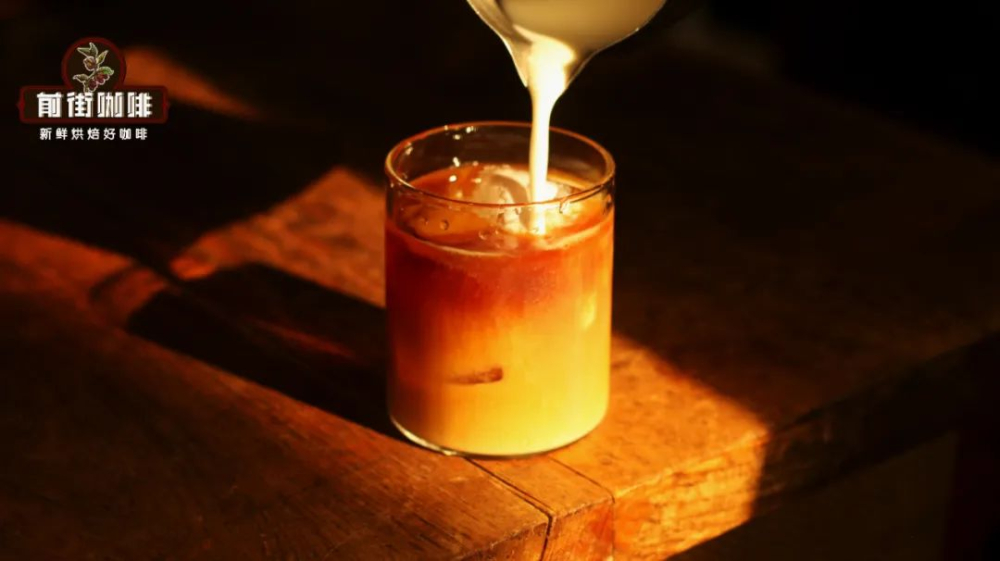
The catch: to make a drink that keeps both the coffee's richness and the milk's sweetness, you need a harmonious balance among grounds, water, and milk.
How should you add milk to cold brew?
Because cold brew steeps in a low-temperature environment, cold water extracts from the grounds slowly and releases fewer bitter compounds than hot water. That makes the grind size, coffee-to-water ratio, and steeping time more forgiving than pour-over. Stay within a reasonable range and pick the right beans, and a few simple steps will get you a delicious iced coffee.
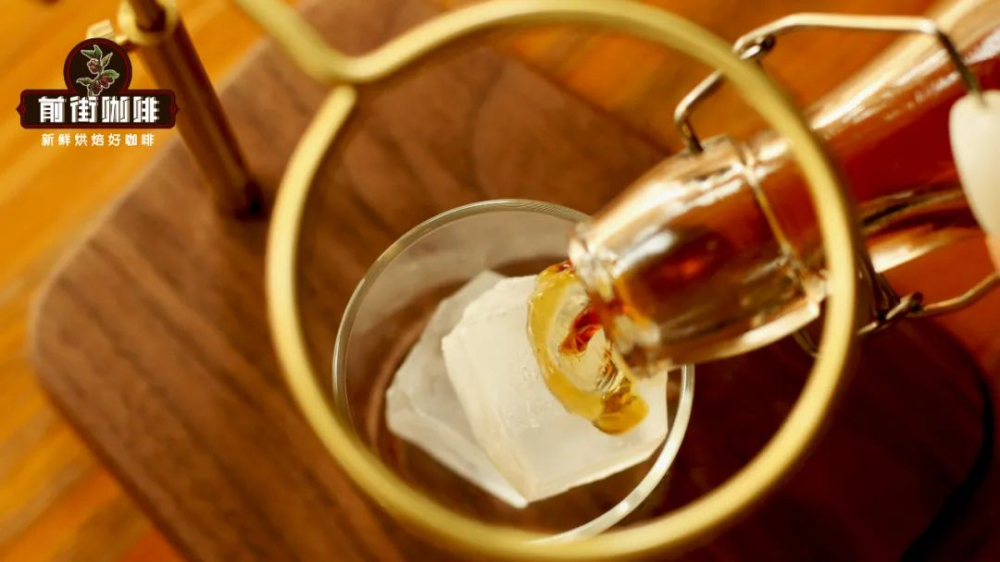
Take FrontStreet Coffee's daily cold brew as an example. We grind slightly finer than for pour-over — about 75-80% passing through a China No. 20 standard sieve, visually like fine granulated sugar, roughly setting 9.5-10 on an EK43s or 22-26 clicks on a hand grinder like the C40.
Pour the grounds into a clean container — a dedicated cold brew pot or even a mineral water bottle will do — add room-temperature water at a 1:10 ratio, stir well, seal with plastic wrap, and refrigerate for more than 8 hours (12 is best). Finally, filter out the grounds with filter paper, and the cold brew is done.
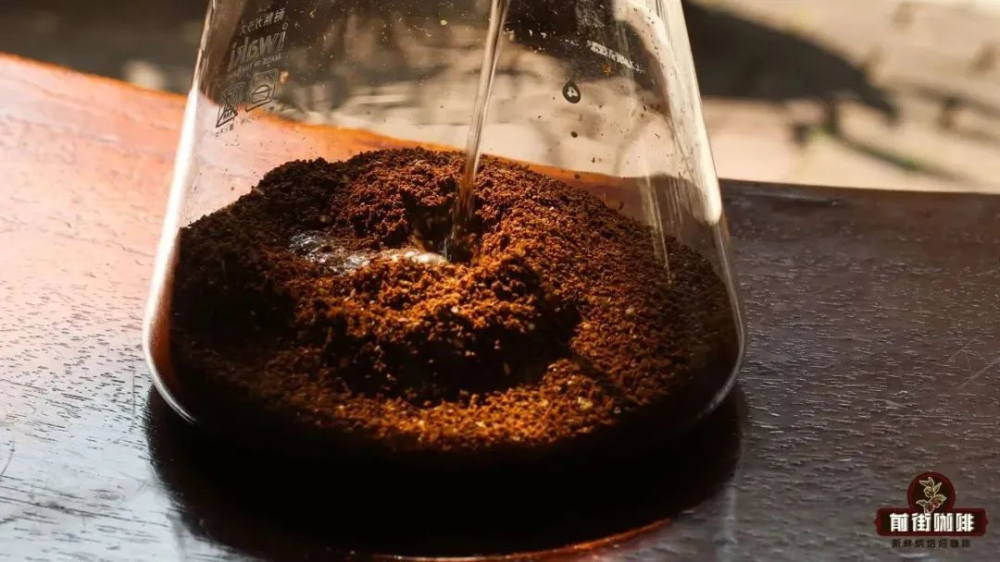
The ratio is the question everyone asks about. FrontStreet Coffee believes that if you're drinking it black, 1:12 to 1:13 gives the best drinkability and full aroma extraction. But since we'll be adding fresh milk at the end, we need a stronger concentrate so it doesn't get diluted too much — we suggest 1:10 to 1:11.
Finally, the milk
To find the ideal ratio, FrontStreet Coffee pulled two finished cold brews from the fridge (Panama 90+ Geisha and Panama Elida Estate) for a small experiment. We added ice-cold milk (Guangming Fresh Ranch) to three equal portions of cold brew at 1:1, 1:0.8, and 1:0.6 — that is, 100g of coffee liquid mixed with 100g, 80g, and 60g of milk.
Both coffees performed similarly in the first group: the milk dominated, and almost no coffee aroma survived the first sip. The latter two groups were far more balanced. The 90+ Geisha, with its fermented wine notes, tasted best at 1:0.8, while the juicy Elida peaked at 1:0.6.
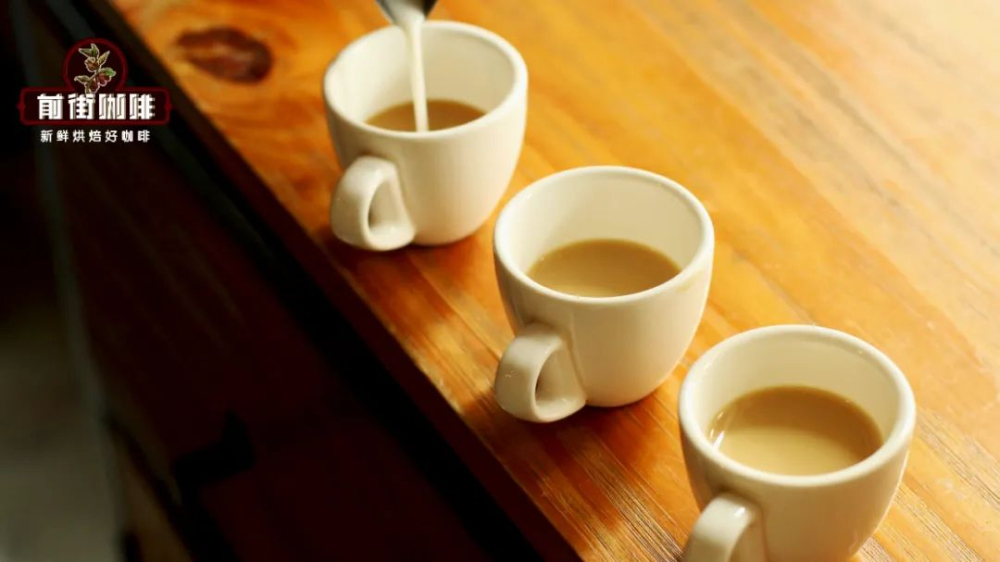
So for fresh milk, FrontStreet Coffee suggests letting the bean type decide: dark-roast coffees with nutty and chocolate flavors suit 1:1; beans with wine and cocoa notes work at 1:0.8; and cold brews made from berry or citrus-forward acidic beans are best around 1:0.6.
No grinder? Drip coffee bags work too
Beyond the steps above, some clever readers make cold brew with drip coffee bags. All you need is a refrigerator — plus the drip bags and a lidded cup, and you can start right away.
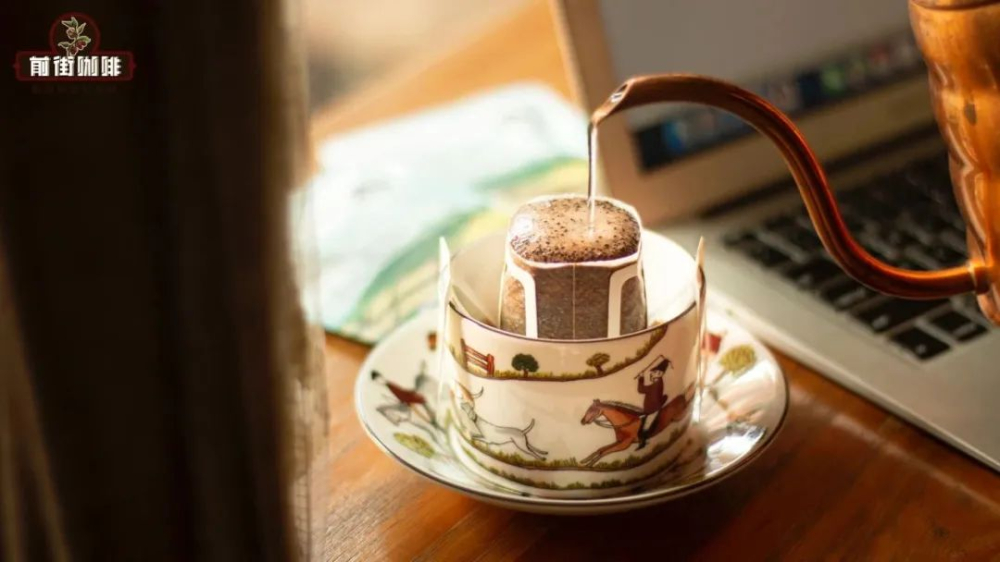
The sequence mirrors regular cold brew, and the same attention to the grounds-water-milk balance applies. For details, see FrontStreet Coffee's illustrated tutorial. Just note that with a non-woven drip bag instead of filter paper, the liquid takes longer to strain — patience required!
- END -
FrontStreet Coffee
10 Bao'an Qianjie, Yandun Road, Dongshankou, Yuexiu District, Guangzhou, Guangdong Province

FrontStreet Coffee Recommendation
Milk-friendly cold brew starts with fruit-forward, medium-roast beans. FrontStreet Coffee recommends the FrontStreet Strawberry Candy Geisha Blend, which marries Panama Geisha with Costa Rica honey-process coffee: the former brings delicate rose and orange, the latter grape, dried blueberry, and strawberry-candy sweetness. Steeped cold and lightly matured, it takes on a fruit-wine character — and with a splash of milk, it tastes like strawberry milkshake.
For a bright, juice-like cup with less bitterness, choose the FrontStreet Colombia Pink Bourbon (Xizhao) from Boundary Estate, whose double anaerobic natural process yields passion fruit, grape, apricot, and dried-fruit sweetness. And if you brew cold brew often, FrontStreet suggests a budget trick: blend one part Xizhao with two parts FrontStreet Costa Rica Tarrazu — you keep the floral, fruity complexity while adding Tarrazu's crisp citrus acidity and stretching your beans much further.
Important Notice :
FrontStreet Coffee is a long-established specialty coffee roaster in Guangzhou China, selling freshly roasted beans from its own farm in Yunnan as well as dozens of carefully selected single-origin beans from around the world for both pour-over and espresso. The products deliver consistently excellent quality and great value, with shipping within 24 hours. Guangzhou's FrontStreet Coffee shop is recommended by many coffee lovers, and the beans are now available online at the Tmall 。
FrontStreet Coffee has moved to a new address:
FrontStreet Coffee Address: 315,Donghua East Road,GuangZhou
Tel:020 38364473
 Scan and follow the En Gafei WeChat official account. Please indicate that the reprint comes from "En Gafei".

