Should You Pre-wet Filter Paper Before Brewing Coffee? What Are the Benefits of Wet Filter Paper and How Does It Affect Extraction?
"Wetting the filter paper before brewing" has become a habit for most people, and many treat it as a crucial detail. But is it really that important? Why do many brewing masters and champions skip the step in their videos? That leaves plenty of people confused: how can some brewers not wet the filter paper? Can coffee brewed without pre-wetting really taste good?
With that question in mind, let us look at how FrontStreet Coffee sees it. First we need to understand what benefits most people believe wetting the filter paper brings.
Traditional Benefits of Wetting Filter Paper
1. Removing Paper Taste
When many instructors explain why the filter paper should be wetted, they first mention removing the paper's own taste. If it is not rinsed with hot water, that papery taste seeps into the coffee during extraction and affects its flavor.
2. Making Filter Paper Adhere to the Dripper
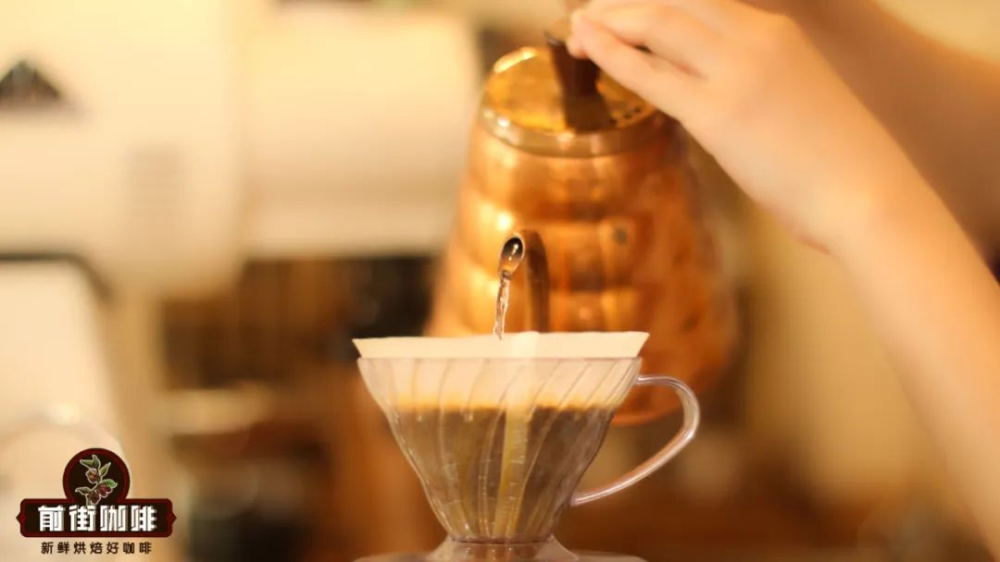
Pouring water makes the paper adhere to the dripper - the second advantage of pre-wetting. How well it adheres matters a great deal, especially for drippers like the V60 with many ribbed grooves. When the paper does not sit properly, those grooves are useless. So many brewers wet the paper to get better adhesion.
3. Preheating the Dripper
Rinsing the paper with hot water not only helps it adhere but also preheats the dripper. There is a temperature gap between a room-temperature dripper and hot water, and the brewer absorbs part of the water's heat when it is poured, cooling it somewhat and so affecting extraction efficiency. Wetting the paper with hot water lets the dripper take on heat first, giving a kind of insulation.
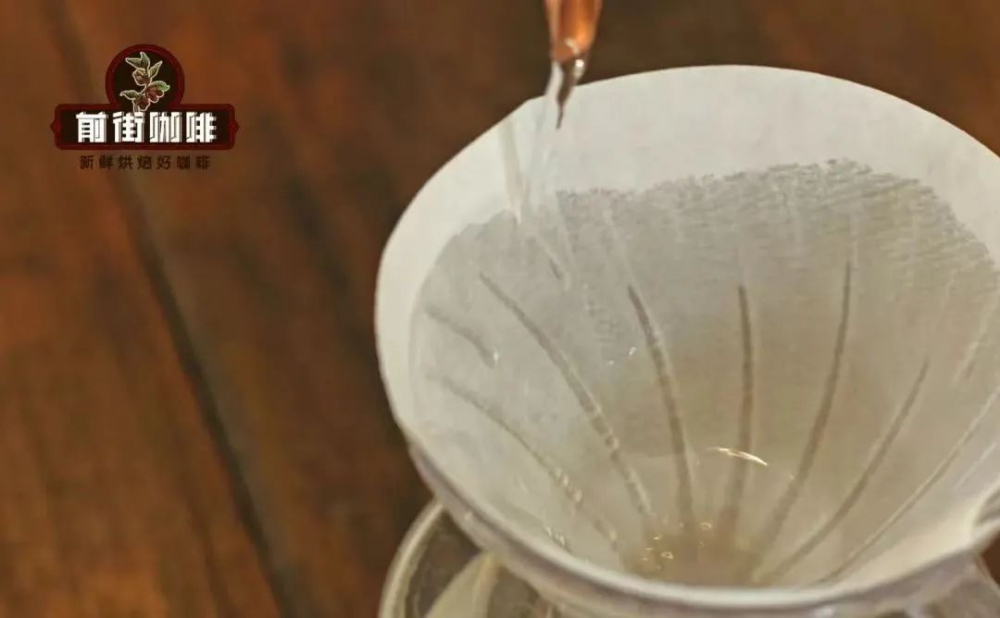
Why These Reasons May No Longer Apply
At first glance, pre-wetting seems quite important. Yet none of the above is enough to support the idea that "modern filter paper must be wetted." Here is why.
1. Regarding the Pulp Taste of Filter Paper
Older papers did indeed have a noticeable pulp taste because of immature manufacturing. But today, in 2024, most brands have developed papers without any paper taste. By bleaching with bioactive enzymes, the resulting papers have neither pulp taste nor toxic residue, so there is naturally no need to rinse them with hot water to remove a papery flavor.
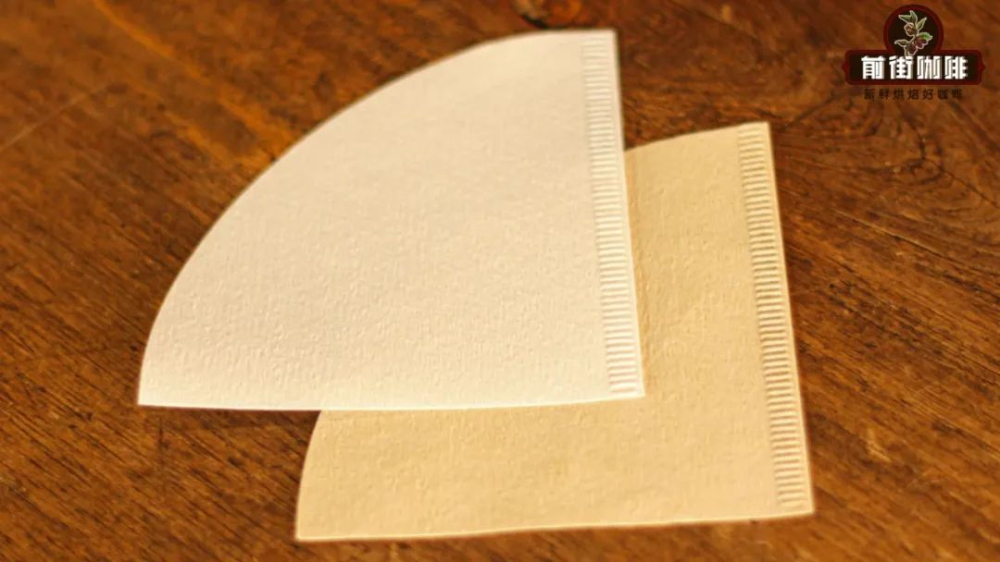
2. Regarding Filter Paper Adhesion
Whether the paper adheres properly depends mainly on technique. Operate poorly and it is hard to make the paper sit right even with water; operate well and, even without wetting, the downward pressure of the coffee grounds will bring about good adhesion.
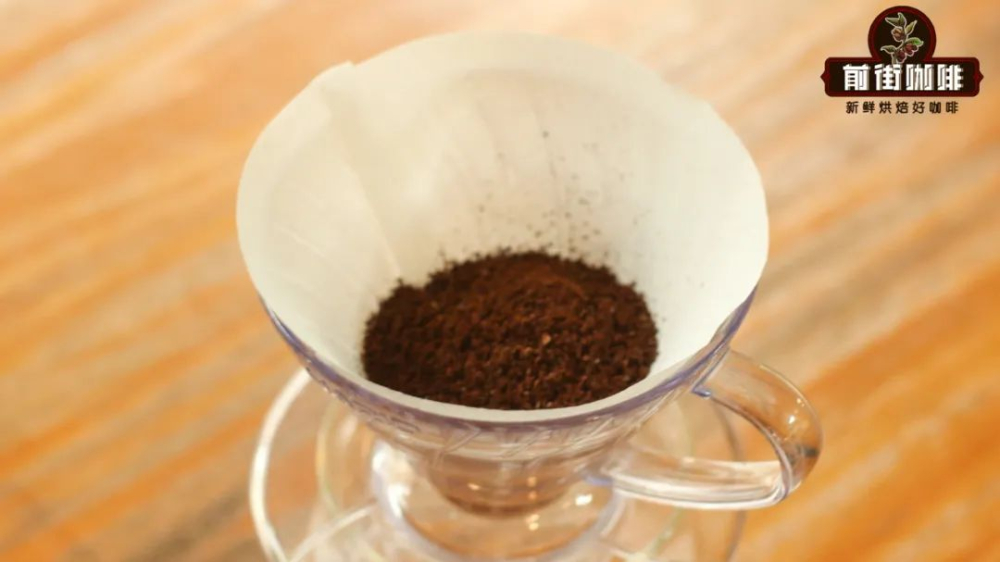
3. Regarding Preheating the Dripper
The need to preheat arose because earlier drippers were made mainly of ceramic, which insulates. Today, though, most people use resin drippers.
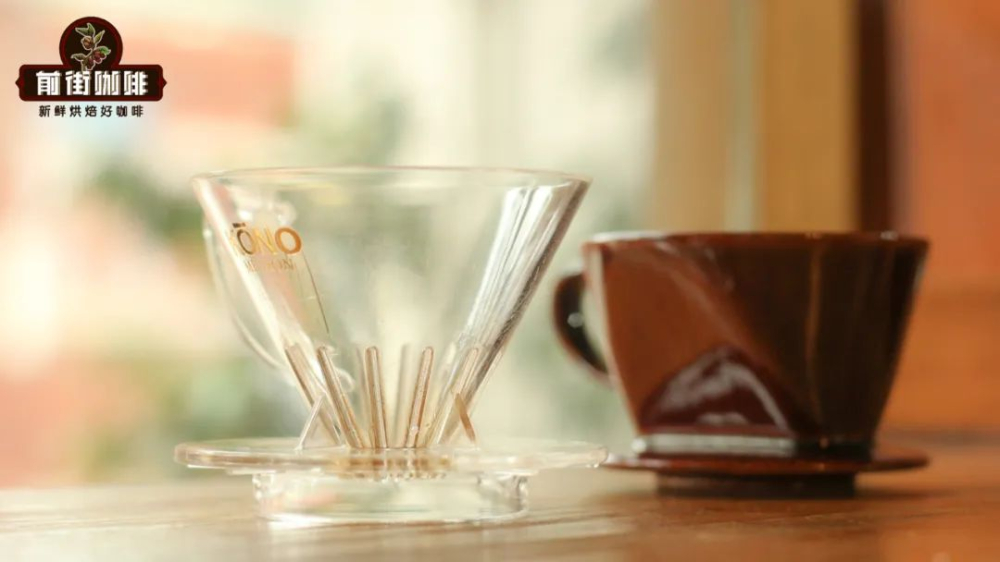
Resin is inexpensive and highly precise, which allows for mass production. It is heat-resistant but does not absorb heat. Not absorbing heat means no insulating effect, so preheating the dripper is unnecessary for the many drinkers using resin drippers.
More Important Considerations
So while those three points do show why wetting the paper can matter, they apply only to specific cases or specific equipment. When your gear and technique do not have those three problems, pre-wetting offers no advantage. FrontStreet Coffee believes the following two points are more worth weighing when you decide whether to wet the filter paper.
Filter Paper's Water Absorption
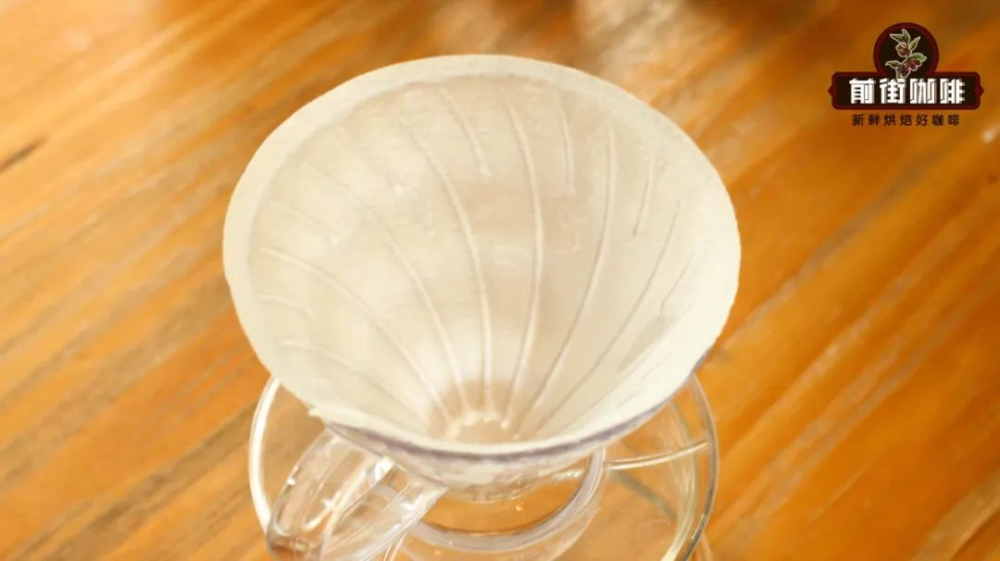
Dry filter paper, like coffee grounds, absorbs water. A single paper can take up about 8ml of water. If we wet it in advance, then during the actual brewing it will not absorb much coffee liquid; until brewing ends, the upper part of the paper stays translucent white. Brew without wetting it, and it absorbs brewed coffee, gradually turning from pure white to the yellow-brown of the coffee liquid.
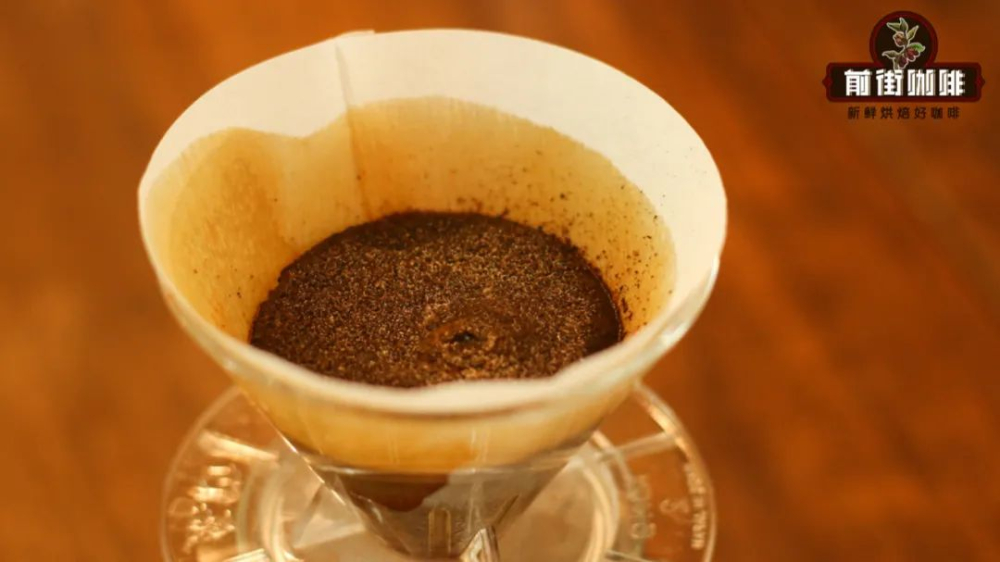
As a result, coffee brewed without pre-wetting may be slightly weaker than coffee brewed with wetted paper, because a small portion of the liquid is absorbed by the paper.
Pre-extraction of Coffee Grounds
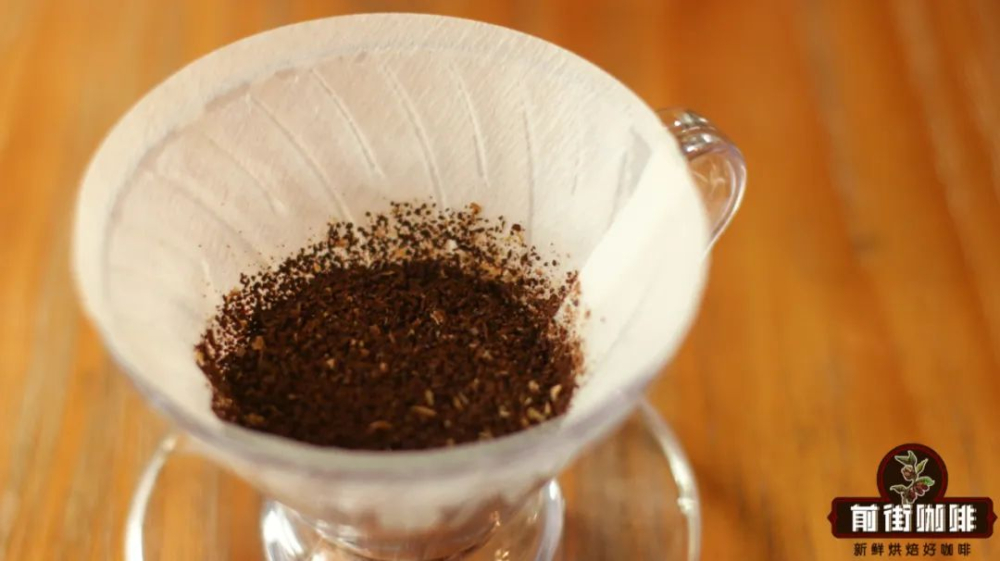
People often pour the grounds in immediately after wetting the paper. Coffee extraction is the process of using water to pull aromatic compounds from the coffee. If the grounds meet water before extraction begins, does that not mean the portion that touched water early has already been pre-extracted?
Conclusion
Do not worry. Although these two factors do affect the coffee, FrontStreet Coffee has found through many brewing comparisons that unless you taste and compare very carefully, you will not notice a difference. There is an effect, but it is very, very small. So, to repeat: if your equipment and technique do not have major issues, whether you wet the filter paper or not is entirely a matter of personal preference. After all, a cup of coffee does not have to be complicated.
- END -
FrontStreet Coffee Recommendation
Once your routine is settled, the coffee itself matters more than the filter paper - and a V60 rewards beans with clear, expressive aromatics. Start with FrontStreet Yirgacheffe Guddina Cooperative. Its V60-friendly profile brings out a classic washed Yirgacheffe character: jasmine florals and bright citrus acidity, plus, at a medium-light roast, green tea and honey notes. It suits pour-over, cold brew, and espresso, and it is one of the easiest coffees to learn on.
If you want the fruit to jump out of the cup, choose FrontStreet Ethiopia Huakui. Its tropical-fruit aroma is unmistakable - strawberry, passion fruit, jackfruit, even lychee - with pronounced sweetness, very little bitterness, and a smooth, juicy body. Many drinkers describe it as "the coffee that does not taste like coffee," and it can genuinely change how a person who dislikes bitterness thinks about coffee.
And if you want a gently fruity Geisha to brew on the V60, try FrontStreet Strawberry Candy. A blend of Costa Rican honey-processed coffee and Panamanian Geisha, it brings together delicate florals and sweet fruit. You can brew it as pour-over, in a moka pot, or on a home espresso machine - and it also makes a refreshing cold brew, with raisins, orange, and ripe blueberry aromas, a rose-like perfume, and a faint almond finish.
Important Notice :
FrontStreet Coffee is a long-established specialty coffee roaster in Guangzhou China, selling freshly roasted beans from its own farm in Yunnan as well as dozens of carefully selected single-origin beans from around the world for both pour-over and espresso. The products deliver consistently excellent quality and great value, with shipping within 24 hours. Guangzhou's FrontStreet Coffee shop is recommended by many coffee lovers, and the beans are now available online at the Tmall 。
FrontStreet Coffee has moved to a new address:
FrontStreet Coffee Address: 315,Donghua East Road,GuangZhou
Tel:020 38364473
 Scan and follow the En Gafei WeChat official account. Please indicate that the reprint comes from "En Gafei".