
Light Roast Coffee Offers Flavors Through Acidity, but What Exactly Are We Tasting in Dark Roast? Where Does Coffee's Bitterness Come From?
The Evolution of Coffee Flavor: From Bitter to Complex
Since Erna Knutsen introduced "Specialty Coffee" in 1974, coffee flavors worldwide have gradually transformed from monotonous bitterness to diverse acidity. In the 21st century, the vast majority of pour-over coffee menus feature acidic light-roast beans, though naturally a small portion of bitter dark-roast beans remains for guests who still prefer bitter coffee.
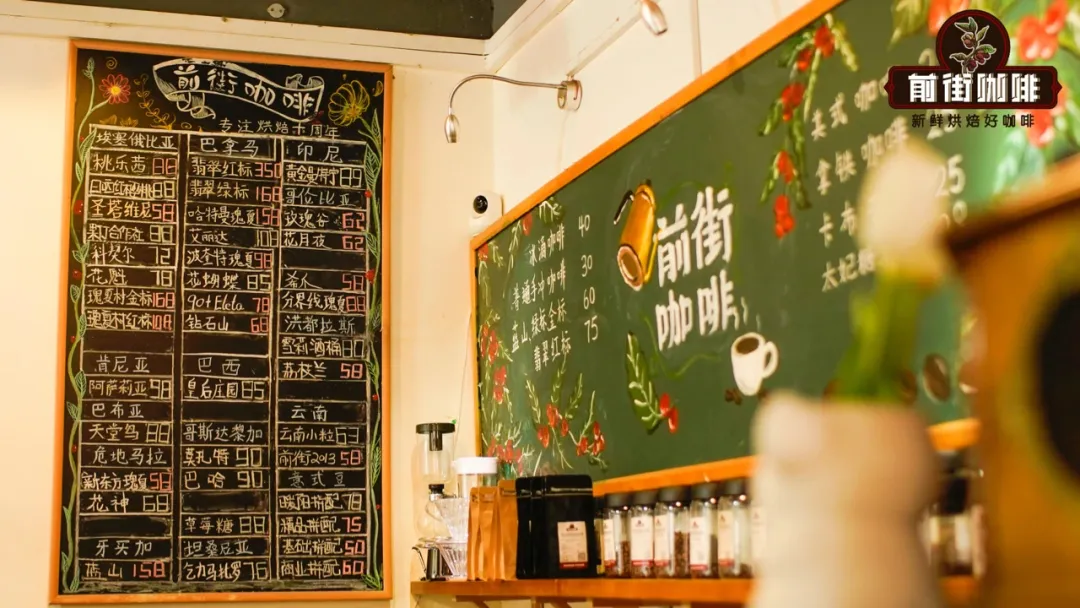
Light-roast coffee can exhibit highly complex flavor aromas, elegant floral notes, and juicy, smooth textures that are quite distinctive. In contrast, dark-roast coffee's uniform bitterness might seem like Cantonese herbal tea to those unfamiliar with coffee. This brings us to the question: if those who pursue light-roast coffee are seeking flavor, then what are those who pursue bitter coffee seeking?
The Birth of Coffee Bitterness
Coffee bitterness has multiple sources, but broadly speaking, it refers to the scorched bitterness produced during roasting. Coffee beans transform from raw to roasted through roasting, and the roasting time determines the roast degree and the balance of acidity and bitterness. During roasting, raw coffee beans continuously absorb heat and store energy. When enough heat accumulates, the beans crack from the pressure of the absorbed heat, releasing internal energy with a popping sound. When coffee beans in the roaster begin to make this sound densely, we call it the first crack. The appearance of first crack indicates that the beans are now roasted, and you can remove them from the roaster at any subsequent time.
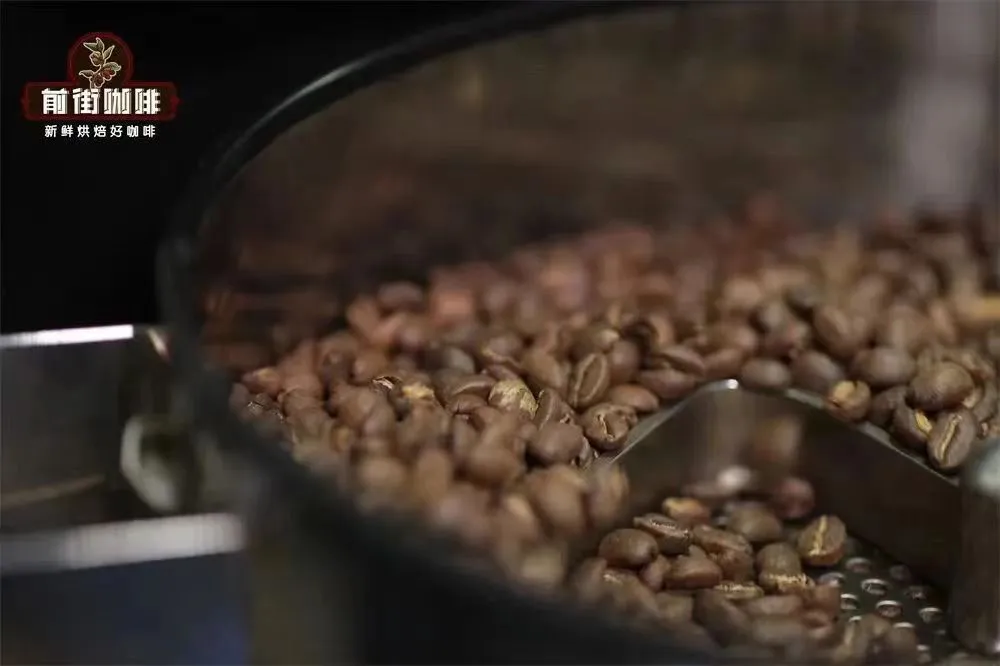
If we remove the beans when first crack begins, they will have very abundant acidity. If we choose not to remove them and continue roasting, the acidity will gradually decrease as roasting time increases, until the first crack sounds disappear completely and enter a silent period, meaning little acidity remains. At that point, the scorched bitterness begins to increase as roasting continues. Although people now prefer acidic coffee for the reasons mentioned above — rich and varied flavors — not all coffee beans can meet the requirements of light roasting. Some beans, when lightly roasted, do not exhibit the expected soft fruit acidity; instead, they show aggressive, sharp acidity or many negative flavors. Deep roasting's scorched bitterness is then needed to cover those defects.
The Unique Charm of Bitter Coffee
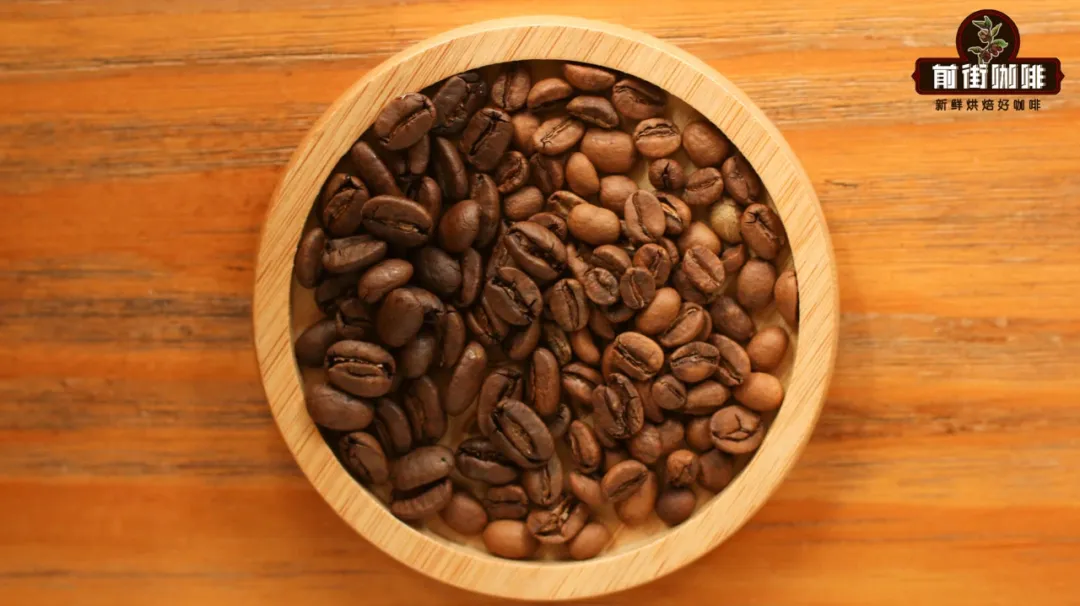
However, FrontStreet Coffee does not mean to suggest that deep-roasting coffee is only for covering defects in beans that cannot be lightly roasted — it is needed only in specific cases. Although dark-roast coffee cannot exhibit the rich, varied flavors of light-roast coffee, it has its own advantages.
Unique Aroma
Most people who like bitter coffee are not pursuing bitterness alone, but also aroma. As FrontStreet Coffee mentioned, prolonged roasting brings aromas such as caramel, nuts, chocolate, and toasted bread. Compared with the lively characteristics of light-roast coffee, these flavors tend toward depth and richness, making them more enticing.
Rich Body
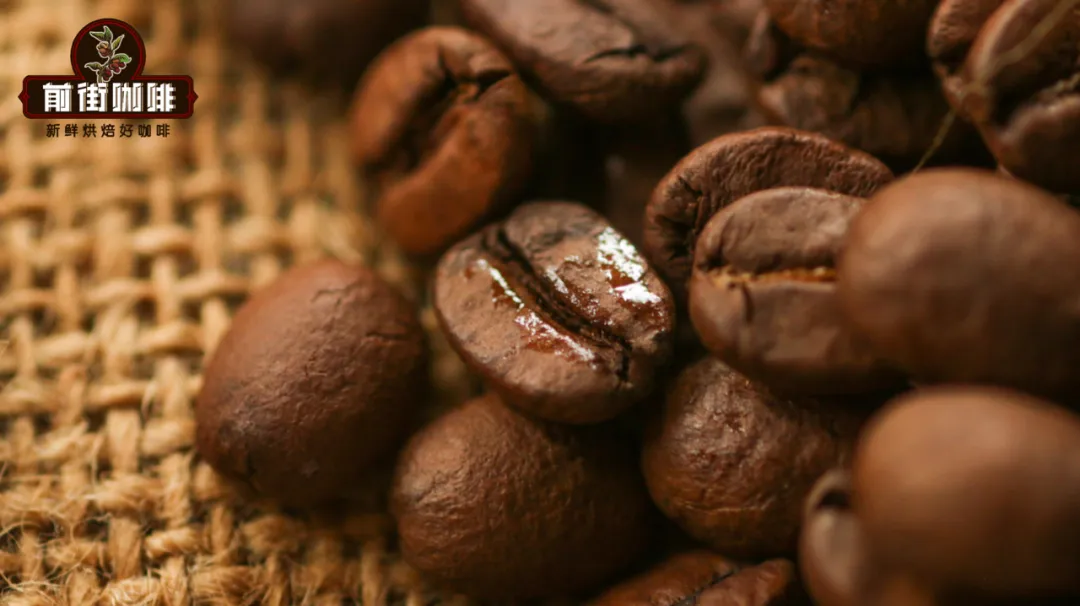
Through deep roasting, the oils in coffee beans migrate from the interior to the surface, which gives coffee a fuller body and makes it very smooth to drink. Mellow and sweet — this is a characteristic that light-roast coffee rarely possesses.
Pleasant Aftertaste
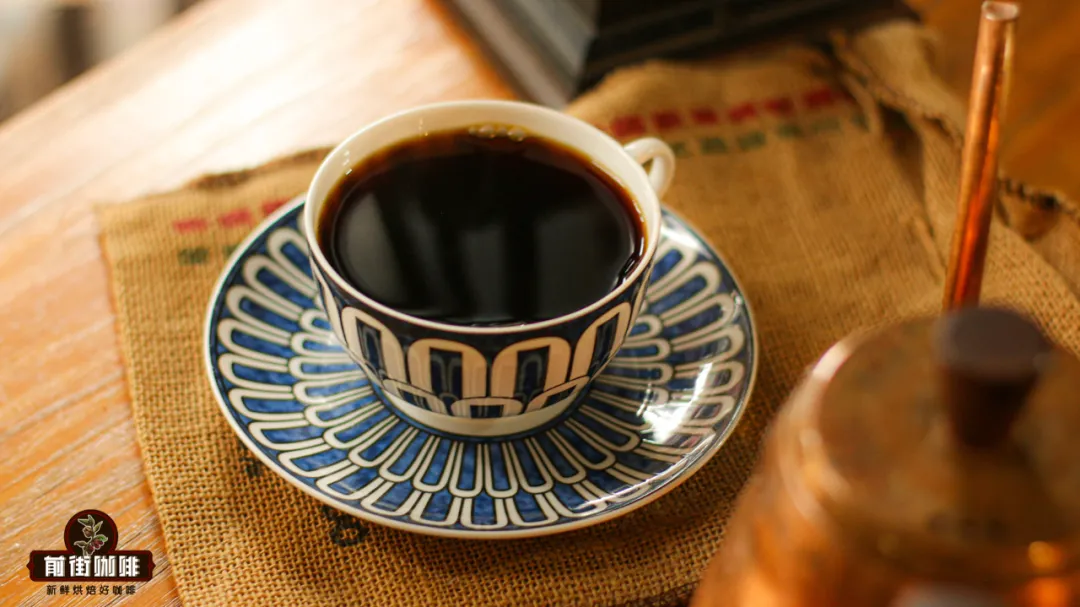
As the saying goes, bitterness gives way to sweetness. Dark-roasted bitter coffee belongs to this category. Although we taste more bitterness when drinking, after swallowing, the sweetness that comes back from the throat is very abundant and lasts a long time, allowing people to savor the cup slowly. Many enthusiasts of dark-roast coffee love exactly this experience.
The Difference Between Good and Bad Bitterness
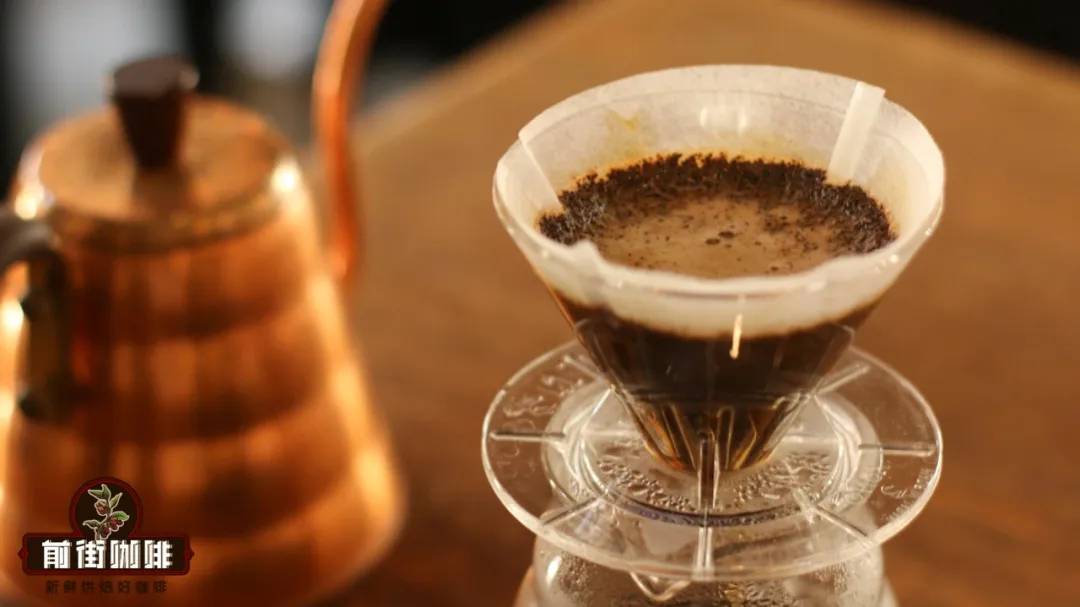
Remember how FrontStreet Coffee mentioned at the beginning that bitterness has multiple sources? Besides roasting, improper brewing can also produce intense bitterness in coffee — and this bitterness is truly harsh. The bitterness from roasting is a "quality bitterness" that accompanies aroma and sweetness to create a complete experience. The bitterness from improper brewing, however, is negative and unacceptable — harsh and astringent. We get such results when we extract all the soluble substances from coffee. But in reality, as long as you understand the extraction logic of dark-roast coffee and reduce extraction efficiency appropriately, a delicious bitter coffee is very easy to achieve.
Conclusion
Stop — the more I talk, the more excited I get. FrontStreet Coffee is going to brew a pot of Blue Mountain to enjoy first. After reading this article, are you sure you do not want a cup?
- END -

FrontStreet Coffee Recommendation
Whether you lean toward the acidity of light roasts or the depth of dark roasts, FrontStreet has a bean for the cup you enjoy. For light-roast pour-over, FrontStreet Yirgacheffe Gedingding is a classic entry point, typically carrying bright citrus, berry, and floral notes with a green-tea-like sweetness and a soft, bright acidity that resembles fruit's natural sweet-sourness.
For vivid fruit and a fuller body, FrontStreet Ethiopia Huakui stands out with extremely prominent tropical fruit aroma — strawberry, passion fruit, jackfruit, even lychee — plus obvious sweetness and very low bitterness. FrontStreet Kenya Cherry Tomato suits lovers of bright acidity and complexity: a Kenyan specialty washed bean from the Sicca region, grown at 1,550-1,750 meters from the SL28 and SL34 varieties and processed with a 72-hour double washed fermentation, then roasted light to keep the lively acidity and layered fruit. It shows cherry tomato and smoked plum, a juicy mid-palate of pear and black plum, and a clean, long finish of yellow sugar and green tea.
If bitter, low-acid depth is what you are after, choose a darker roast. FrontStreet PWN Indonesian Golden Mandheling is deep-roasted with very low acidity and a full, lingering body, rich in herbal and dark chocolate aroma with a faint earthy note. FrontStreet Brazil Queen's Estate is low in acidity and beautifully balanced, with intense nut and cocoa aromas, clear caramel sweetness, and a smooth, warming finish. And for a cup that balances acidity, sweetness, bitterness, and aroma, FrontStreet Jamaica Blue Mountain No. 1 remains the benchmark, with cream, caramel, chocolate, nuts, honey, and a light fruit note, smooth and rounded with a clean, long finish.
Important Notice :
FrontStreet Coffee is a long-established specialty coffee roaster in Guangzhou China, selling freshly roasted beans from its own farm in Yunnan as well as dozens of carefully selected single-origin beans from around the world for both pour-over and espresso. The products deliver consistently excellent quality and great value, with shipping within 24 hours. Guangzhou's FrontStreet Coffee shop is recommended by many coffee lovers, and the beans are now available online at the Tmall 。
FrontStreet Coffee has moved to a new address:
FrontStreet Coffee Address: 315,Donghua East Road,GuangZhou
Tel:020 38364473
 Scan and follow the En Gafei WeChat official account. Please indicate that the reprint comes from "En Gafei".

