Kenya Coffee Beans | Introduction to Thika AA Estate SL28 & SL34 Coffee Beans
African Coffee: Kenya's Premium Growing Regions
Coffee grows in multiple countries on every continent, and in Africa it represents one of the most significant shares of global production. Beyond Ethiopia — the universally recognized birthplace of coffee — Africa counts many other growers, including Kenya, Rwanda, and Tanzania. Among them, Kenya stands out as one of the continent's most celebrated origins.
Kenya: Geography and Climate
Located in eastern Africa, Kenya has both coastal and mainland territory, bordering Somalia, Tanzania, Uganda, South Sudan, and Ethiopia. To the southeast lies the Indian Ocean, with 536 kilometers of coastline. The Great Rift Valley runs north to south through the country. The coast is plains, but most of the land is highland averaging 1,500 meters. The north is dotted with lakes and volcanoes, and in the central highlands the dormant Mount Kenya rises to 5,199 meters — Africa's second-highest peak.
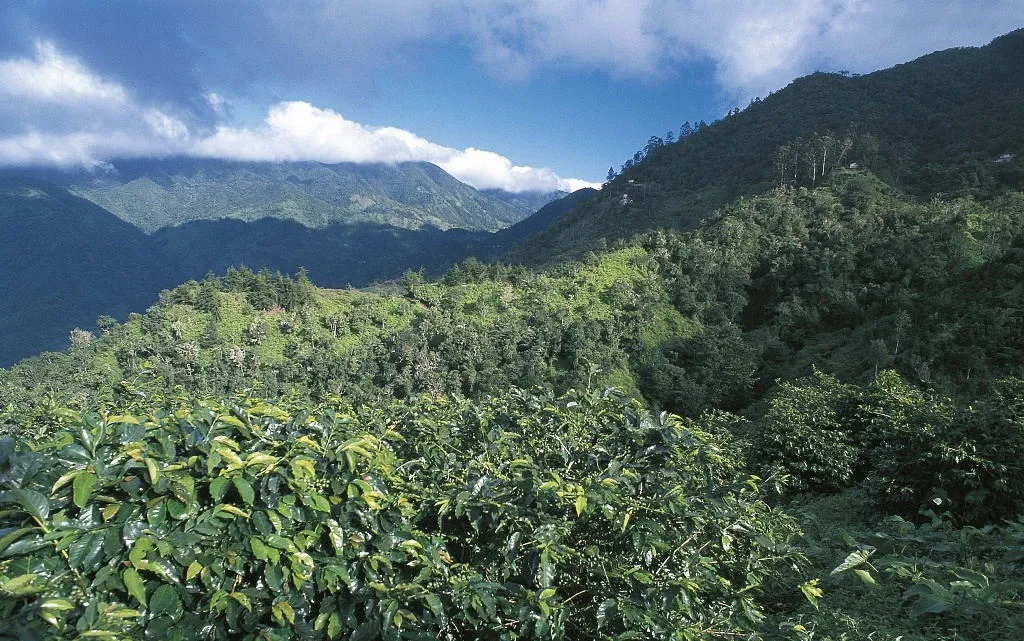
The equator crosses Kenya, placing it in the tropical monsoon zone, with most of the country under a tropical savanna climate. The coastal regions are relatively hot and humid, while the highlands stay mild. The rainy seasons run from March to June and October to December, with the remaining months dry. Annual temperatures range between 12-24°C, and rainfall drops from 1,500mm in the southwest to 200mm in the northeast. High mountains, volcanic soil, abundant sunshine, and well-timed rain combine into ideal conditions for Kenya's specialty coffee.
Thika Region
Kenya has many coffee-growing regions, concentrated mainly in the southwest across 14 principal zones: Bungoma, Embu, Kiambu, Kirinyaga, Kisii, Machakos, Meru, Mt. Elgon, Murang'a, Nakuru, Nyeri, Thika, Taita Taveta, and Trans-Nzoia. Of these, Nyeri, Kirinyaga, Murang'a, Kiambu, and Thika are the most famous.
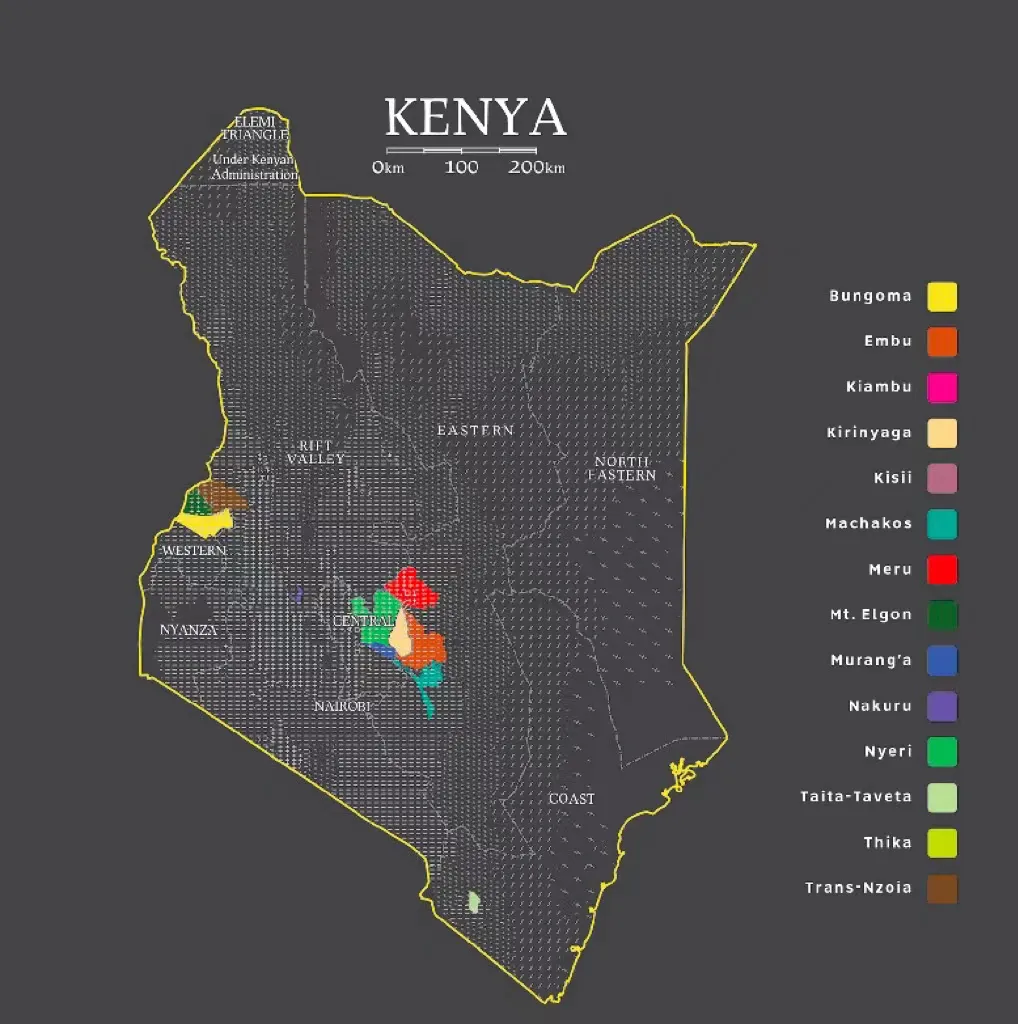
Thika is a small town near the capital, Nairobi, an industrial town ringed by coffee plantations, farmland, and waterfalls. Around 2,000 farmers grow coffee here at elevations of 1,520-2,200 meters. Compared with beans from other Kenyan regions, Thika coffees show more pronounced tomato flavors. Roughly 90% of the varieties planted are SL34 and SL28, supplemented by Typica, Kents, Bourbon, and Riuri 11.
Asalia Processing Plant / K72 Washed Processing
The Asalia processing plant — "Asali" means "honey" in Swahili, Kenya's official language — sits in the Thika region between the Aberdare Mountains and the Great Rift Valley. Focused primarily on washed processing, it is one of the region's most renowned facilities.

Kenya's washed method is distinctive. After harvest, farmers first sort the best cherries, which are pulped and soaked in fermentation tanks for 24 hours. They are then washed clean of some mucilage and fermented for another 24 hours in fresh water. The cycle repeats three times — 72 hours in total — before the beans are finally sun-dried. Hence the name: Kenya's 72-hour fermentation washed process, or K72. These long, cool fermentations give the beans brighter acidity and a cleaner mouthfeel.
SL34 & SL28 Varieties
SL34 and SL28 are arguably Kenya's most famous varieties, the "SL" coming from Scott Laboratories where they were developed. In the late 1930s, the Kenyan government commissioned the former Scott Agricultural Laboratories (now the National Agricultural Laboratories of Kenya) to study 42 selected varieties for yield, quality, and disease resistance. SL34 and SL28 made the cut.
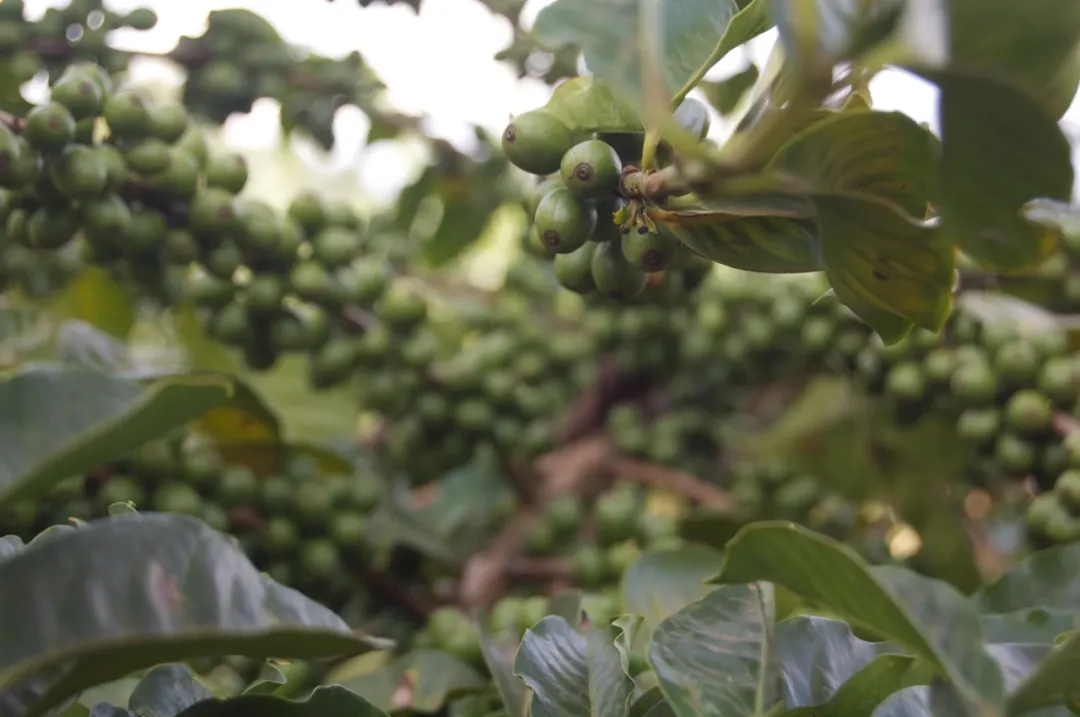
Both varieties are vulnerable to major coffee diseases, but they offer excellent quality and flavor and thrive at high altitude — the higher the elevation, the better the cup. Genetic testing shows SL28 descends from Bourbon while SL34 derives from Typica. Despite their different lineages, they share a similar flavor profile: complex, layered acidity and wonderful sweetness in the aftertaste. In body, SL28 is the heavier, more intense of the two, with higher clarity.
FrontStreet Coffee Kenya Asalia AA TOP
Region: Thika
Estate/Processing Plant: Asalia Processing Plant
Altitude: 1,550-1,750 meters
Varieties: SL28, SL34
Processing: K72 Washed
Flavor Notes: cherry tomato, black plum, berries, citrus, green tea
FrontStreet Coffee's Kenya Asalia is K72 washed and medium-light roasted. Brewed on a V60 at a 1:15 ratio with 92°C water, it opens with ripe tomato and floral aromas, then delivers cherry tomato and black plum flavors with bright acidity, prominent sweetness, a juicy sensation, and a clean finish.

FrontStreet Coffee Recommendation
If Kenya's vivid berry acidity wins you over, Ethiopia — coffee's birthplace — offers kindred delights. Start with the FrontStreet Washed Yirgacheffe: jasmine florals and bright citrus acidity over a light, tea-like body that drinks like a clean, refreshing lemon tea. Or try the FrontStreet Worka Cooperative (Guodingding) from the Yirgacheffe region — a washed lot whose citrus, lemon, and elegant white-floral notes echo Kenya's clarity at a friendlier price.
Craving fruit intensity closer to Thika's tomato character? The FrontStreet Sidama Natural Hamacho 74158 is the answer: with perfume lemon, strawberry, and star-fruit sweetness on the nose, then strawberry, star fruit, and green grape on the palate, its light floral finish makes it one of the most aromatic natural Ethiopias we roast.
Important Notice :
FrontStreet Coffee is a long-established specialty coffee roaster in Guangzhou China, selling freshly roasted beans from its own farm in Yunnan as well as dozens of carefully selected single-origin beans from around the world for both pour-over and espresso. The products deliver consistently excellent quality and great value, with shipping within 24 hours. Guangzhou's FrontStreet Coffee shop is recommended by many coffee lovers, and the beans are now available online at the Tmall 。
FrontStreet Coffee has moved to a new address:
FrontStreet Coffee Address: 315,Donghua East Road,GuangZhou
Tel:020 38364473
 Scan and follow the En Gafei WeChat official account. Please indicate that the reprint comes from "En Gafei".