
Why Can't I Create Latte Art Patterns? A Detailed Tutorial on Latte Art

Latte art has a magnetic quality that draws in both viewers and learners. For beginners, few moments match the thrill of your first formed pattern — imperfect as it may be, it fuels the confidence to keep drilling the repetitive cycle of steaming milk, fusing, pushing patterns, swinging, and moving the cup.
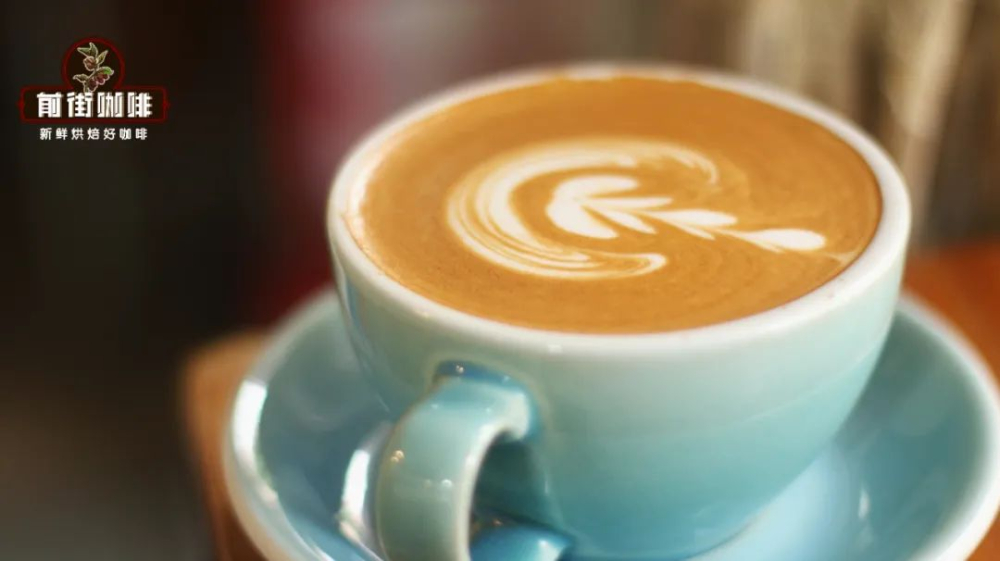
But some self-taught enthusiasts get stuck at square one: they copy every movement faithfully, yet no matter how they pour, no pattern ever appears on the surface. Don't panic — FrontStreet Coffee is here to troubleshoot it with you.
Why Won't Patterns Appear?
The "flowers" in latte art are really just color contrast between white milk foam and espresso crema. With the same pitcher of foam, raising the liquid column flushes the foam down into the coffee and leaves no white trace on the surface. Lower the pitcher spout — shorten the column — and the foam instead floats along the pouring path, gradually building up patterns.
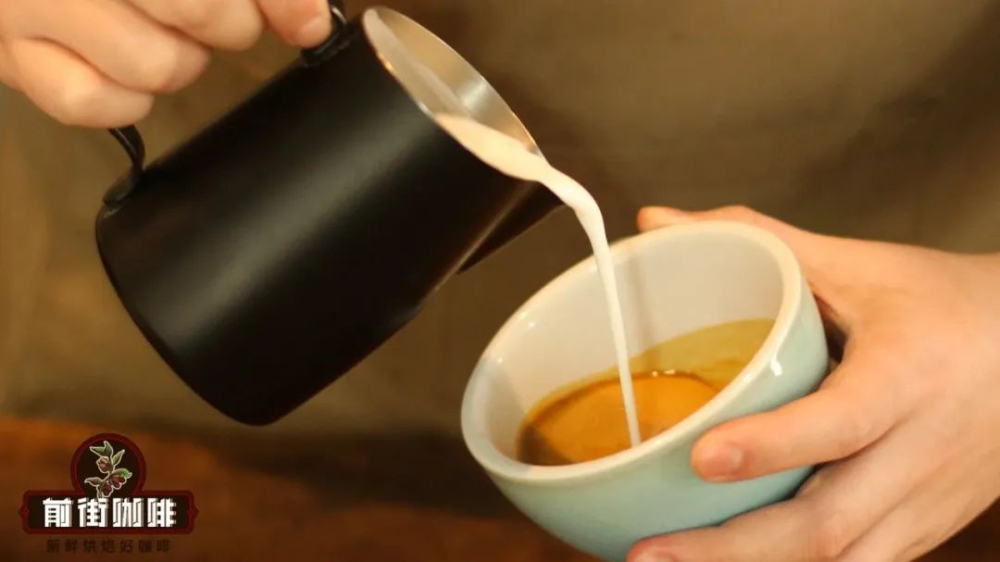
So during fusion, keep the spout high and the flow steady and concentrated, so all the foam integrates fully into the coffee and nothing white lingers on top. When it's time to make the pattern, drop the spout and angle it properly so the "white" lands where you want it, to be wrapped in the golden crema. Those assembled traces become the pattern you're after.
According to FrontStreet Coffee, when the foam is properly steamed but patterns still won't form, it comes down to three culprits: poor fluidity in the liquids, holding the pitcher too high during pattern formation, and pouring too weakly. (If your trouble is at the steaming stage, see FrontStreet Coffee's article "Want Fine Microfoam? Just Pay Attention to These Key Points!")
1. Not Shaking Before Fusion
Fusion — using the milk to "stir" the espresso — is the preparatory step before any real pattern. Beautiful latte art is built on good fusion, the way a house is built on its foundation. It's not just mixing espresso and milk; it's about marrying the foam with the crema.
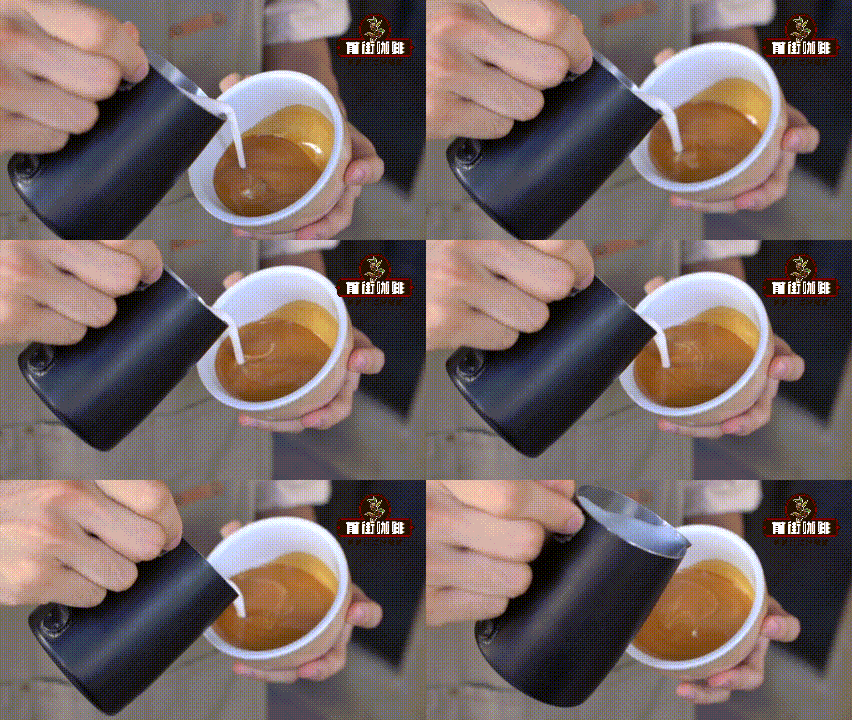
To avoid scrambling, many people pull the espresso first and steam the milk after — or the reverse. Either way, both liquids sit for a while, and their fluidity drifts: the foam can clump and separate from the liquid beneath, while the crema thins out and gathers into "clusters" like those in the image below. Pour latte art into that and no pattern will form.
That's why FrontStreet Coffee recommends gently swirling the milk pitcher and the coffee cup before pouring, until each surface is smooth and glossy. This spreads the lighter foam evenly through the container and evens out its fluidity with the liquid below — and patterns come together far more readily.

2. Starting the Pattern with the Pitcher Too High
If you've tried shaking and still get nothing, the fault is likely in your technique. FrontStreet Coffee has watched beginners hold the pitcher high — 8 cm or more — through both fusion and pattern-making, so the stream punches straight through the surface to the bottom of the cup. The result: nothing but a small white dot on the crema.
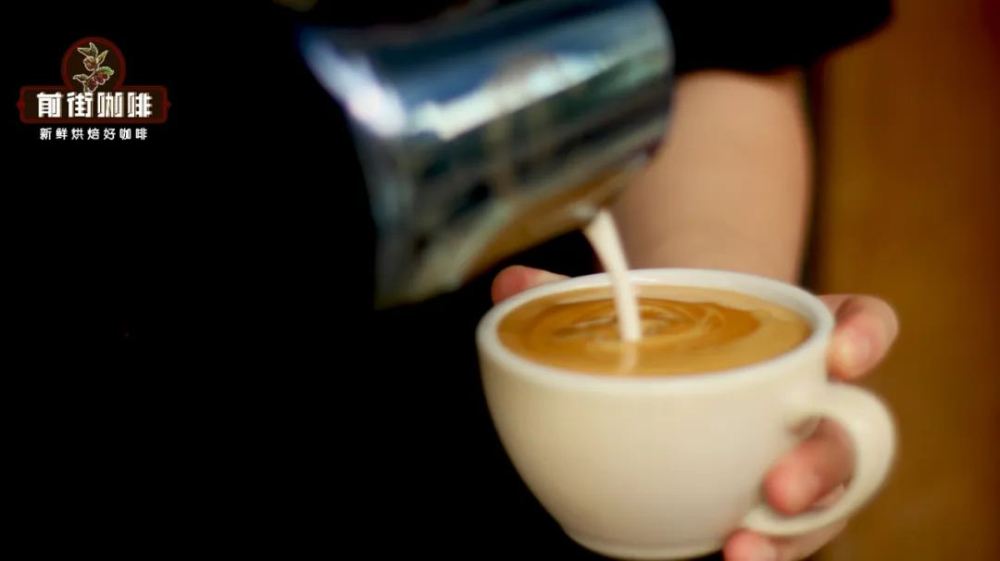
As we said, for the white to stay on the surface, the spout has to come down close. After fusion ends, the pitcher changes roles — from "stirring rod" to paintbrush. The closer the pour point is to the liquid, the more easily the foam settles in place without scattering, and the easier it becomes to push out clean patterns.
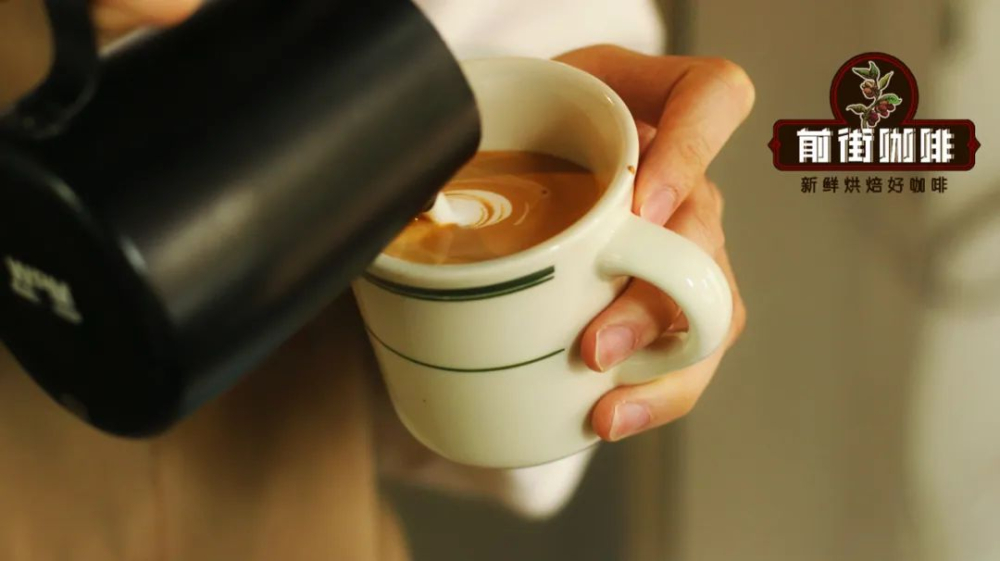
3. Too Little Flow During Pattern Formation
Experienced pourers know that as the foam slides backward into the crema, the white path spreads outward and curls back in from both sides, supporting the foam still pouring in — that's what fills out a pattern.
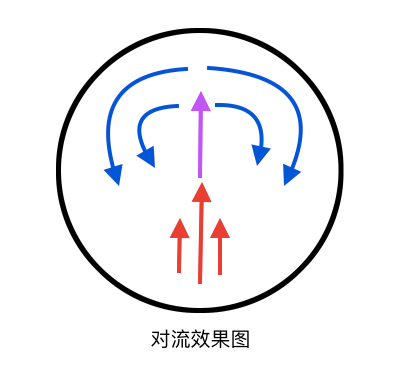
If the flow is too thin, the foam can't emerge fast enough. The pitcher ends up merely injecting milk into the espresso, no white stays on the surface, and leftover foam eventually clumps at the bottom of the pitcher.
So whether you're pouring the beginner's "big white heart," the no-swing "tulip," or advanced textures like the "leaf" or "thousand-layer heart," the rule after fusion is the same: drop the spout, open the flow to near maximum, and push forward.


FrontStreet Coffee Recommendation
Good latte art needs a good base, and that starts with the right beans. For practicing at home, FrontStreet Coffee recommends the FrontStreet Coffee Classic Blend — a medium-dark espresso recipe built from three origins, inspired by the old-school "Mamba" pairing of Mandheling and Brazil, with a touch of Robusta for extra aroma and crema. It pours with distinct notes of butter, toasted bread, and caramel cookies, a strong and solid body, and stable, fine-textured crema — everything a beginner needs.
If you lean toward rich nutty profiles, the FrontStreet Coffee Premium Blend pairs washed Colombian with pulped-natural Brazilian beans for espresso with nut, dark chocolate, and caramel character; in milk drinks like lattes and flat whites it shows a smooth cream, almond, and cocoa aroma, with crema that rivals café output. And if a café is in your future, the FrontStreet Coffee Commercial Blend adds a little Robusta to the Premium base for even deeper, darker crema and a heavier body — making hearts, tulips, and rosettas effortless in Americanos, lattes, and mochas alike.
Important Notice :
FrontStreet Coffee is a long-established specialty coffee roaster in Guangzhou China, selling freshly roasted beans from its own farm in Yunnan as well as dozens of carefully selected single-origin beans from around the world for both pour-over and espresso. The products deliver consistently excellent quality and great value, with shipping within 24 hours. Guangzhou's FrontStreet Coffee shop is recommended by many coffee lovers, and the beans are now available online at the Tmall 。
FrontStreet Coffee has moved to a new address:
FrontStreet Coffee Address: 315,Donghua East Road,GuangZhou
Tel:020 38364473
 Scan and follow the En Gafei WeChat official account. Please indicate that the reprint comes from "En Gafei".

