
What's the Difference Between New, Old, Aged, and Vintage Coffee Beans? What Does "New Crop" Coffee Mean?
As everyone knows, the freshness of coffee beans affects the flavour of the brewed cup, and fresh beans give a fuller taste. That is why "freshness" has become the first thing people look for. The same is true of green coffee beans — except that for them, freshness is not judged by time alone.
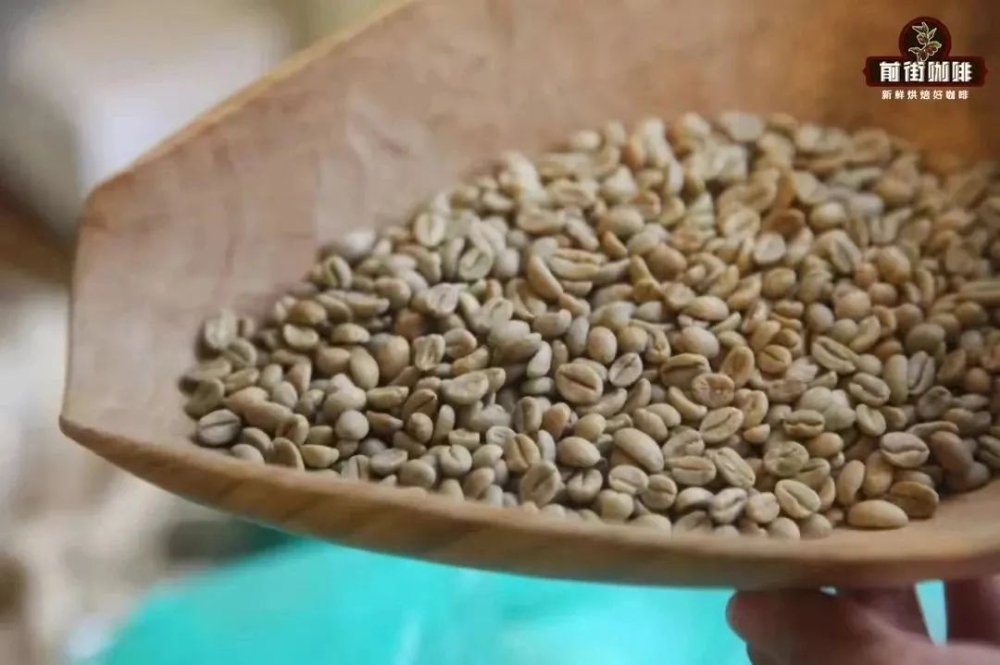
Understanding Coffee Bean Classifications
"New beans," "old beans," and "aged beans" are the names people give green coffee of different freshness levels. So how exactly are new, old, and aged beans told apart?
How Are New, Old, and Aged Beans Determined?
New beans (New Crop) are easy enough to understand: as the name suggests, they are beans from the new harvest season. To judge whether green beans are fresh, we generally look at whether they come from the current crop. But here lies a common misunderstanding. Many people assume "new harvest season beans" means green beans picked in the season we are living through right now. That is not the case.
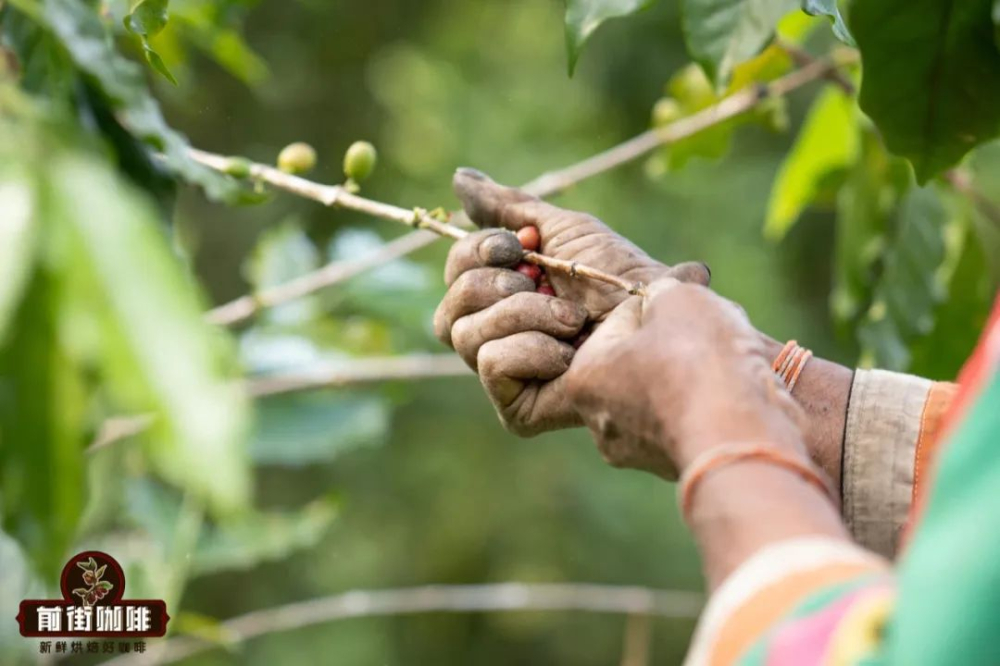
Most specialty beans have to be imported from abroad, and the whole journey — picking, processing, and shipping to our hands — takes nearly several months: two to three months at the shortest, more than half a year at the longest. Many producing regions harvest from October to January of the following year. Under the most conventional sea freight, green beans reach us at the earliest by April to June of the following year. So by the calendar that period already spans a year, yet what we receive and drink is genuinely the most recently produced coffee. New beans and new harvest seasons should not be confused with ordinary calendar time.
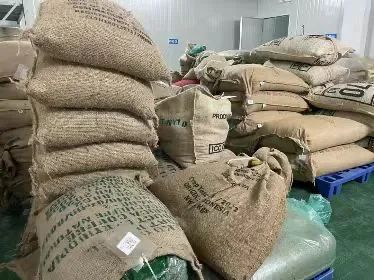
Once new beans are clear, old beans (Past Crop) are easy. Old beans are green beans harvested in the previous season or stored for more than a year (365 days). Their biggest difference from new beans is moisture content. Freshly picked green beans, once processed, have their moisture controlled between 11% and 13%. Within that range green coffee can be stored for long periods; beyond it, the beans are prone to mould, which is no help for beans that must travel long distances. As time passes, moisture gradually falls. When green coffee drops from its original 11%-13% down to 10%-11%, it has become old beans. Store it further, and once moisture falls to 9%-10% it becomes aged beans (Old Crop). Aged beans have been stored for more than three years, and both weight and quality are much reduced compared with the previous categories. Their roast time is therefore very short and their flavour is not promising. The exception is certain specific aged coffees that, despite long storage, still taste outstanding, because people deliberately extend the storage, much as they would cure meat.
Aged Coffee Beans: Not Just Old Beans
So aged beans are simply old beans? No. Aged beans are usually stored for more than three years, but they are not old beans, and their taste is no worse. As mentioned above, they are like cured meat — the result of deliberate treatment. Conventionally processed coffee is extremely prone to rot and mould after three years of storage; even without rotting, the flavour has long since disappeared. For aged beans, three years of storage is only the beginning. So the difference between new, old, aged, and vintage beans is as follows. Do not mistake a bean's age for it being an old bean; aged beans and old beans are not the same thing. As for aged coffee beans, FrontStreet Coffee will explain them another time.
- END -
FrontStreet Coffee
No. 10, Bao'an Qianjie, Yandun Road, Dongshankou, Yuexiu District, Guangzhou, Guangdong Province

FrontStreet Coffee Recommendation
If you want to taste what a genuinely fresh crop brings to the cup, start with the two entry-level Ethiopian selections FrontStreet Coffee recommends most often. The first is FrontStreet Coffee's sun-dried Huakui from the Sidamo region, made with the traditional natural method: berry, floral, jackfruit, melon, and honey, with the tropical fruit and fermentation aromas that define a well-made natural.
The second is FrontStreet Coffee's washed Gudingding Cooperative coffee, a classic Yirgacheffe representative. Yirgacheffe has been known for washed processing since the 1970s, when the technique was introduced to raise green bean quality, and today the region is divided into ever more cooperative-level lots. Gudingding is a typical example, carrying jasmine florals, lemon acidity, and a berry note that stays clean and bright in the cup.
Important Notice :
FrontStreet Coffee is a long-established specialty coffee roaster in Guangzhou China, selling freshly roasted beans from its own farm in Yunnan as well as dozens of carefully selected single-origin beans from around the world for both pour-over and espresso. The products deliver consistently excellent quality and great value, with shipping within 24 hours. Guangzhou's FrontStreet Coffee shop is recommended by many coffee lovers, and the beans are now available online at the Tmall 。
FrontStreet Coffee has moved to a new address:
FrontStreet Coffee Address: 315,Donghua East Road,GuangZhou
Tel:020 38364473
 Scan and follow the En Gafei WeChat official account. Please indicate that the reprint comes from "En Gafei".

