
What Impact Do Different Pour Heights Have on Pour-Over Coffee? Essential Details to Note During Brewing!
Pour Height in Coffee Brewing
Pour height is the distance from the kettle spout to the coffee bed while brewing. Everyone has their own habits, so pour heights vary. Based on FrontStreet Coffee's observations, with common brewing methods the pour height generally falls between 0 and 7cm.
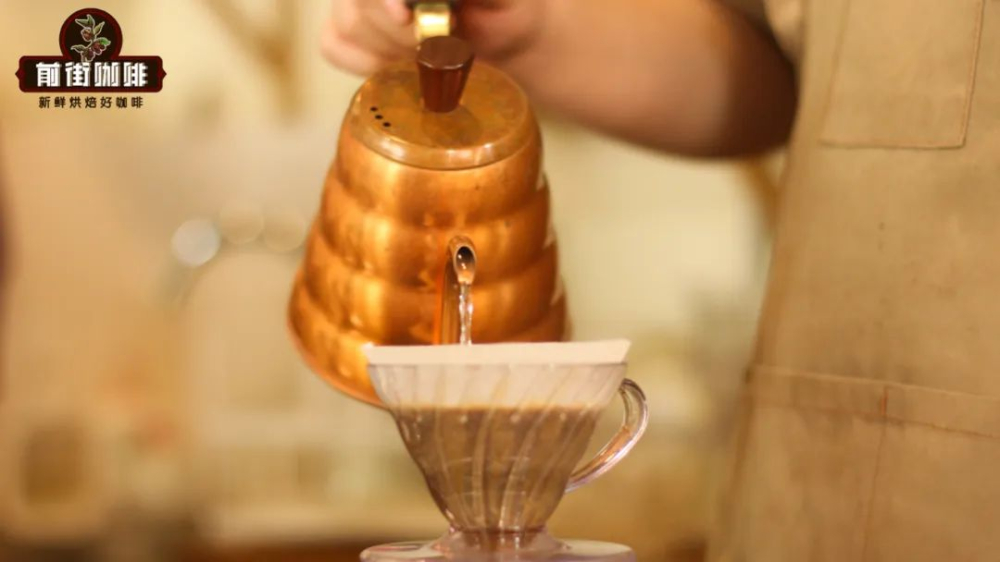
Some people like a vertical stream dropped from high above; others pour close to the surface of the water. Neither is wrong. Today FrontStreet Coffee wants to share how different pour heights affect brewing, so you can pick a more suitable height and make better coffee.
The Penetrating Power of the Water Stream
When you brew, the height of the pour determines the penetrating force of the stream. The higher you pour, the stronger the penetration; the lower, the weaker. That penetrating power matters for one key job: stirring the coffee bed. Pour hot water into the bed and the grounds churn from the impact, exposing more of their surface to the water and speeding up the release of compounds.
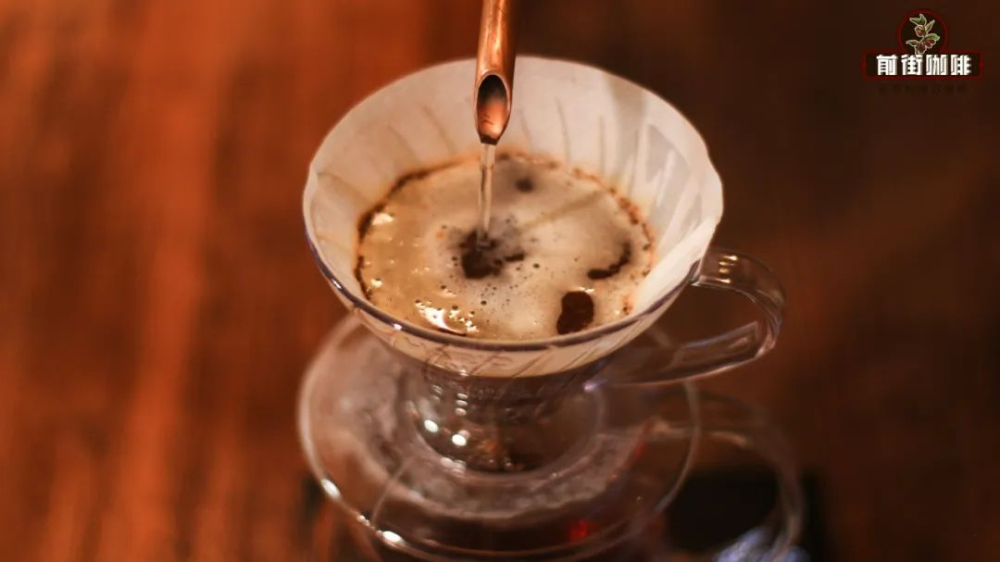
There are two things worth noting here. First, stronger penetration is not automatically better. A more forceful stream stirs more vigorously and extracts faster, so if you keep hitting the bed with a high-penetration stream you cause over-stirring. Bitterness, harshness, and other flavors that should never be over-extracted all come pouring out. FrontStreet Coffee therefore suggests using strong-penetration streams only when the situation calls for it.
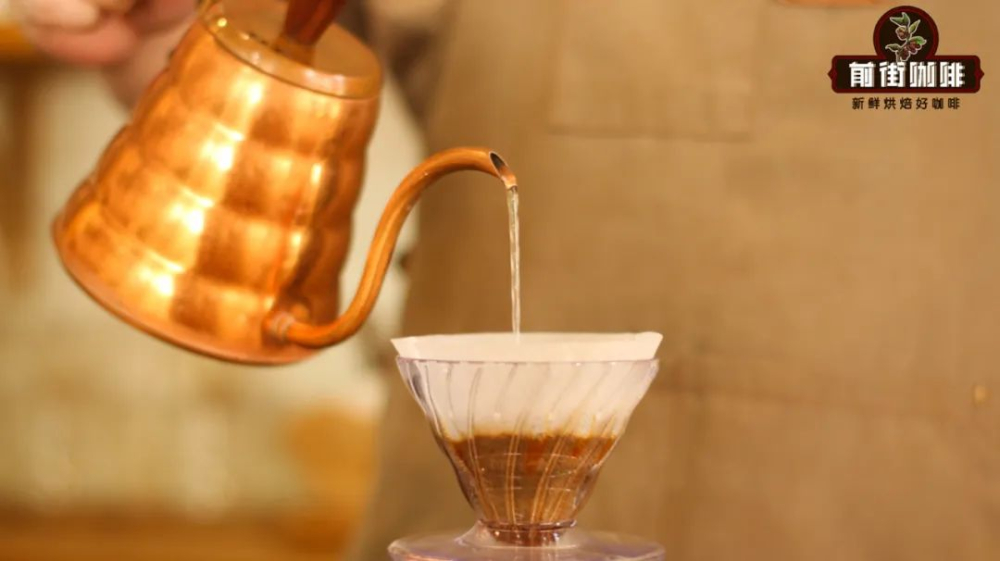
Second comes the maximum height limit for pouring. The stream we pour is not a cylinder but a cone — thicker at the top, thinner at the bottom. So once the pour point reaches a certain height, the flow is no longer a continuous stream but a string of dripping drops, or even breaks apart entirely.
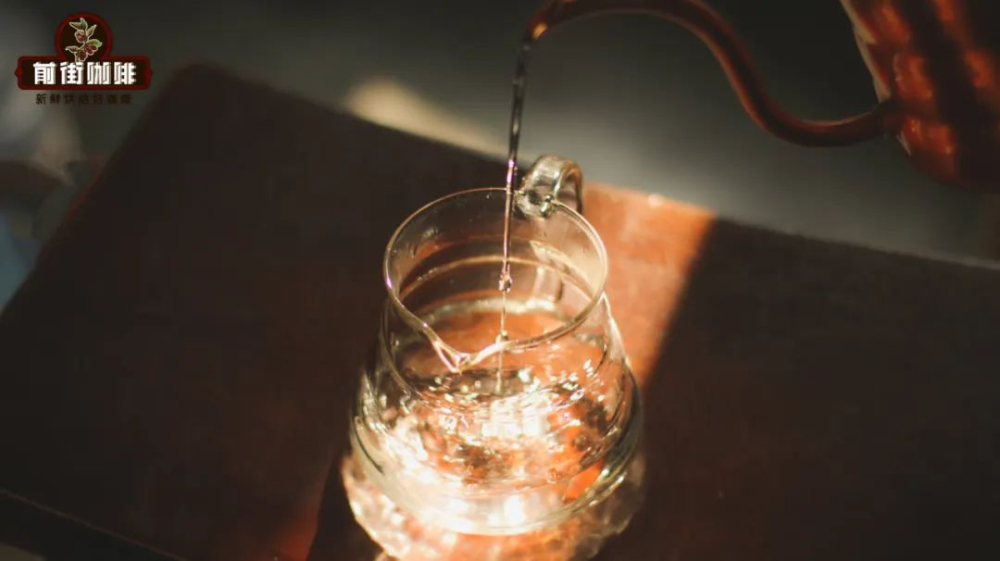
Dripping delivers water unevenly, so some patches of the bed get soaked and others stay dry, which easily throws off extraction. To avoid uneven extraction, FrontStreet Coffee suggests capping the pour height at 7cm — with the exception of a few special methods.
Cooling Rate of Hot Water
Surprise check! Let FrontStreet Coffee see who hasn't read the "Matsumoto-style Brewing" piece yet. It's fine if you haven't. The point is that Matsumoto-style, which covers the pot with a "lid" to steam, is one of those special methods. It uses a pour height beyond 7cm — starting from 25cm — precisely so the hot water cools on the way down.
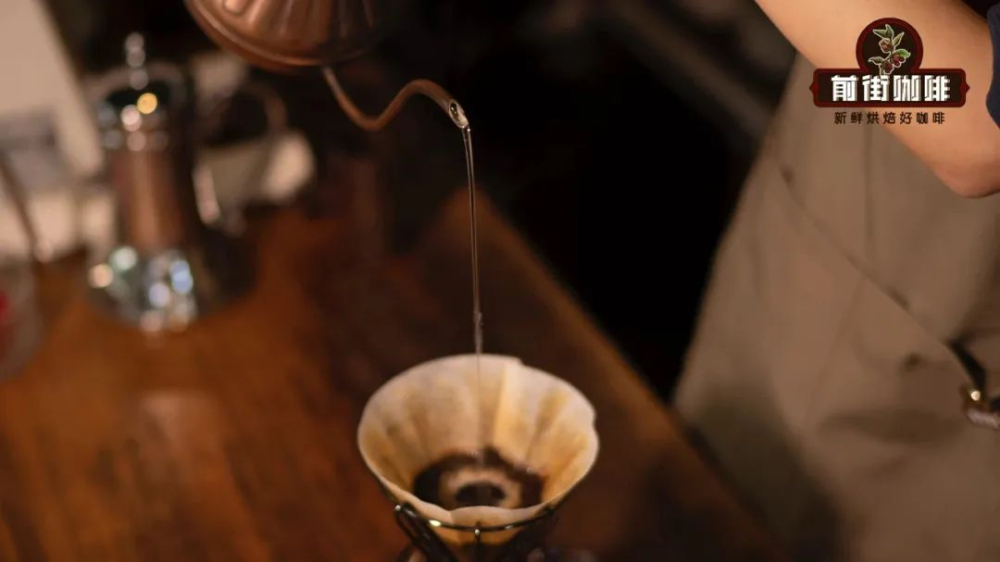
When hot water leaves the spout it immediately meets a large volume of air, which cools it. The higher the pour, the greater the surface area exposed to air, and the more heat is lost. That shifts the actual water temperature used for extraction and changes the concentration. So if you're used to pouring from high up, FrontStreet Coffee suggests raising your brewing water temperature by 1-2°C, especially in winter when the air is cold. That compensates for the heat stolen by cold air and keeps the coffee extracting properly.
Verticality of the Water Stream
Most pour-over kettles don't pour vertically. Their spout design sends the water out in an outward-sloping parabola that only straightens toward vertical as the pour height increases. That means when such a spout pours close to the surface, the water doesn't cut down through the grounds vertically but breaks through the bed wall at an angle, adding an unstable variable to extraction. FrontStreet Coffee therefore suggests keeping some distance from the surface, so the landing point stays consistent and extraction stays even.
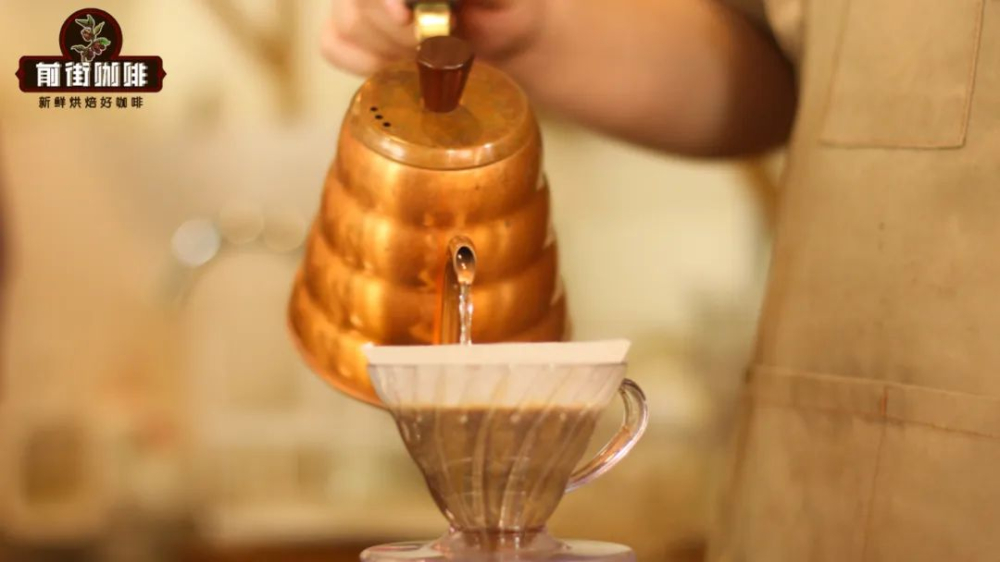
In short, the aspect most affected by pour height is extraction efficiency. FrontStreet Coffee usually brews at a pour height of 3-4cm — not because coffee tastes best from that position, but because for the kettle FrontStreet Coffee uses, it has the highest fault tolerance. So just understand what each stream position does, then combine that knowledge with your own kettle and brewing method to minimize the negative factors and land a delicious cup.

FrontStreet Coffee Recommendation
Because pour height mainly governs how much the water stirs the bed, it pays to start with beans whose best qualities are easy to reach. FrontStreet Coffee's washed Yirgacheffe Guodingding is a perfect training bean: a traditional washed lot from a village cooperative on Yirgacheffe's southeastern edge, with clean citrus and lemon acidity, jasmine fragrance, and none of the old bitterness. Its bright, forgiving profile makes it easy to taste what a change in pour height actually does.
Once your control is steady, try FrontStreet Coffee's Ethiopia Huakui, whose tropical-fruit aromatics — strawberry, passion fruit, jackfruit, even lychee — come with clear sweetness and almost no bitterness. Both are light-roasted, floral-and-fruity coffees that show their layered character best through a V60, and both reward a stream strong enough to stir without ever going so high that the flow breaks into drops.
Important Notice :
FrontStreet Coffee is a long-established specialty coffee roaster in Guangzhou China, selling freshly roasted beans from its own farm in Yunnan as well as dozens of carefully selected single-origin beans from around the world for both pour-over and espresso. The products deliver consistently excellent quality and great value, with shipping within 24 hours. Guangzhou's FrontStreet Coffee shop is recommended by many coffee lovers, and the beans are now available online at the Tmall 。
FrontStreet Coffee has moved to a new address:
FrontStreet Coffee Address: 315,Donghua East Road,GuangZhou
Tel:020 38364473
 Scan and follow the En Gafei WeChat official account. Please indicate that the reprint comes from "En Gafei".

