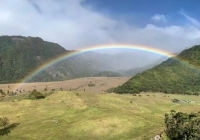
Papua New Guinea Coffee Beans | Introduction to Sigri Estate Paradise Bird Coffee Beans from the Western Highlands Region
Papua New Guinea Coffee: Asia's "Little Blue Mountain"
Asia has no shortage of coffee-producing countries, among them Papua New Guinea, China's Yunnan province, Vietnam, and Indonesia. Papua New Guinea earned the nickname "Little Blue Mountain" for cultivating Typica coffee originally introduced from Jamaica's Blue Mountains.
Papua New Guinea
Papua New Guinea lies in the southwestern Pacific, part of the Melanesian archipelago and made up of more than 600 islands. It borders Indonesia to the west and is separated from Australia by the sea to the south. The country has 8,300 kilometers of coastline and many volcanic islands. The southern part consists of plains and lowlands, while the central region features a central mountain range, with northern ridges running parallel to it and made up of several separate ranges.
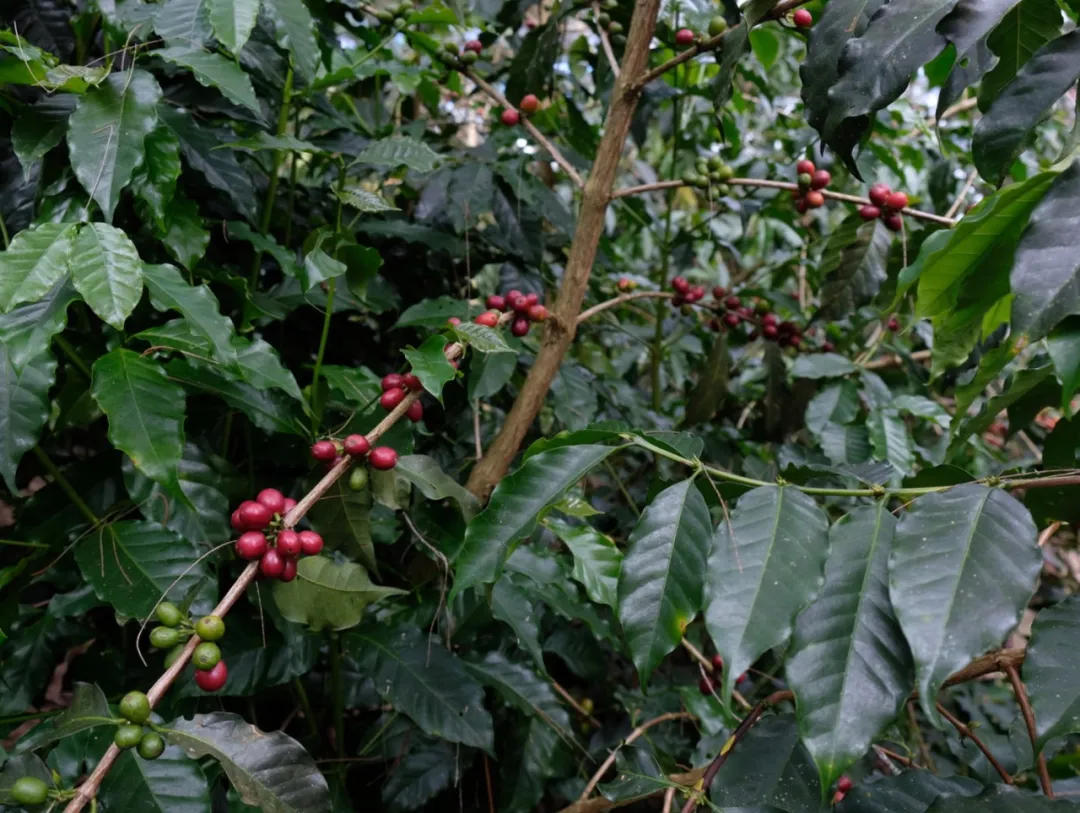
In Papua New Guinea, areas above 1,000 meters have a highland climate, while lower elevations have a tropical rainforest climate. The dry season runs from May to October and the rainy season from November to April. Coastal areas average 21°C to 32°C, while mountainous areas run 5-6°C cooler. Average annual rainfall is 2,500 mm. Sitting near the equator with a suitable climate, abundant rain, and volcanic soil, Papua New Guinea is a natural paradise for coffee.
The Western Highlands Coffee Region
Papua New Guinea coffee is currently produced in five highland provinces: Western Highlands, Eastern Highlands, Chimbu, Morobe, and East Sepik. The Eastern and Western Highlands are the major producers of Typica, with small amounts of Catimor and Bourbon also grown. Beans from other regions are of lower quality, mostly Robusta.
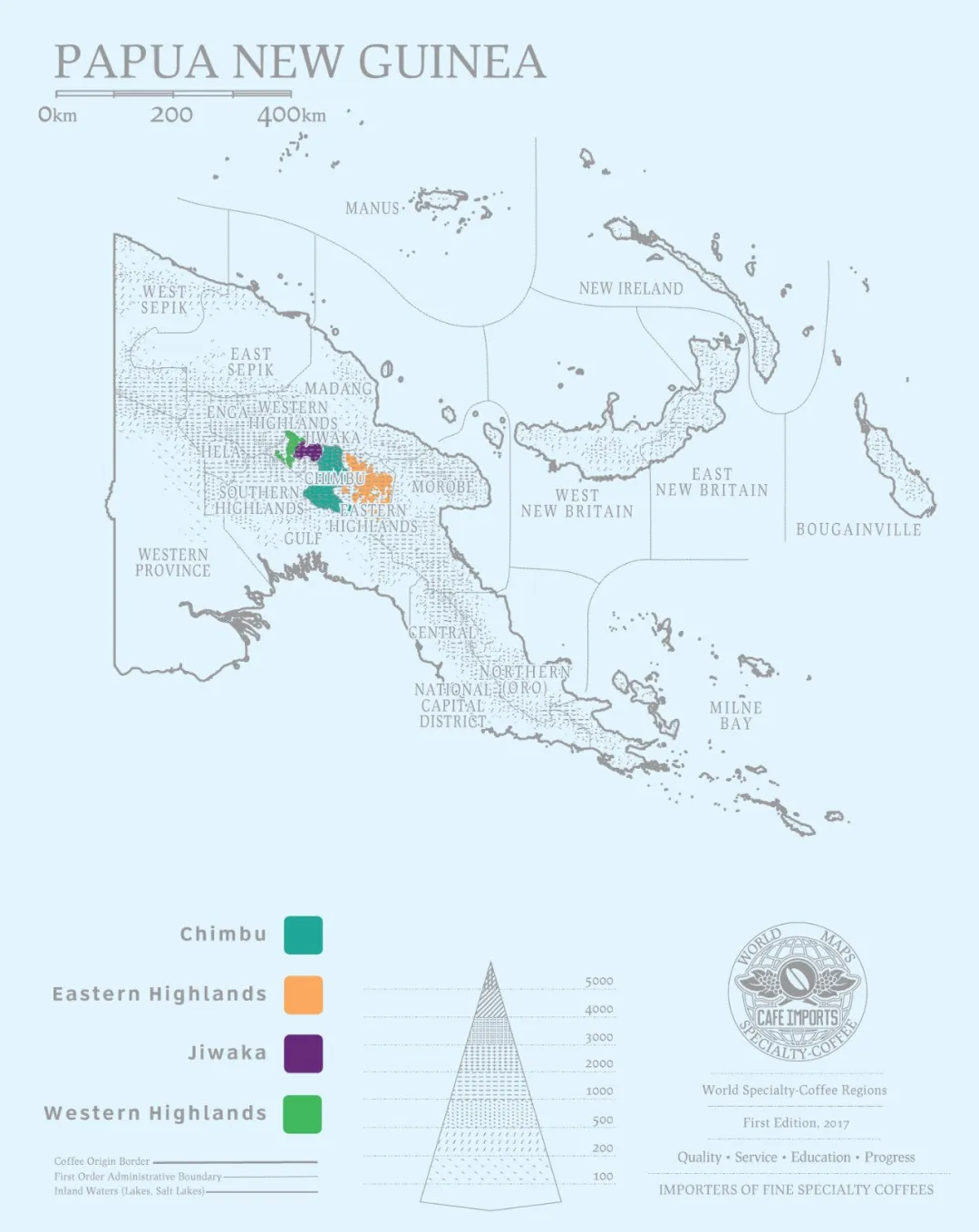
The Western Highlands is the most important and largest coffee-producing province in the country, with elevations from 1,000 to 1,800 meters. The region has an ancient dormant volcano and fertile soil, which allows for high-quality coffee. The renowned Sigri Estate comes from this area.
Sigri Estate
Sigri Estate was established in 1950 as a pioneer of the local coffee industry. Its parent company is WR Carpenter Company-PNG, which owns roughly 1,000 hectares of Arabica coffee in Papua New Guinea. It is also the country's largest producer and exporter of tea and coffee beans, accounting for 80% of the nation's coffee and tea exports and shipping 1.6 million kilograms of high-quality Arabica beans each year.
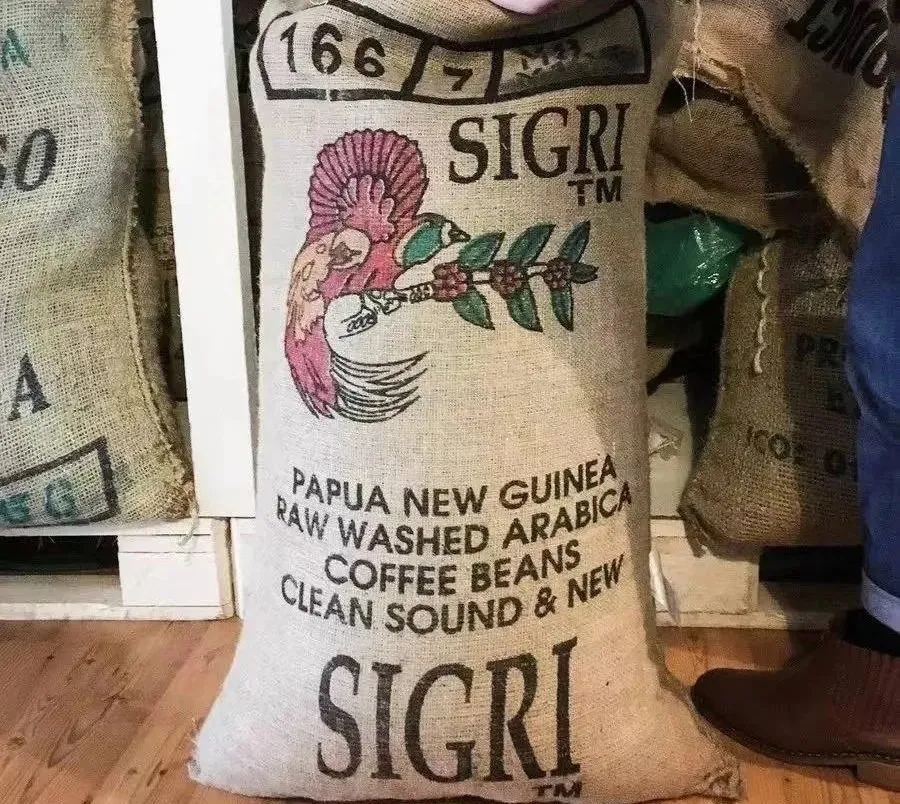
The estate sits in the Waghi Valley of the Western Highlands province, in high-altitude mountain country at 1,500 meters above sea level, with mineral-rich volcanic soil, a cool climate, and abundant rainfall. For many years, Sigri Estate has maintained high standards of cultivation and processing while emphasizing ecological protection. To safeguard its soil and water, it refuses to use pesticides or insecticides. The estate holds strict requirements for its green beans as well, hand-picking ripe red cherries that are processed the same day they are collected. Since 1957, it has also cultivated special Typica varieties introduced from Jamaica's Blue Mountain region, and it uses Papua New Guinea's national bird, the bird of paradise, as the emblem on its coffee burlap bags.
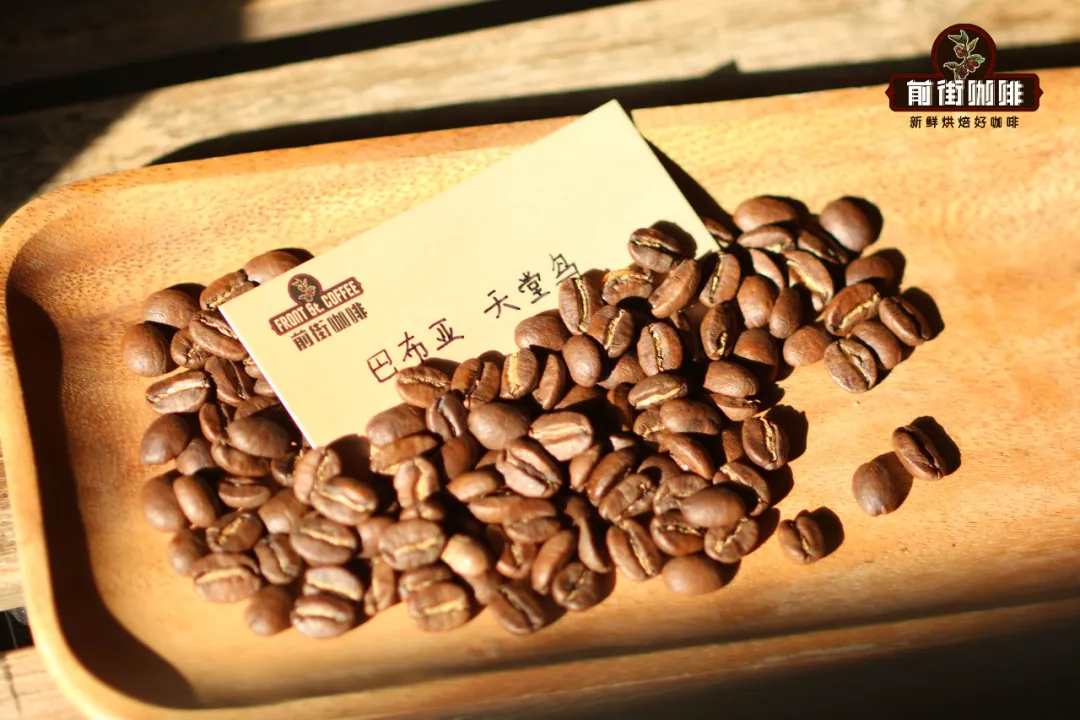
FrontStreet Coffee Papua New Guinea Sigri Estate Bird of Paradise Coffee Beans
Region: Western Highlands
Estate: Sigri Estate
Altitude: 1,500 meters+
Variety: Typica
Processing Method: Washed
Flavor Profile: Caramel, cocoa, almond, balanced, citrus acidity at lower temperatures
FrontStreet Coffee's Bird of Paradise beans are washed and medium-dark roasted. We brew them with a KONO dripper at a 1:15 ratio and 91°C. The coffee shows caramel, cocoa, and almond flavors with a rich, silky mouthfeel, revealing citrus-like acidity at lower temperatures and presenting a smooth, balanced profile overall.
FrontStreet Coffee Recommendation
Typica's balance and subtlety, so prized in this Papua New Guinea coffee, reach their most famous expression in the variety's Jamaican home, and FrontStreet Coffee Jamaica Blue Mountain No.1 is the benchmark. Grown in certified Blue Mountain territory, it strikes an exceptional balance across acidity, sweetness, bitterness, and aroma, with a smooth, rounded entry layered with cream, caramel, chocolate, nuts, and honey, and a clean, long finish.
The beans are medium-dark roasted and come with full origin certification and the traditional wooden barrels used for shipping, so the source stays clearly traceable. Whether you brew it pour-over, in a moka pot, or as espresso, this No.1 grade is a classic, dependable choice for everyday drinking or for gifting, and it captures the balanced character that gives Blue Mountain its lasting reputation.
Important Notice :
FrontStreet Coffee is a long-established specialty coffee roaster in Guangzhou China, selling freshly roasted beans from its own farm in Yunnan as well as dozens of carefully selected single-origin beans from around the world for both pour-over and espresso. The products deliver consistently excellent quality and great value, with shipping within 24 hours. Guangzhou's FrontStreet Coffee shop is recommended by many coffee lovers, and the beans are now available online at the Tmall 。
FrontStreet Coffee has moved to a new address:
FrontStreet Coffee Address: 315,Donghua East Road,GuangZhou
Tel:020 38364473
 Scan and follow the En Gafei WeChat official account. Please indicate that the reprint comes from "En Gafei".