
Panama Coffee Beans | Introduction to Volcán 90+ Company Finca Geisha Juliet Coffee Beans
Panamanian coffee enjoys high recognition in the global market — above all its Geisha. European immigrants brought coffee to Panama when they settled there in the late 19th century, but it was in 2005 that Hacienda La Esmeralda's Geisha won the Best of Panama (BOP) competition and sold at auction for a record price, making both Panamanian coffee and the Geisha variety famous overnight.
Panamanian Coffee
Panama's quality is inseparable from its geography and climate. Located at the southern end of Central America, the country is a patchwork of valleys and mountains — apart from the coastal plains north and south, most of the terrain is mountainous. Panama is richly forested, with forests and woodland covering 43% of its territory.
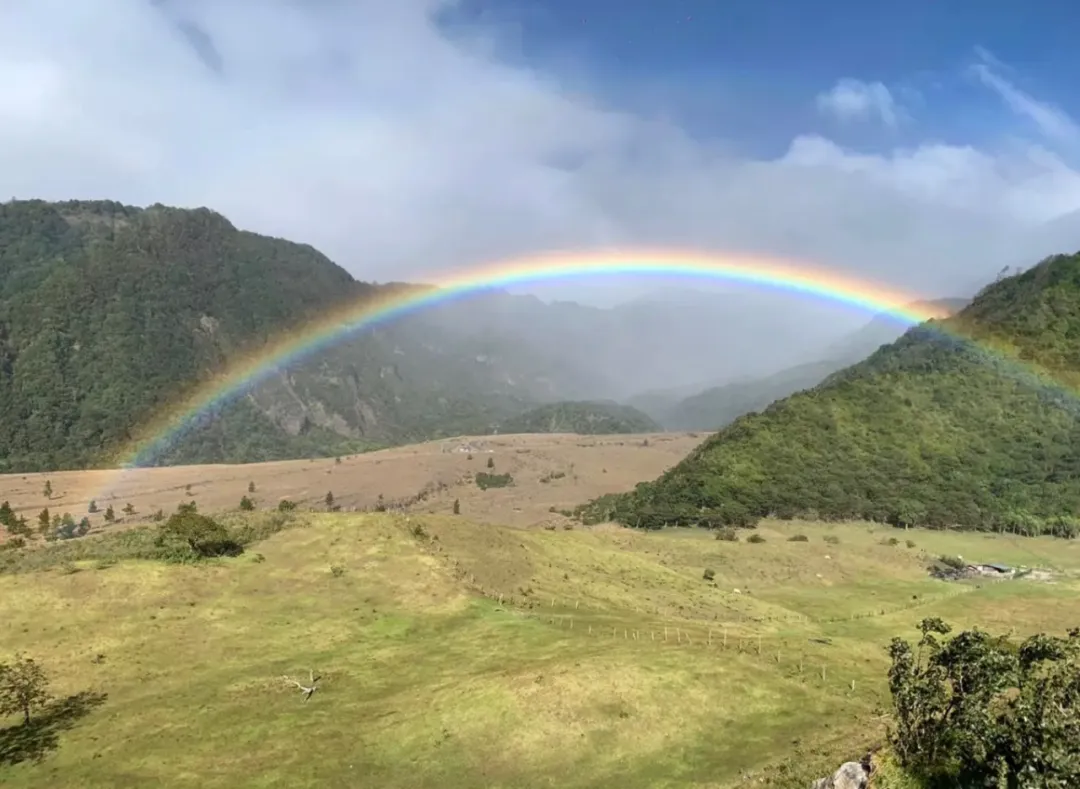
Close to the equator, Panama has a tropical maritime climate: humid days, cool nights, average annual temperatures of 23–27°C, and a year split into dry and rainy seasons with 1500–2500 millimeters of rainfall. Because the country stretches east to west, cold air currents sweep through areas above 1900 meters in the Central Mountain Range, creating the varied microclimates of the Boquete and Volcán regions. Coffee grows mainly in the volcanic zones near Chiriquí Province in the west, where fertile volcanic soil, high altitude, moderate rainfall, and microclimates combine into outstanding coffee country.
Volcán Region
Panama today has three main coffee regions — Boquete, Volcán, and Renacimiento — all in Chiriquí Province and ringed by three volcanoes. Boquete is the most famous, home to celebrated estates such as Hacienda La Esmeralda, Elida Estate, and Duncan Estate.
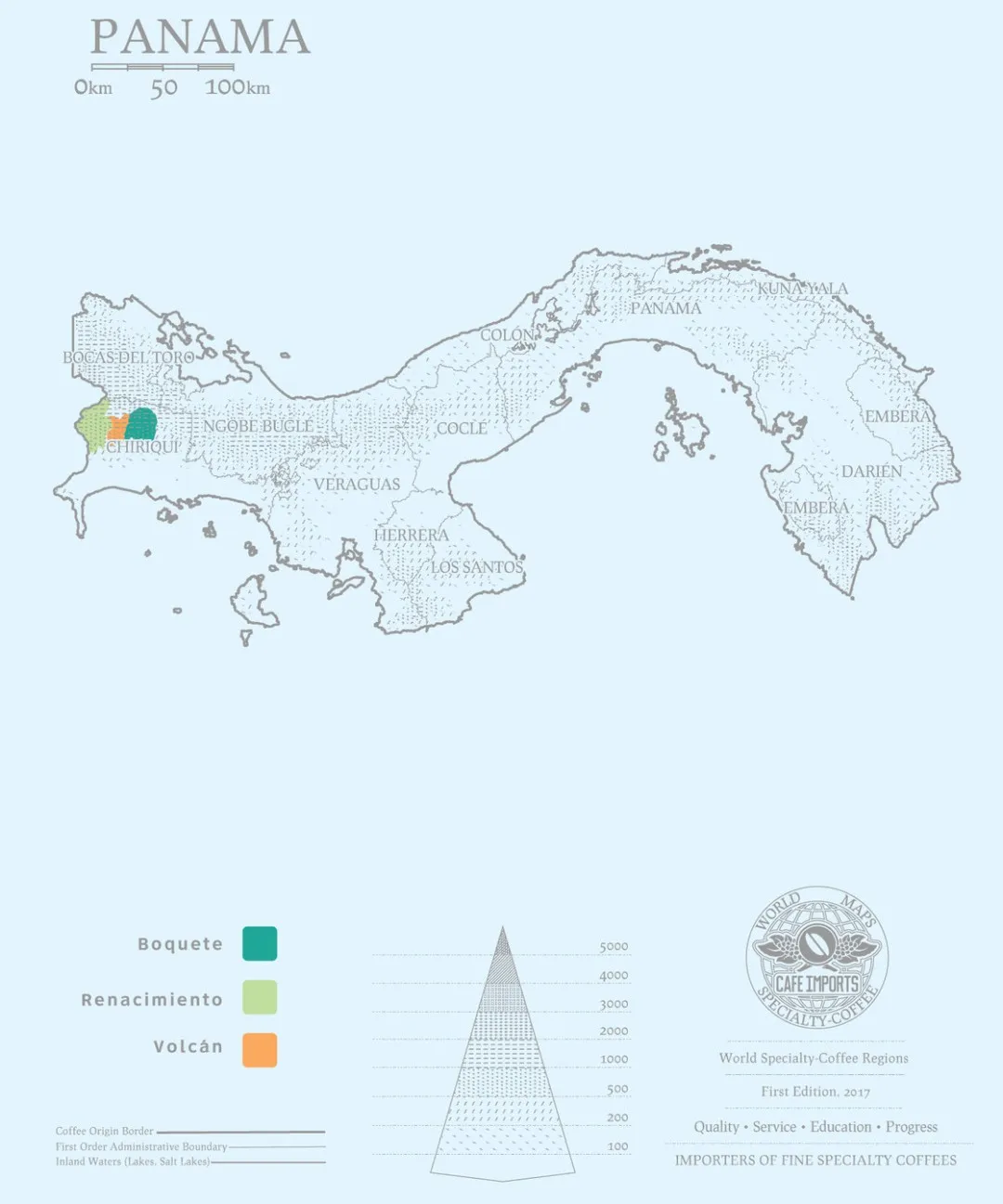
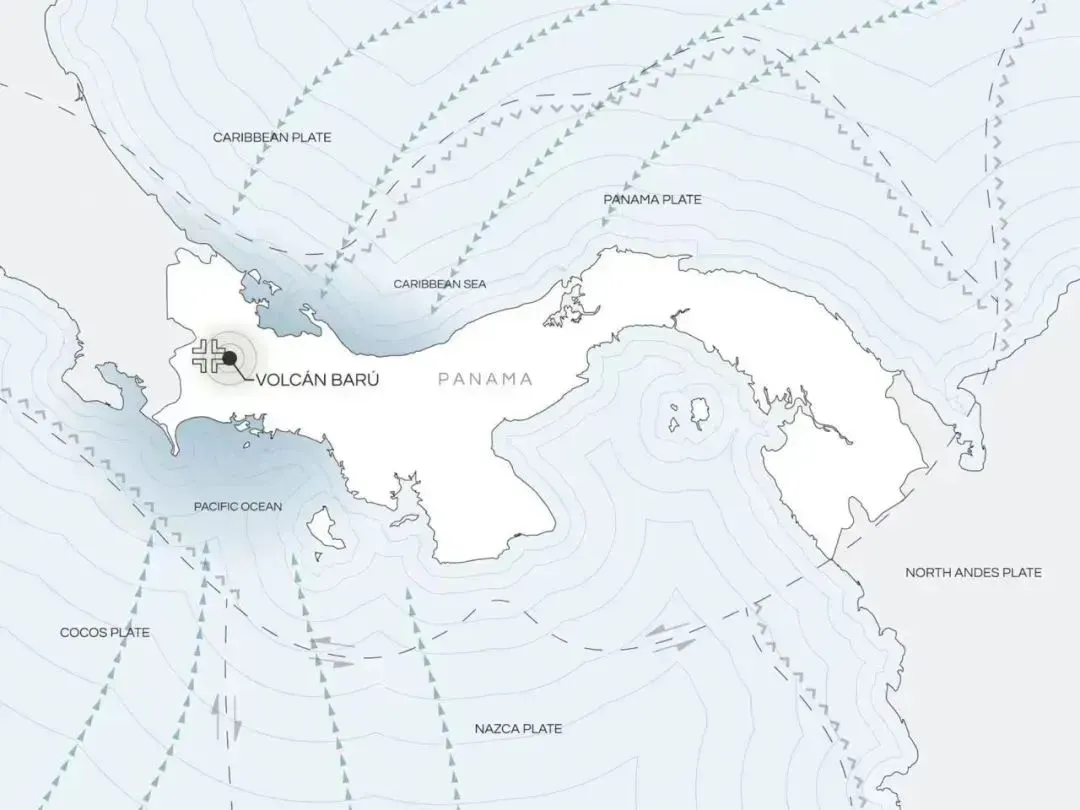
The Volcán region sits on the eastern side of the Barú Volcano — the same volcano that anchors Boquete, but on the opposite flank. Mountain barriers in the north block Atlantic moisture, so Volcán's climate is drier, with abundant sunshine; coffee grows in fertile volcanic soil at 1200–1800 meters. Less famous than Boquete, Volcán has in recent years been making its own name in the specialty market, with its estates increasingly shining at BOP competitions — 90+ Geisha Estate, Hartmann Estate, and Janson Estate among them.
90+ Company
90+ (Ninety Plus) is an American green coffee company founded in 2006 by Joseph Brodsky, inspired at the time by Hacienda La Esmeralda's Geisha. In cupping terms, "90+" also denotes coffees scoring above 90 points — which is why many believe the company produces nothing but 90-plus coffees. Much of that reputation rests on the Profile Processing production system the company built.

Conventional green merchants typically cup at purchase and buy whatever tastes good — essentially reselling quality grown by others. 90+ was initially too small and underfunded to farm, so it bought cherries from surrounding farmers and processed them in its own facility. Its distinctive processing yielded two coffees, Aricha and Beloya, whose intensely fruity profiles caused a market sensation and brought the company both fame and revenue. With more capital, 90+ moved into production itself: selecting promising farmers and offering guidance and technical support. Under the Profile Processing system the founder established at the company's 2006 founding, the company focuses on selection and processing rather than simply buying green beans, with strict screening for every batch — keeping the quality of its coffees consistently high.
90+ Estates
By 2009, armed with years of accumulated technique, 90+ established the 90+ Geisha Estate in Panama's Volcán region. Having not found a variety comparable to Geisha back in Ethiopia, the company chose to cultivate Geisha and apply its techniques to it. The estate began producing beans in 2014, giving rise to the 90+ series. Later, in 2019, the company acquired another plot and founded a second estate — named Ninety Plus Barú Estates for its proximity to the Barú Volcano. FrontStreet Coffee currently offers two 90+ series beans from the Geisha Estate: Juliet Geisha and Eleta Geisha. Though both use the 90+ processing method — whose specifics the company keeps undisclosed — FrontStreet Coffee speculates from cupping that they employ anaerobic processing.
FrontStreet Coffee Panama 90+ Geisha Juliet Coffee Beans
Region: Volcán Region
Estate/Processing Station: 90+ Geisha Estate, Ninety Plus
Altitude: 1400–1800 meters
Variety: Geisha
Processing Method: 90+ Processing Method
Flavor Notes: Muscat grape, champagne, perfumed lemon, fruit wine
FrontStreet Coffee's 90+ Geisha Juliet is medium roasted and brewed on a V60 at 1:15 with 92°C water. It opens with a muscat grape aroma, showing perfumed-lemon acidity and grape and champagne flavors on entry. As the cup cools, fruit wine notes emerge — sweet, rich, complex, with an endless aftertaste.

FrontStreet Coffee Recommendation
Want to compare Panama Geisha with its Ethiopian roots? Two picks:
FrontStreet Esmeralda Red Label Geisha: The estate that started it all. The Red Label ("Esmeralda Special") grows at 1600–1800 meters, each batch from a single named plot with its own number and cupping above 90 points. Pour-over reveals the classic orange-blossom honey character, delicate florals, and juicy fruit acidity with a tea-like finish.
FrontStreet Granana Estate Geisha: From Ethiopia's Yirgacheffe region — the Gesha variety's homeland. The Granana washing station, founded in 2014 and led by Mr. Israel Degefa at the Kochere–Granana Abaya border, works with 700 hectares of fertile, shaded land; fully ripe cherries are hand-picked and dried 14–20 days on raised beds. A medium-light roast shows bright citrus acidity, elegant ginger-flower aroma, ripe fruit sweetness, and Geisha's signature refined finish.
Important Notice :
FrontStreet Coffee is a long-established specialty coffee roaster in Guangzhou China, selling freshly roasted beans from its own farm in Yunnan as well as dozens of carefully selected single-origin beans from around the world for both pour-over and espresso. The products deliver consistently excellent quality and great value, with shipping within 24 hours. Guangzhou's FrontStreet Coffee shop is recommended by many coffee lovers, and the beans are now available online at the Tmall 。
FrontStreet Coffee has moved to a new address:
FrontStreet Coffee Address: 315,Donghua East Road,GuangZhou
Tel:020 38364473
 Scan and follow the En Gafei WeChat official account. Please indicate that the reprint comes from "En Gafei".

