Costa Rican Coffee Beans | Introduction to Tarrazú Region, Canet Estate Mozart Coffee Beans
Within the coffee belt, the American segment hosts a string of famous producers—Panama, Honduras, Costa Rica, Guatemala. Among them, Costa Rica is celebrated as the first Central American country to grow coffee and bananas for commercial value, and today ranks as the world's fourteenth-largest coffee producer.
Costa Rica
Costa Rica sits on the Central American isthmus, bordered by Nicaragua and Panama, with the Caribbean Sea to the east and the Pacific Ocean to the west. The coastal areas are plains; the center is split by rugged mountains.
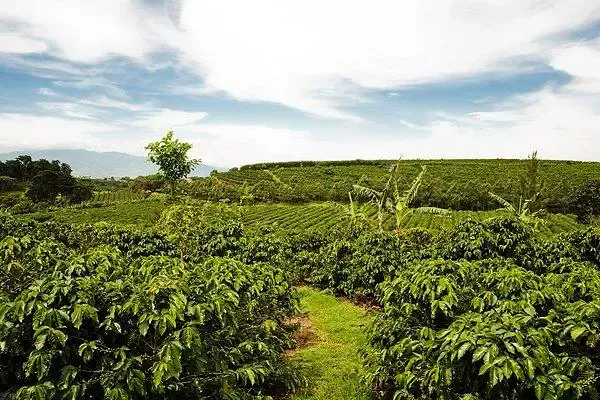
The country has more than 200 volcanoes and extensive forests, with national forest coverage at 52.38%. Its tropical and subtropical climate alternates between dry and rainy seasons. Coffee grows mainly in volcanic areas with fertile, low-acidity soil, and more than 80% of the coffee regions sit between 800 and 1,700 meters, with temperatures of 17°C-28°C and annual rainfall of 2,000 to 3,000 millimeters—near-ideal coffee country. The government takes coffee seriously too: it founded the Costa Rican Coffee Institute (ICAFE) in 1933 to research varieties and cultivation and to promote Costa Rican coffee worldwide, and since 1989 the law has banned Robusta cultivation outright to protect quality.
Tarrazú
Costa Rica's coffee regions number eight: Western Valley (Valley Central Occidental), Central Valley (Valley Central), Tarrazú, Tres Ríos, Orosi, Brunca, and Turrialba, almost all of them strung along the central mountain range.
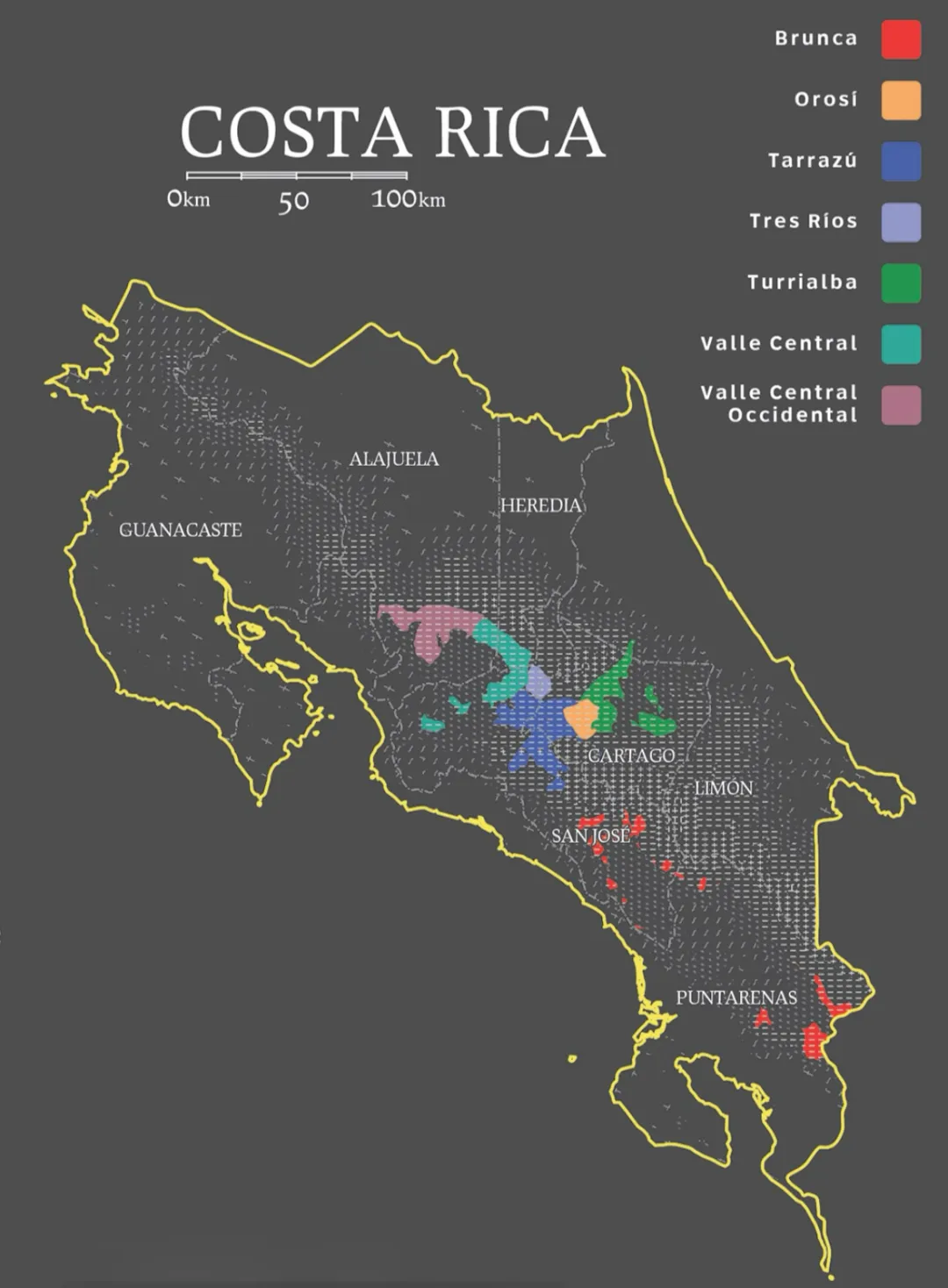
Tarrazú is the largest and most renowned of them, and the first to earn origin certification. Warmer, moist Pacific air currents reach the region, and annual rainfall hits 2,400 millimeters; the coffee grows in fertile volcanic soil at 1,500-2,100 meters. So famous is the region that in 2019 Costa Rica registered the "Café de Tarrazú" origin name with the European Union and the World Intellectual Property Organization (WIPO) to protect its coffee. FrontStreet Coffee offers a washed Costa Rica Tarrazú bean as an entry-level selection: light fruit acidity, sweet orange, nut, and honey flavors, and a smooth aftertaste.
Canet Estate
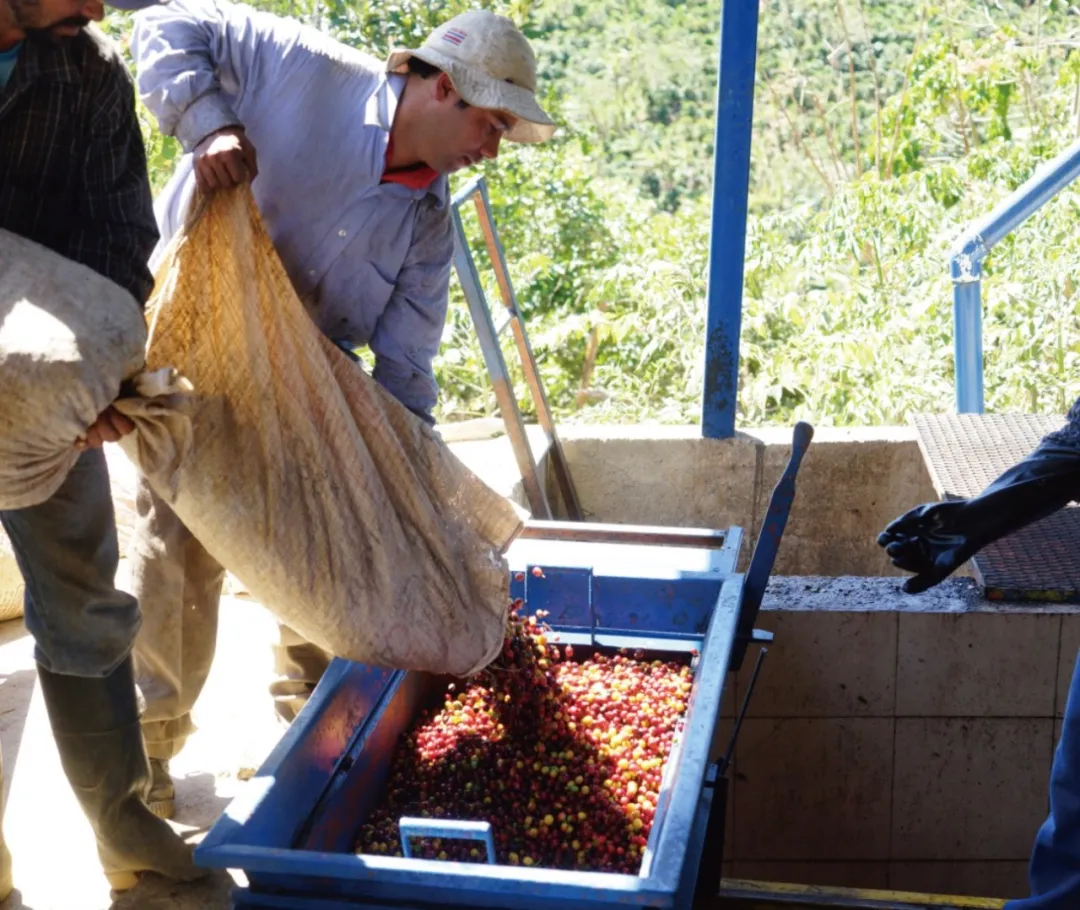
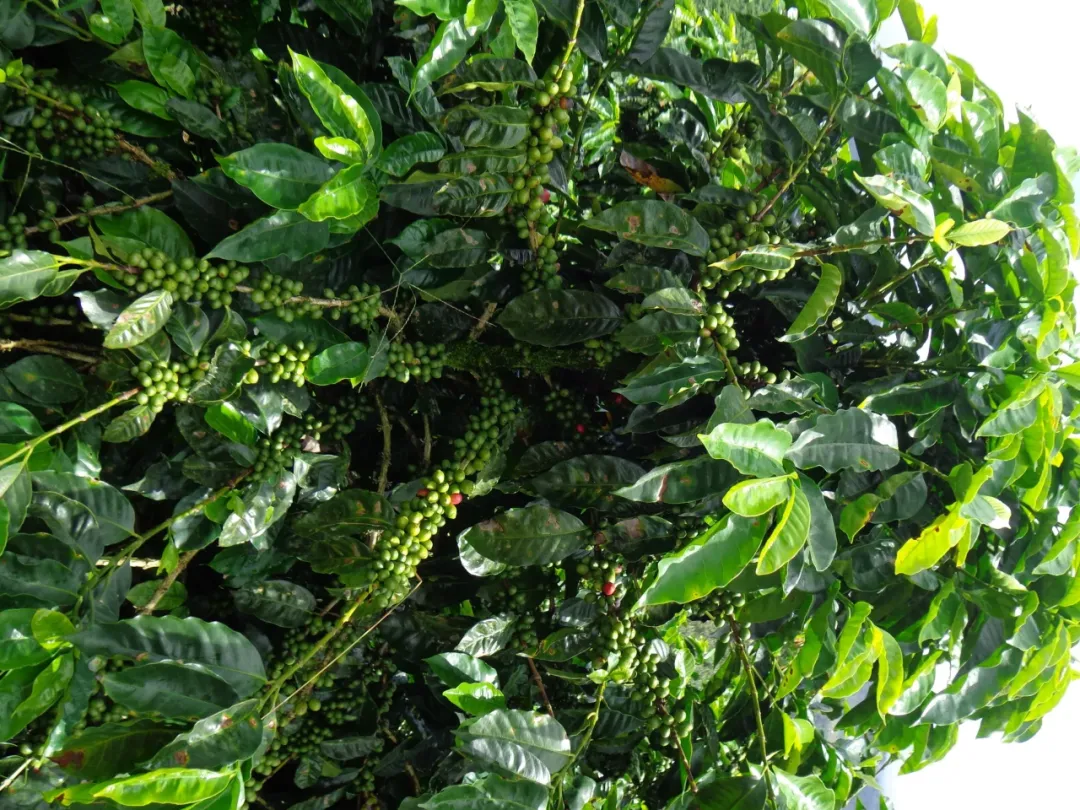
Canet Estate sits at the highest elevations of Tarrazú, in the most intensive fruit-growing zone in Costa Rica. The estate grows mostly passion fruit, with a dedicated area given special care for coffee and a harvest limited to fully ripe red cherries. It is owned by the Robles brothers—Leo, Elian, and Melvin—and runs its own small processing plant.
The H1 Variety
H1, full name Centroamericano, originates from the Sebaco laboratory in Nicaragua—a hybrid of the F1 first-generation line T-5296 (Sarchimor) and Sudan Rume. Bred in Central America, it yields extremely well—22% to 47% above ordinary varieties—and shows excellent quality at high altitudes, though it demands careful husbandry. Because its hybrid seeds are so complex to reproduce, the variety can only be propagated by cloning.
FrontStreet Coffee Costa Rica Musician Mozart Coffee Bean
Region: Tarrazú Region
Estate/Processing Plant: Canet Estate
Elevation: 1800 meters
Variety: H1
Processing Method: Raisin Honey Process
Flavor: Fermented aroma, raisins, starfruit, berries, dried fruit, sugarcane
FrontStreet Coffee's Costa Rica Canet Estate Mozart uses the raisin honey process and a medium roast. Brewed on a V60 at a 1:15 ratio with 92°C water, it opens with complex florals and fermented, sauce-like aromatics; the palate brings raisin and dried-fruit sweetness plus the acidity of starfruit and berries, a silky texture, and a sugarcane-sweet finish.

FrontStreet Coffee Recommendation
Panama's coffee regions—Boquete, Volcan, Santa Clara, and Piedra de Candela in the country's west, with Boquete and Volcan the two most heard-of—are centered in Chiriquí province, squarely in the coffee belt on fertile volcanic soil beneath old-growth forest. For a first taste of Panamanian specialty coffee, FrontStreet Coffee suggests the Boquete Geisha: a estate-level entry Geisha grown at 1,600 meters, where mist-shrouded mountains, humid days, cool nights, and Barú volcano's rich soils build fragrance into the cup—jasmine florals, green tea, honey, citrus, and orange after brewing. For half of the Geisha magic at a friendlier price, the FrontStreet Panama Washed Butterfly ("Butterfly") blends Geisha with Caturra and Catuai on the slopes of Barú volcano, where ample rain, wide day-night swings, and volcanic rock soils produce a coffee notable for body, citrus acidity, and jasmine aroma—equally good pour-over or cold brew. And for the very top of the line, the FrontStreet Esmeralda Red Label comes from a single Geisha plot above 1,700 meters and must score above 91 on the cupping table to qualify, delivering the estate's exquisite orange-blossom honeyed character.
Important Notice :
FrontStreet Coffee is a long-established specialty coffee roaster in Guangzhou China, selling freshly roasted beans from its own farm in Yunnan as well as dozens of carefully selected single-origin beans from around the world for both pour-over and espresso. The products deliver consistently excellent quality and great value, with shipping within 24 hours. Guangzhou's FrontStreet Coffee shop is recommended by many coffee lovers, and the beans are now available online at the Tmall 。
FrontStreet Coffee has moved to a new address:
FrontStreet Coffee Address: 315,Donghua East Road,GuangZhou
Tel:020 38364473
 Scan and follow the En Gafei WeChat official account. Please indicate that the reprint comes from "En Gafei".