
Why Do Single-Serve Pour-Over Coffees Use 15g Beans? What's the Difference Between 01 and 02 Drippers?
Brewing parameters largely determine the quality of the cup, which is why it pays to know the right data for a specific coffee bean before you start pouring. But have you ever noticed that in the brew guides shared by FrontStreet Coffee, the dose stays fixed at 15g? The ratio, water temperature, and grind size all shift with the roast level, yet the coffee amount barely moves (unless the method calls for something special).
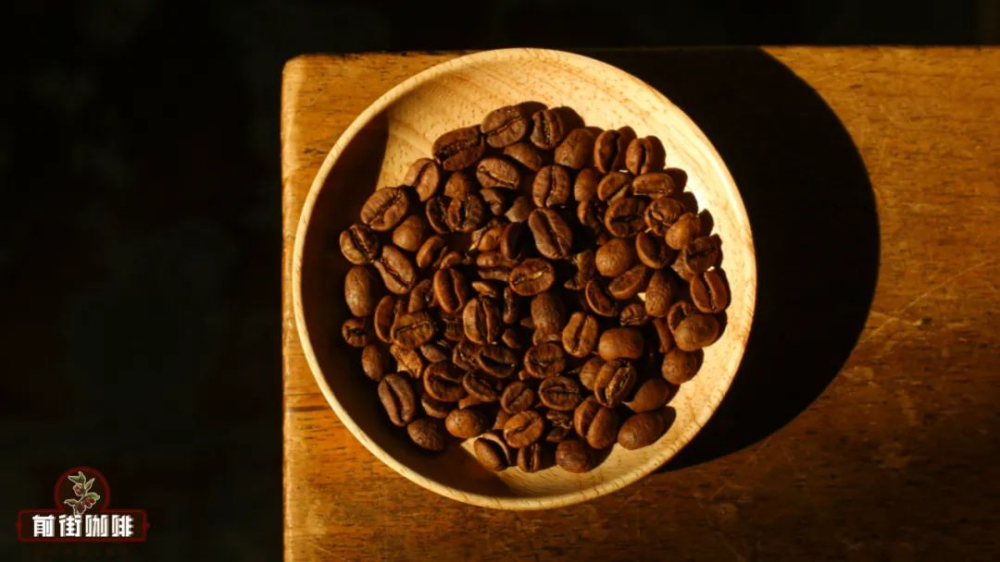
It's not just FrontStreet Coffee, either. Most single-origin beans on the market list 15g as the recommended dose in their brewing notes, and most coffee academies use 15g as their teaching standard. That naturally raises the question: what makes 15g so special? Does brewing with 10g, 20g, or 30g simply not work?
Why Is 15g of Coffee the Standard for Single Servings?
Whether it's FrontStreet Coffee or other tutorial creators, the recipes we share are almost always built around single servings. Most people can't drink a lot of coffee in one sitting, and few want the same brew repeated all day. When you brew too much and can't finish it, the coffee sits, loses its aromatics, and all that's left is a harsh sour-bitter shell - too wasteful to dump, too unpleasant to drink. That's why small #1 drippers are the go-to for single-serve pour-over, and for a #1 dripper, 15g of coffee hits the sweet spot.
Brewing Difficulty
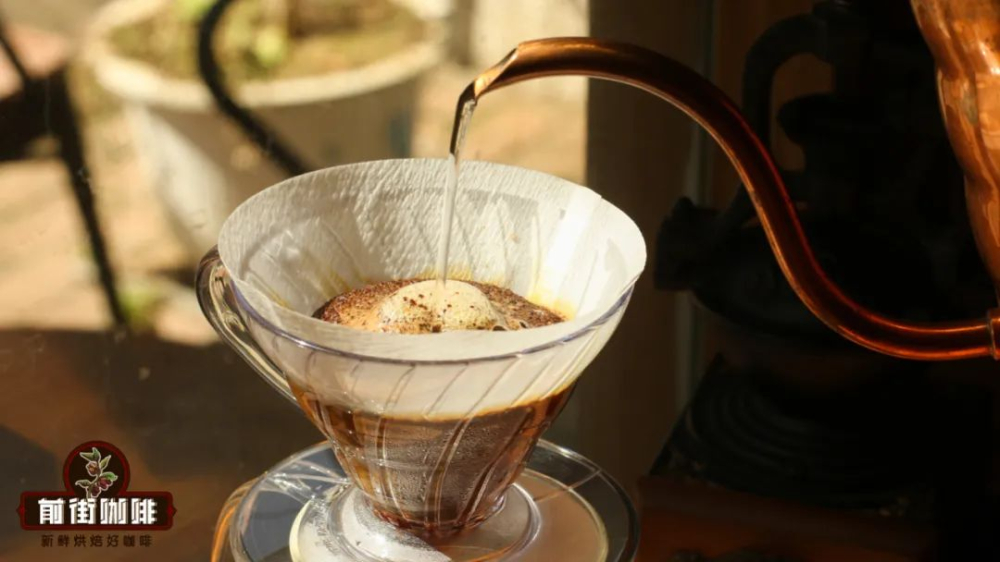
The main reason 15g works so well comes down to coffee bed thickness. In the same dripper, the dose determines the bed: less coffee means a thinner bed, more coffee means a thicker one.
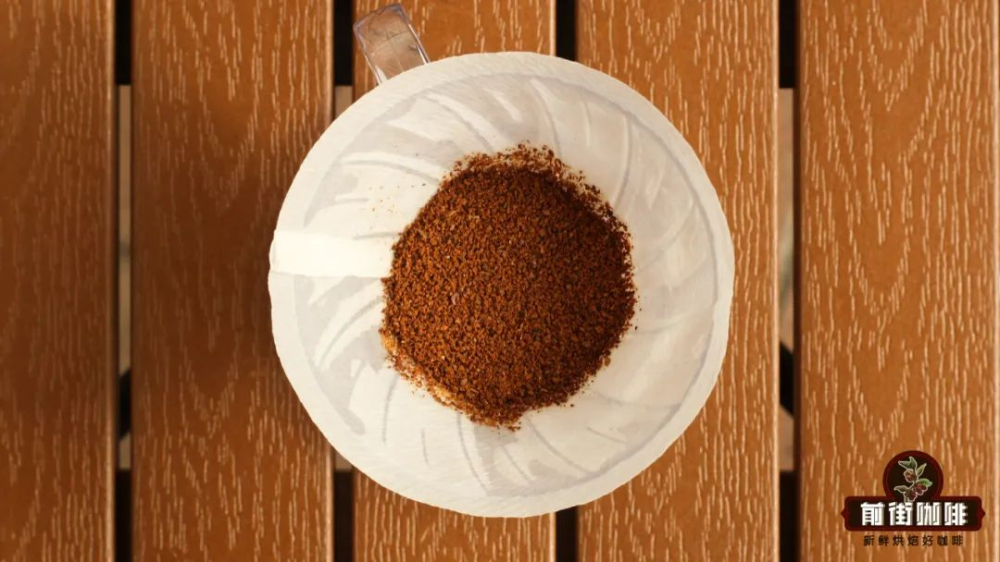
A thin bed offers few gaps to slow the water down, so it rushes through too quickly to fully extract the aromatics. And because there isn't enough coffee to build a proper coffee wall against the dripper's walls, hot water escapes around the sides. That escaping water is what we call "bypass" - water that essentially never touches the grounds. Even if you keep the ratio, grind setting, and technique identical, too much bypass leaves the cup thin, weak, and under-extracted.
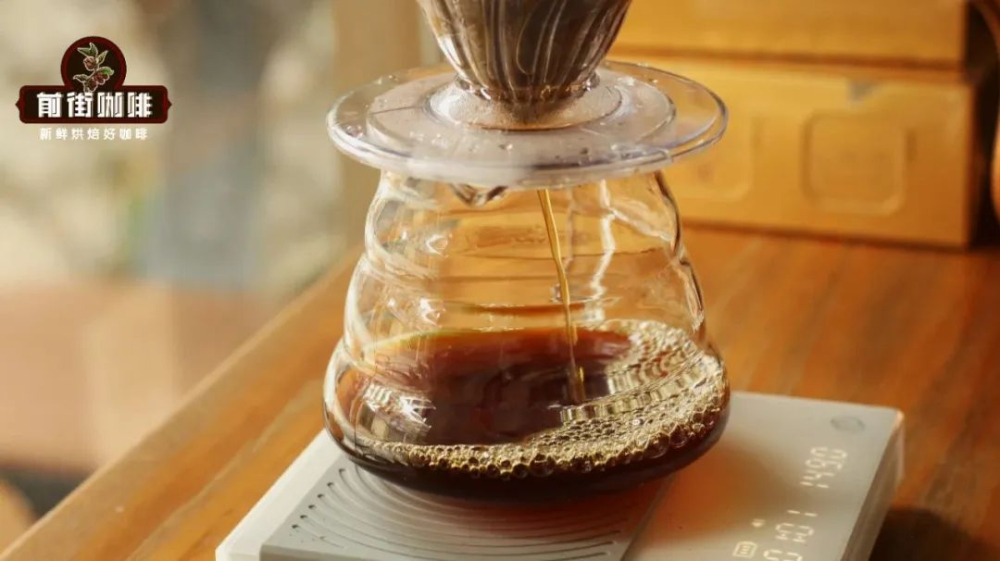
A bed that's too thick creates the opposite problem. Water always takes the path of least resistance, so it carves channels through the dense bed instead of flowing through it evenly. And because the flow rate drops dramatically, a pour that isn't forceful enough to open up the bed can easily stall, pushing the brew into over-extraction. This is especially true of cone drippers like the V60 and Kono, which pile the grounds higher than flat-bottom or wave-style baskets and raise the odds of uneven extraction.
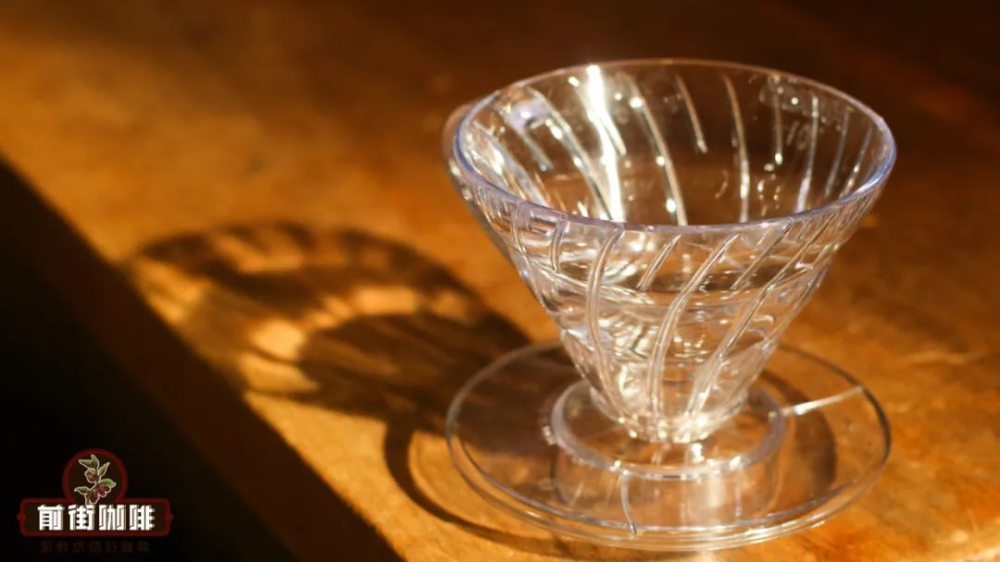
Through countless test brews, then, brewers landed on 15g as the amount that gives a #1 dripper its ideal bed depth - enough to pull a delicious cup without demanding expert-level technique. FrontStreet Coffee isn't saying coffee brewed outside the 15g range tastes bad; it just needs its own parameters and method, which is more fiddly and less repeatable. That's why 15g remains the universal standard for a single serving.
FrontStreet Coffee
10 Bao'an Front Street, Yandun Road, Dongshankou, Yuexiu District, Guangzhou, Guangdong Province
FrontStreet Coffee Recommendation
If you're brewing 15g single servings at home, the Hario V60 that FrontStreet Coffee favors is a great companion - its 60-degree cone and single large hole reward steady pouring with vivid, layered flavor. For a bright, approachable cup, try FrontStreet Coffee's washed Yirgacheffe Guodingding from Ethiopia: clean and refreshing, with lively citrus acidity, jasmine florals, and a honeyed, green-tea-like finish that suits newcomers perfectly.
Prefer something bolder and low-acid? FrontStreet Coffee's PWN Golden Mandheling from Indonesia is roasted a touch deeper, delivering a syrupy body with herbal, dark chocolate, and caramel sweetness - proof that the same 15g recipe can express completely different personalities. FrontStreet Coffee's Brazil Fazenda Rainha is another easygoing choice, with nutty and cocoa notes, low acidity, and a smooth, caramel-sweet finish.
Important Notice :
FrontStreet Coffee is a long-established specialty coffee roaster in Guangzhou China, selling freshly roasted beans from its own farm in Yunnan as well as dozens of carefully selected single-origin beans from around the world for both pour-over and espresso. The products deliver consistently excellent quality and great value, with shipping within 24 hours. Guangzhou's FrontStreet Coffee shop is recommended by many coffee lovers, and the beans are now available online at the Tmall 。
FrontStreet Coffee has moved to a new address:
FrontStreet Coffee Address: 315,Donghua East Road,GuangZhou
Tel:020 38364473
 Scan and follow the En Gafei WeChat official account. Please indicate that the reprint comes from "En Gafei".

