
What is a Q-Grader in Coffee? Is It Worth Getting Certified? How Much Does It Cost?
Understanding Q-Graders
There are always groups of people who, because of the special nature of their profession, acquire code names for self-identification. Even in a seemingly narrow field like coffee, such professional distinctions exist.
The Specialty Coffee Scoring System
Since the concept of specialty coffee was introduced, a scoring mechanism has been established specifically to distinguish good bean quality from poor. This system involves cupping and grading beans submitted to institutions (SCA) or competitions (COE). Beans scoring above 85 points are classified as specialty coffee, while those below 85 points are categorized as commercial beans.

There is a price difference between these two categories, so the people who determine the scores must evaluate and grade beans from a highly objective perspective. Specialized institutions are therefore needed to train them and ensure subjective factors do not unduly influence the scoring. These coffee evaluators are known as "Q-Graders," abbreviated as "Q." The full title, "Q Arabica/Robusta Grader," translates to Arabica (Robusta) Specialty Coffee Quality Grading Taster. The institution that trains them is CQI, the Coffee Quality Institute.

CQI evolved from a committee established by the SCAA (Specialty Coffee Association of America). In 1996, to improve coffee quality and address coffee farmers' income issues, the SCAA created a committee to tackle these challenges. As times evolved, the committee gradually became independent and developed into today's CQI. Meanwhile, the SCAA merged with the SCAE (Specialty Coffee Association of Europe) to become the world's most authoritative and largest coffee organization, the SCA (Specialty Coffee Association).

The Q Program: A Rigorous Certification
To qualify for grading coffee beans, one must pass the Q Program (Q System), a test developed by CQI specifically for coffee evaluation. The benefit of this system is that it gives people around the world unified standards and shared values, preventing individuals from being limited by their own taste preferences when rating beans. Regardless of location, one can make the most accurate assessment.
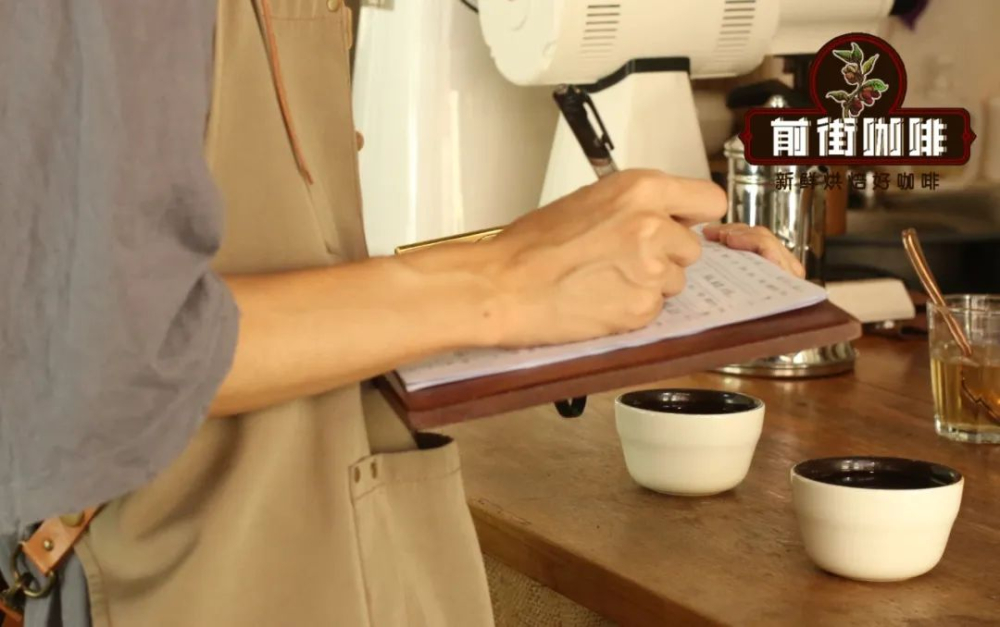
Because CQI is an organization established specifically for green coffee bean quality, the system covers not only sensory aspects but also coffee cultivation and green bean quality. The entire system is divided into eight modules, each with different assessment content, all centered on theory, olfaction, taste and vision. Learning to walk before running is crucial: only by deeply understanding every aspect of coffee can one obtain the entry key to coffee evaluation. The first assessment in the Q system is therefore theory, covering a range of topics from coffee production, varieties and extraction to sensory analysis, which greatly tests participants' knowledge. After the theory test comes the sensory battlefield, where aspiring Q-Graders must distinguish different coffee flavors through smell, taste and other senses.
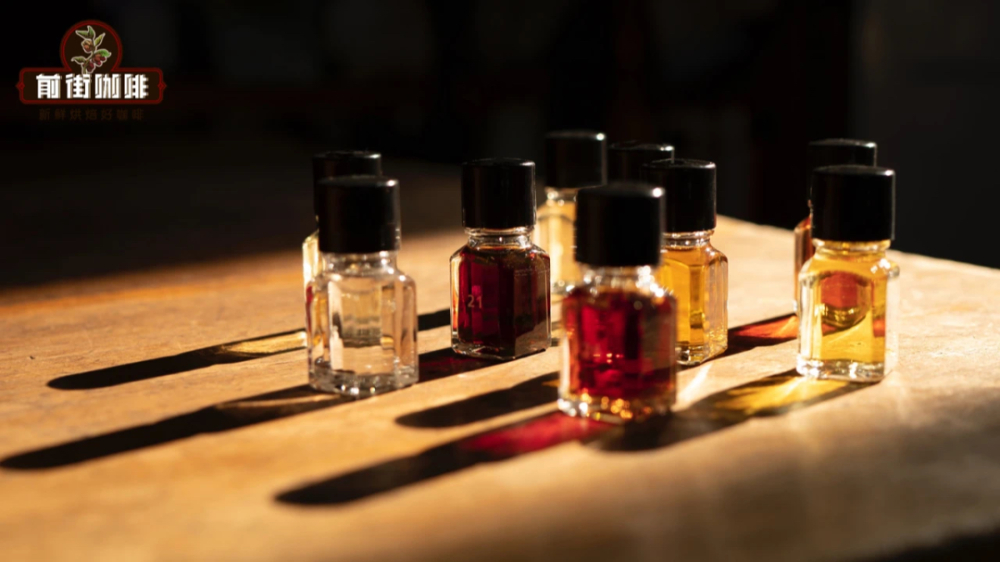
They must also identify all defective beans from a quantified sample of green coffee beans, and in low-light conditions distinguish beans of different roast levels — a visual assessment. Although it may seem simple, it is extremely challenging. Participants need both extensive knowledge and the stamina to endure highly intensive tests of smell, taste and vision within just a few days, so those seeking certification should be mentally prepared. As of today, there are fewer than ten thousand certified Q-Graders worldwide (8,939 Arabica Q-Graders; 543 Robusta Q-Graders), a very small proportion of those working in the coffee industry. That does not mean a Q-Grader certificate is a universal key to the coffee field, however — that is a common misunderstanding.
The True Value of Q Certification
To a certain extent, Q certification is less a master key than a stepping stone. Compared with the career opportunities it can bring, its greater function is enabling us to systematically improve our skills and knowledge. Through Q certification we can encounter people, matters and things that are usually difficult to access, which is particularly important for those already working in coffee and planning to go deeper. If you are a newcomer or an enthusiast not yet in the industry, however, FrontStreet Coffee recommends first gaining a certain understanding of coffee and the coffee industry before deciding whether to pursue certification — the cost of Q certification is not a small amount to overlook, and it also requires renewal fees to maintain validity.
- END -
FrontStreet Coffee
FrontStreet Coffee Recommendation
Q-Graders judge coffee by the cup, and the best way to train your own palate is to taste across origins. The three main species are Arabica, Robusta and Liberica, and it is Arabica that offers the widest range of varieties and the most complex, pure flavors — which is why nearly all the specialty coffee you find on the market is Arabica, each origin developing its own distinctive character.
For a vivid, fruit-forward Ethiopian cup, FrontStreet Flower Queen uses the local heirloom variety, a natural processed bean whose bean size varies because it mixes several unidentified varieties. It carries a delicate floral note with especially prominent fruit aromas: creamy strawberry, mango, jackfruit, citrus and blueberry, the signature ripe tropical character of a Sidamo natural. This was the coffee that won first place in the TOH green bean competition that year. For the washed counterpart, FrontStreet Yirgacheffe Gedingding Cooperative is an Ethiopian G1, classically washed, showing an elegant white florality with citrus, orange and green tea flavors.
The classics are worth knowing too. FrontStreet Jamaica Blue Mountain No. 1 is a Typica, one of the representative Arabica varieties and among the first transplanted from Yemen to India, Indonesia and Central and South America. Typica is very balanced, mild and smooth, with a non-sharp acidity and a full, pure aroma; Blue Mountain's Typica was taken from Martinique to the Jamaican Blue Mountains in the 1720s and, over more than 200 years, developed better disease resistance. FrontStreet's cupping of it shows a balance of flavor that few other origins can approach.
For the height of modern specialty coffee, FrontStreet Panama Red Label Gesha comes from the famous Esmeralda estate in Boquete, Chiriqui province, where fertile volcanic soil, ancient forest, year-round mist and abundant rain create ideal growing conditions. The cup shows elegant florals, citrus, peach and a full fruit acidity with a creamy texture and an oolong-tea sweetness. FrontStreet Brazil Queen's Estate is a Bourbon, a variety as old as Typica and also an Arabica — named for the island of Bourbon (now Réunion) where it was first planted, with broader leaves, denser growth and about 30% higher yield than Typica, and rounder, shorter beans that are easy to tell apart. Naturally processed and roasted medium, it offers cream, peanut, toast and sugarcane aromas. Finally, FrontStreet Colombia Sidra comes from the Frontera estate. Sidra originated in Pichincha province, Ecuador, where locals called it Sydra; genetic comparison found it shares genes with Ethiopian heirloom varieties, leading scholars to suggest it is a cross between an experimental variety exported from Ethiopia and a local Ecuadorian Bourbon. The 2022 World Barista Champion, Anthony Douglas, used Frontera Sidra in competition, bringing the variety to attention. Roasted medium-light, FrontStreet's version shows flowers, tropical fruit, grape, dried fruit and passion fruit with a juicy mouthfeel.
Important Notice :
FrontStreet Coffee is a long-established specialty coffee roaster in Guangzhou China, selling freshly roasted beans from its own farm in Yunnan as well as dozens of carefully selected single-origin beans from around the world for both pour-over and espresso. The products deliver consistently excellent quality and great value, with shipping within 24 hours. Guangzhou's FrontStreet Coffee shop is recommended by many coffee lovers, and the beans are now available online at the Tmall 。
FrontStreet Coffee has moved to a new address:
FrontStreet Coffee Address: 315,Donghua East Road,GuangZhou
Tel:020 38364473
 Scan and follow the En Gafei WeChat official account. Please indicate that the reprint comes from "En Gafei".

