
How to Determine Coffee Grind Size? What Grind Size Should Be Used for Different Brewing Methods?

There are many devices that can make coffee, and the same beans will taste different depending on the equipment you use — which is exactly why coffee lovers have so many options. But whatever the device, the beans must be ground first! Only then can we extract the aromatic compounds quickly. What matters is that because extraction methods differ, there is no universal grind size. Nor should we try to pull out every soluble substance in coffee, because not all of them taste good. A precisely matched grind, therefore, is essential. Today FrontStreet Coffee shares which grind sizes suit which equipment.
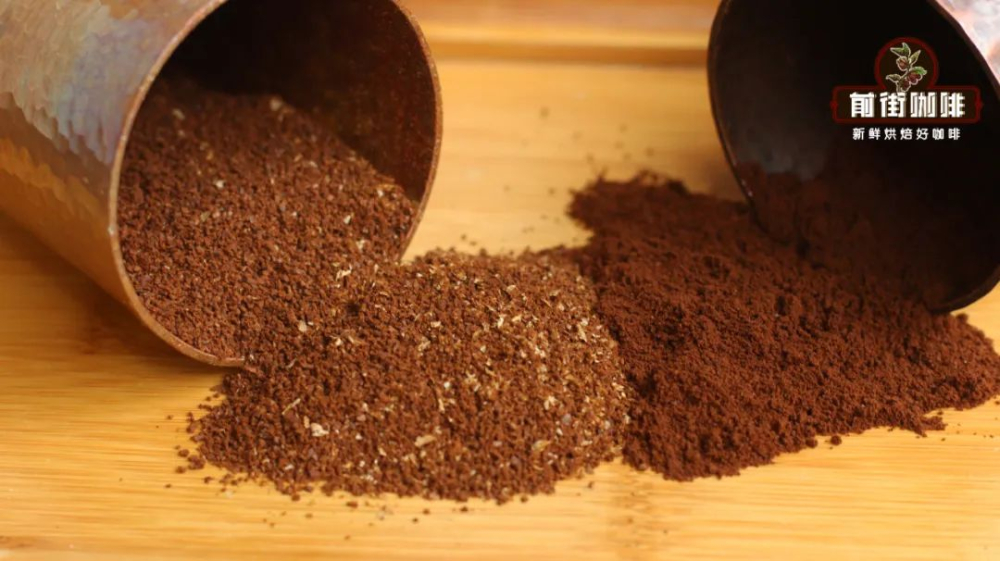
The most commonly used brewing equipment includes the siphon pot, cold drip/cold brew, French press, pour-over, espresso machine, and moka pot. Ranked from coarsest to finest grind, the order is: French press > pour-over > cold drip/cold brew > siphon pot > moka pot ≥ espresso machine.
Knowing the relative order is one thing; the real question is how coarse or fine, measured against what standard? There is no obvious number. So we need an accepted reference point from which the grind for each method can be derived.
Grind Size Standards
None of these brewing methods has a standard grind parameter, but one extraction method does have an industry-certified, unified grind: cupping. The recognized cupping grind is a 70–75% pass rate through a #20 sieve — a value settled on through repeated experimentation and tasting (for more on the #20 sieve, see the article "How to Use a #20 Sieve?").
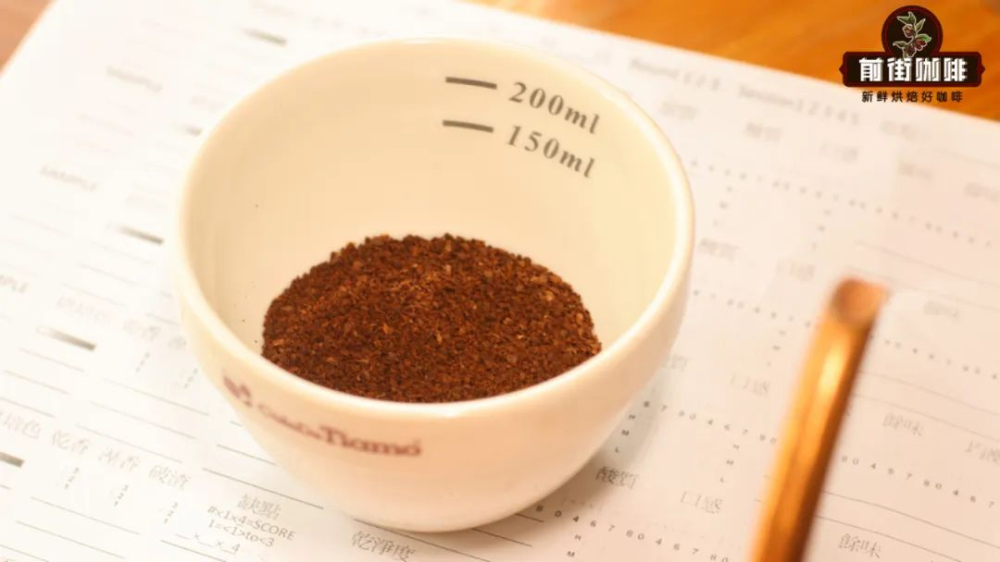
In other words, we can treat the cupping grind as the baseline and adjust from there for each method's extraction characteristics, arriving at a clearly quantified grind for every device.
French Press Grind Size
French press and cupping both use immersion, so their grinds overlap heavily. The difference is that cupping water is held at 94°C — just right for a long immersion at that grind. French presses, by contrast, are an everyday tool where water usually comes straight off the boil, pushing extraction efficiency higher. When water temperature is uncontrolled, we compensate with a coarser grind to avoid over-extraction.
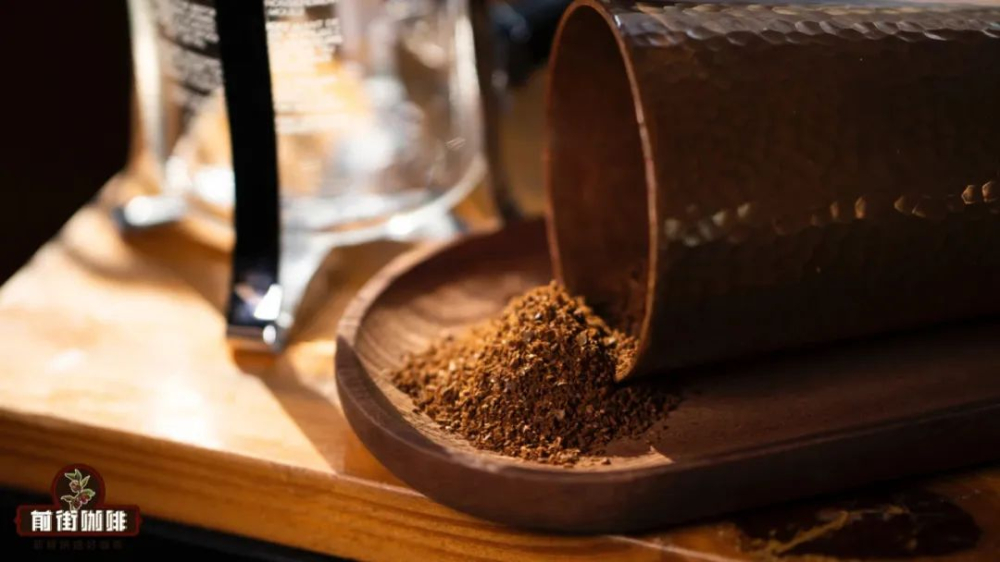
Through testing, FrontStreet Coffee recommends a French press grind of 68–75% pass rate through a #20 sieve (raw-sugar texture), adjusted for roast level and water temperature. With hot water and a dark roast, keep it in the coarser 68–71% range; with normal-temperature water and a light roast, use 71–75%.
Pour-Over Coffee Grind Size
Pour-over water temperature is lower than the two methods above, and the extraction time is relatively short. So we raise extraction efficiency with a finer grind to reach a normal concentration.
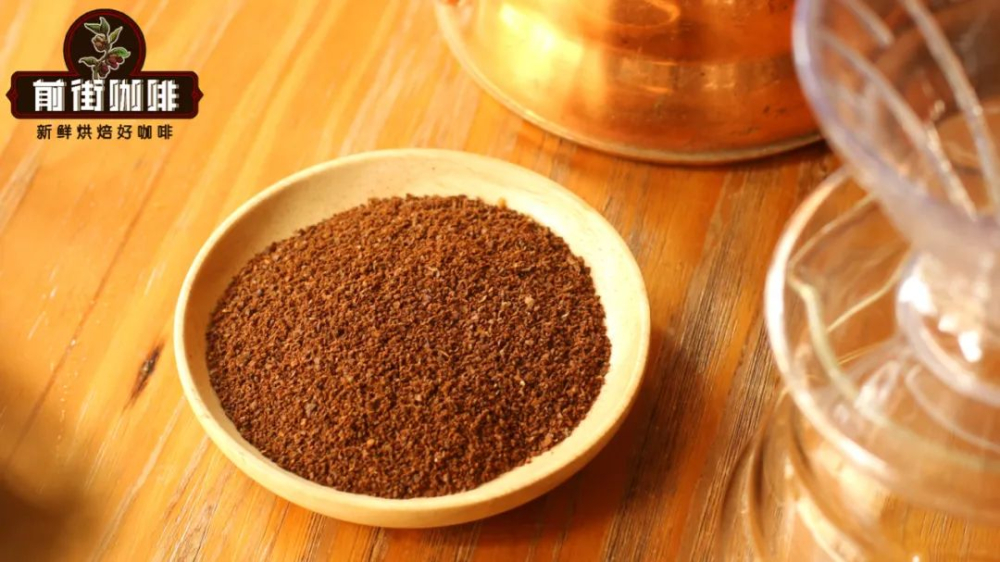
FrontStreet Coffee recommends a 70–80% pass rate through a #20 sieve (fine-sugar texture). Roast level matters here too: medium-light roasts run finer (75–80%), medium-dark roasts coarser (70–75%). For iced pour-over, add about 5% to the pass rate — one setting finer.
Cold Drip and Cold Brew Grind Size
Both methods extract with ice water, which is very inefficient. So should we grind even finer than pour-over? No! What ice water lacks in extraction rate, it makes up for in time — extraction runs for many hours, which fully compensates.

So there is no need to deviate much from the pour-over baseline: just as with iced pour-over, add roughly 5% to the pass rate — one setting finer. If you prefer a lighter cup, using the pour-over grind as-is works fine.
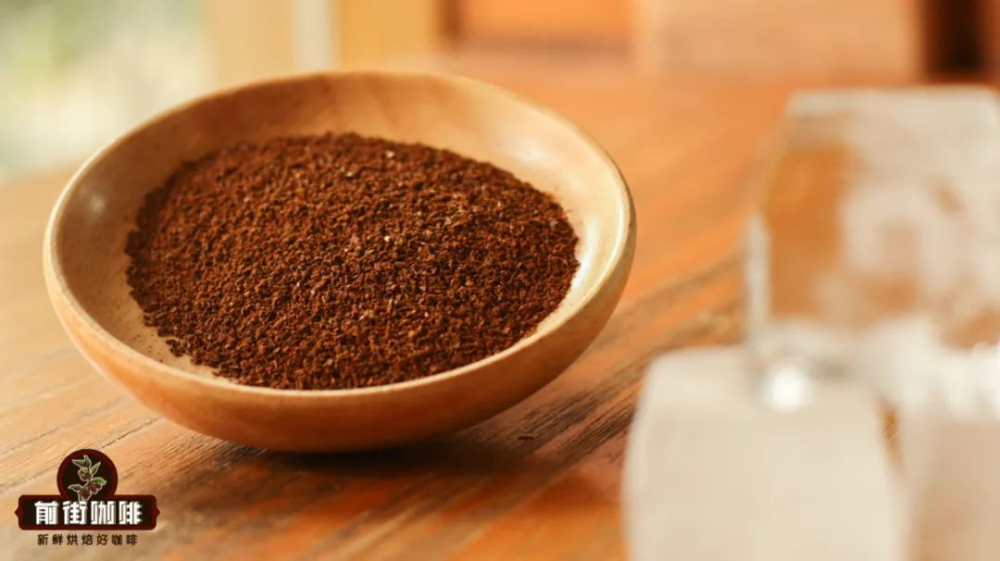
Do not grind too finely just because the extraction looks inefficient. First, fine powder clogs the filter and drags out the filtration time; second, many ultra-fine particles slip through the mesh into the cup and muddy the coffee's clarity.
Siphon Pot Grind Size
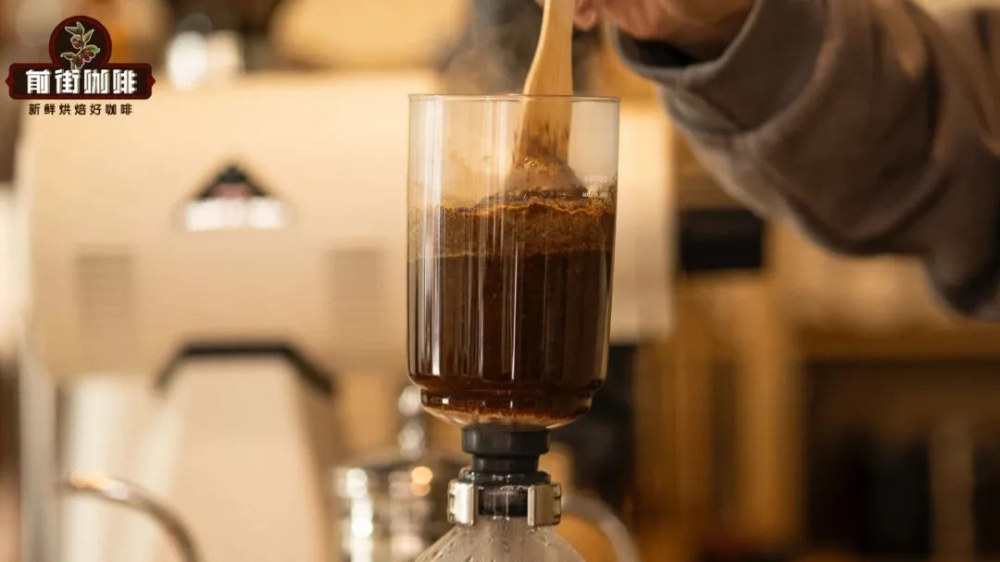
Siphon extraction combines high water temperature with stirring, so in theory its efficiency is already high. But the brew time is under one minute, so we still need a fine grind to push the extraction rate up. FrontStreet Coffee recommends a grind with an 85–90% pass rate through a #20 sieve.
Espresso Machine Grind Size
Espresso grind is close to flour in fineness and cannot be measured with a sieve. And because espresso extraction is so precise, even a 0.1g difference in the dose of grounds changes the flavor of the shot.
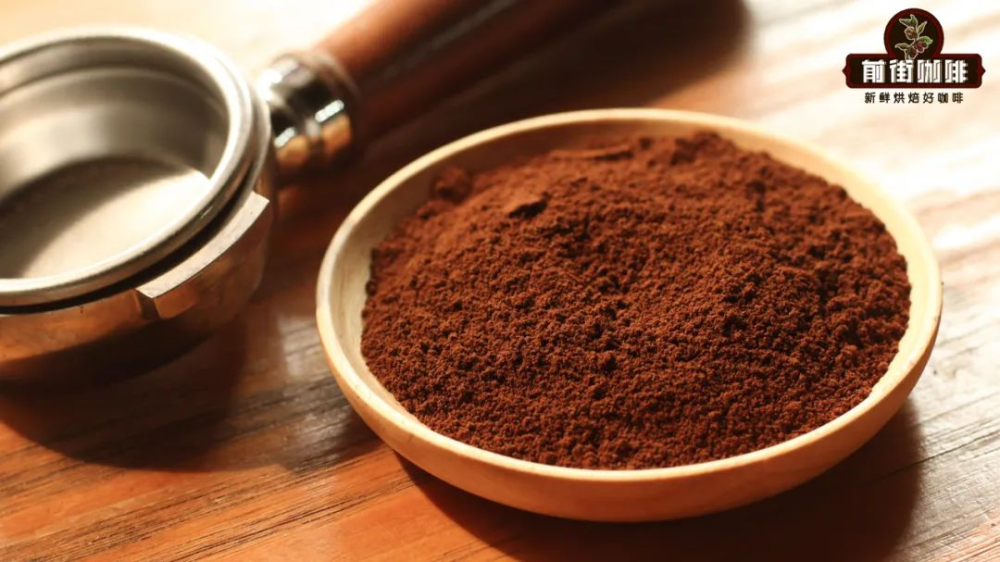
The grind can therefore only be dialed in through extraction itself. FrontStreet Coffee suggests starting from a stable baseline recipe — for instance, FrontStreet Coffee's daily standard is "20g of grounds extracting 40ml of espresso in 28±1 seconds." If 20g cannot produce 40ml within 28±1 seconds, adjust the grind until the numbers match, then decide through tasting whether to fine-tune the dose or the yield.
Moka Pot Grind Size
The moka pot grind is unusual: you can use the finest setting a pour-over grinder produces, or simply use an espresso grinder's setting — both work. The finer the particles, the richer the crema.
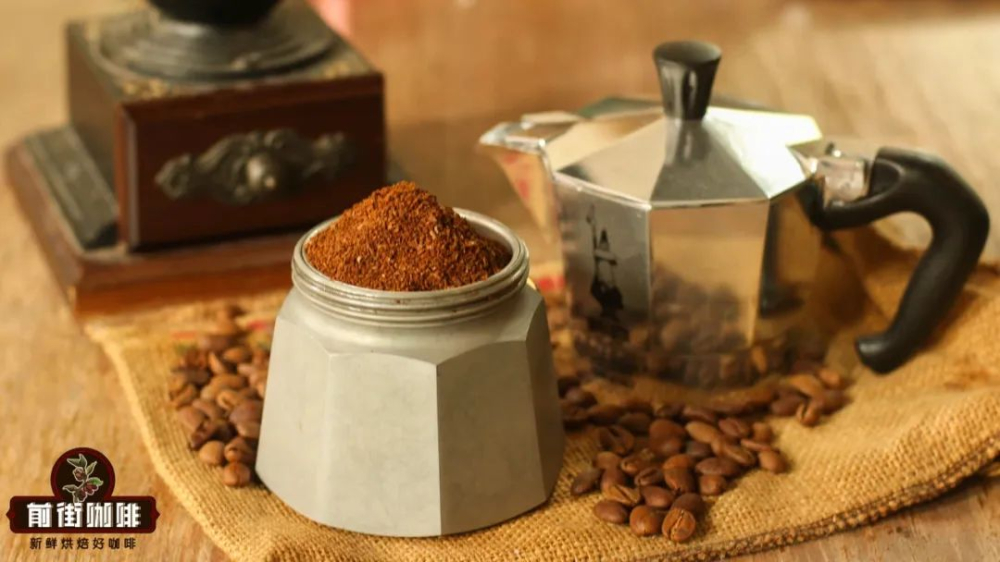
Note that the moka pot grind is already very fine and, like espresso, cannot be measured with a sieve — it has to be judged by taste.
- END -

FrontStreet Coffee Recommendation
Since moka pots reward a fine grind and high concentration, blends are the safe bet. The FrontStreet Classic Blend was designed specifically for espresso and moka pot use, and its standout trait is superb crema — even beginners on entry-level home machines can pull dense, silky foam. Built on the traditional Mocha–Mandheling formula, it is mellow and rounded, approachable for newcomers and veterans alike.
If you would rather try single-origin beans, the FrontStreet Brazil Fazenda Rainha is a natural fit: low acidity, balanced, with pronounced nut and cocoa aromas and a clear caramel sweetness that shines whether brewed in a moka pot, as espresso, or as pour-over. For a fruitier cup, the FrontStreet Colombia Sidra from Finca La Linea — double anaerobic natural process, medium-light roast — offers passion fruit, blueberry, grape, and apricot juiciness with a lasting cocoa finish.
Important Notice :
FrontStreet Coffee is a long-established specialty coffee roaster in Guangzhou China, selling freshly roasted beans from its own farm in Yunnan as well as dozens of carefully selected single-origin beans from around the world for both pour-over and espresso. The products deliver consistently excellent quality and great value, with shipping within 24 hours. Guangzhou's FrontStreet Coffee shop is recommended by many coffee lovers, and the beans are now available online at the Tmall 。
FrontStreet Coffee has moved to a new address:
FrontStreet Coffee Address: 315,Donghua East Road,GuangZhou
Tel:020 38364473
 Scan and follow the En Gafei WeChat official account. Please indicate that the reprint comes from "En Gafei".

