Coffee History Development and Personal Stories: The Godmother of Specialty Coffee - Erna Knutsen

When something or a certain field stagnates, the emergence of an important figure can set the gears in motion again, or even break through the current bottleneck entirely. Such figures drive different nodes at different times and in different events. Without them, those gears might still not be back on track today.
The coffee world also has such phenomenal figures: Angelo Moriondo, inventor of the espresso machine that lets people drink espresso every day; Mrs. Melitta, who made drip coffee cleaner; and the protagonist of FrontStreet Coffee's article today, the heavyweight godmother of the specialty coffee world, Erna Knutsen.
What Is Specialty Coffee?
Many people think that specialty coffee is a professional term within the industry, referring to a certain type of coffee. In fact, that is not the case. "Specialty Coffee" is actually a concept.
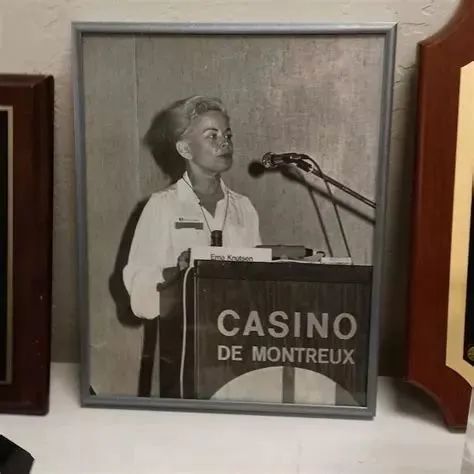
In 1974, Ms. Erna Knutsen first proposed the concept of "Specialty Coffee" in the monthly publication "Tea & Coffee Trade Journal": "Special geographic microclimates produce beans with unique flavor profiles." In other words, coffee beans with unique flavor profiles produced by special geographical conditions and microclimates.
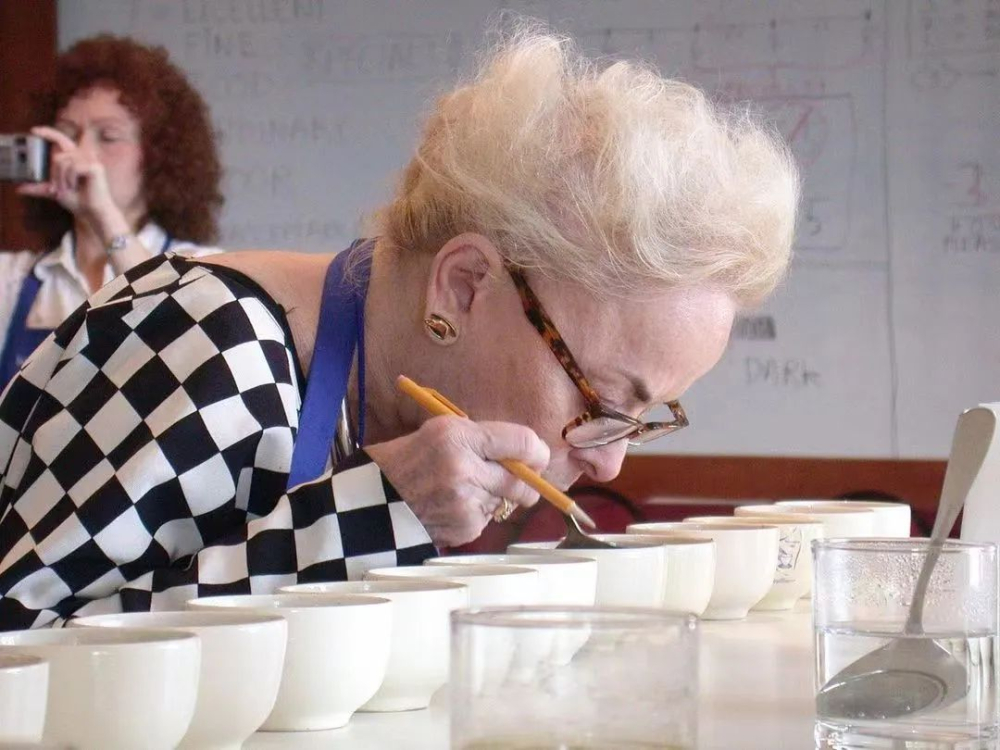
Strictly speaking, specialty coffee at that time did not have a very clear definition. It was not until 2009 that the Specialty Coffee Association of America (SCAA) established more scientific and objective conditions for green coffee beans based on this concept — namely, that cupping scores under SCAA standards must not be lower than 80 points. This gave specialty coffee a quantifiable attribute definition. It can be said that every delicious single-origin coffee we enjoy today is thanks to this lady's efforts, and the reason she proposed this theory was entirely her profound love for coffee.
Who Is Erna Knutsen?
Ms. Erna Knutsen was born in 1921 in the Arctic Circle of Norway and moved to New York, USA, with her family at the age of five. Whenever her mother ground coffee beans at home, she was deeply attracted by the enticing aroma, which gave the young girl a profound memory of fresh coffee. When she was young, however, she did not first enter the coffee industry but chose other industries to make a living.
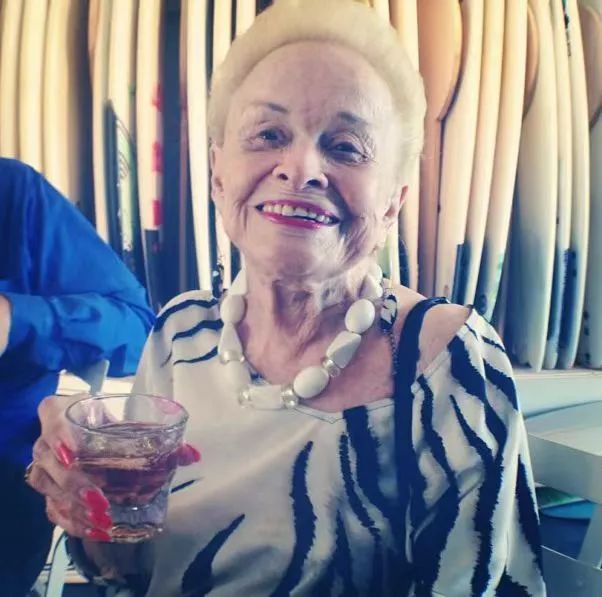
Erna Knutsen (1921-2018).
It was not until 1968, when she was in her late 40s, that she entered a coffee trading company called B.C. Ireland as both a secretary and purchasing agent, officially stepping into the coffee field. Unfortunately, this was in the 1960s and 1970s, when America was not as free and equal as it is today. Discrimination (racial and gender) was common in all industries, and the coffee industry was no exception. It was generally believed that this was not something women should be involved in, and Erna was restricted from entering the cupping room and observing the sample roasting process. Therefore, in her early days in the coffee circle, she did not have the opportunity to fully showcase her talents.
Her Rise to Fame
Until one day, by chance, she tasted Mandheling, which was being introduced to America for the first time. She was deeply shocked by Mandheling's unique flavor, so she made a decisive move and purchased an entire container of Mandheling green beans, selling them all as promised within over a month. Because the cupping reports she provided had extremely high flavor accuracy, she not only won unanimous praise from customers and made a name for herself in the industry, but also successfully broke through her career bottleneck, no longer having her talents go unrecognized because of discrimination.
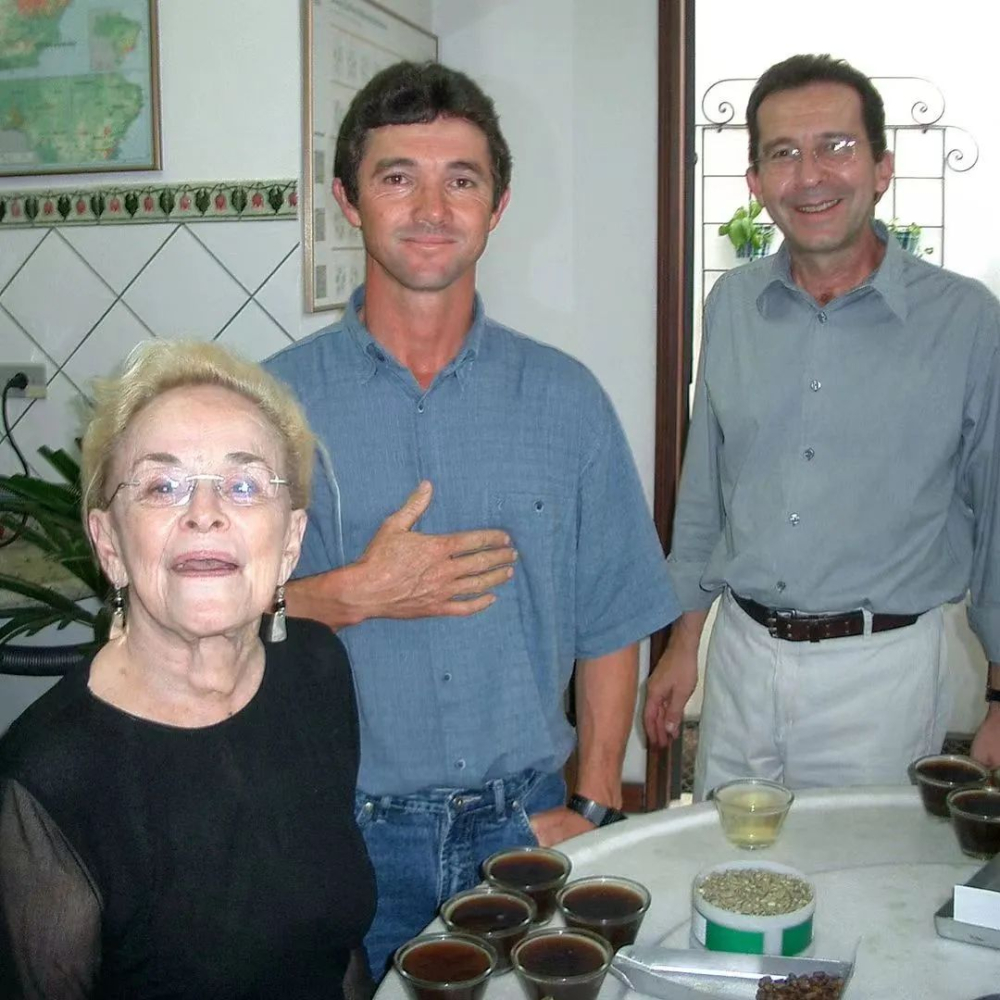
Ms. Knutsen had extraordinary olfactory and taste discrimination abilities, and her flavor memory was exceptionally remarkable. To introduce more consumers to higher-quality Arabica coffee, she began systematically learning coffee cupping to enhance her professional skills. At that time, she developed a strong interest in various imported coffees from different origins, constantly exploring and studying, but soon she discovered drawbacks within the industry.
She noticed that regardless of the production area or supplier, the quality of the beans supplied had no consistency. The previous batch of coffee had excellent flavor, but the next batch turned into a completely opposite taste. After tracing back to the source, she learned that the root of the problem lay in the trading prices of coffee beans.
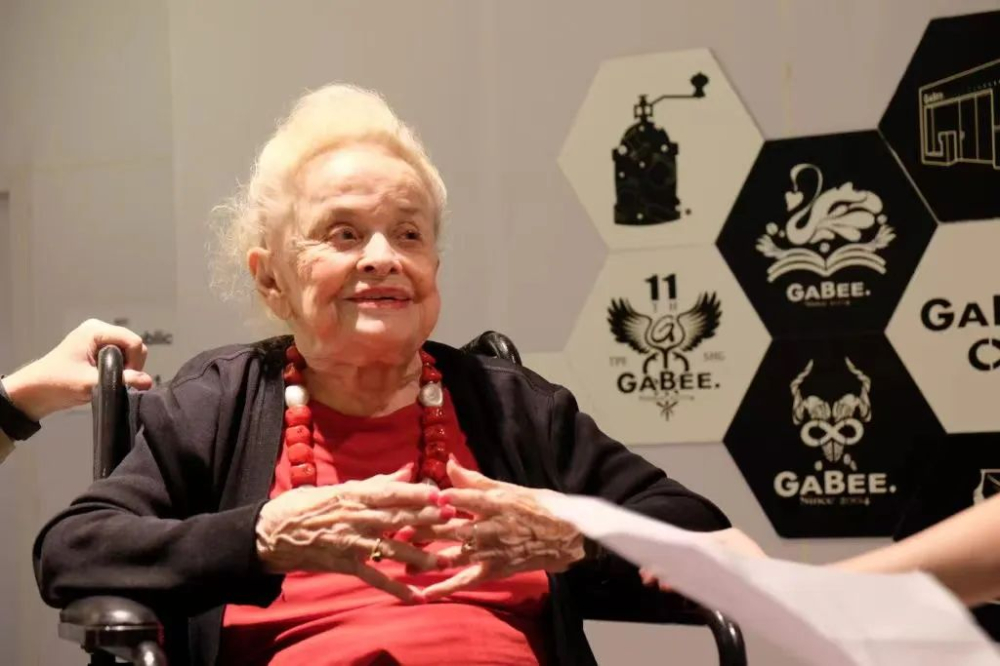
The Birth of Specialty Coffee
At that time, to purchase coffee beans directly from farmers, one had to go through the twists and turns of layers of middlemen. To earn enough price differences, middlemen continuously suppressed the purchase price of coffee cherries. Coffee beans painstakingly grown by farmers could only be purchased at extremely low prices. When income was not proportional to effort, farmers had to put in more just to maintain basic income. In this environment, farmers were no longer limited to picking red, ripe coffee fruits during harvest. As long as the coffee grew during the harvest season, whether raw or good or bad, it was all harvested. After all, "donkeys and horses," "big, small, thin, fat," "old, weak, sick, and disabled" were all the same price, so why pursue quality?
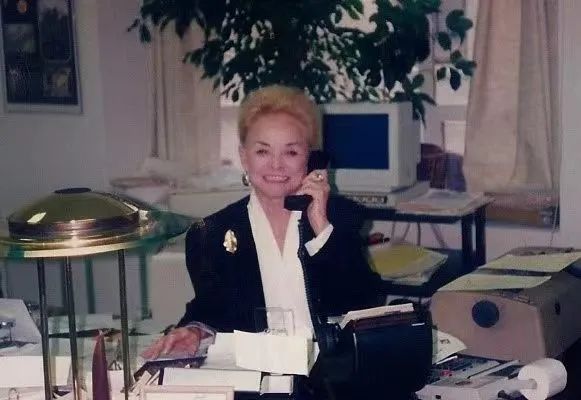
To solve the root of the problem, Ms. Erna Knutsen published the concept of "Specialty Coffee" in a monthly publication in 1974. In the years following its publication, she devoted herself wholeheartedly to spreading the concept, helping others understand through sharing what form a cup of coffee takes from seed to cup. Her passion for coffee won her many honors, and because of coffee, she visited various production areas, befriending growers from different countries, origins, and estates. In this way, she also gained a rather prestigious position in the coffee market.
By 1982, as one of the organizers, she helped establish the Specialty Coffee Association of America (SCAA). Since the initial number of people was small, she also served as an initial member and served two terms on the board of directors. She served as a director of the Pacific Coast Coffee Association and was the only woman invited to attend the International Coffee Seminar.
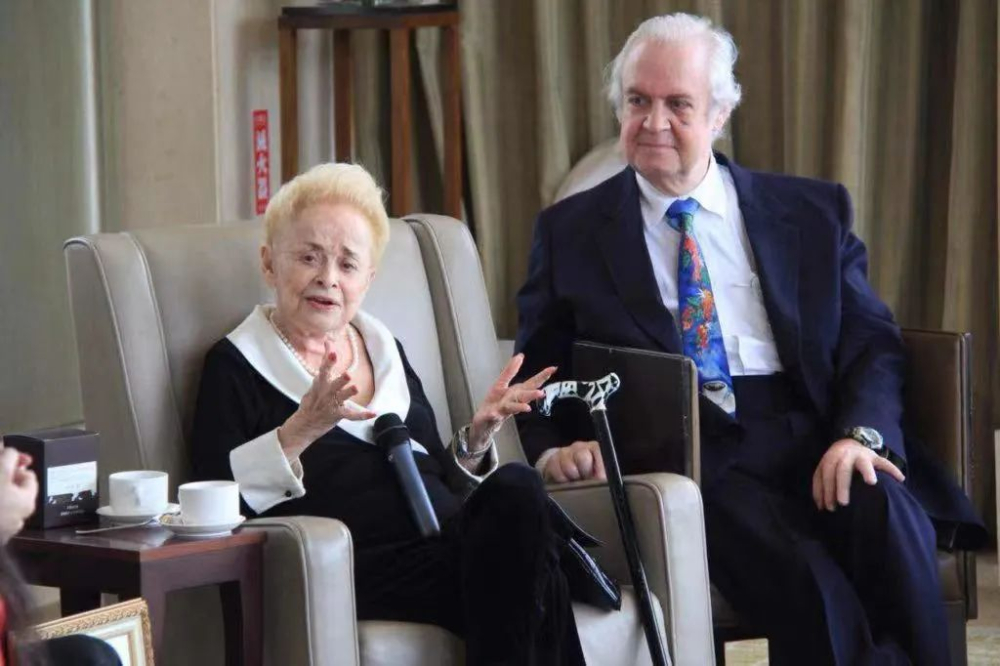
In 1985, Ms. Knutsen officially founded her own coffee trading company, Knutsen Coffee, Ltd., specializing in purchasing specialty-grade and above green beans from around the world, spanning dozens of countries and production areas. By 1988, at the age of 67, she had achieved both fame and fortune. In the following years, she received many awards in succession:
In 1991, she received the first Outstanding Contribution to the Coffee Industry Award presented by SCAA; in 1994, the Tea & Coffee Magazine Woman of the Year Award; in 1999, SCAA presented her with the Best International Specialty Coffee Promotion Award; in 2002, she received the first-ever Lifetime Achievement Award presented by SCAA.
In 2014, she again received the title of Founder of the Specialty Coffee Industry presented by SCAA, which was also the year she announced her retirement at the age of 93. Ms. Knutsen was honored at the SCAA opening ceremony.
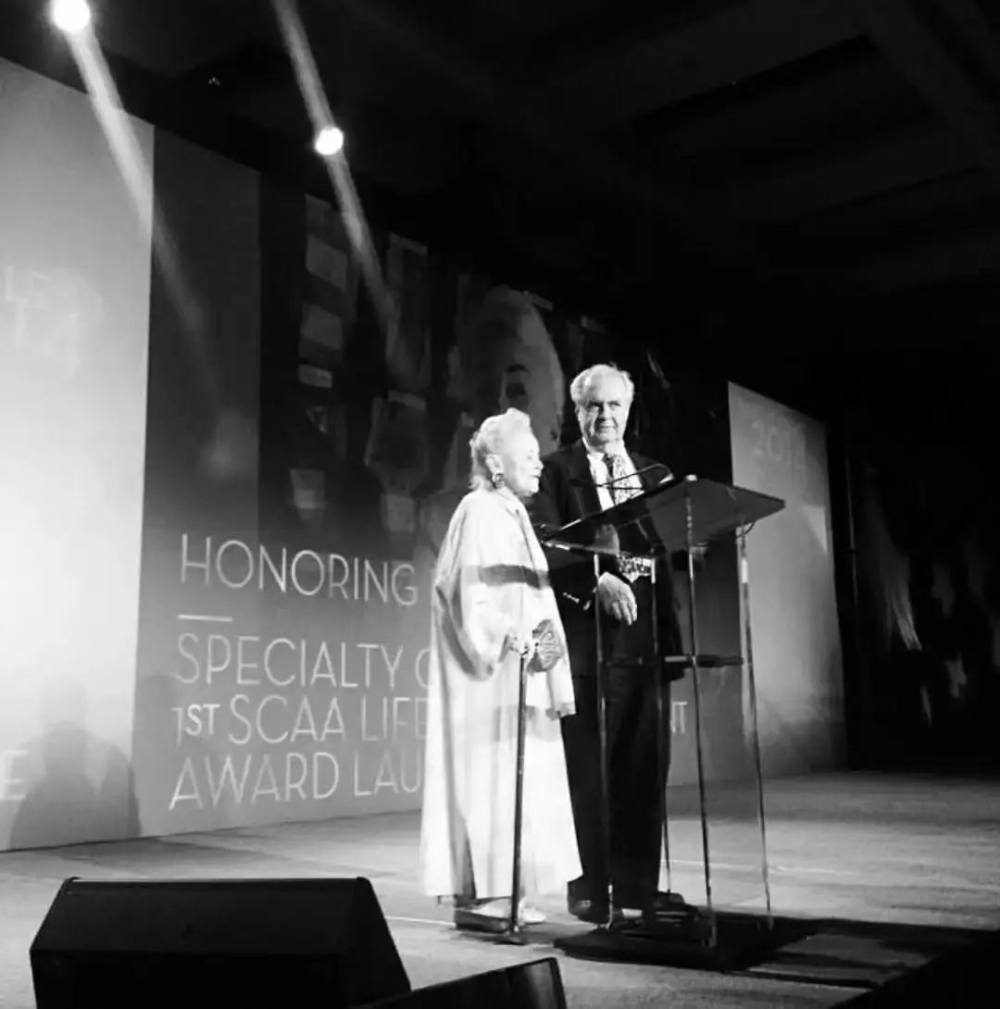
It can be seen that her promotion of specialty coffee, like that of great figures in other industries, was a truly remarkable approach. At the end of the article, FrontStreet Coffee also quotes a sentence from Ms. Knutsen in an interview as the conclusion:
"Coffee gives me the wonderful life."
"Coffee makes this life without regrets."
- END -

FrontStreet Coffee Recommendation
Everything Erna Knutsen championed — traceable, quality-driven coffee — is what FrontStreet looks for in its beans today. For traditional Italian-style Americano and latte, choose FrontStreet Classic Blend or FrontStreet Commercial Blend. Both add a small amount of Robusta on top of an heirloom Italian recipe, so extraction yields butter, nut, spice, dark chocolate, and toast aromas, with a bold, thick body and abundant golden crema that makes latte art easy.
For those drawn to the nutty side of Italian coffee, FrontStreet Specialty Blend and FrontStreet Black Cocoa Blend are the first choices, since both contain a large proportion of Brazilian coffee and offer a comfortable bittersweetness with a creamy peanut aroma and a very smooth entry. FrontStreet Specialty Blend carries the nutty, chocolate, and caramel notes and moderate acidity of Colombian coffee; FrontStreet Black Cocoa Blend combines the ripe plum acidity of Yunnan small-bean coffee and gives off a cream chocolate aroma when ground, making it balanced and highly adaptable for both coffee shops and homes.
For SOE lovers, FrontStreet Sun-Dried Huakui SOE shows a creamy strawberry flavor thanks to its terroir and natural processing. Grown in Guji, Hambela, at altitudes up to 2,300 meters, the cherries ripen slowly and develop complex aromas, and natural processing boosts the sweet compounds; after a medium roast, an Huakui SOE Americano or latte brings cream, cocoa, berries, light florals, and black tea. FrontStreet Costa Rica Blackberry SOE is a honey-processed single origin capturing the blackberry aroma and clean sweetness of the fruit pulp — bright and refreshing as an Americano, and showing cranberry cookie, raisin, and nuts with milk. FrontStreet Brazil Queen's Estate SOE, a yellow bourbon with a gentle, sweet profile, is roasted medium-dark and pulls into butter cookie, macadamia, and toast creaminess under an espresso machine.
Important Notice :
FrontStreet Coffee is a long-established specialty coffee roaster in Guangzhou China, selling freshly roasted beans from its own farm in Yunnan as well as dozens of carefully selected single-origin beans from around the world for both pour-over and espresso. The products deliver consistently excellent quality and great value, with shipping within 24 hours. Guangzhou's FrontStreet Coffee shop is recommended by many coffee lovers, and the beans are now available online at the Tmall 。
FrontStreet Coffee has moved to a new address:
FrontStreet Coffee Address: 315,Donghua East Road,GuangZhou
Tel:020 38364473
 Scan and follow the En Gafei WeChat official account. Please indicate that the reprint comes from "En Gafei".