
What's the Difference Between the Maillard Color Palette and the Maillard Reaction in Coffee Roasting? What About Caramelization?
What Is the Maillard Color Palette?
Every autumn and winter season, the "Maillard color palette" becomes a trend. It refers to the color changes that occur in food during cooking because of the Maillard reaction. Brown, tan, orange, and yellow are the main colors of this palette. Coffee beans are also a kind of food, so when we roast coffee beans, the Maillard reaction occurs as well. That raises the question: what effects does this reaction bring to coffee?
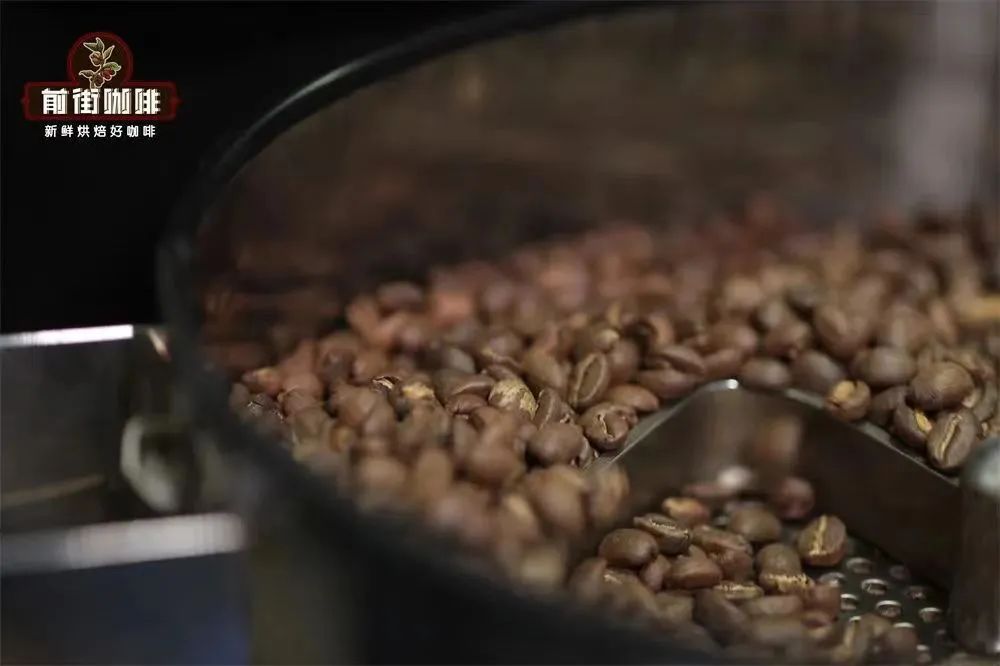
What Are the Effects of the Maillard Reaction During Coffee Bean Roasting?
The Maillard reaction is also known as the "non-enzymatic browning reaction." It was proposed by the French chemist L.C. Maillard in 1912. It refers to the reaction that occurs when sugar compounds with proteins or amino acids are subjected to high-temperature baking. This reaction generates brown or even black macromolecular substances called melanoidins, as well as numerous small molecular substances. They cause food to develop a very rich array of aromatic molecules and diverse color changes. The same principle applies to coffee beans.
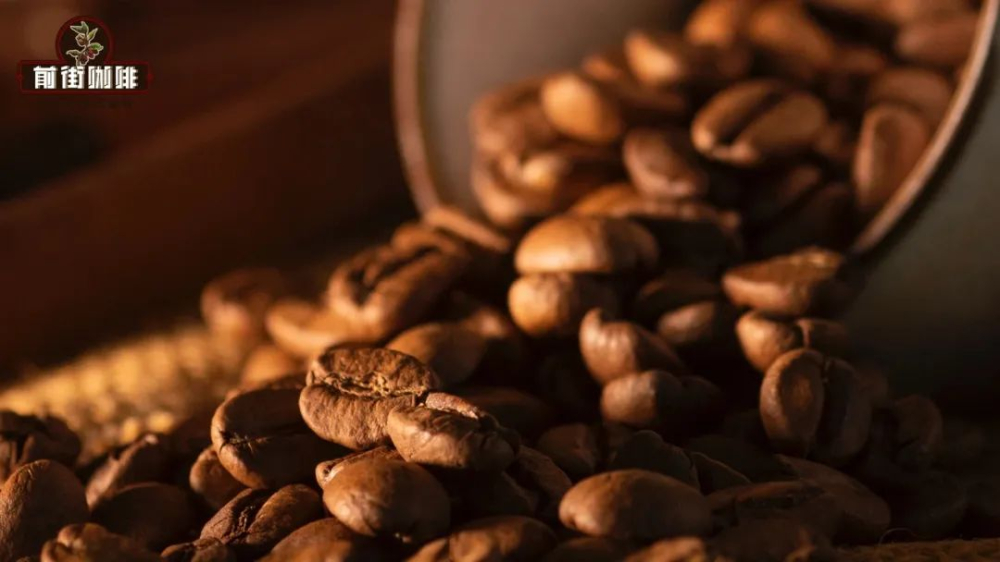
The coffee bean roasting process can be summarized in four main stages: the dehydration period, the intermediate period, first crack, and second crack. The Maillard reaction begins once the raw coffee beans have completed dehydration. After the Maillard reaction starts to take effect, the beans lose their original green (or light yellow) color and take on a yellow color, which is why this point is often called the yellowing stage. As roasting continues, the yellow gradually transforms into brown. Then, as mentioned at the beginning, besides color changes, the aromatic substances in coffee degrade and then polymerize under heat, producing new aromatic substances and compounds, and this process repeats continuously. So aromatic substances accumulate like a snowball, growing larger and larger. Research has shown that the number of substances evolved at this time reaches as many as 600 types. Floral and fruity aromas are aromatic substances formed during this stage. It can be seen, then, that the main effect of the Maillard reaction is to provide coffee beans with rich aromatic substances.
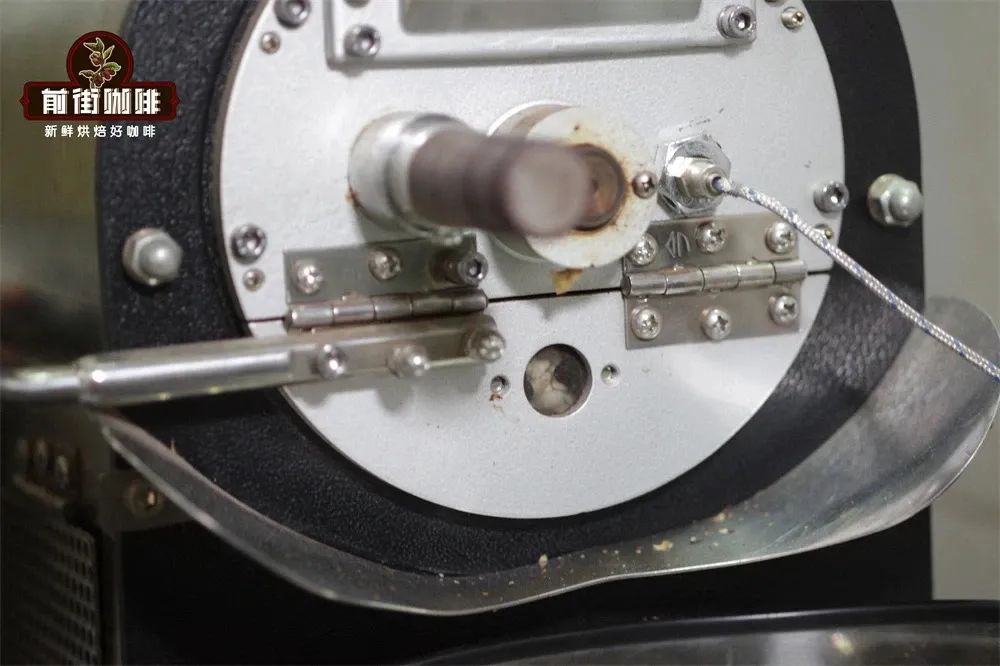
FrontStreet Coffee would like to mention a misconception here: in the coffee bean roasting process, there is another important reaction — the caramelization reaction — which appears just before first crack begins. This leads many friends to mistakenly believe that the Maillard reaction runs from the yellowing stage to before first crack begins. In fact, it starts from the yellowing point and continues until the end of roasting, only that the appearance of the caramelization reaction slows down its efficiency.
What Is the Caramelization Reaction in Coffee Bean Roasting?
The caramelization reaction refers to the process in which sugar substances, in the absence of amino compounds, are continuously heated above their melting point, decomposing and forming entirely new molecular compounds. This reaction starts at 171°C, which coincidentally is the point when the beans in the roaster are about to reach first crack — which is why FrontStreet Coffee says it occurs before first crack begins. The caramelization reaction produces the aromatic substance diacetyl in the beans, the main source of creamy aroma; furan compounds, the main source of caramel aroma; and hydroxymethylfurfural, the main source of sweet and sour aromas like honey and fruit juice. It also continues to act until the end of roasting. It is worth mentioning, however, that if roasting is too deep, it causes an excessive caramelization reaction that develops into carbonization, leading to very obvious burnt bitterness in the coffee.
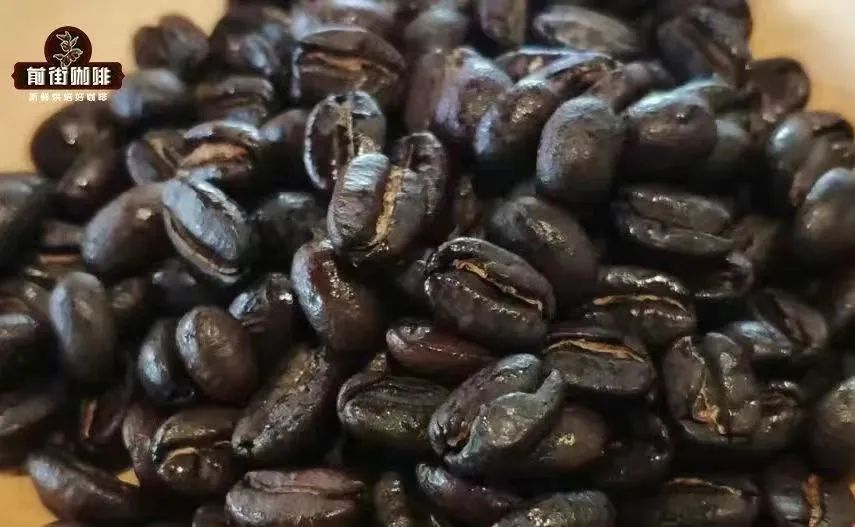
When coffee beans begin to crack for the first time, roasting can be ended at any time to remove the beans. The earlier the beans are removed, the lighter the roast degree and the less the caramelization reaction, so with less aroma masking from caramelization, floral and fruity flavors become more obvious. The later the beans are removed, the deeper the roast degree and the heavier the caramelization reaction; the heavier the reaction, the stronger the nutty, chocolate, and caramel flavors it brings, while also making the coffee texture richer and smoother thanks to the presence of large amounts of oil. That is the effect of the caramelization reaction.
- END -
FrontStreet Coffee

FrontStreet Coffee Recommendation
If the balance the Maillard reaction brings to roasting makes you want a cup in the middle of the spectrum, a medium roast is the natural choice. FrontStreet Brazil Queen's Estate is grown in Brazil, the world's largest coffee producer, from the distinctive yellow bourbon variety. Its profile is clean and gently sweet, and after a medium roast it shows cream peanut, chocolate, toast, and sugarcane aromas and sweetness — suitable for pour-over as well as moka pot and espresso machine.
For a sweeter, fruit-forward medium roast, FrontStreet Strawberry Candy Geisha Blend is the pick. This bean is distinctive because it combines two well-known regions of Central and South America: a honey-processed coffee from Costa Rica and a washed Geisha from Panama. FrontStreet roasts it medium to highlight its essence, so it shows both orange-blossom honey charm and rounded sweetness, and it suits cold brew, pour-over, and espresso alike.
For a value-driven option with balance, FrontStreet 2013 Sun-Dried Typica is a representative Chinese specialty coffee with an authentic Yunnan small-bean character. To bring out its balanced, gentle tone, FrontStreet roasts it medium, giving soft notes of nuts, brown sugar, black tea, and dried apricot; it works for pour-over, cold brew, and drip machines. Finally, FrontStreet Jamaica Blue Mountain No. 1, known as the "coffee emperor," is grown from the Typica variety, one of the world's finest Arabicas, and roasted medium to fuse its distinctive acidity, bitterness, sweetness, and body into an elegant, inviting cup — chocolate, roasted nuts, cream, and caramel arrive immediately.
Important Notice :
FrontStreet Coffee is a long-established specialty coffee roaster in Guangzhou China, selling freshly roasted beans from its own farm in Yunnan as well as dozens of carefully selected single-origin beans from around the world for both pour-over and espresso. The products deliver consistently excellent quality and great value, with shipping within 24 hours. Guangzhou's FrontStreet Coffee shop is recommended by many coffee lovers, and the beans are now available online at the Tmall 。
FrontStreet Coffee has moved to a new address:
FrontStreet Coffee Address: 315,Donghua East Road,GuangZhou
Tel:020 38364473
 Scan and follow the En Gafei WeChat official account. Please indicate that the reprint comes from "En Gafei".

