
The Fundamental Logic of Three-Stage Pour-Over Coffee Brewing! What to Consider in Segmented Pouring? What's the Purpose of Blooming?
Since FrontStreet Coffee broke down the three-stage pouring method in a previous article (see "Why FrontStreet Coffee Always Uses Three-Stage Pouring for Coffee Brewing?"), skipping the full tutorial would be a tease. In our regular articles we only touch briefly on pouring experiments, which makes it hard to picture what actually needs attention during the brew and how to execute it. So today FrontStreet Coffee shares a detailed three-stage brewing tutorial.
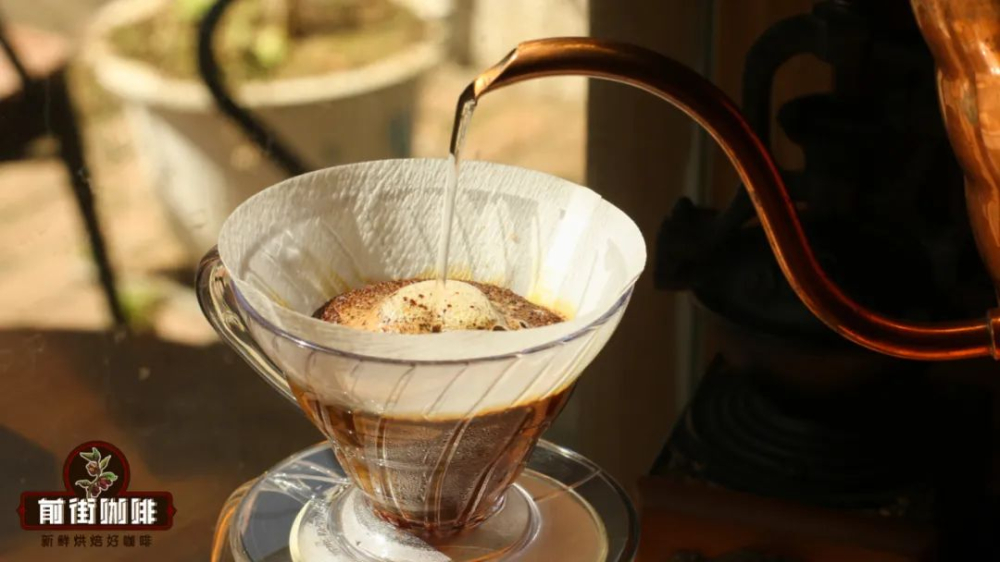
Understanding the Principles of Three-Stage Brewing
Before learning how, we need to understand why. Only by recognizing the logic behind segmented pouring can you apply the method properly and brew coffee in its ideal state.
Pour-over extracts soluble compounds by manually injecting hot water. As the brew progresses, acids, sugars, and bitters are released at different rates. The longer the extraction, the more completely these compounds come out — though full extraction is not always desirable. Before formal extraction, a small amount of hot water is first used to release carbon dioxide from the grounds, because CO2 hinders extraction. After degassing, the remaining water does the real work. But pouring all the water at once tends to produce an overly concentrated cup with little margin for error — one bad pour and the brew is unsalvageable. So the water (excluding the bloom) is split into two further stages for richer layering.
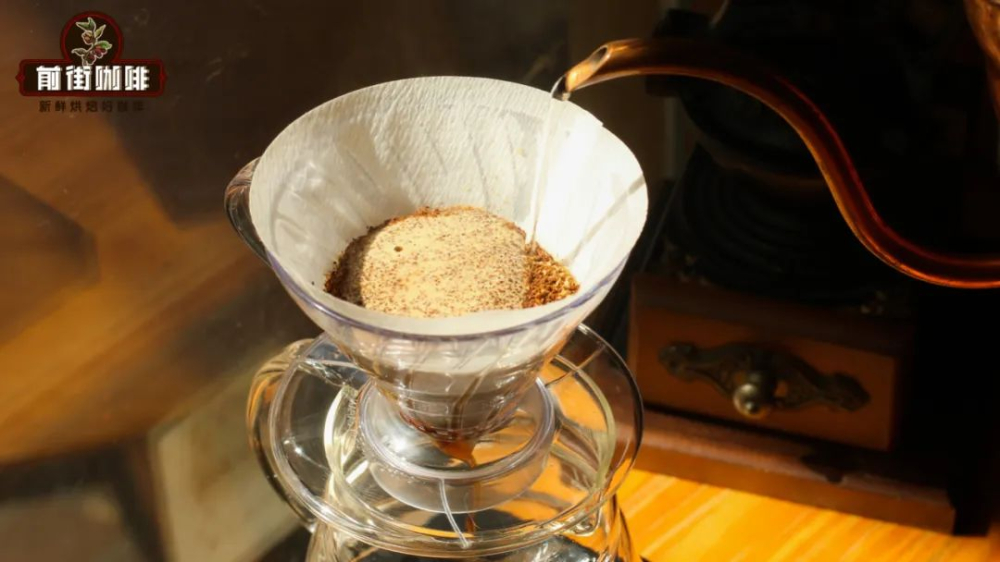
Of course, simply splitting the pour into stages is not enough on its own. The trick is an easily overlooked detail: the pouring interval. Whenever FrontStreet Coffee describes three-stage brewing, we always add that after completing the second pour, you wait until the water level is about to expose the coffee bed before starting the next pour. That wait is the interval. Some online describe three-stage pouring as a method that fluctuates the coffee bed's temperature — and indeed, both the 30-second bloom and the wait for the water level to drop lower the bed temperature, until the next pour raises it again.
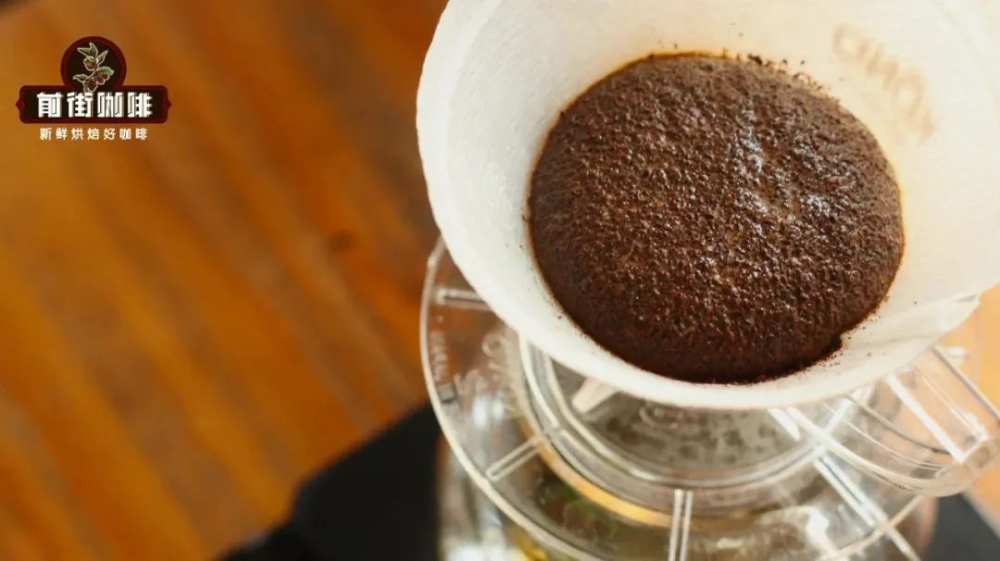
During these intervals, the water in the kettle is also cooling. By the third pour, extraction efficiency has dropped somewhat from the start. So — provided all your other parameters are sound — the third pour simply cannot extract all the remaining bitter substances, which greatly reduces over-extraction. That is exactly why three-stage pouring is so popular: it highlights flavor while guarding against frequent over-extraction. Now, on to the tutorial itself.
How to Execute Three-Stage Brewing
As usual, here are FrontStreet Coffee's brewing parameters:
- Coffee Dose: 15g
- Grind Setting: Light roast — EK43 setting 10 with an 80% pass rate on a #20 sieve; dark roast — EK43 setting 10.5, same 80% pass rate. (For why the pass rate stays the same, see "Same Grind Setting, Different Particle Sizes?")
- Water Temperature: 90–92°C for light roasts; 86–88°C for dark roasts
- Coffee-to-Water Ratio: 1:15
- Dripper: V60/Kono
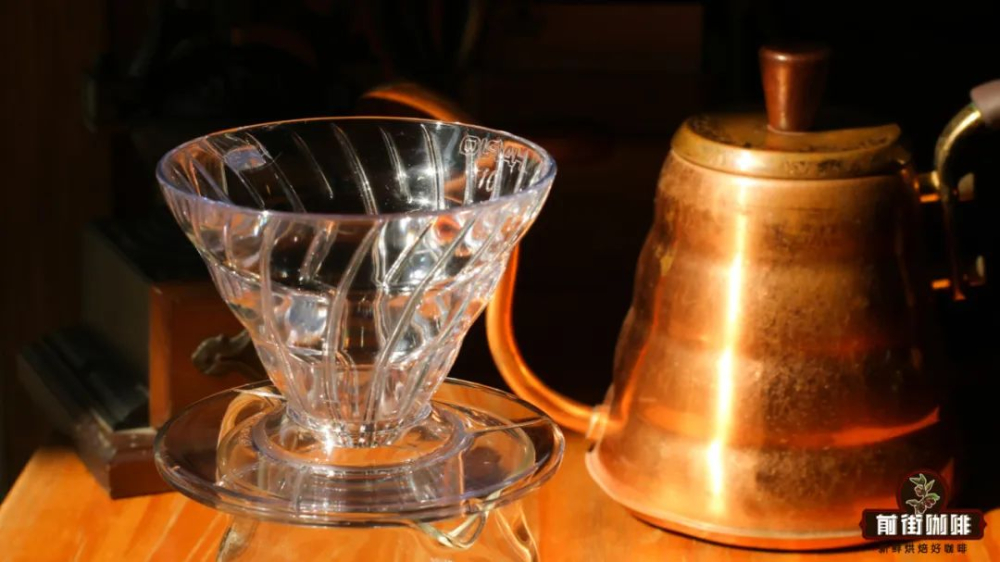
Stage One: The Bloom
First, use twice the coffee weight in water (30ml) for a 30-second bloom, pouring quickly in concentric circles from the center outward.
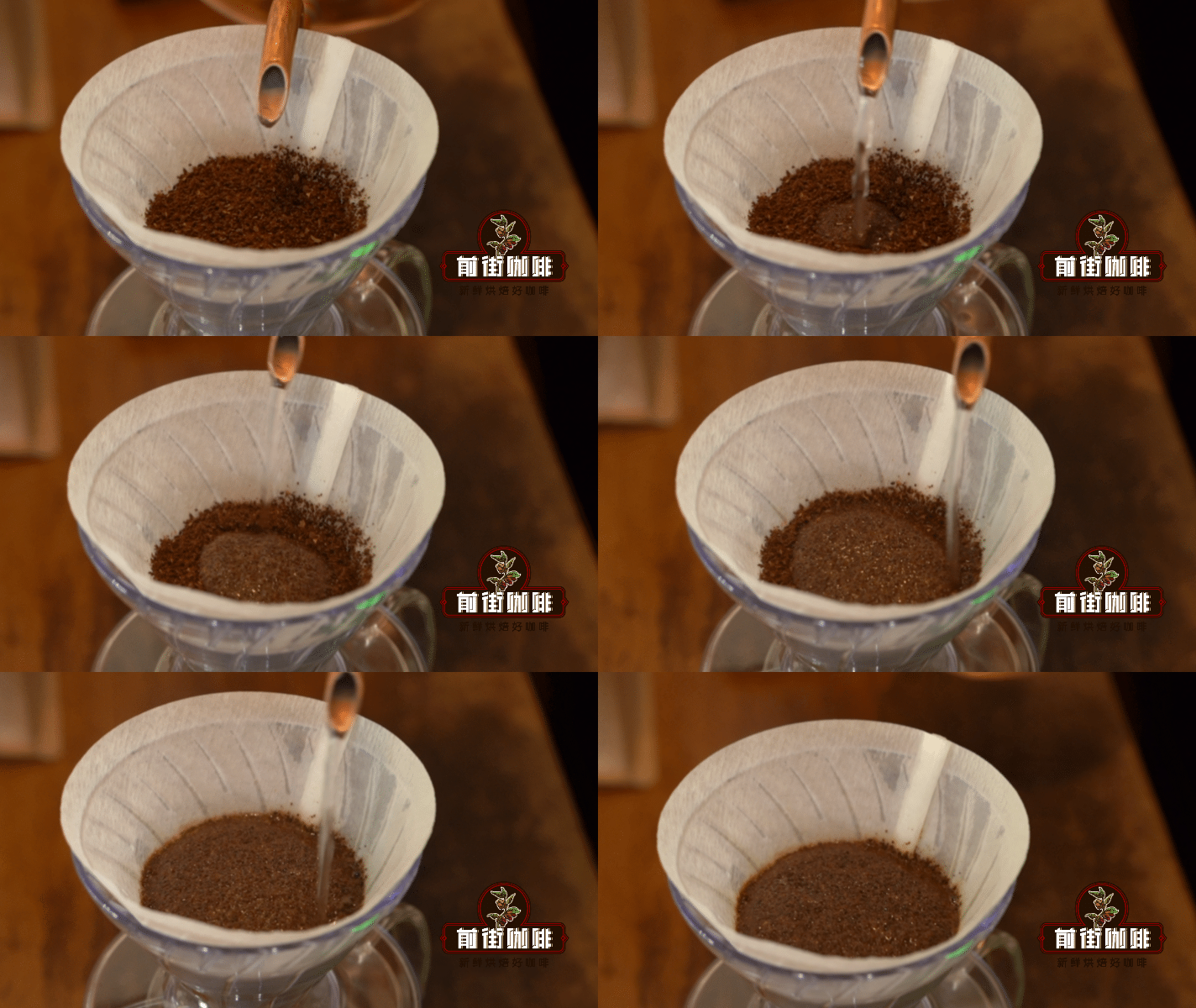
We all know blooming releases carbon dioxide so subsequent water can extract better. But it also means the bloom water extracts the least of any stage. That is why the bloom is set at twice the coffee weight: it is just enough to wet the bed, and roughly the amount of water dry grounds will absorb (though not all of it). Note: the bloom clock starts the moment you begin pouring, so start the timer as (or just before) you pour, and inject the water quickly.
Stage Two: Main Extraction
After the bloom, pour 120ml of hot water in large concentric circles with a small, steady flow, aiming to finish around the 55-second mark.
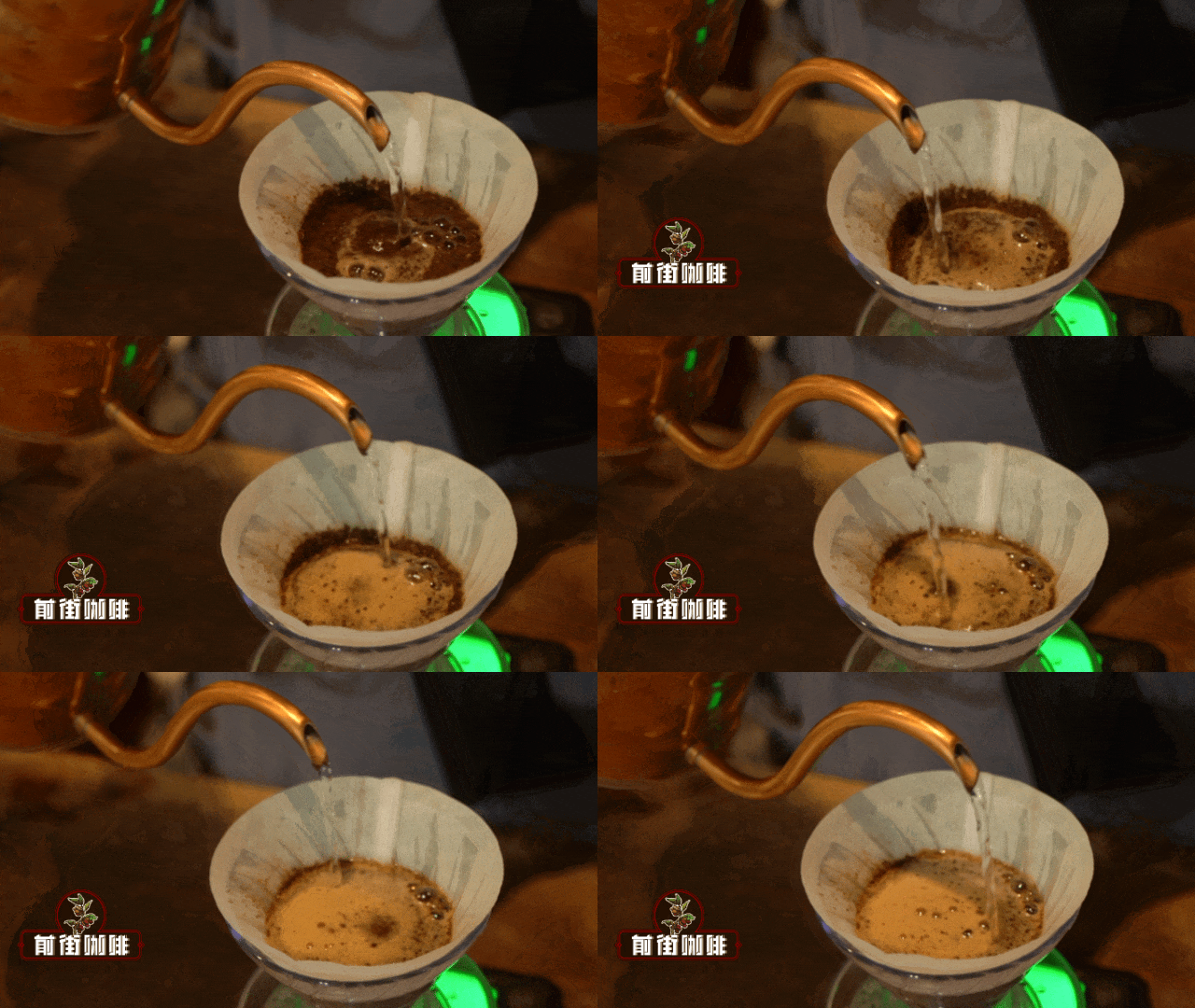
This stage is critical — the quality of the cup depends on it. The water is still relatively hot, and once the CO2 "shield" is gone, the bed releases its acids and sugars readily under the hot water.
Stage Three: The Finish
When the water level is about to expose the bed (when grounds start to show), inject the final portion of hot water (75ml), pouring in small circles around the center of the dripper.
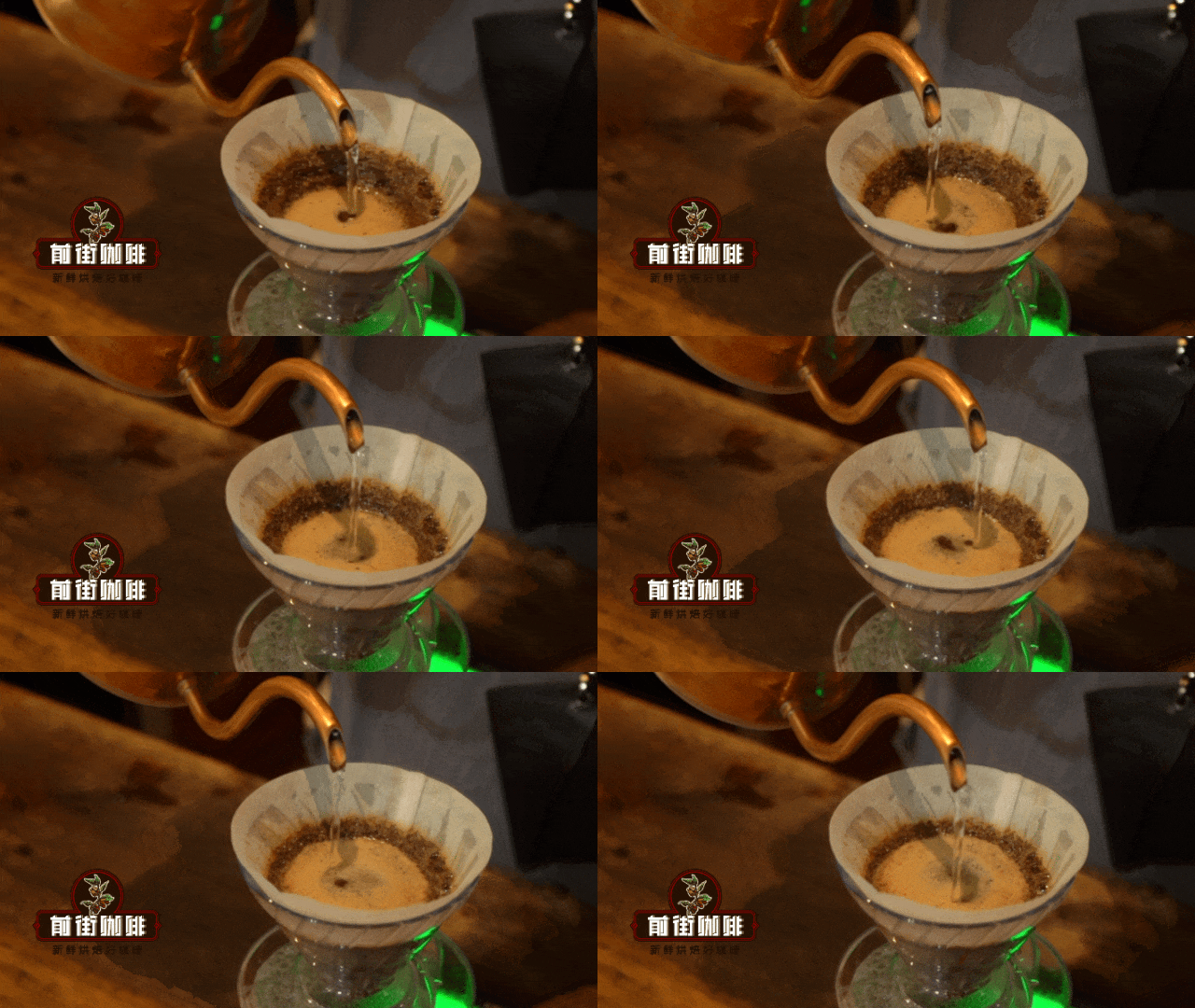
This final pour is where three-stage brewing corrects itself. If the second pour did not drain at a normal rate, decide your flow based on its speed. If the level dropped too quickly — risking under-extraction — use a small flow to extend contact time and raise the extraction rate; if it dropped too slowly — risking blockage and over-extraction — use a larger flow to lift the bed, widen the drainage area, and speed the flow up.
Final Step: Integration
Each stage extracts different compounds, and because their concentrations differ, they resist blending naturally. Drinking straight away can feel disjointed, so shake the server gently to fully integrate the coffee.
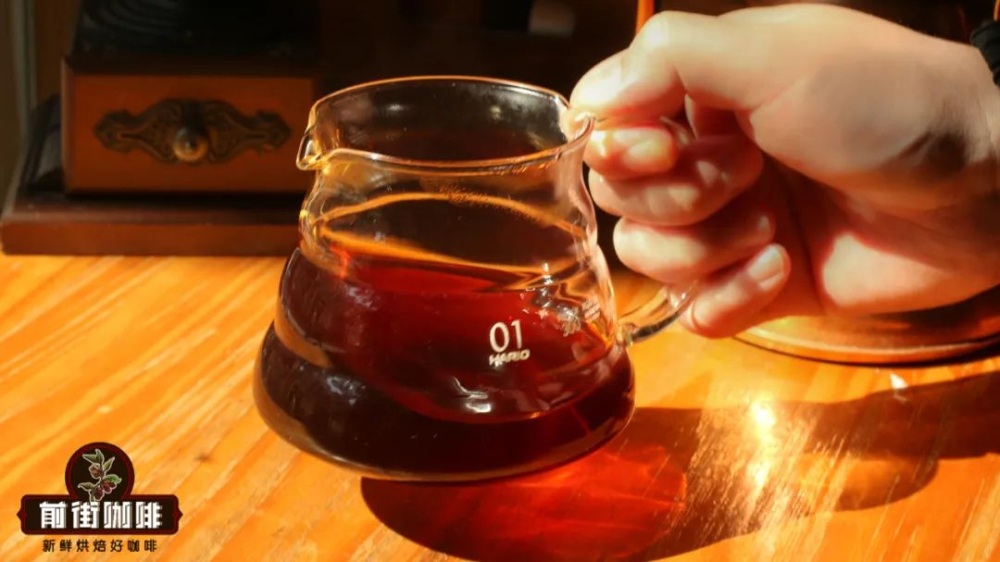
Only then do we drink. Clean, full flavors with rich, layered detail — that is the enjoyment three-stage brewing delivers.
- END -
FrontStreet Coffee Recommendation
For this kind of delicate, layered pour-over, the V60 is hard to beat. Hario's 60-degree cone and single large opening let florals and bright acidity shine, which is why fruit-forward beans are its natural partners. The FrontStreet Ethiopia Yirgacheffe Worka (Guodingding) — washed G1 with white florals, citrus, orange, and a green-tea finish — is a classic starting point, while the FrontStreet Ethiopia Huakui brings bold tropical fruit: strawberry, passion fruit, jackfruit sweetness with almost no bitterness.
If you lean toward the comfortable, mellower side, brew the FrontStreet PWN Golden Mandheling dark roast at 86–88°C — herbal, dark chocolate, and a whisper of earth — or the FrontStreet Jamaica Blue Mountain No.1, whose creamy, caramel-nut balance is often called the specialty coffee almost everyone loves.
Important Notice :
FrontStreet Coffee is a long-established specialty coffee roaster in Guangzhou China, selling freshly roasted beans from its own farm in Yunnan as well as dozens of carefully selected single-origin beans from around the world for both pour-over and espresso. The products deliver consistently excellent quality and great value, with shipping within 24 hours. Guangzhou's FrontStreet Coffee shop is recommended by many coffee lovers, and the beans are now available online at the Tmall 。
FrontStreet Coffee has moved to a new address:
FrontStreet Coffee Address: 315,Donghua East Road,GuangZhou
Tel:020 38364473
 Scan and follow the En Gafei WeChat official account. Please indicate that the reprint comes from "En Gafei".

How to Solve Coffee Ground Static Electricity Problems? Can Spraying Water on Coffee Beans Eliminate Static Electricity? How Does It Affect Grinding Quality?
