
How to Solve Coffee Ground Static Electricity Problems? Can Spraying Water on Coffee Beans Eliminate Static Electricity? How Does It Affect Grinding Quality?
Understanding Static Electricity: The Stumbling Block in Coffee Grinding
Static electricity is a stumbling block on the path to uniform grinding. It not only causes excessive fine particles to stick to the grinding channel but also frequently creates clumps that complicate the extraction process.
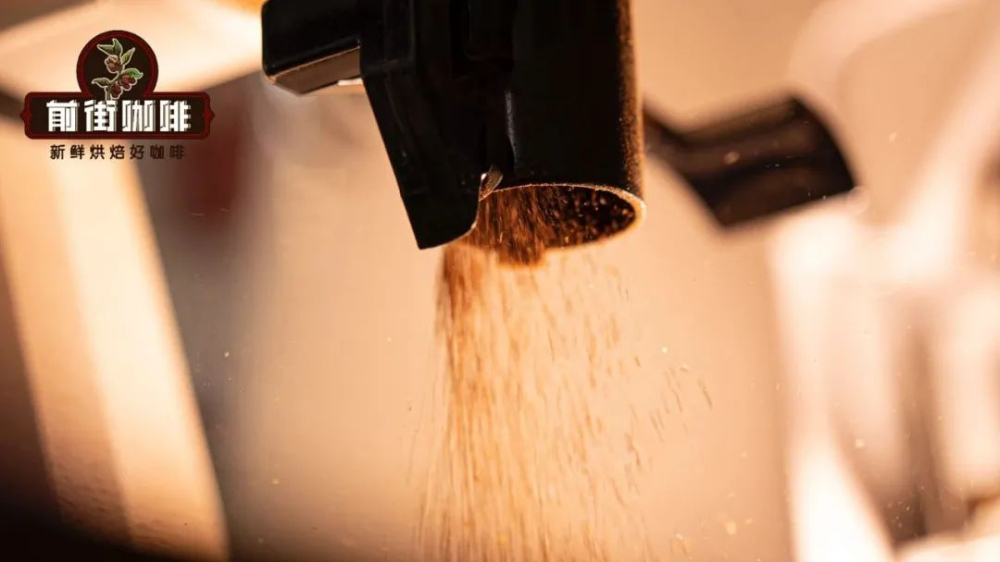
To effectively prevent and control static electricity, the industry has put considerable effort into various equipment. Installations include anti-static devices at espresso grinder outlets, dosing cups that are tapped to break up larger clumps, and distribution needles used to break up clumps after grinding. Beyond these methods, there is another approach widely circulated on social media: adding water to coffee beans.
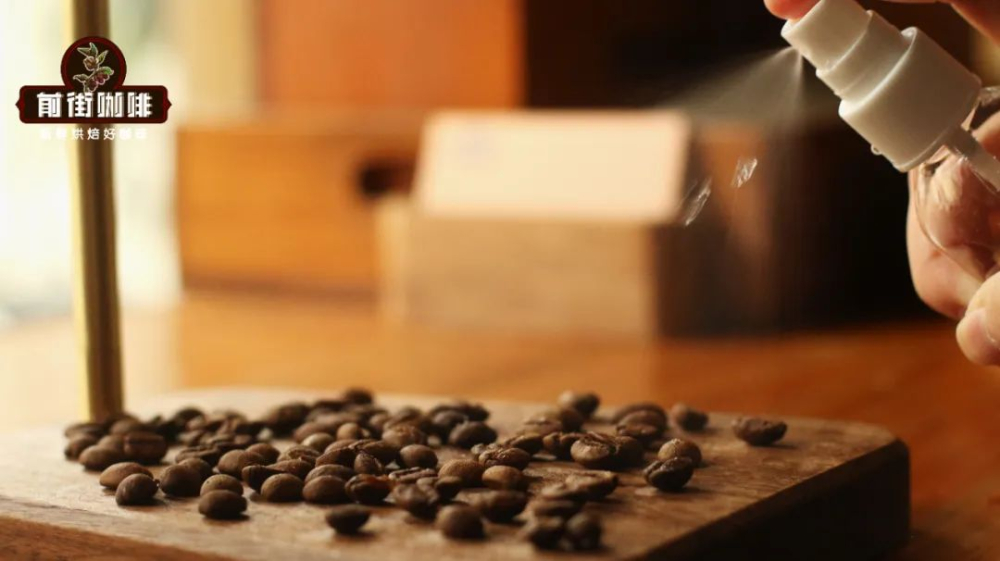
If, like FrontStreet Coffee, you enjoy browsing online, you have likely seen this technique in certain videos. First, weigh a single dose of coffee beans. Then use a small spoon to add 1 to 2 drops of ordinary drinking water, or spray the beans with a bottle, moisten their surface, and stir appropriately. Finally, grind the beans normally. Proponents suggest this not only prevents coffee from clumping but also yields espresso with a richer and more uniform flavor.
The Ross Droplet Technique (RDT)
The person who proposed this method is David Ross, who first introduced it in 2005 on a coffee forum called "Alt.Coffee." It is generally known as the Ross Droplet Technique, or RDT for short.
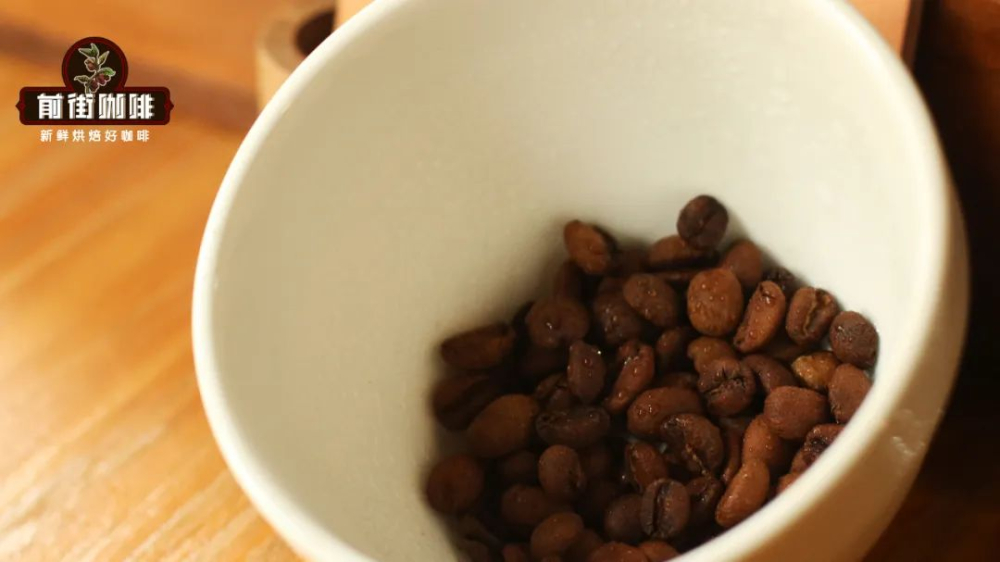
In reality, during grinding, coffee grounds become charged because of friction between beans and burrs, uneven charge distribution as the coffee cracks, and other reasons. The finer the grind size, the more static the grounds generate. Static electricity causes negatively charged fine particles to adhere to larger particles, forming 1 to 2 millimeter clumps that appear as irregular masses to the naked eye.
The Science Behind Static Electricity in Coffee
In theory, such clumps not only reduce the contact surface between coffee and water but also cause uneven water flow through the coffee bed, which disrupts the extraction rate of soluble substances. This is what we commonly call channeling, often accompanied by spurting and punching through.
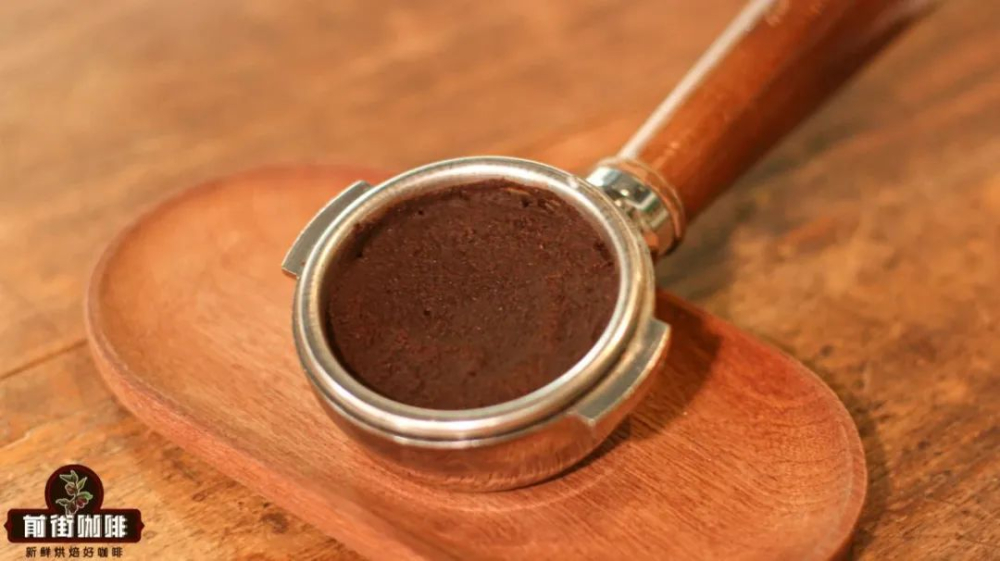
At this point, adding external moisture to the beans can regulate the charge on the grounds, which reduces the disruptions caused by static electricity, prevents the grounds from clumping and aggregating, and leads to more uniform extraction.
In late last year, a paper published by the University of Oregon in the journal "Matter" confirmed this theory. The team, combining various studies, pointed out that appropriately spraying water on coffee beans before grinding can indeed effectively prevent static electricity from forming and improve the coffee extraction rate.
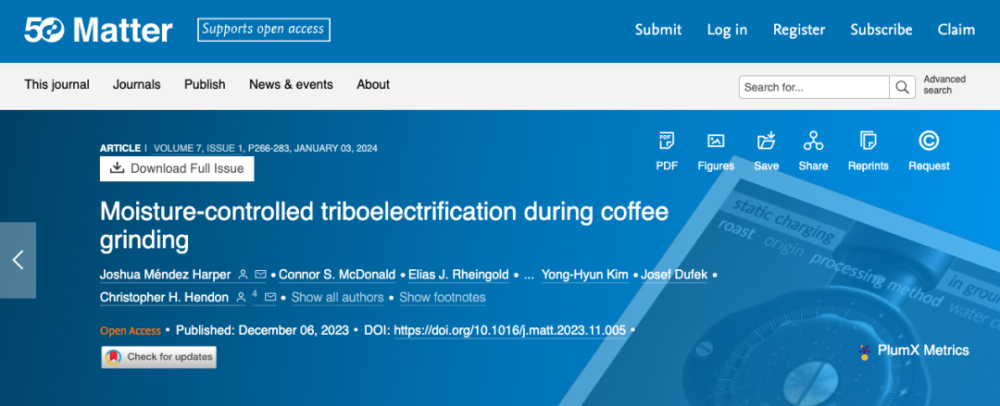
The paper also mentioned that coffee beans of different roast levels, because of their different internal moisture contents, generate different amounts of static during grinding. Lighter roast beans hold more internal moisture, produce less static when ground, and tend to carry a positive charge, whereas darker roast beans are drier, generate more static when ground, mostly with a negative charge, which makes them more likely to adhere to channels or containers and form clumps. Applying RDT therefore yields better results with darker roasts.
Practical Applications of RDT
For many years, RDT, like WDT, the Weiss Distribution Technique, has been favored by home baristas who have applied it flexibly to their daily routine. At coffee shop counters, however, we rarely see such operations. Why is that?
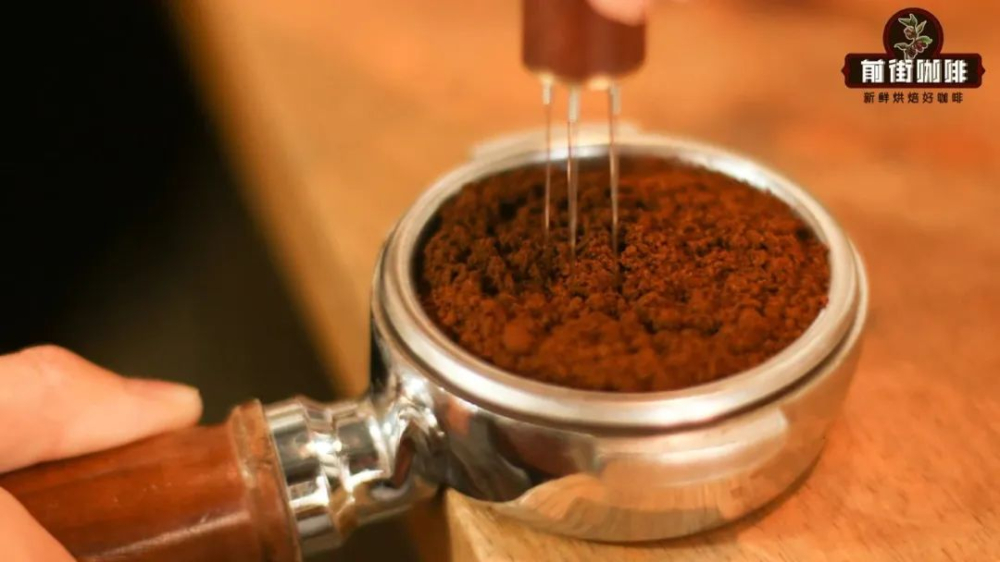
It is not hard to see that this water-spraying technique applies only to single-dose coffee brewing, mostly for espresso production. After water is added, the beans have become moist, and the aromatic compounds responsible for flavor begin to break down, so grinding must follow immediately. Otherwise the aroma will be significantly diminished.
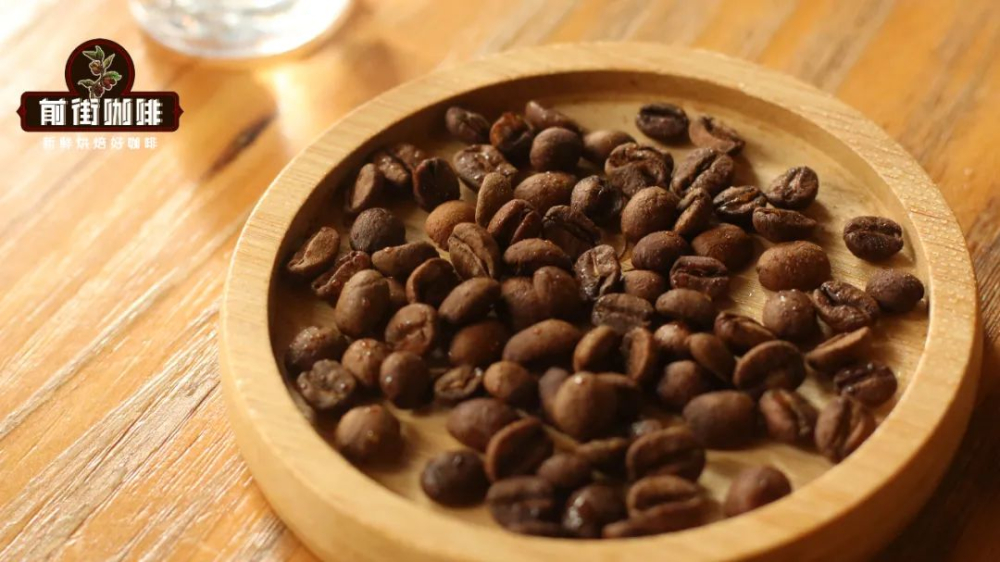
In addition, most equipment used in coffee shop settings consists of commercial grinders, so baristas rarely need to consider static electricity and clumping separately, because these devices are equipped with anti-static mechanisms. In the daily workflow, moreover, compared with spending an extra tens of seconds or even minutes to spray beans, grind individual doses, and use distribution needles, producing a decent espresso more efficiently is everyone's primary task.
FrontStreet Coffee's Perspective on RDT
As experienced coffee professionals, FrontStreet Coffee believes this method carries certain risks. If you are not careful, spraying too much water can easily make the grounds moist and clumpy. Long-term mixing with water droplets also carries the risk of rusting the burrs. In other words, if not properly controlled, the drawbacks may outweigh the benefits.
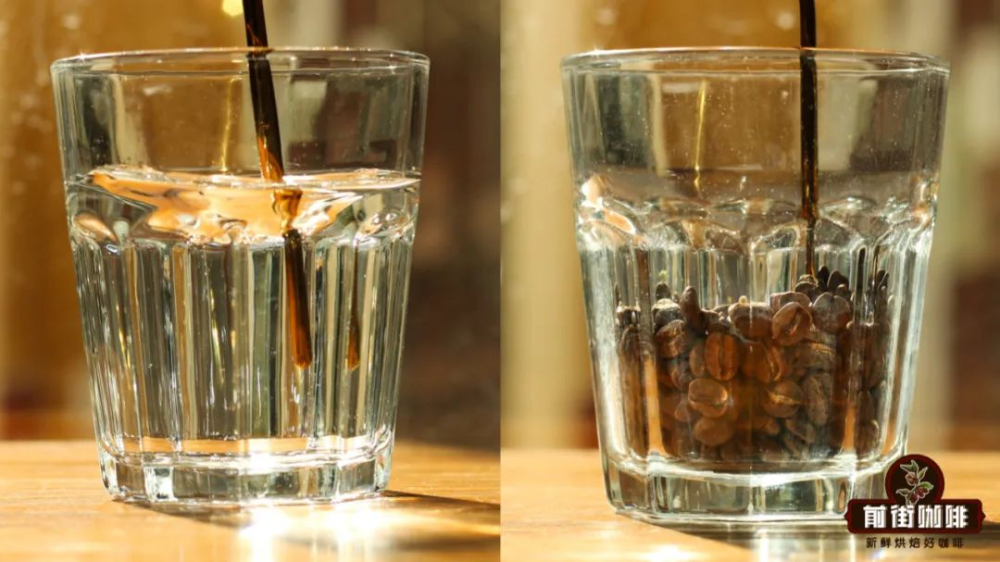
If we do need to use RDT to intervene in grinding when making espresso, FrontStreet Coffee suggests borrowing a method from coffee celebrity James Hoffmann: dip the back of a spoon into a glass of drinking water, then insert the water-covered handle into the coffee beans, stir quickly a few times, and begin grinding.
- END -
FrontStreet Coffee

FrontStreet Coffee Recommendation
RDT and static control matter most when you are dialing in espresso, and the bean you use shapes how forgiving that process is. FrontStreet Classic Blend is designed for espresso and moka pot brewing, and its standout quality is the crema: even a beginner with a non-professional home machine can extract a dense, fine-textured shot. Lattes, cappuccinos, and Dirty all depend on good crema, and this blend, built on the traditional Mamba recipe, is full-bodied and mellow enough for veterans and newcomers alike, making it the go-to choice for home or cafe.
Not everyone chases maximum crema. For a beginner or a cafe owner watching costs, a good cup at a fair price is what matters, and FrontStreet Black Cocoa Blend fits that need: it uses 100% Arabica beans, delivers plenty of crema and body, and stays affordable. FrontStreet Commercial Blend was the mainstay for cafes before Black Cocoa arrived; it costs less than the specialty blend, and while it does not chase extreme crema, its recipe was optimized so it protects flavor while controlling cost, which is why it has long been a popular pick for commercial use. FrontStreet Specialty Blend is the blend FrontStreet's own stores have used the longest, nearly ten years, carrying the core drinks such as Americano and espresso latte; it pairs Brazil Cerrado with Colombia Huila for the classic espresso flavor people remember, and it works both at home and in a cafe.
If you want a single origin for espresso, FrontStreet offers several. FrontStreet Sun-Dried Huakui SOE comes from Hambela in Guji, Ethiopia, grown as high as 2,300 m, and its medium roast keeps elegant florals and fruit while caramelizing just enough, so a Huakui SOE Americano or latte carries cream, cocoa, berry, light floral, and black tea notes. FrontStreet Costa Rica Blackberry SOE is a honey-processed single origin for those who prefer high sweetness to acidity; medium roasted, it is sweet-and-sour and refreshing as an Americano, and with milk it shows cranberry cookie, raisin, and nut. FrontStreet Brazil Queen Farm SOE is a low-acid, gentle bean at a friendly price, and its Yellow Bourbon variety, roasted medium-dark and pulled as espresso, expresses butter cookie, macadamia, and toasted bread.
Important Notice :
FrontStreet Coffee is a long-established specialty coffee roaster in Guangzhou China, selling freshly roasted beans from its own farm in Yunnan as well as dozens of carefully selected single-origin beans from around the world for both pour-over and espresso. The products deliver consistently excellent quality and great value, with shipping within 24 hours. Guangzhou's FrontStreet Coffee shop is recommended by many coffee lovers, and the beans are now available online at the Tmall 。
FrontStreet Coffee has moved to a new address:
FrontStreet Coffee Address: 315,Donghua East Road,GuangZhou
Tel:020 38364473
 Scan and follow the En Gafei WeChat official account. Please indicate that the reprint comes from "En Gafei".

