
Where Do Coffee's Fruity Flavors Come From? Why Are the Citrus and Berry Flavors in Pour-Over Coffee So Distinct?
The Hidden Fruit in Coffee
Citrus, passion fruit, strawberry, grape: we have known these fruit flavors since childhood. Even with our eyes closed, we can identify them on tasting, and by combining that with the texture we feel while chewing, we can narrow things down further. We can tell whether a citrus note comes from a sugar tangerine, a wo orange, or a navel orange.
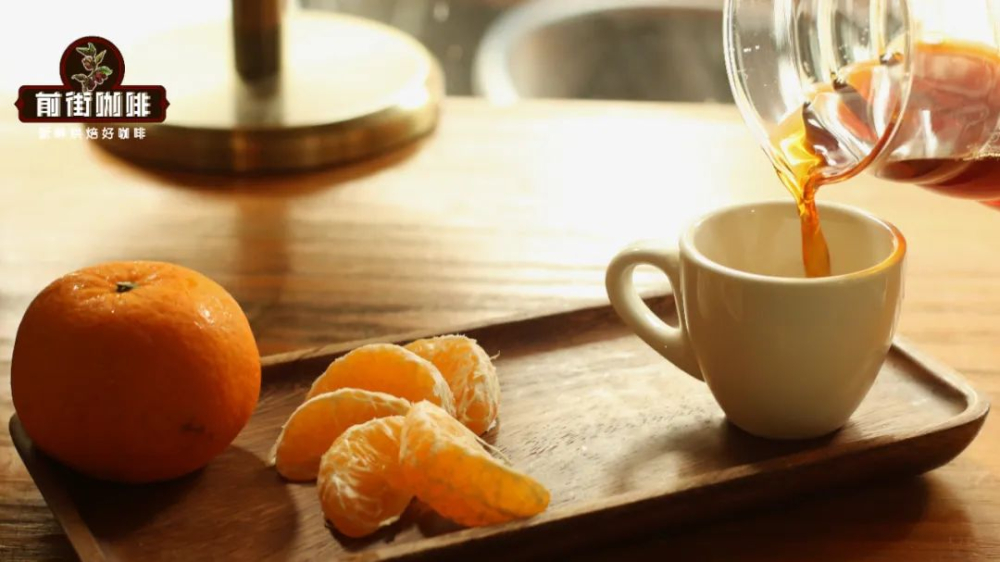
With coffee, though, we often marvel at how rich these fruit flavors are and wonder why they appear in the drink at all. After all, is it not just ground dark beans steeped in water? What possible connection could it have to all those fruits?
Coffee, in essence, is a fruit. Different growing regions, varieties, and climatic factors all affect its quality and flavor, as many friends already know. What matters here is that most fruit aromas are not present from the beginning; they are transformed during an extremely short ripening period. This is also why more and more farmers are now required to harvest only fully red cherries, aiming for the fullest sweetness and aroma in the coffee.

The Science of Fruit Aromas
During the growth phase, fruits store carbohydrates in the form of starch granules inside their cells, while the enzyme systems responsible for providing conversion enzymes prepare to go to work. During the ripening phase, the breakdown of carbohydrates increases sugars such as glucose, softens the fruit's texture, and simultaneously produces numerous ester-based and carbon-based aromatic compounds.
Coffee is no different. Each green bean contains 60% carbohydrates, 10% protein, and 10-15% fat, along with components such as chlorogenic acid, caffeine, and trigonelline. The reason coffee has "fruity flavors" ultimately comes down to the many aromatic compounds it contains that resemble fruit aromas, mostly esters, ketones, and alcohols. Fatty acids, terpenes, and amino acids, for example, are all sources of fruit aroma pre-stored in green beans.
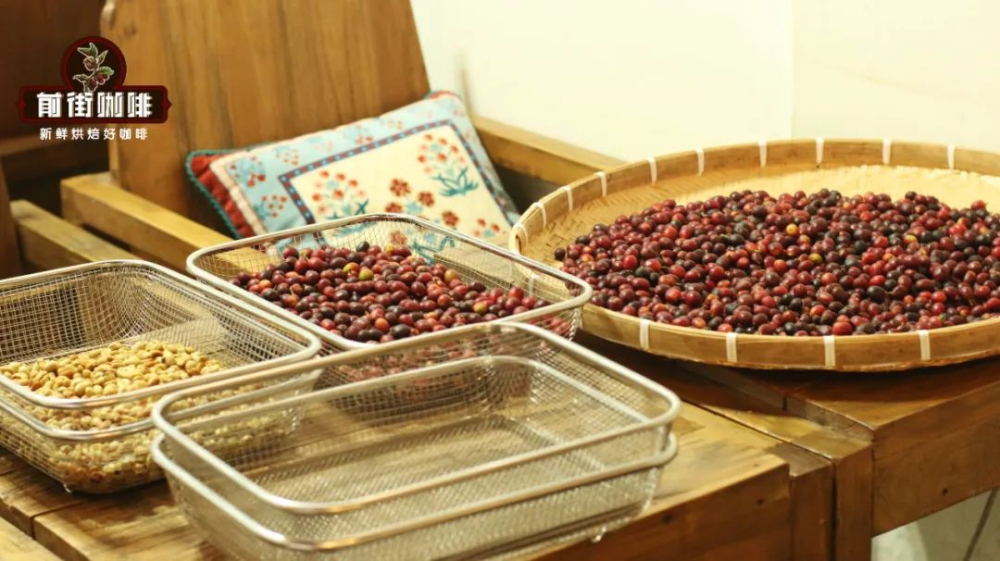
Have you ever smelled green coffee beans? They do not carry the captivating coffee aroma we know, let alone any tempting fruit flavors. FrontStreet Coffee finds they have only a faint grassy, grain-like scent.
In fact, the aromatic compounds FrontStreet Coffee mentioned above are stored in green beans in a stable, "hidden" form. Roasting is the key that truly converts them into volatile aromas, mainly through the Maillard reaction and caramelization.
The Magic of Roasting
When green coffee beans are heated to a certain degree, they begin to undergo complex degradation and polymerization reactions. The amino acids that make up proteins in green beans, together with reducing sugars such as glucose, fructose, and lactose, keep generating aromatic compounds through the sustained heating. In this process, more than 600 volatile aromatic compounds are produced within the beans.
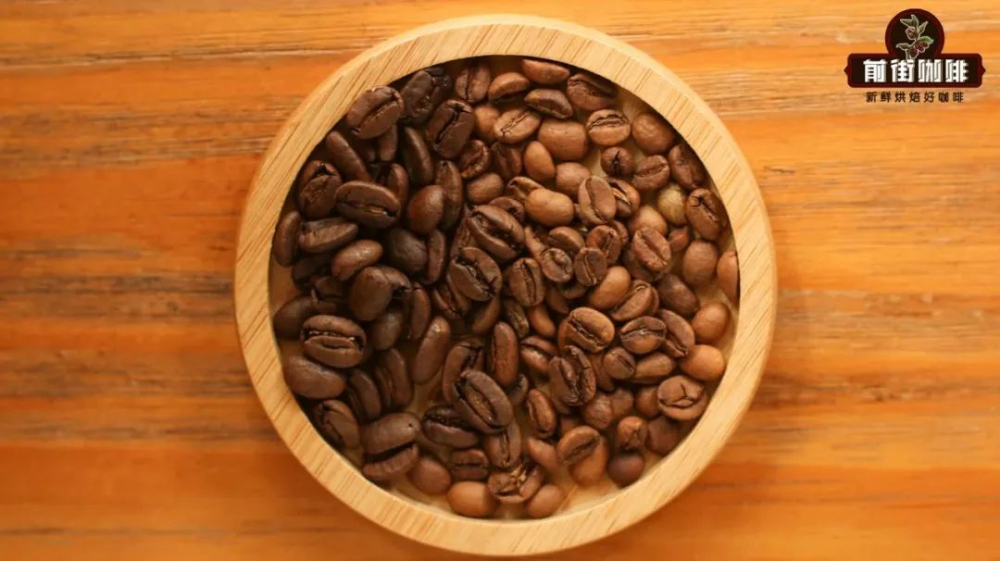
As the reaction time accumulates, coffee first develops fresh floral and fruit notes, then transitions to mellow, deep fruity-floral profiles, followed by rich nutty and fermented notes, and finally caramelized compounds. The floral and fruit aromas produced earlier gradually disappear along the way. This also explains why it is hard to detect floral-fruity flavors in dark roast beans: if you are after those notes, it is best to choose coffee at medium to light roast levels.
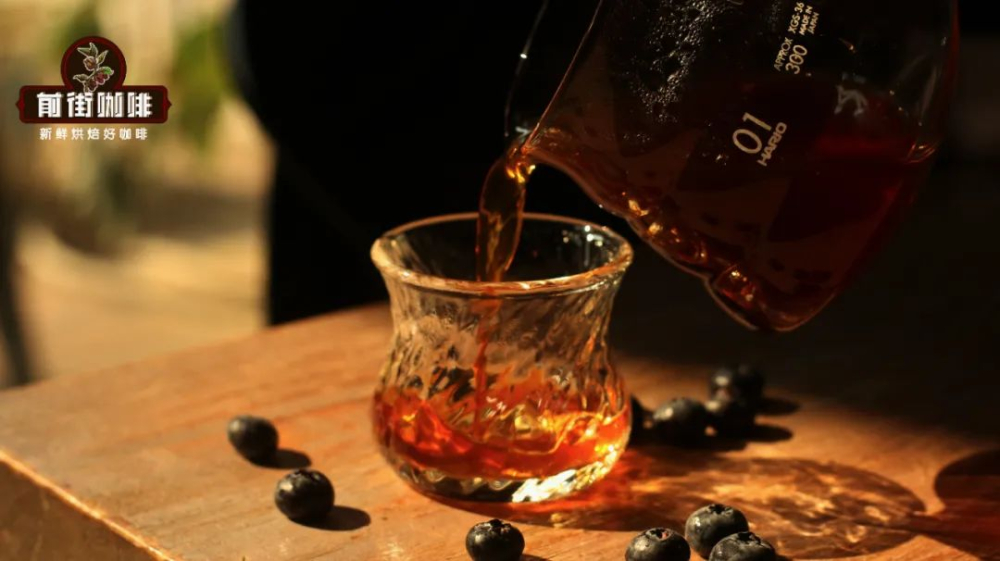
Of course, medium to light roast levels not only affect how much light aromatic material is converted but also determine higher levels of various organic acids in the coffee, including citric acid, malic acid, and lactic acid, which means the brewed cup will fall within the "acidic" spectrum.
The Final Step: Brewing
Brewing is the final step in flavor expression. Across the journey from seed selection, cultivation, processing, and roasting to brewing, the earlier stages have the greater impact on coffee flavor. By the time we reach brewing in the later stage, the effect on flavor is relatively small. Under the combined influence of olfactory sensations from various fruit or floral compounds and our perception of acid quality, our brains connect the experience to memories of eating certain fruits.
- END -
FrontStreet Coffee
No. 10, Bao'an Qianjie, Yandun Road, Dongshankou, Yuexiu District, Guangzhou, Guangdong Province

FrontStreet Coffee Recommendation
Because floral and fruity notes come through best at medium and light roast levels, a quick, aroma-focused pour is the way to enjoy them. FrontStreet Coffee's Ethiopia Hualui is one of the most successful stars of the recent specialty market: its tropical fruit aroma is extremely prominent, with strawberry, passion fruit, jackfruit, and even lychee, plus clear sweetness and almost no bitterness, which is why many people call it "the coffee that tastes least like coffee."
If you want a softer, more welcoming entry, the Ethiopia Yirgacheffe Gudingding carries bright citrus and berry aromas with jasmine and a green-tea-like finish, and its acidity is gentle and bright rather than sharp, closer to the sweet-and-sour of fresh fruit. For a more refined floral character, the Panama Emerald Estate Red Label Geisha shows elegant jasmine alongside citrus, bergamot, and a fine black-tea tone, with a clean, transparent body and a long, layered aftertaste.
Important Notice :
FrontStreet Coffee is a long-established specialty coffee roaster in Guangzhou China, selling freshly roasted beans from its own farm in Yunnan as well as dozens of carefully selected single-origin beans from around the world for both pour-over and espresso. The products deliver consistently excellent quality and great value, with shipping within 24 hours. Guangzhou's FrontStreet Coffee shop is recommended by many coffee lovers, and the beans are now available online at the Tmall 。
FrontStreet Coffee has moved to a new address:
FrontStreet Coffee Address: 315,Donghua East Road,GuangZhou
Tel:020 38364473
 Scan and follow the En Gafei WeChat official account. Please indicate that the reprint comes from "En Gafei".

