
Why Does FrontStreet Coffee Always Use Three-Stage Pour-Over Brewing? What Are the Advantages of Three-Stage Compared to Single-Pour Methods?
The Philosophy Behind Three-Stage Pour-Over Brewing
Pour-over extraction has branched into countless methods: one-pour techniques, the 4:6 method, the volcano pour, Kono-style brewing, and many more. All of these open up new possibilities for experimentation. Yet FrontStreet Coffee deliberately sticks with three-stage brewing. That puzzles plenty of people: "With so many methods out there, why commit to just one?" Or: "Wouldn't this particular bean taste better brewed another way?"
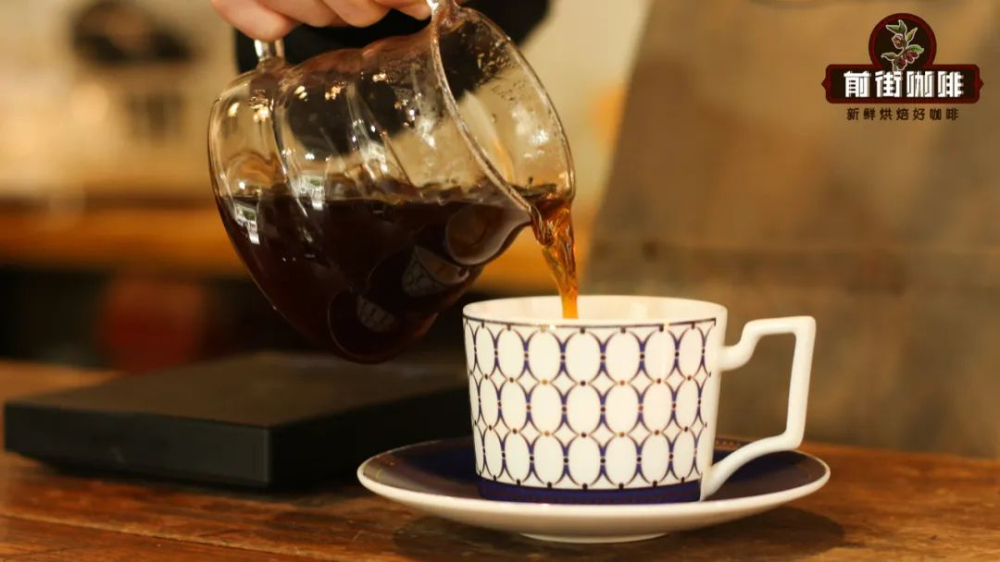
Why FrontStreet Coffee Sticks to Three-Stage Brewing
It's true that different methods draw different expressions out of coffee - one might make it richer, another sweeter. These theory-driven methods really do work. But three-stage brewing isn't meant to showcase every trait of every bean, and it won't always make a cup sweeter. FrontStreet Coffee chose it for two other reasons: broad applicability and extremely high reproducibility.
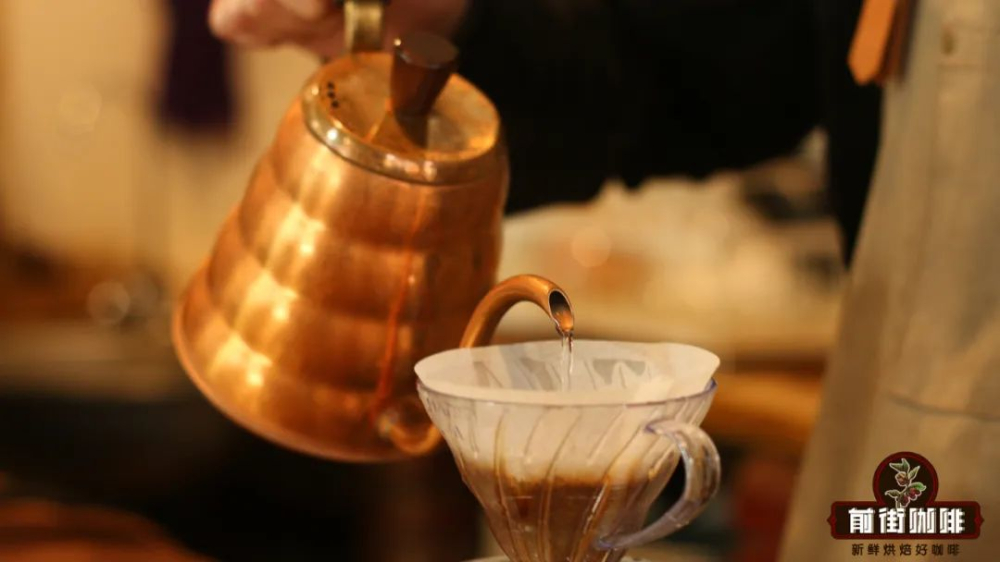
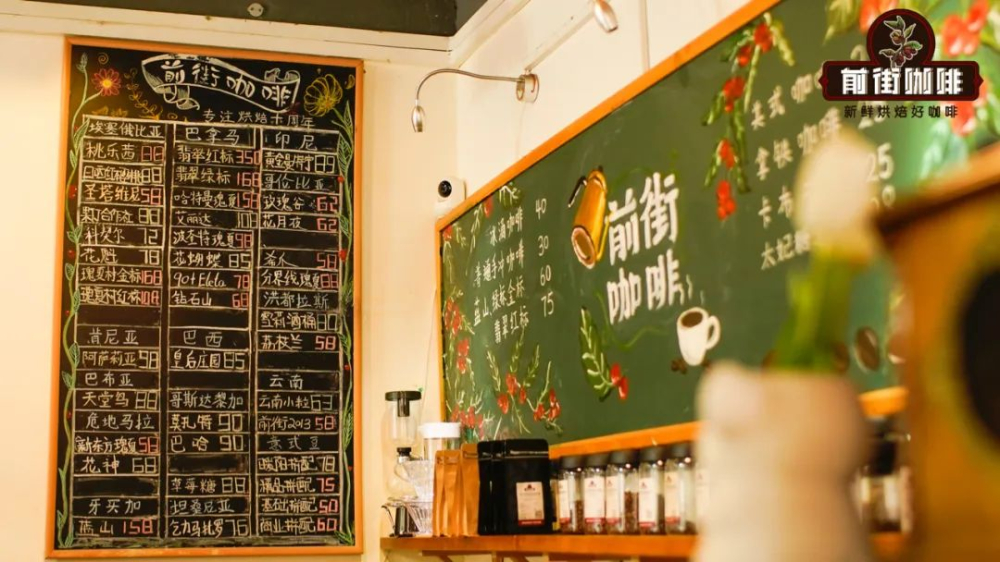
Every method carries its own theory and parameter set. Anyone who has visited FrontStreet Coffee's shop knows the blackboard menu lists dozens of beans. To let every one of them show "what we consider its best character," we would need a dedicated method for each - and behind each method, a whole series of parameter tweaks.
So FrontStreet Coffee needed one simple, clear method that could handle most beans: pull out most of what each bean offers, while staying easy for customers to replicate at home. Three-stage brewing does exactly that. Dark or light roast, conventional or anaerobic processing, it produces a cup with both excellent mouthfeel and flavor - and it demands very little technique or parameter tuning, so beginners can get a good cup on their first try.
What Is Three-Stage Brewing?
As the name suggests, the total water volume is split into three stages. Many people mistakenly believe three-stage brewing doesn't include a bloom - it does. The first stage is the bloom; the remaining two are the main extraction pours. What people often call "three-stage without a bloom" is actually the three-pour method, which cuts the pouring into three pours for a four-stage technique overall.
The Advantages of Three-Stage Brewing
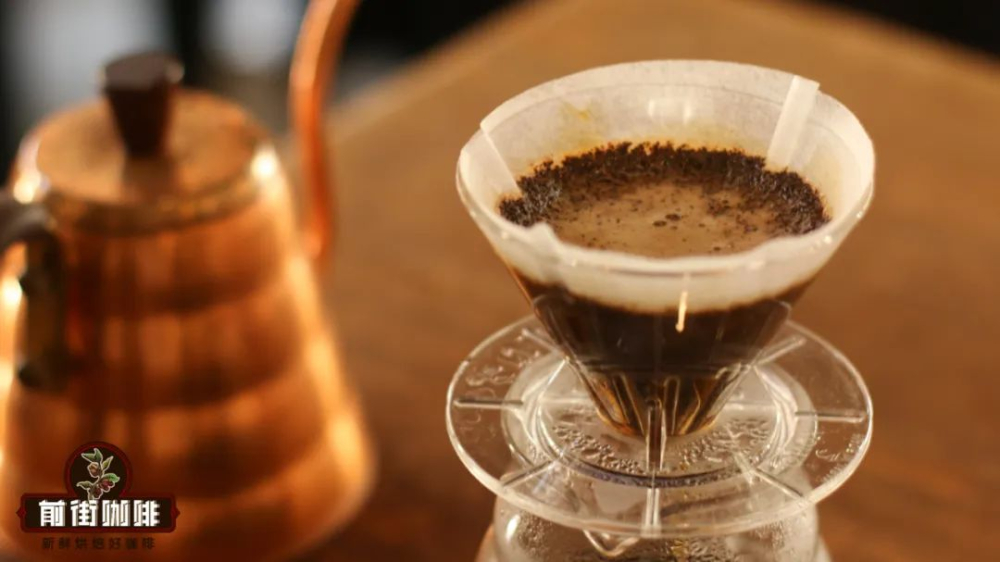
The advantages are obvious: it doesn't require precise flow control or deep theoretical mastery. Learn the general pouring pattern and parameters, and you can brew a balanced cup. Compare that with the one-pour method, which looks simple (after the bloom, pour all the remaining water at once) but is genuinely hard to execute - if your flow is off, the extraction time runs too short or too long, and with no chance to correct it, you simply wait for an under- or over-extracted cup. Other methods share this weakness: the water flow is hard to read mid-brew, and even when you can read it, correction is difficult.
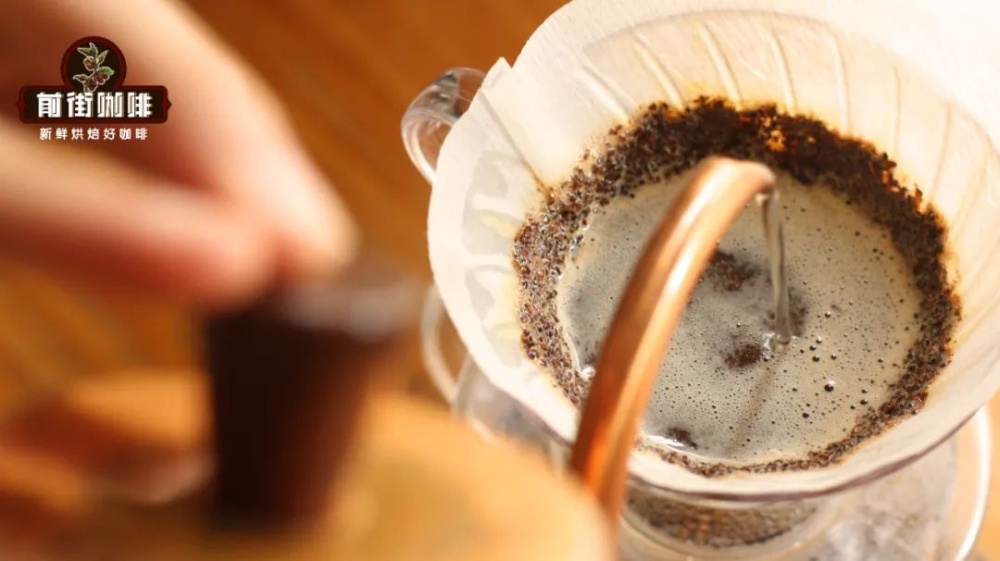
Three-stage brewing lets you watch the flow and correct course in real time. After the second pour, watch how fast the water drains and judge whether that rate suits the dose and the target time. If the second stage drains too quickly, slow your third pour to stretch the extraction, raise the extraction yield, and dodge under-extraction. If the level drops too slowly, speed up the third pour to shorten contact time and avoid the stale bitterness of over-steeping.
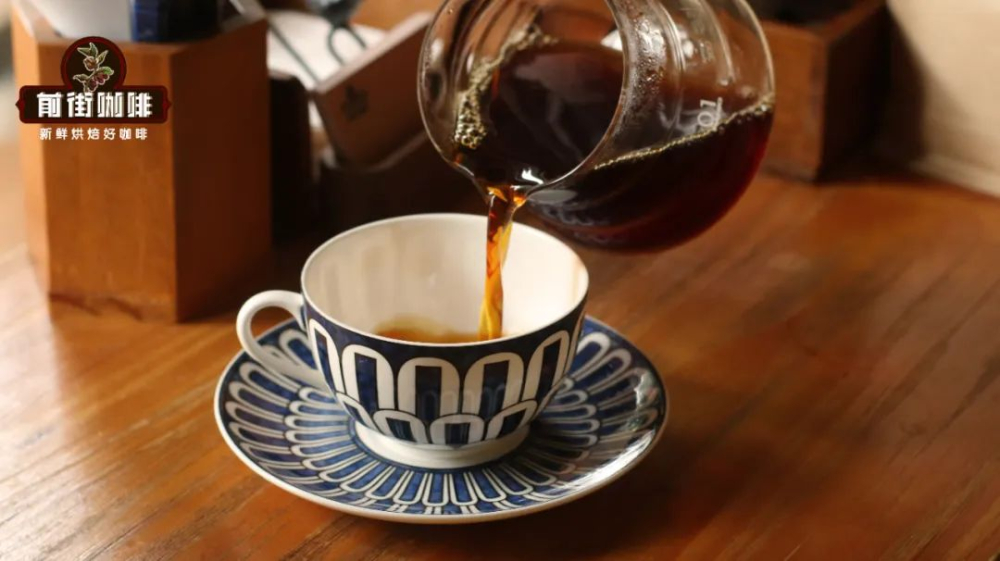
Beyond the generous margin for error, three-stage pouring expresses a bean's flavor characteristics clearly, and the temperature shifts between pours build extra layers and a fuller mouthfeel. That's why FrontStreet Coffee has stayed devoted to three-stage brewing. (Note: devoted, not incapable - we can absolutely brew other ways.)

FrontStreet Coffee
No. 10, Bao'an Qianjie, Yandun Road, Dongshankou, Yuexiu District, Guangzhou, Guangdong Province
FrontStreet Coffee Recommendation
Three-stage brewing shines brightest with the floral-and-fruit roasts that made the V60 famous. FrontStreet Coffee's Ethiopia Guji Huaguang (the "Huakui" natural) is a standout: explosive tropical fruit - strawberry, passion fruit, jackfruit, even lychee - with pronounced sweetness, almost no bitterness, and a juice-like body that earned it the nickname "the coffee that doesn't taste like coffee." With its quick, layered extraction, the V60 plus a three-pour recipe shows it at its best.
If you lean toward cleaner florals, FrontStreet Coffee's washed Yirgacheffe Guodingding offers bright citrus, berry notes, jasmine, and a green-tea finish. And when the day calls for something heavier, the same three-stage method (with water around 87-88°C and a coarser grind) turns FrontStreet Coffee's PWN Golden Mandheling into a thick, low-acid cup of dark chocolate, caramel, and wild herbs.
Important Notice :
FrontStreet Coffee is a long-established specialty coffee roaster in Guangzhou China, selling freshly roasted beans from its own farm in Yunnan as well as dozens of carefully selected single-origin beans from around the world for both pour-over and espresso. The products deliver consistently excellent quality and great value, with shipping within 24 hours. Guangzhou's FrontStreet Coffee shop is recommended by many coffee lovers, and the beans are now available online at the Tmall 。
FrontStreet Coffee has moved to a new address:
FrontStreet Coffee Address: 315,Donghua East Road,GuangZhou
Tel:020 38364473
 Scan and follow the En Gafei WeChat official account. Please indicate that the reprint comes from "En Gafei".

