
How Should Champion Sidra Coffee Beans Be Brewed? What Should You Pay Attention to When Extracting Sidra from Colombia's Finca El Diviso?
As the champion bean of the 2022 brewing competition, Sidra has drawn a lot of attention. Yet many readers have told us that the Sidra they brew tastes rather bland and not as full-bodied as they expected. Today, FrontStreet Coffee is back to share how to brew Sidra so it delivers its best flavor.
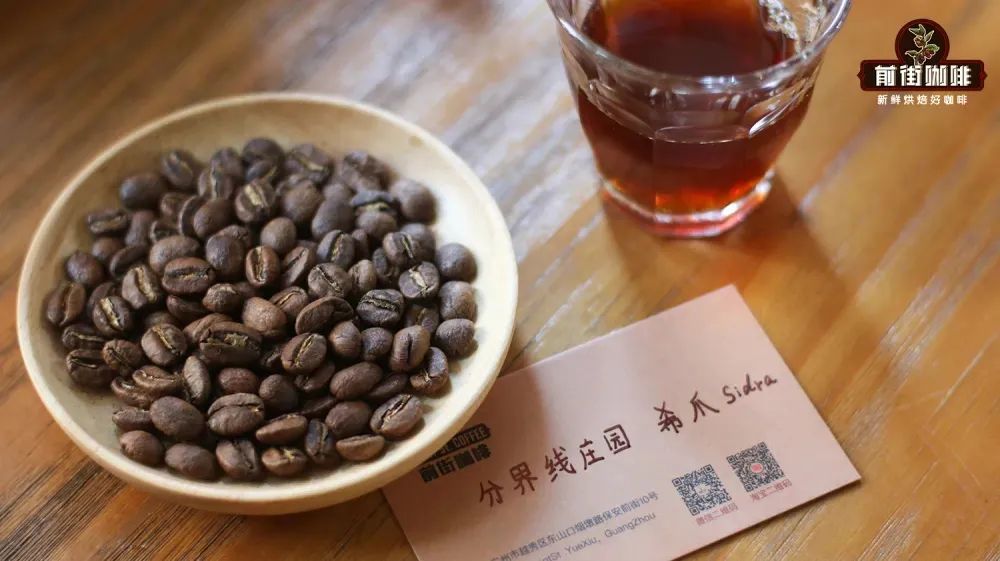
Our Sidra comes from Finca El Diviso in Colombia, processed with the double anaerobic natural method. It is precisely this method that lets the naturally fruity Sidra develop even richer fruit aromas. Its prominent, charming flavors of grape, passion fruit, and apricot have allowed it to shine in world competitions, and many enthusiasts are won over the moment they taste it. We have already given a detailed treatment of Sidra in a previous article, so here let's focus on what this double anaerobic natural process actually is.
Double Anaerobic Natural Processing
You are probably already familiar with the natural process. Mature coffee cherries are dried and sun-dried directly until moisture content drops to about 11%, at which point they can be hulled and deseeded. Naturally processed beans carry abundant fruit aromas with a subtle fermented character. Anaerobic fermentation adds an anaerobic step to the natural process: the cherries go into barrels, air is extracted for fermentation, and then the sun-drying steps proceed. Double anaerobic natural processing splits that anaerobic step into two stages, before and after, allowing better control over the fruit's fermentation time and steering the beans toward the desired flavor development.
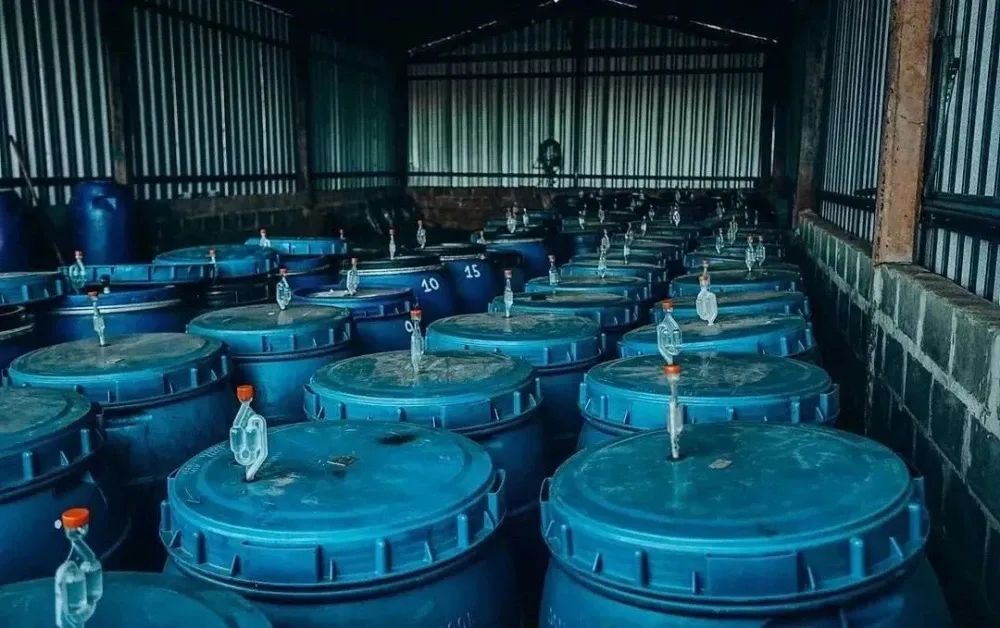
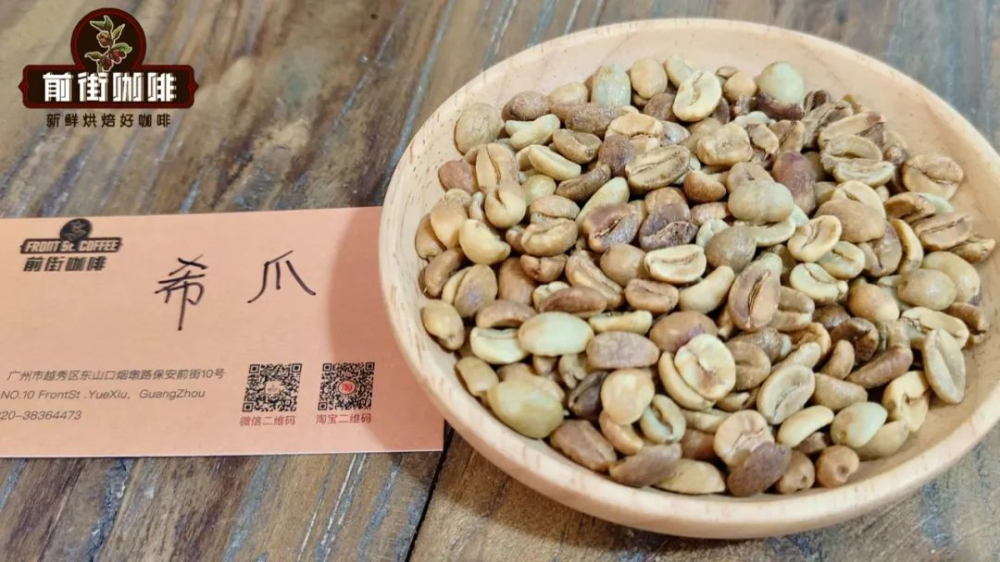
During the anaerobic process, the degree of fermentation varies from bean to bean, resulting in different colors on the bean surface as the candied-fruit layer is preserved to different degrees. After roasting, the surface displays different colors depending on how much candied fruit remains. Beans with less candied fruit look lighter, while beans with more show darker surfaces from caramelization. Now let's move on to brewing the Sidra.
Brewing Preparation
If your Sidra tastes bland and thin like the readers who wrote in, it is under-extracted. This is most likely caused by water temperature and grind size, so adjusting those two variables is how we brew a properly extracted Sidra with the right flavor. Let's start with grind size, where most problems arise. The internal structure of anaerobically processed beans becomes quite loose after heavy fermentation, so if we use a grind size intended for regular processing, the flow rate runs too fast and extraction is incomplete, leaving the whole cup thin in texture and bland in flavor because the concentration has been diluted by under-extraction.
So we should grind slightly finer than our usual setting to slow the water flow and allow more complete extraction. At FrontStreet Coffee, we use setting 10 on the EK43 for regular light-roast beans, but with anaerobic beans like Sidra we go 0.5 finer, to setting 9.5 on the EK43.
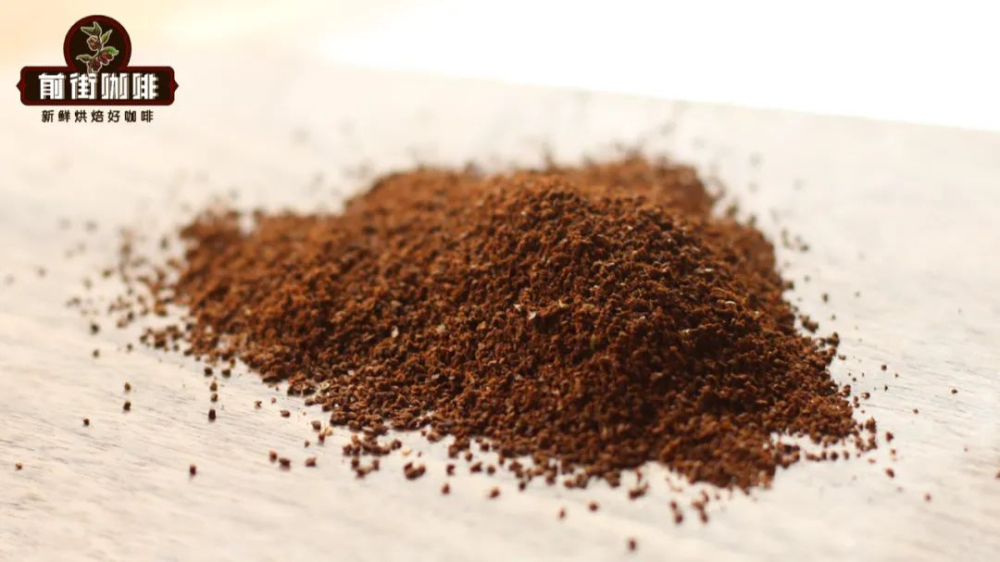
As for water temperature, since Sidra is a medium-light roast, we use 92°C combined with the finer grind, which puts extraction efficiency right where it should be. The dose is 15 g at a 1:15 ratio, meaning 225 ml of hot water is poured. That ratio releases Sidra's flavors nicely without over-diluting, and a three-stage pour makes the coffee's layers more prominent.
Brewing Process
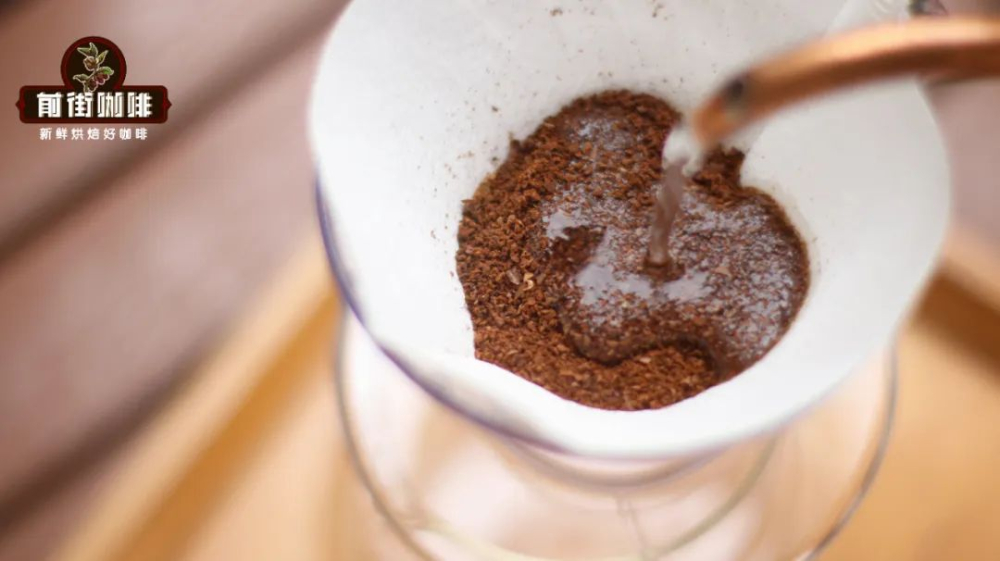
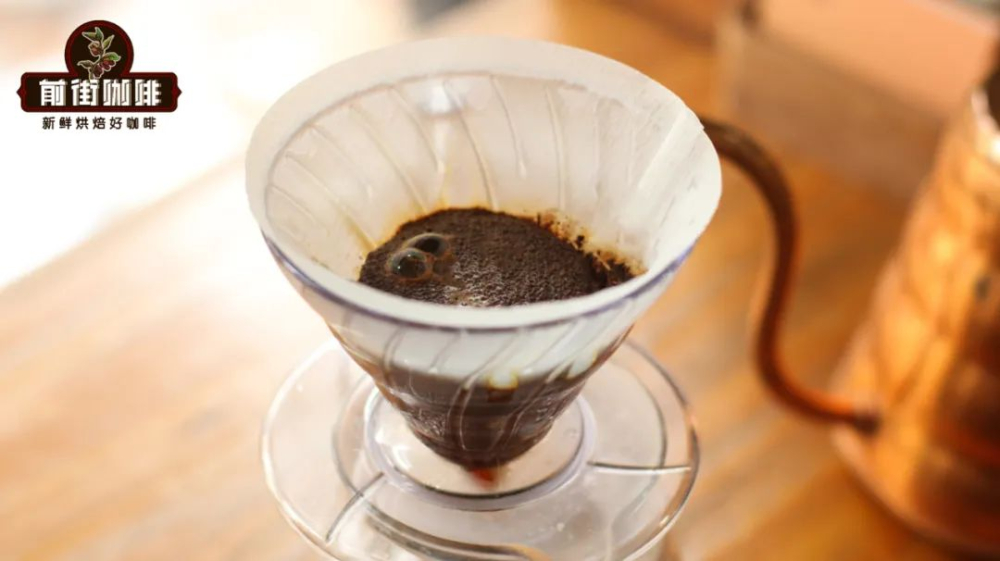
First comes the bloom. Pour twice the coffee's weight in water from the center of the filter, that is 30 ml of hot water, for a 30-second bloom. Visually, because anaerobic beans are so loose, the bed blooms and degasses very dramatically.
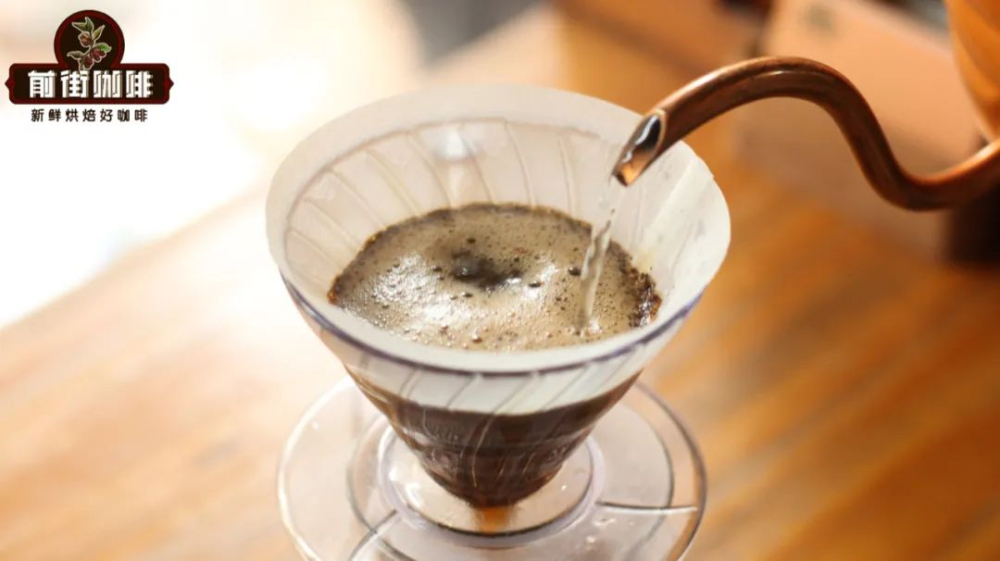
Once the bloom ends, pour the second portion of hot water. This portion is 120 ml, poured in even circular motions from the center outward until it is all in. Note that this stage should use a small flow to avoid raising the coffee bed too high, which would speed up drainage and leave the coffee thin.
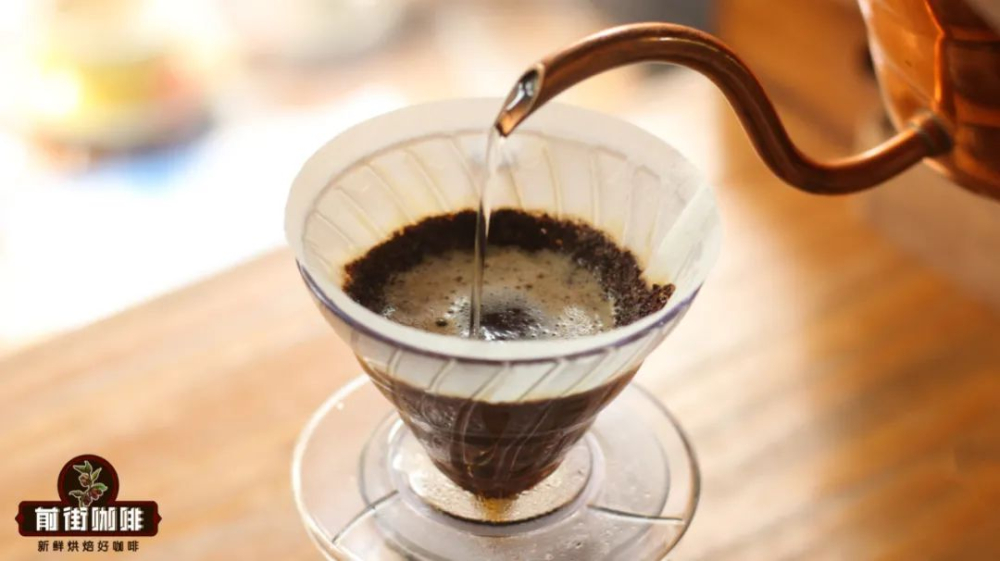
When the water level is about to bottom out, pour the final portion. This last pour is done with a large flow in circular motions at the center of the coffee bed, keeping the circle about the size of a coin.
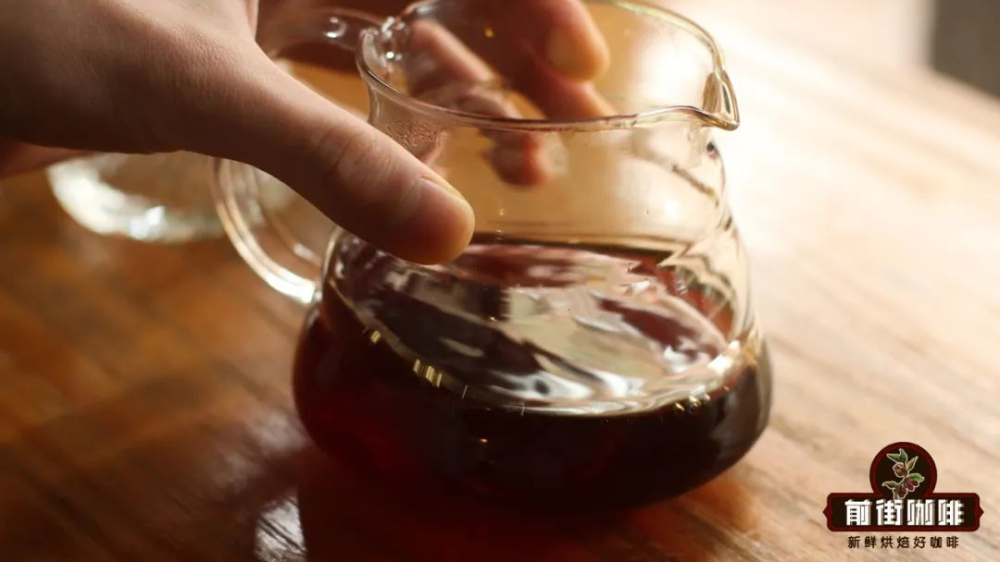
Once the coffee has finished dripping, remove the filter, swirl the liquid, and enjoy your delicious Sidra.
- END -

FrontStreet Coffee Recommendation
Brewing Sidra well is all about giving a fermented, fruity bean the time and temperature it needs, and FrontStreet Coffee Colombia Sidra from Finca El Diviso is exactly the bean this guide is written around: grown at 1,650-1,800 meters, double anaerobic natural, and medium-light roasted to preserve its raw fruit character, it opens with jasmine and citrus in the dry aroma and pours out passion fruit, blueberry, grape, and apricot before a lasting cocoa-sweet finish.
If you would like a cleaner Colombian counterpoint to the same origin, FrontStreet Coffee Colombia Huila is a medium-dark roasted washed coffee that leans into dark chocolate and nutty sweetness with moderate oils and a full body, and it works across pour-over, French press, moka pot, and espresso machine for Americanos and lattes.
Important Notice :
FrontStreet Coffee is a long-established specialty coffee roaster in Guangzhou China, selling freshly roasted beans from its own farm in Yunnan as well as dozens of carefully selected single-origin beans from around the world for both pour-over and espresso. The products deliver consistently excellent quality and great value, with shipping within 24 hours. Guangzhou's FrontStreet Coffee shop is recommended by many coffee lovers, and the beans are now available online at the Tmall 。
FrontStreet Coffee has moved to a new address:
FrontStreet Coffee Address: 315,Donghua East Road,GuangZhou
Tel:020 38364473
 Scan and follow the En Gafei WeChat official account. Please indicate that the reprint comes from "En Gafei".

