
How Much Caffeine Is Actually in a Cup of Coffee? What's the Maximum Daily Intake? What Are Its Effects on the Body?
Coffee drinkers generally fall into two camps: those who drink it for the stimulating, mind-awakening effect, and connoisseurs who savor it for its flavor. There are also those who, having discovered its deliciousness through the first motivation, gradually turn it into a daily necessity.
This actually reveals a common misconception. Most people who drink coffee for the caffeine assume coffee contains the most caffeine, thinking "after all, it is called caffeine, right?" In reality, that is not true. Tea actually contains more caffeine, with tea leaves holding twice as much as coffee beans. That explains why one cup of coffee may not keep us awake, while a cup of milk tea can leave us up until morning.

Getting slightly off topic, what most people care about are questions like how much caffeine a cup of coffee really contains and how many cups a day is reasonable. Let FrontStreet Coffee answer those. First we need to know how much caffeine coffee contains.
How Much Caffeine Is in Coffee Beans?
Coffee is a beverage brewed from coffee beans. Without knowing the caffeine content of the beans, how can we determine the caffeine in the cup? It sounds circular, but that is the truth. Different varieties have different caffeine contents. The commercially valuable coffee varieties fall mainly into two groups, Arabica and Robusta. Arabica contains around 0.9% to 1.4% caffeine, averaging 1.3%, while Robusta carries twice that dose, around 2% to 4%, averaging 3%.
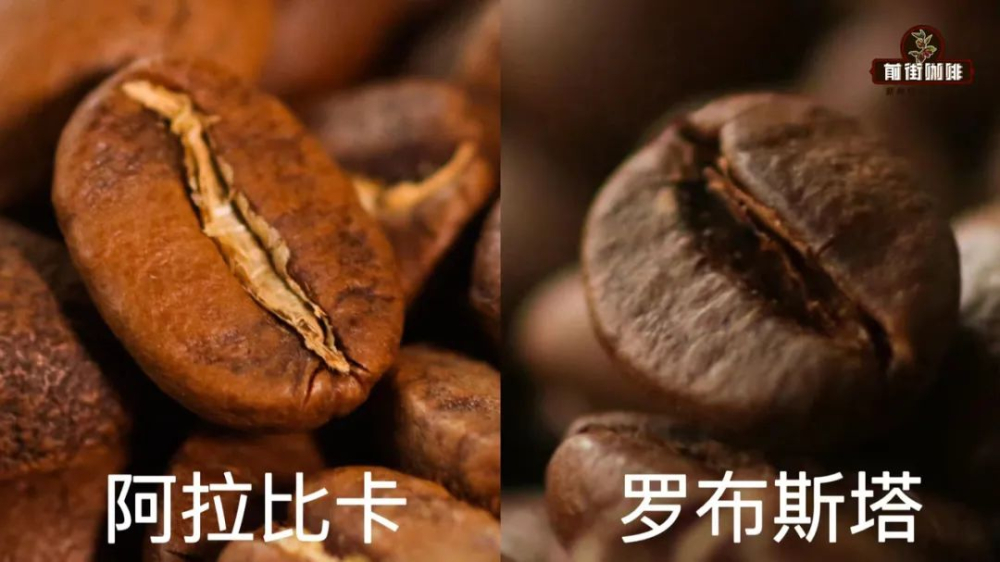
These figures fluctuate because coffee beans change when grown in different regions and environments. What is more, varieties with extremely low caffeine have been developed. Their caffeine content is about half that of regular Arabica varieties, which is why people call them "decaf coffee."
How Much Caffeine Is in a Cup of Coffee?
Most readers probably understand how to calculate this by now. You can work out the peak caffeine content by taking the amount of coffee beans used in grams and multiplying it by the average caffeine content of that variety. For example, if 15 g of coffee powder is used to extract a cup of pour-over, the peak calculation is 15 g times 1.3%, the Arabica average, giving roughly 195 mg of caffeine in that cup.
It is important to know, though, that this is the peak value, not the actual caffeine content. That cup would need to extract all the caffeine from the beans to contain 195 mg. The real figure is much lower. FrontStreet Coffee points this out because caffeine is a soluble substance. A coffee bean contains 30% soluble substances, but we do not need to extract all 30%. Typically we extract only 18% to 22%. If all 30% were extracted, the whole cup would be unbearably bitter. Caffeine is a bitter substance, and as FrontStreet Coffee has shared before, although bitter substances are released throughout the extraction, their rate is much slower than that of acidic and sweet substances. The higher the extraction efficiency, the more caffeine the cup contains. So by normal extraction efficiency, a cup of pour-over made with 15 g of powder should actually contain about 60 to 90 mg of caffeine.
Caffeine Content Across Brewing Methods
Applying these conclusions to other methods, we can estimate their caffeine content from their extraction time and efficiency:
A cup of cold brew coffee (200 ml / 20 g beans / 12 hours) contains approximately 200 mg of caffeine.
A cup of French press coffee (225 ml / 15 g beans / 5 minutes) contains approximately 120 mg of caffeine.
A cup of pour-over coffee (225 ml / 15 g beans / 2 minutes) contains approximately 60 to 90 mg of caffeine.
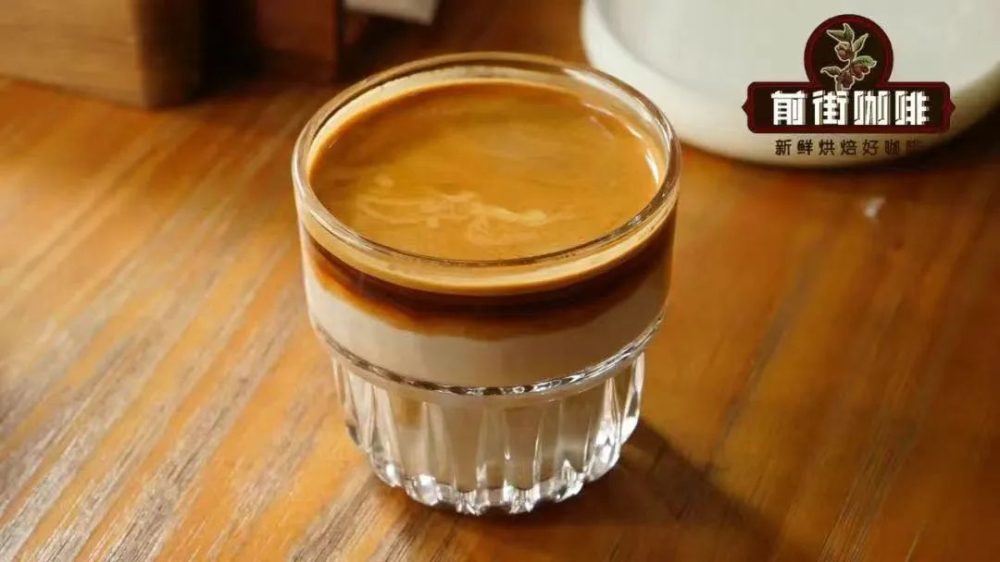
A shot of espresso (30 ml / 15 g beans / 30 seconds) contains approximately 85 mg of caffeine.
Note: espresso-based drinks such as lattes, cappuccinos, Dirty and Americanos are all built on espresso. So unless the espresso content is reduced, their caffeine content is equivalent to that of espresso.
How Many Cups of Coffee Can You Drink Per Day?
This has been a popular topic lately. Research suggests an adult's daily caffeine intake should not exceed 400 mg. That means as long as consumption stays below that value, there should be no problem. Taking the average caffeine content of a cup of pour-over as 80 mg, you just need to keep your daily pour-over intake within 5 cups and there will be no issue, though few people actually drink more than five cups.
- END -
FrontStreet Coffee Recommendation
Because caffeine is set mainly by variety, choosing Arabica is the first step for anyone watching their intake, and within Arabica the options are wide. The FrontStreet sun-dried Huakui and the FrontStreet washed Gutingding Cooperative are two clear standouts. Huakui uses the classic natural process and shows cream strawberry, mango, jackfruit, citrus and blueberry flavors, the ripe tropical profile that made it a TOH green-bean competition winner, while Gutingding is graded Ethiopia's top G1 and shows elegant white florals, citrus, orange and green tea.
If you prefer a fuller, less acidic cup, the FrontStreet Jamaica Blue Mountain No. 1 is the classic balanced option, built on the Typica variety and walking the line between acidity, sweetness, bitterness and aroma, with cream, caramel, chocolate, nuts, honey and a hint of fruit. And for the variety at its most delicate, the FrontStreet Panama Red Label Geisha shows jasmine, citrus, peach and mixed-fruit acidity with a creamy body and an oolong-tea finish, a reminder that the flavors worth the cup have little to do with its caffeine.
Important Notice :
FrontStreet Coffee is a long-established specialty coffee roaster in Guangzhou China, selling freshly roasted beans from its own farm in Yunnan as well as dozens of carefully selected single-origin beans from around the world for both pour-over and espresso. The products deliver consistently excellent quality and great value, with shipping within 24 hours. Guangzhou's FrontStreet Coffee shop is recommended by many coffee lovers, and the beans are now available online at the Tmall 。
FrontStreet Coffee has moved to a new address:
FrontStreet Coffee Address: 315,Donghua East Road,GuangZhou
Tel:020 38364473
 Scan and follow the En Gafei WeChat official account. Please indicate that the reprint comes from "En Gafei".

