Can a Dripper Also Adjust Flow Rate? An Introduction to Usage Tips for the Hero Variable Speed Cake-Shaped Flat-Bottom Dripper

Last week, while browsing online, we at FrontStreet Coffee came across a flat-bottom dripper that seemed to serve several purposes at once, and we were curious enough to buy one. It is the Variable Speed Cake Dripper launched last year by the coffee equipment brand Hero. Today, let's talk about our experience using it.
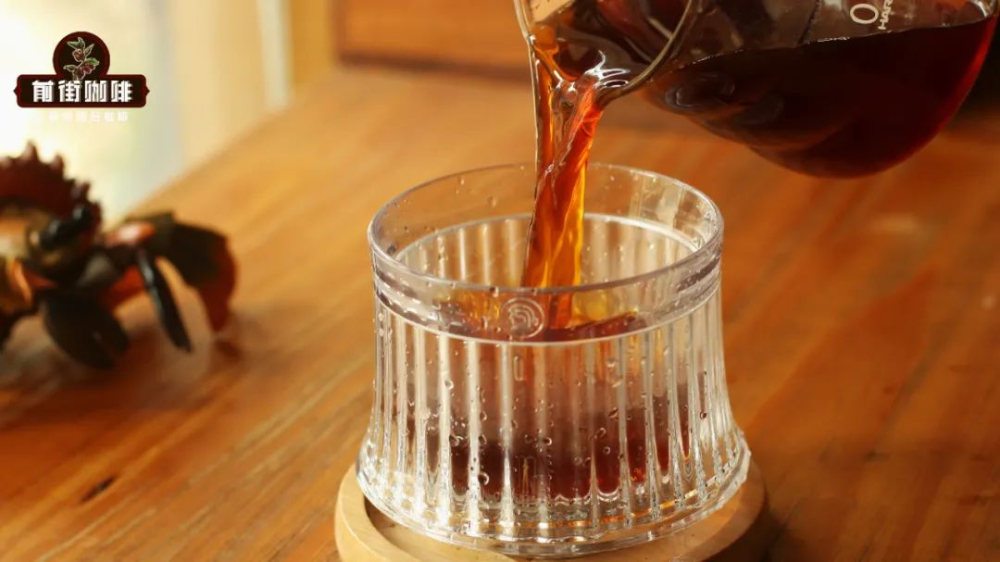
According to users who had already bought it, this Variable Speed Cake Dripper offers three extraction modes that brewers can switch between at will. The flat-bottom design is very friendly to beginners: it can be used as a clever-style dripper, and it can also double directly as a coffee cup.
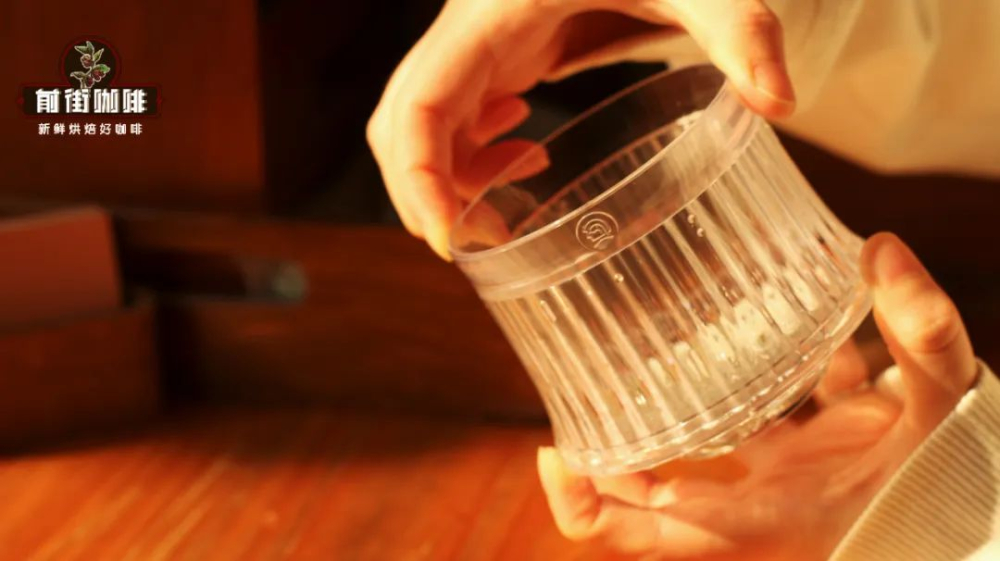
Once we got our hands on it, we examined the dripper closely. It has a double-layer structure with manual rotation control and is designed for use with 185 cake-shaped filter paper to brew 1-2 servings. The material is PCTG composite plastic, so it does not get hot in use.
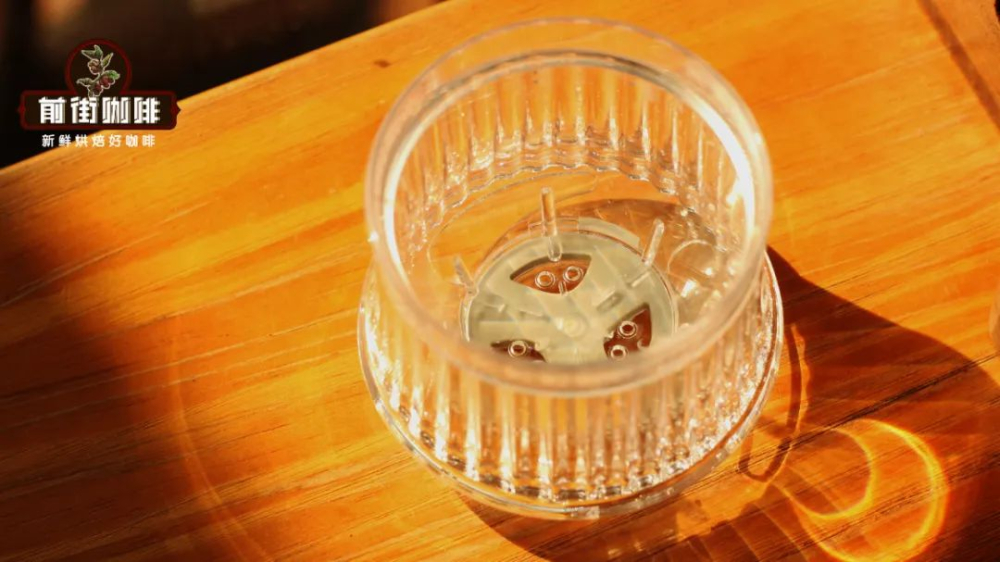
The outer layer has a slightly flared Roman column shape, with three connected support ribs at the bottom. Looking down at the drain holes, they appear as several separate small sectors. The inner layer is a smooth surface that is vertical at the top and converges at the bottom. Six short ribs connect the cup wall to the base, with six small holes about 0.3 cm in diameter distributed below. Every two holes sit close together, and between them are three protruding ribs roughly 0.5 cm long for flow guidance.
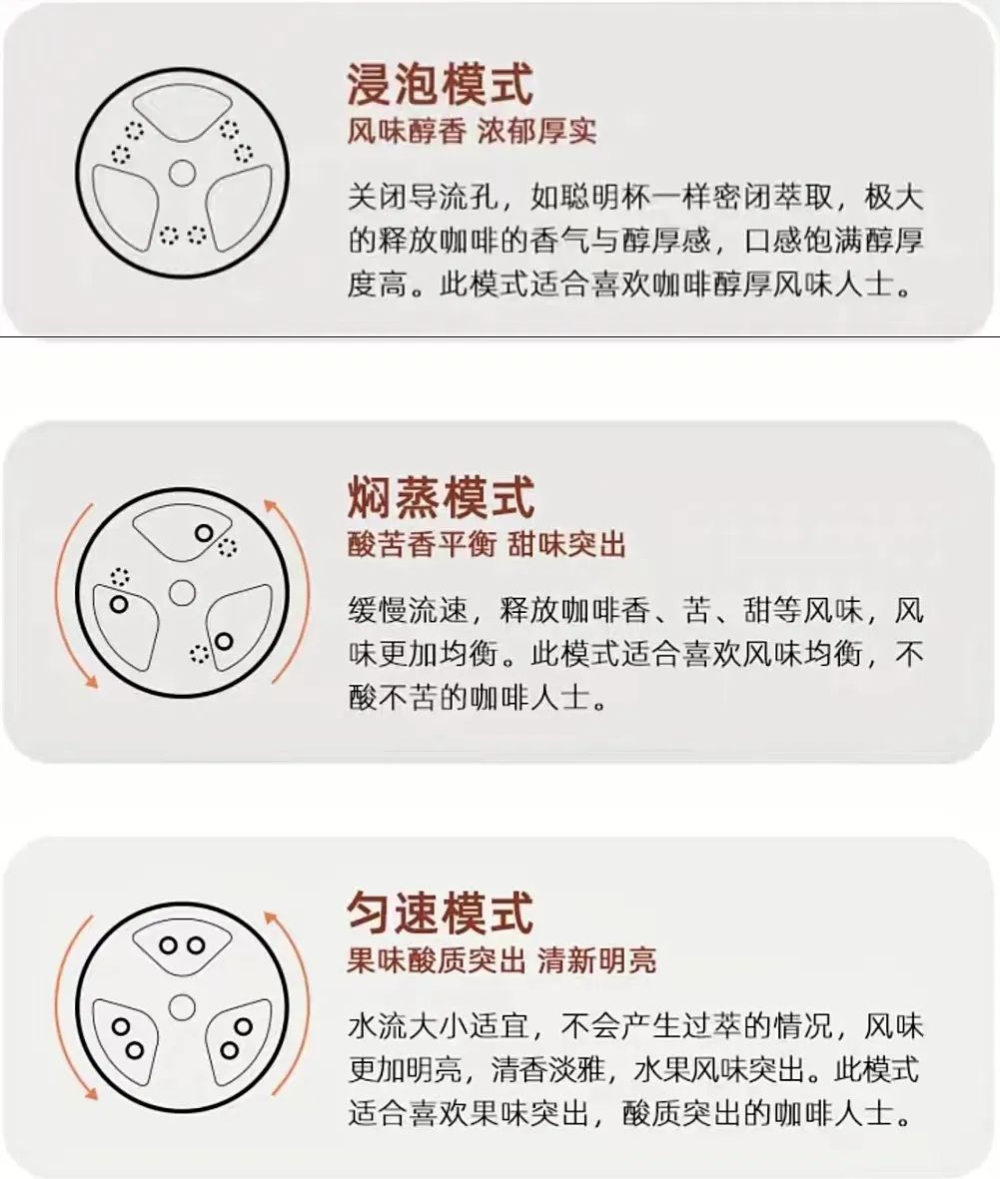
The rotating part is the topmost ring, which can be turned left or right to change the water flow setting. Rotated to the "Flow Stop" position on the side, all drainage holes at the bottom are closed and the coffee sits in immersion extraction, like a clever dripper. Switched to "One Gear Slow Speed," three holes open to drain, and extraction runs in a blooming mode. Turned further counterclockwise to "Two Gear Uniform Speed," all six holes participate in drainage and the coffee is in uniform-speed extraction mode.
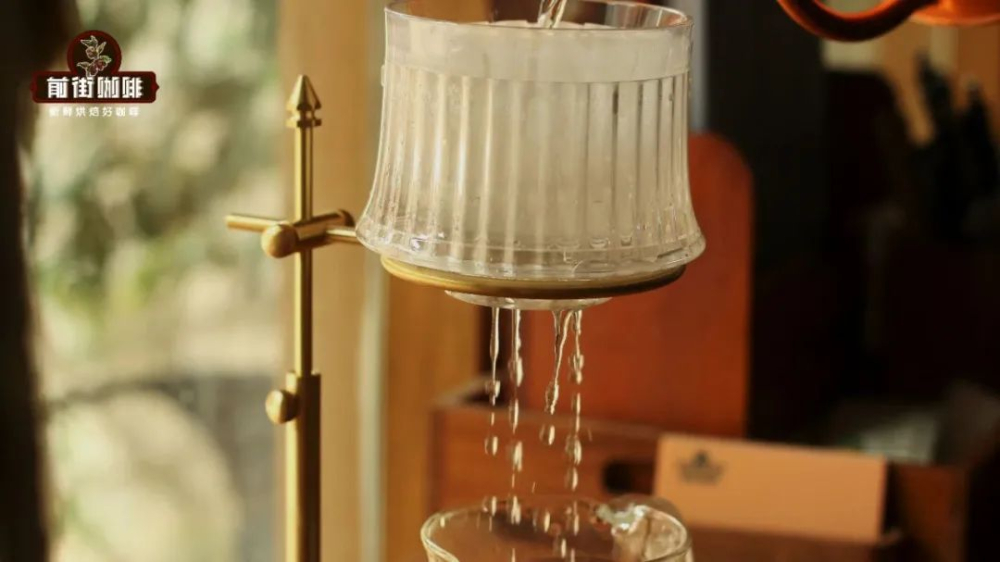
Testing the Flow Speed
With no coffee grounds in the dripper, we first tested the flow speed of its two extraction settings. After placing the filter paper, we poured in 100 g of water. The 3-hole mode finished draining in about 21 seconds, while the 6-hole mode completed in around 12 seconds. For the same amount of water, the V60 we normally use takes 16 seconds to fully drain.
First Brew Test
Without further ado, we randomly selected a coffee bean to test all three settings and see how they performed.
Coffee beans: Panama-Washed Mariposa
Dose: 15 g
Ratio: 1:15
Temperature: 92°C
Grind size: EK43s setting 10
Pouring method: Three-stage pour
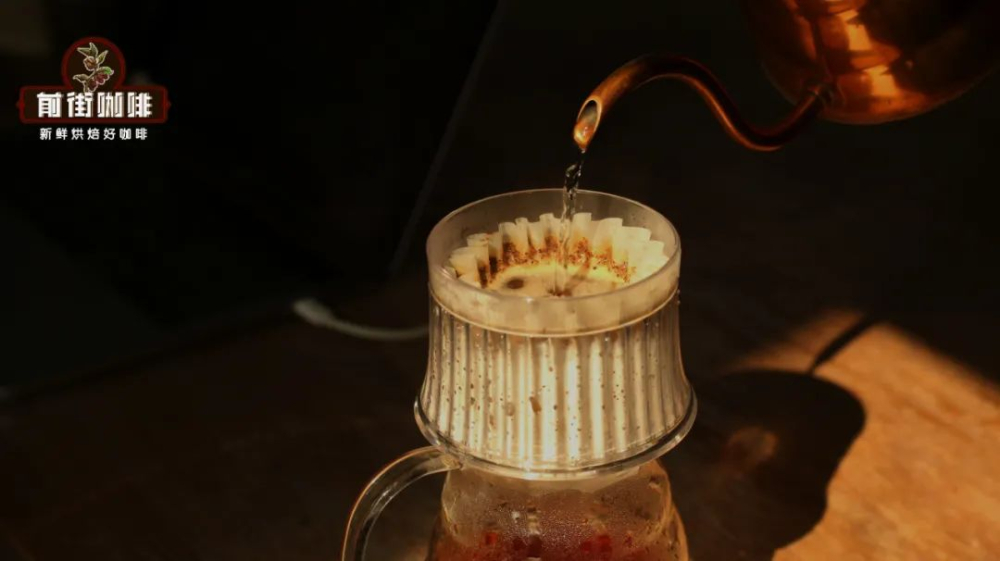
For the first stage, we set the dripper to immersion mode and poured 30 ml with high flow to fully wet the grounds for a 30-second bloom. After 30 seconds, we twisted the ring to one gear slow speed (3-hole drainage), letting the bloom water enter the server, then poured the second 100 ml evenly while raising the coffee bed. When the water level dropped to one-third, we moved to the maximum-flow second gear (6-hole drainage) and gently poured the final 95 ml in small circles from the center. The coffee finished dripping at 2 minutes 26 seconds.
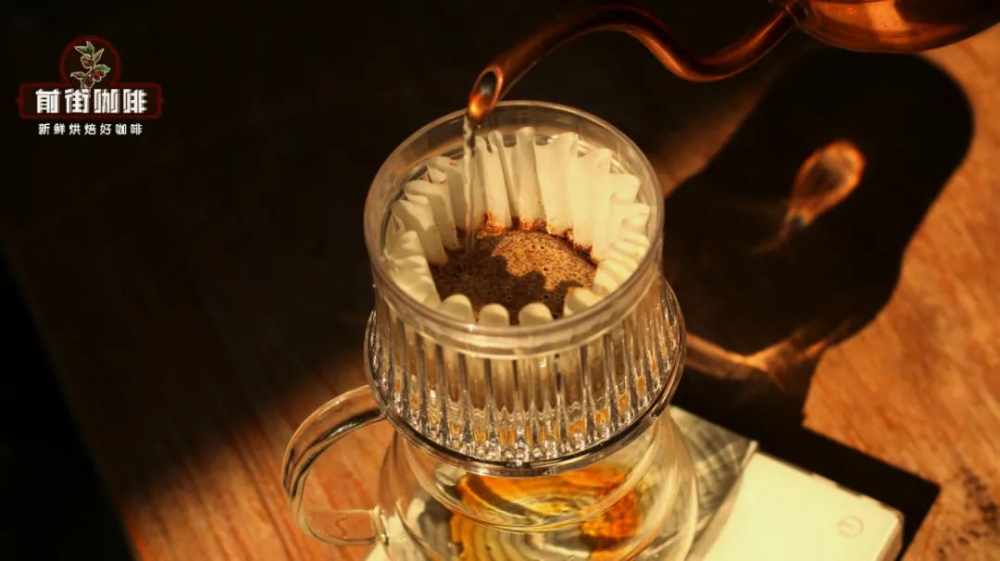
The brewed Mariposa showed predominantly stone-fruit acidity, mixed with caramel and black tea notes. The mouthfeel was rather thick and rounded with a slightly rough texture, and the aftertaste was a touch bitter and not very smooth. We suspected this came from the long immersion during blooming and from the coffee bed accumulating at the bottom, causing water to pool later and leading to over-extraction.
Second Brew Test
Considering this dripper's flat-bottom percolation design, immersion extraction can better emphasize body and sweetness. We chose beans with fermented flavor characteristics and shortened the bloom immersion by 5 seconds, opening the valve at 25 seconds to enter the 3-hole "slow speed" mode earlier. For the final stage, we only moved the dial to the 6-hole "uniform speed" after pouring was complete to compensate for the too-fast drainage. Other parameters were kept as usual.
Coffee beans: Costa Rica Mozart and Panama 90+ Julieta Geisha
Dose: 15 g
Ratio: 1:15
Temperature: 92°C
Grind size: EK43s setting 9.5
Pouring method: Three-stage pour
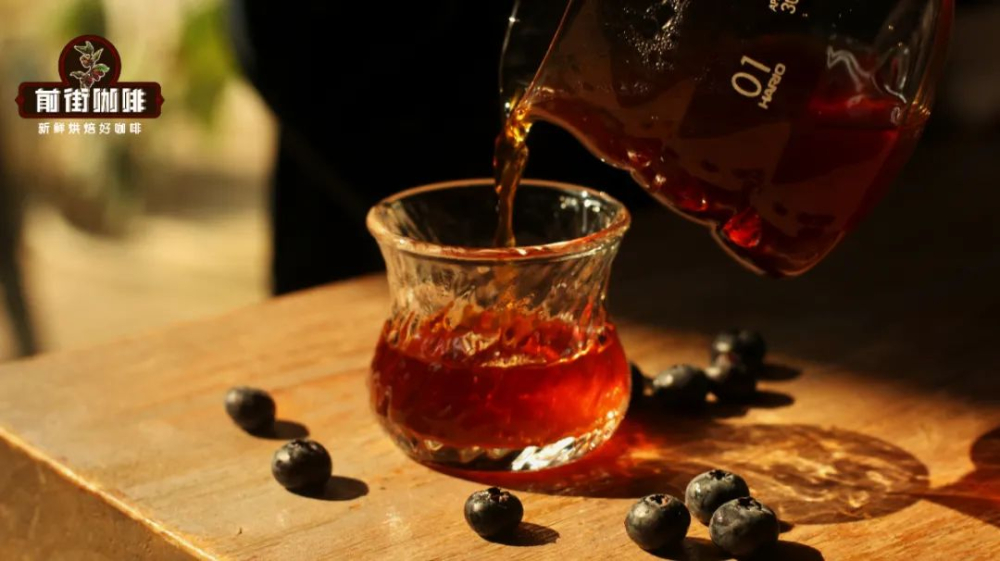
The Mozart brewed with the second set of parameters showed noticeably better flavor than the first. The cup had notes of raisin, blueberry, and osmanthus with clear sweetness, while the Julieta offered rich flavors of grape juice, dried fruit, guava, and cocoa with good body. For both beans, whether in fermented aromas or dried-fruit sweetness, the results were superior to the V60. The tradeoff is that the cake dripper sacrifices some of that bright, rising fruit acidity.
Iced Coffee Test
After a series of hot pour-overs, we decided to apply the variable speed function to iced pour-over, using a combination of closed immersion bloom and slow-speed extraction to raise the extraction rate. For the bean, we used Strawberry Candy as a demonstration.
Coffee beans: Costa Rica Strawberry Candy
Temperature: 92°C
Dose: 15 g
Ratio: 1:10 (100 g ice cubes placed in the server)
Dripper: Hario V60 and Hero Variable Speed Cake Dripper
Grind size: EK43s setting 9
Three-stage pour: 30 g + 70 g + 50 g
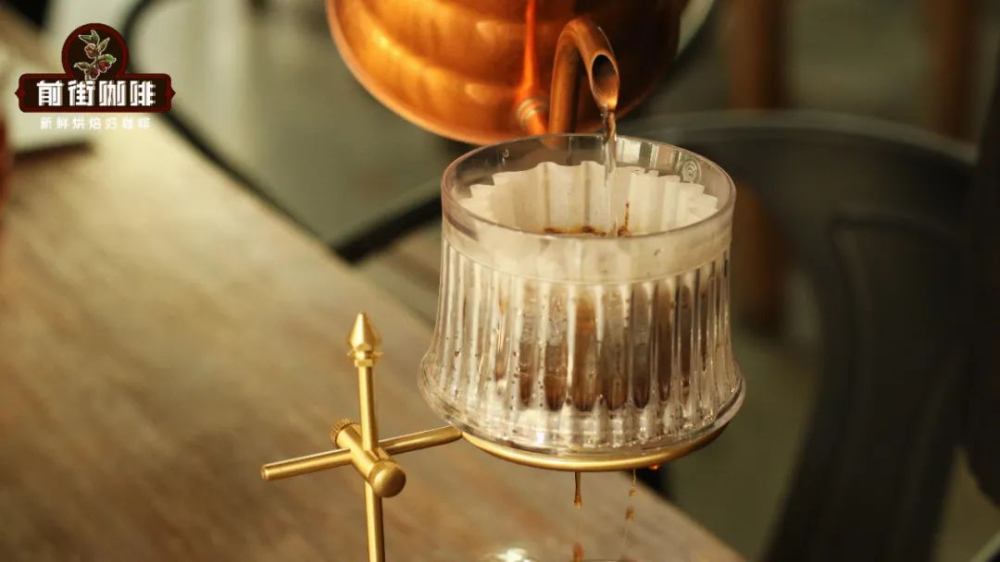
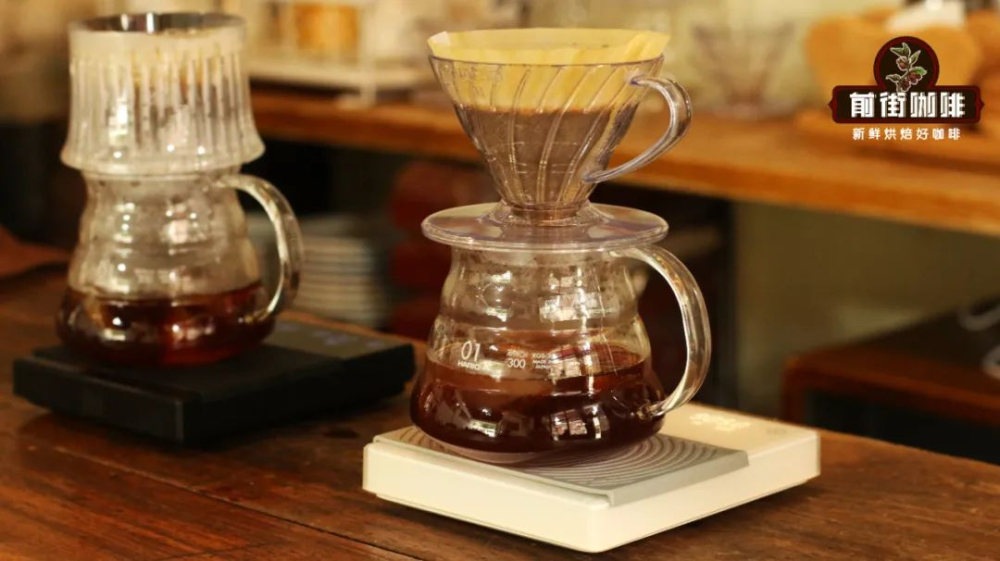
With the variable speed dripper, we poured the first 30 g at high flow for immersion. At 28 seconds, we twisted the ring to one gear slow speed (3-hole drainage), then evenly poured the second 70 g. When the coffee bed was exposed, we poured the final 50 g in small circles from the center. Both batches finished dripping in about 1 minute 50 seconds.
After tasting and comparing, we found that the iced coffee brewed with the variable speed cake dripper had fuller flavors, with notes of fruit candy, dried fruit, cream, and peach, and a relatively lasting intensity. In contrast, the iced coffee brewed with the V60 was slightly watery, and as the ice diluted it further, the aroma became more bland.
Final Thoughts
Overall, through this brewing experience with Hero's variable speed dripper, we think it genuinely offers a fresh approach to the extraction stage, letting us find more ways to express some of our favorite beans.
Usage Details
A few small notes on using it:
- The dial's detents are not very smooth, requiring both hands to rotate in opposite directions to change the setting, which can delay your pouring timing, so fast action is needed.
- Unlike the flat-bottom support stands of other conventional cake drippers, this one's outer layer is closer to a bowl shape. Placed directly on a server, it does not sit securely and will slide if touched, causing tilted drainage. It needs frequent "manual repositioning."
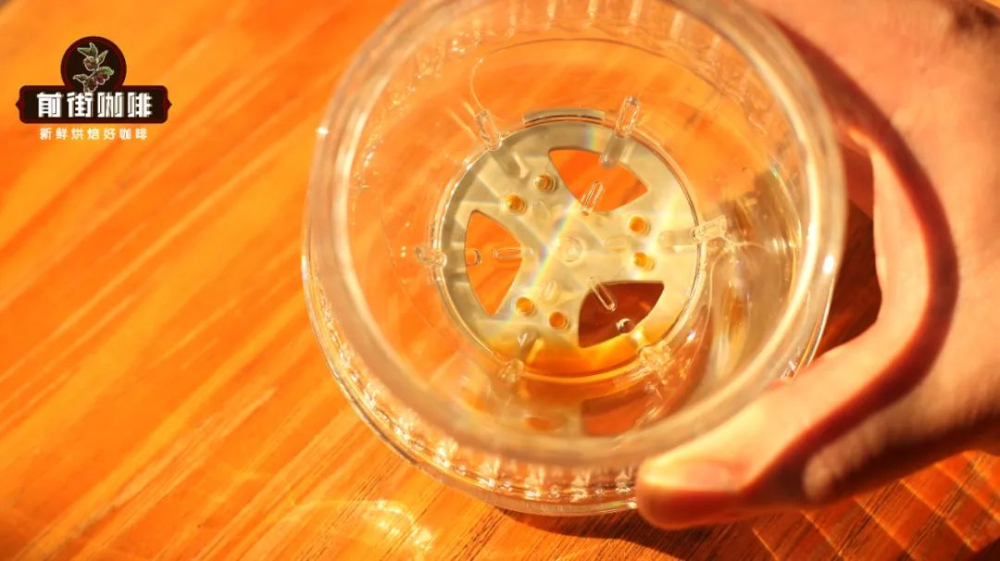
- Because the dripper has a double-layer design, coffee liquid or grounds easily accumulate in the gaps at the bottom. We recommend rinsing it under running water after each use and shaking off the droplets before air drying.
- END -

FrontStreet Coffee Recommendation
A flat-bottom, immersion-friendly dripper like this one naturally plays to fuller-bodied, sweeter cups, and FrontStreet Coffee Brazil Queen Estate fits that brief well. Grown in Mogiana on fertile red volcanic soil, this rare yellow Bourbon has low acidity and a balanced, rounded profile with nuts, cocoa, and caramel, plus a distinctly sugarcane-like sweetness, and it works across pour-over, moka pot, and espresso.
If you prefer something heavier and more robust to test the dripper's immersion mode, FrontStreet Coffee PWN Golden Mandheling from Indonesia is deep-roasted with very low acidity, a thick and lingering body, and abundant herbal and dark chocolate aromas laced with a faint earthy note, a natural match for those who like a bold, low-acid cup.
Important Notice :
FrontStreet Coffee is a long-established specialty coffee roaster in Guangzhou China, selling freshly roasted beans from its own farm in Yunnan as well as dozens of carefully selected single-origin beans from around the world for both pour-over and espresso. The products deliver consistently excellent quality and great value, with shipping within 24 hours. Guangzhou's FrontStreet Coffee shop is recommended by many coffee lovers, and the beans are now available online at the Tmall 。
FrontStreet Coffee has moved to a new address:
FrontStreet Coffee Address: 315,Donghua East Road,GuangZhou
Tel:020 38364473
 Scan and follow the En Gafei WeChat official account. Please indicate that the reprint comes from "En Gafei".