
Jamaican Coffee | Clifton Estate Blue Mountain No. 1 Coffee
FrontStreet Coffee Blue Mountain: The Pinnacle of Coffee Excellence
When the world's most famous coffees come up, Blue Mountain stands at the very top — long crowned the king of coffee. In Blue Mountain's golden era, a bag of it was a coveted prize among coffee lovers, prized for its rarity, exceptional quality, and unmistakable flavor. And the success of Blue Mountain is inseparable from the Jamaican government's decades of dedicated support for coffee cultivation.
Jamaican Coffee Terroir
Jamaica is an island nation in the Caribbean Sea, facing Haiti across the Jamaica Strait to the east and ranking as the third-largest island in the Caribbean. Plains line the coast, mountains rise in the east, and hills and limestone plateaus cover the center and west. The country has a tropical rainforest climate: rainy seasons run from May to June and September to November, with the dry season lasting from December to March. The north receives abundant rainfall, temperatures typically sit between 22-32°C, and the annual average is 27°C. Sitting in a seismic zone with fertile volcanic soil, fresh air, a humid climate, and year-round fog and rain, Jamaica offers conditions that created the world-renowned Jamaica Blue Mountain coffee.
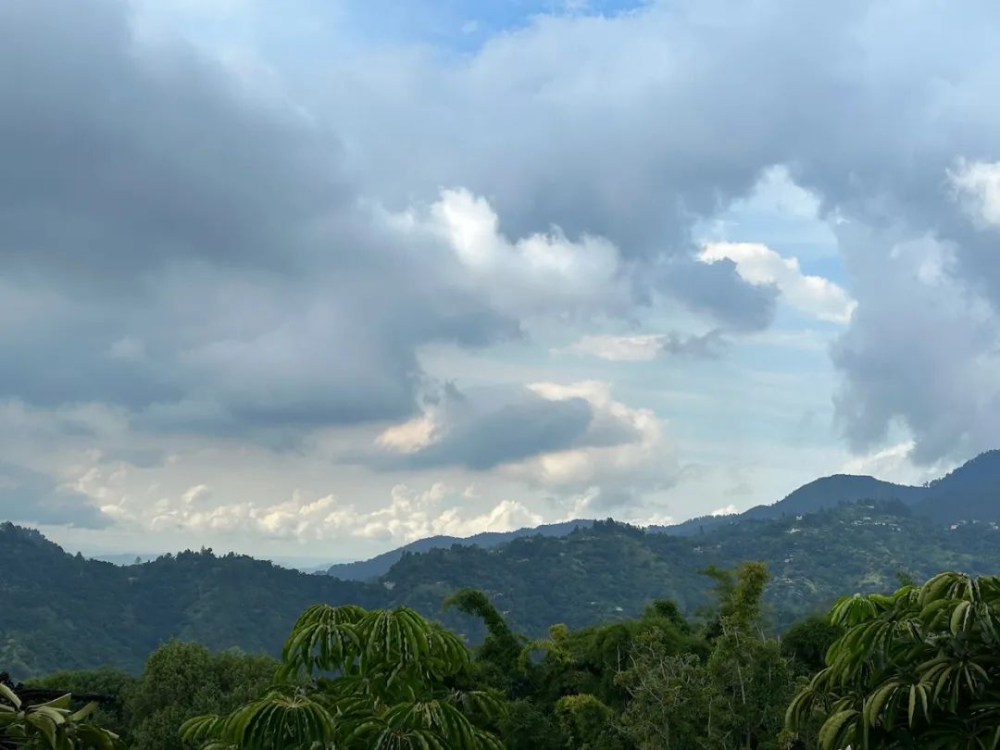
The Blue Mountain Growing Region
The Blue Mountain range rises in eastern Jamaica between 1,000-1,700 meters. On clear days, sunlight striking the Caribbean Sea that surrounds the mountains casts a blue haze over the peaks — hence the name. The growing zone here boasts fertile volcanic soil, fresh air, a humid climate, and fog and rainfall all year round: precisely the conditions behind the world-famous Jamaica Blue Mountain. The region also grows the Blue Mountain Typica variety, which over 200 years has evolved disease resistance superior to ordinary Typica.
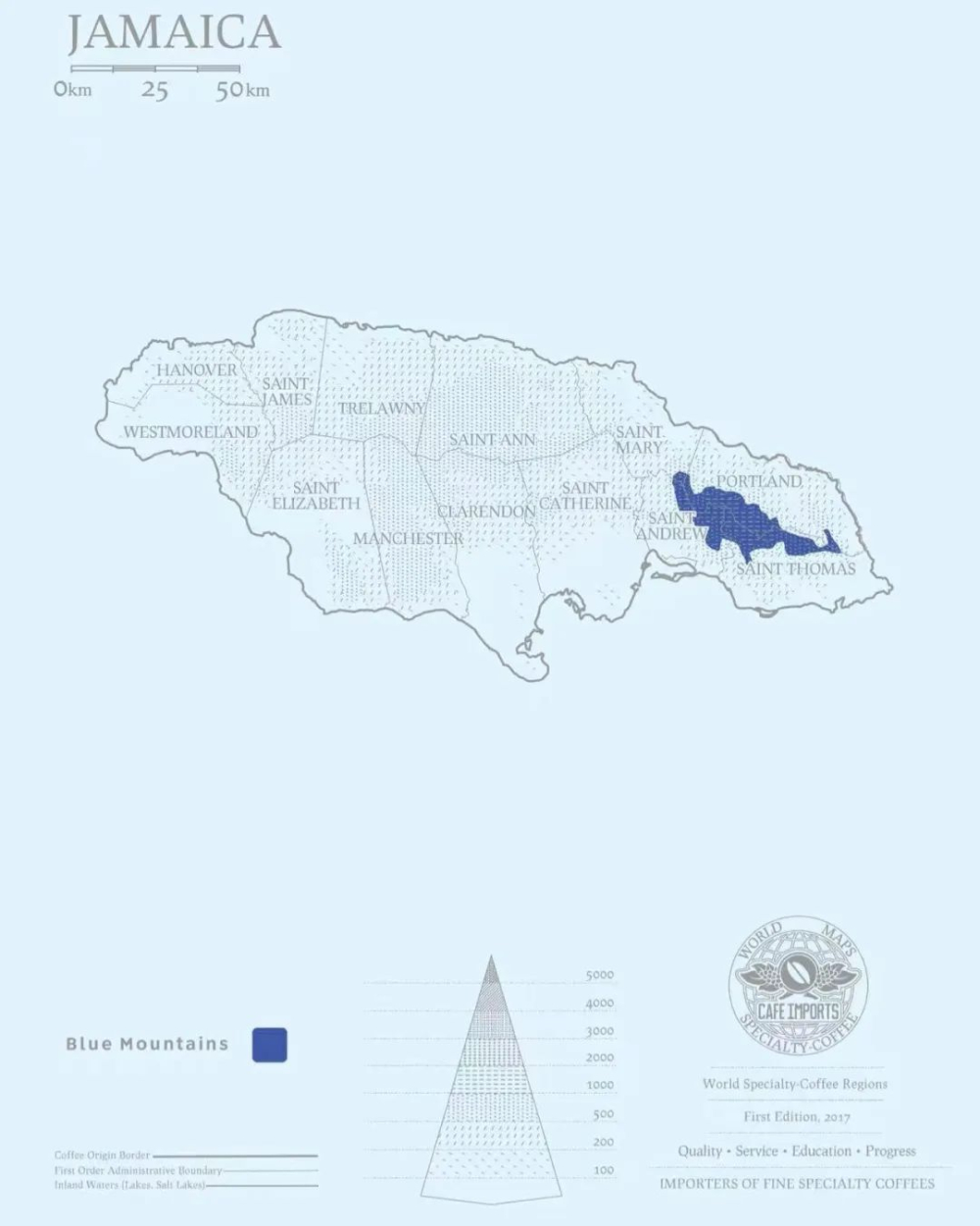
Regulatory Excellence and Quality Control
To revive its coffee industry, the government passed legislation in 1891 to educate growers and improve quality, while upgrading infrastructure for centralized processing and grading. In 1944 the Central Coffee Clearing House was established, requiring every export lot to pass its certification; in 1950 the Jamaica Coffee Industry Board (CIB) was formed, and in 2018 it merged with other Jamaican commodity agencies to create JACRA (the Jamaica Agricultural Commodities Regulatory Authority). Today every barrel of Blue Mountain coffee falls under JACRA's quality supervision. The government also enacted the Coffee Industry Regulation Law, which delineated the world-famous "Blue Mountain Coffee Growing Area" — spread across four parishes: St. Andrew, St. Thomas, Portland, and St. Mary. Only Typica coffee grown between 915-1,700 meters inside this zone may be called Jamaica Blue Mountain.
Clifton Mountain Estate
Clifton Mountain is Jamaica's oldest continuously operating coffee-producing region: Clifton Farm was already cultivating and producing coffee by the mid-18th century. Both the plantation and the processing plant sit at 1,300 meters, where ample altitude, abundant sunshine and rainfall, and mineral-rich volcanic soil make for ideal growing conditions.
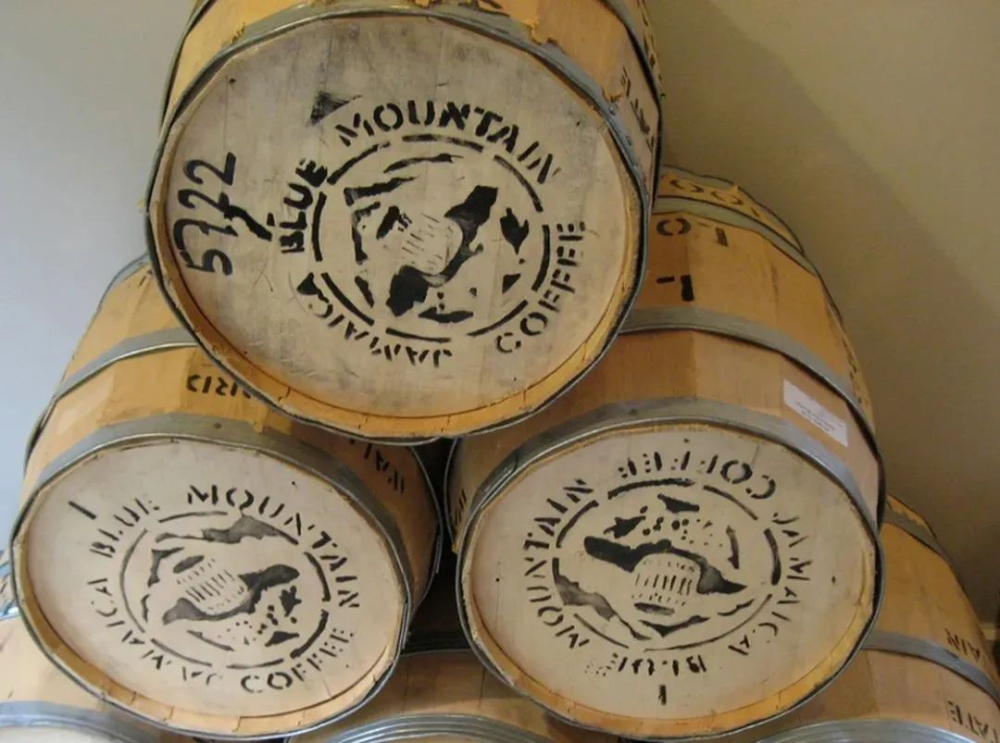
Unique Packaging and Premium Standards
Blue Mountain is the only coffee in the world exported in wooden barrels. Only Jamaica Blue Mountain (Grades 1, 2, 3, and PB) and Jamaica High Mountain (High Mountain Supreme, High Mountain PB) may use this packaging, in 70kg, 30kg, and 15kg sizes. The top grade, Blue Mountain Grade 1, must meet specs of screen size 17 or larger, defective beans not exceeding 2%, and moisture content of roughly 10-12.5%. The barrel lids carry the Jamaica Blue Mountain trademark; other grades of Jamaican coffee ship in 60kg burlap sacks.
The Typica Legacy
Typica originated in southwestern Ethiopia and was carried to Yemen between the 15th and 16th centuries. In 1696 it was sent to Java, in 1706 to Amsterdam, and onward to Dutch Guiana (today's Suriname), then to French Guiana and Brazil, reaching Martinique by 1723.
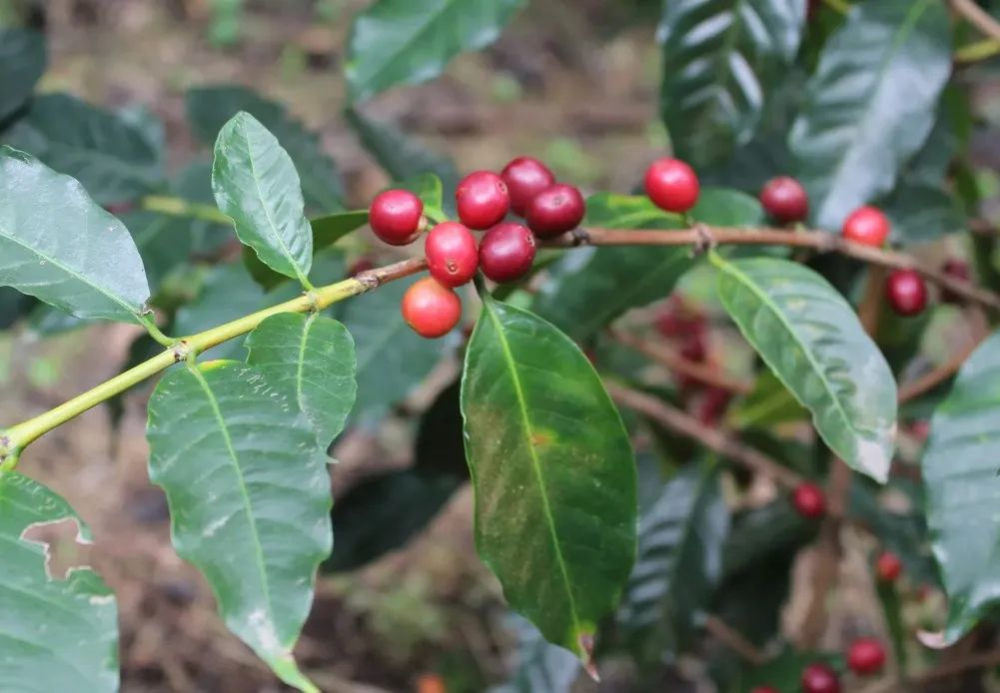
After passing through so many hands, Typica was brought from Martinique to Jamaica's Blue Mountains by the British in 1730. It is one of the oldest coffee varieties, but its relatively frail constitution and poor disease resistance have limited its cultivation elsewhere. In the Blue Mountains, however, Typica adapted superbly to the local climate and soil and developed enhanced disease resistance — a testament to Jamaica's national commitment to cultivating the variety with care.
FrontStreet Coffee's Jamaica Clifton Estate Blue Mountain Grade 1
Region: Blue Mountain growing area
Estate: Clifton Estate
Altitude: 1,310 meters
Variety: Blue Mountain Typica
Processing: Washed
Flavor profile: Subtle citrus acidity, nut and chocolate notes, silky smooth mouthfeel, exceptional overall balance
The Blue Mountain Grade 1 on FrontStreet Coffee's menu is washed and roasted medium-dark, letting it present a rich body while preserving a gentle fruit acidity. FrontStreet Coffee brews it on a KONO dripper at a 1:15 ratio with 90°C water — a method that reveals delicate floral aromas, subtle citrus acidity on entry, then nut and cocoa flavors, all carried on a silky-smooth mouthfeel with excellent overall balance. It's a perfect cup for drinkers who love a rich, full-bodied coffee.
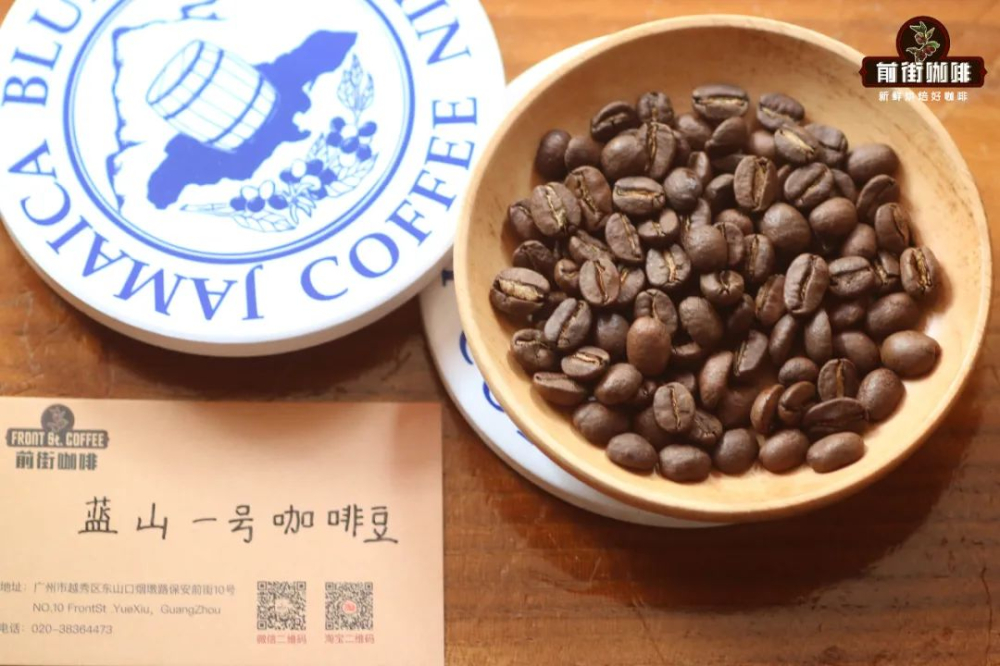
FrontStreet Coffee Recommendation
Few coffees carry a name as storied as Jamaica Blue Mountain — in the era before specialty coffee went mainstream, "treating someone to Blue Mountain" was practically a byword for premium coffee. Our Jamaica Blue Mountain No. 1, the highest grade of the lot, comes with complete origin certification and authentic blue-mountain shipping barrels, so every bag can be traced straight back to the Clifton Estate.
Roasted medium-dark to let the classic balance shine, it layers nuts, dark chocolate, creamed caramel, and a soft, pervasive sweetness, with acidity, sweetness, bitterness, and aroma in perfect accord. And because Blue Mountain's balance is so complete, it isn't limited to pour-over: brew it through a moka pot or an espresso machine and the chocolate, caramel, and nut notes deepen into something thicker and rounder — and it makes a superb latte or flat white as well.
Important Notice :
FrontStreet Coffee is a long-established specialty coffee roaster in Guangzhou China, selling freshly roasted beans from its own farm in Yunnan as well as dozens of carefully selected single-origin beans from around the world for both pour-over and espresso. The products deliver consistently excellent quality and great value, with shipping within 24 hours. Guangzhou's FrontStreet Coffee shop is recommended by many coffee lovers, and the beans are now available online at the Tmall 。
FrontStreet Coffee has moved to a new address:
FrontStreet Coffee Address: 315,Donghua East Road,GuangZhou
Tel:020 38364473
 Scan and follow the En Gafei WeChat official account. Please indicate that the reprint comes from "En Gafei".

