
Why Does Oil Appear in Coffee After It Cools? What Are the Oils in Pour-Over Coffee, Cold Brew Coffee, and Siphon Coffee?
The Mysterious Oil Layer on Coffee
Have you ever noticed this: leave a cup of pour-over coffee sitting long enough, and a thin layer of "oil" appears on its surface. What exactly is that layer? Is it some sign that the coffee has gone bad?
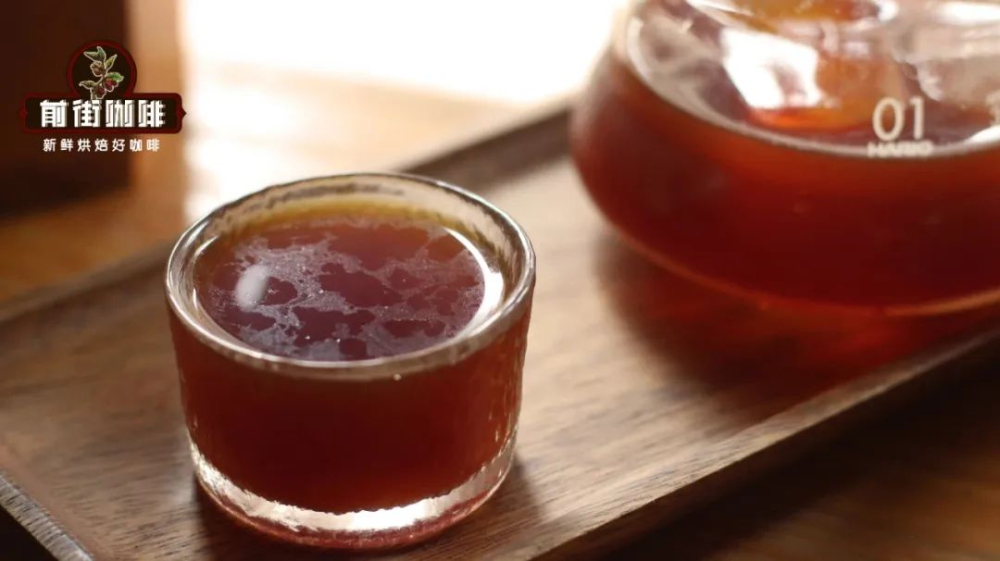
What is the "oil" that appears when coffee cools down?
Pour-over isn't the only offender, by the way — black coffees made by any single-origin method, from cold brew to siphon, will eventually show a film of "oil" floating on top. Speaking of "oil," the first thing most of us picture is espresso's golden foam, the crema. So what is crema made of?
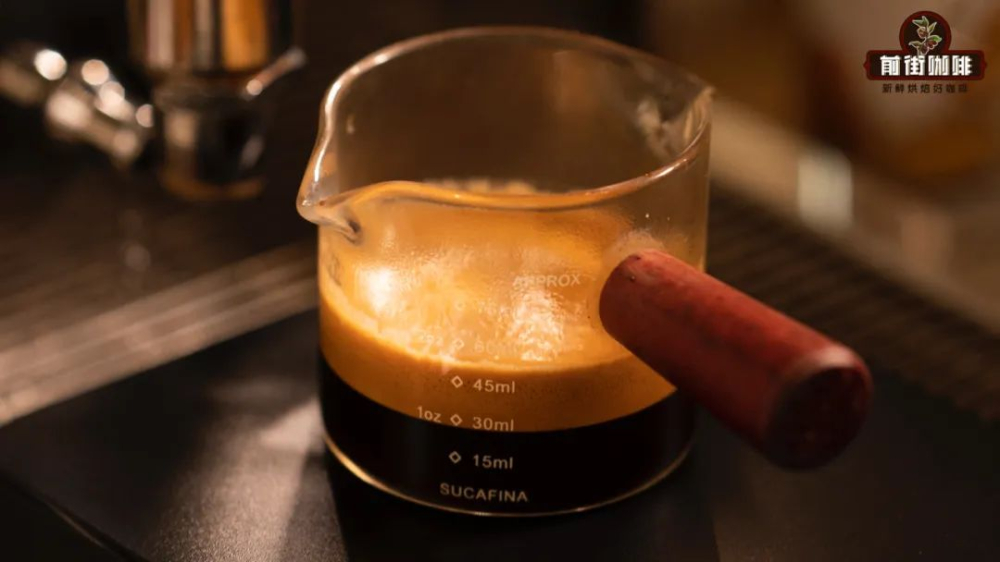
Crema is carbon dioxide wrapped in the oils from the coffee beans. And that's the point: this layer of "oil" isn't a product of deterioration — it was in the coffee all along. It simply wasn't visible before, and now it is. The culprit behind the change in visibility is condensation. Here's FrontStreet Coffee's mini science refresher: "condensation" is what happens when a gas or liquid turns solid or changes state upon encountering low temperatures — water vapor condenses into water when cooled, and water freezes into ice when cooled further.
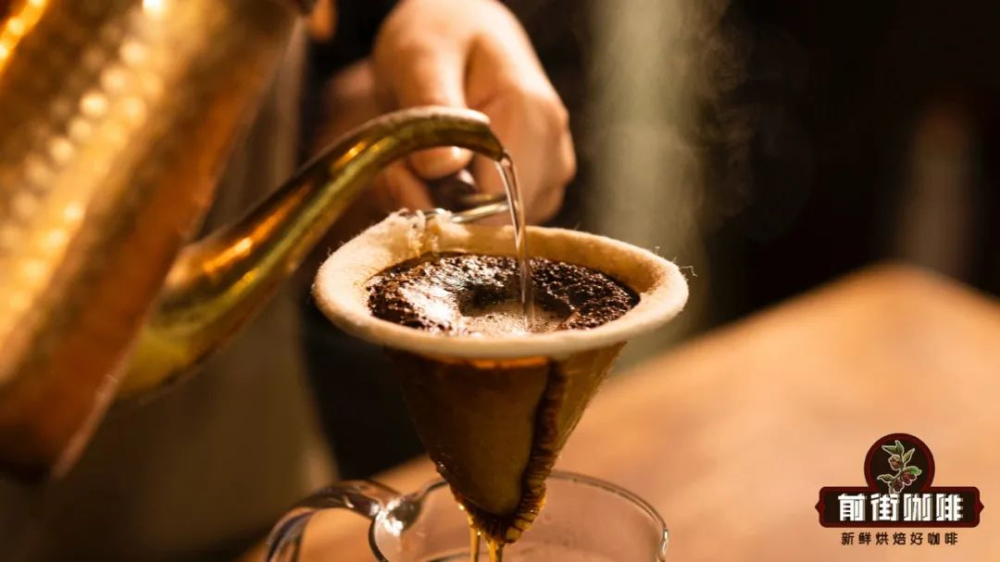
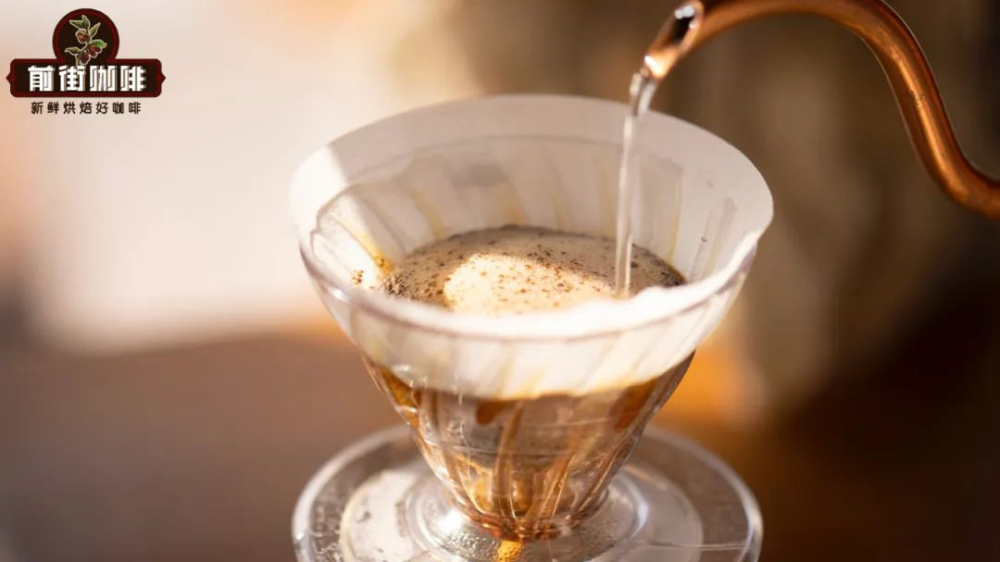
How visible the oils are depends mainly on how well your brewing setup filters them. The more efficient the filtration, the less oil makes it into the cup. Paper filters, being highly efficient, let almost no oil through — so right after brewing you'll see no film at all on the surface.
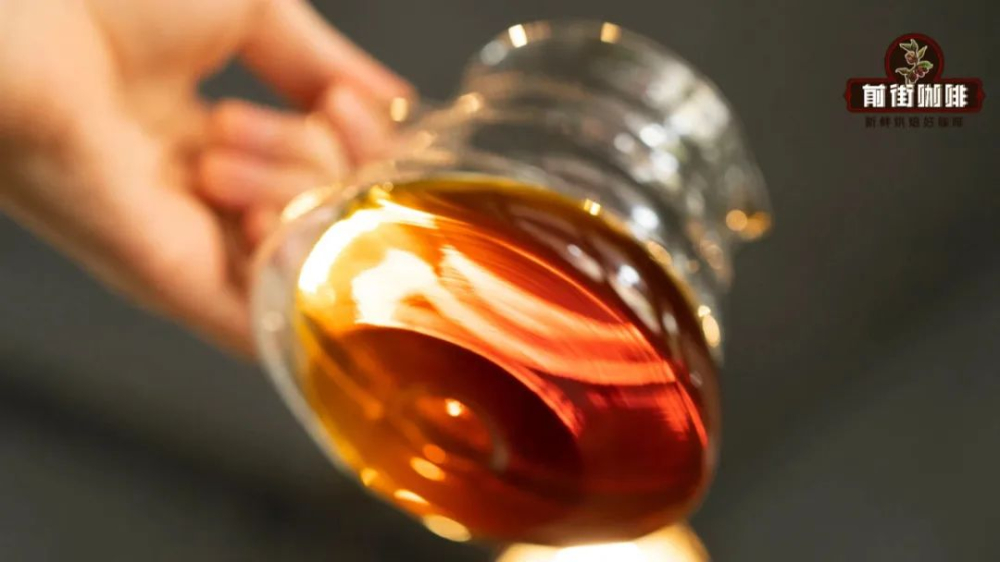
But once the coffee cools, that ultra-thin film of oil solidifies through condensation and becomes visible. Even a very small amount of oil will reveal itself as it accumulates. As FrontStreet Coffee has noted before, if you brew with equipment whose filter pores are larger and filtration weaker — flannel or metal mesh, for instance — you'll see a clear layer of oil floating on the surface the moment brewing is done.
Roasting Degree and Oil Content
Filtration only determines how much of the oil stays out of the cup — it can only filter oil that already exists. The real key to how much oil a coffee produces is the roast level of the beans.
How does the roasting degree affect the oil content in coffee beans?
As green beans roast, their internal structures expand under heat, generating both carbon dioxide and oils. When roasting ends and the beans return to normal temperature and pressure, they keep releasing CO2 from within, and the oils migrate outward along with it. The carbon dioxide simply disperses into the air, while the oils stay on the bean surface until brewing, when hot water carries them into the cup.
And here's the connection: the oil content of a bean is tightly linked to its roast level. The deeper the roast, the more carbon dioxide and oil the bean develops. Light-roasted beans spend less time in the roaster and hold less oil, so they typically come out of the roaster dry, developing only a faint sheen after several days of degassing. Dark-roasted beans are another story — with longer roasting the oil becomes abundant, so they emerge already glossy, and after just 3–5 days of degassing the oils visibly pool on the surface as a distinctly "eye-catching" liquid sheen.

Does this oil layer affect coffee flavor?
So does the film change the taste? Since the oil was always in the coffee, its condensing doesn't alter the flavor much. But it does change state from liquid to solid, and that shifts the mouthfeel — from smooth to noticeably rougher. Honestly, though, once your coffee has gone from hot to cold, flavor is the least of your concerns. You can already imagine how that tastes.
FrontStreet Coffee Recommendation
Since roast level drives oil content, anyone who prefers a clean, oil-free cup — or a delicate cold brew — should reach for light to medium-light roasts, which is exactly where FrontStreet Coffee's best beans live. For cold brew, FrontStreet's sun-dried Flower Queen from Ethiopia is a standout: the natural process lets the beans absorb sweet compounds from the fruit, yielding magnolia, creamy strawberry, dried mango, guava, and black-tea notes with very low bitterness. Or choose the washed Yirgacheffe Guodingding from the Guodingding cooperative — classic bright berry, honey, and floral sweetness, budget-friendly, and versatile enough for pour-over, siphon, French press, and cold brew alike.
If you want maximum fruit juice character, go for FrontStreet Kenya Cherry Tomato from the Thika region: SL28 and SL34 varieties grown at 1,550–1,750 meters, washed with the local K72 double-fermentation method and roasted light to keep its vivid cherry-tomato, dark plum, snow pear, and black plum acidity. And for a floral twist in a cold brew, the Strawberry Candy blend — Panama Geisha combined with honey-processed Costa Rica — delivers rose, orange, grape, and strawberry-gummy sweetness that turns wine-like when fermented and chilled.

Important Notice :
FrontStreet Coffee is a long-established specialty coffee roaster in Guangzhou China, selling freshly roasted beans from its own farm in Yunnan as well as dozens of carefully selected single-origin beans from around the world for both pour-over and espresso. The products deliver consistently excellent quality and great value, with shipping within 24 hours. Guangzhou's FrontStreet Coffee shop is recommended by many coffee lovers, and the beans are now available online at the Tmall 。
FrontStreet Coffee has moved to a new address:
FrontStreet Coffee Address: 315,Donghua East Road,GuangZhou
Tel:020 38364473
 Scan and follow the En Gafei WeChat official account. Please indicate that the reprint comes from "En Gafei".

