
Where Does the Wine-like Flavor of Cold Drip Coffee Come From? What's the Grind Size, Ratio, and Parameters for Making Cold Brew Coffee? What is Low-Temperature Aging?
Clean, Mellow, and Smooth: The Second Impression of Ice Drip Coffee
"Clean, mellow, and smooth" — that's what people notice as their second impression of ice drip coffee. Why the second? Because the first is usually sheer astonishment at its rich, lingering wine-like aroma; the remarkable mouthfeel only registers afterward.
Friends who try the ice drip at FrontStreet Coffee's store often ask: "Does your ice drip coffee contain alcohol? Or do the beans themselves taste like wine? Why is the wine aroma so strong?"

Hehe — there's no alcohol in it at all! To understand where that wine-like aroma comes from, let FrontStreet Coffee explain.
The Unique Extraction Method of Ice Drip Coffee
Ice drip is prepared unlike conventional coffee. As FrontStreet Coffee often says, most extraction methods rely on hot water to pull out aromatic compounds quickly — but ice drip is one of the rare exceptions.
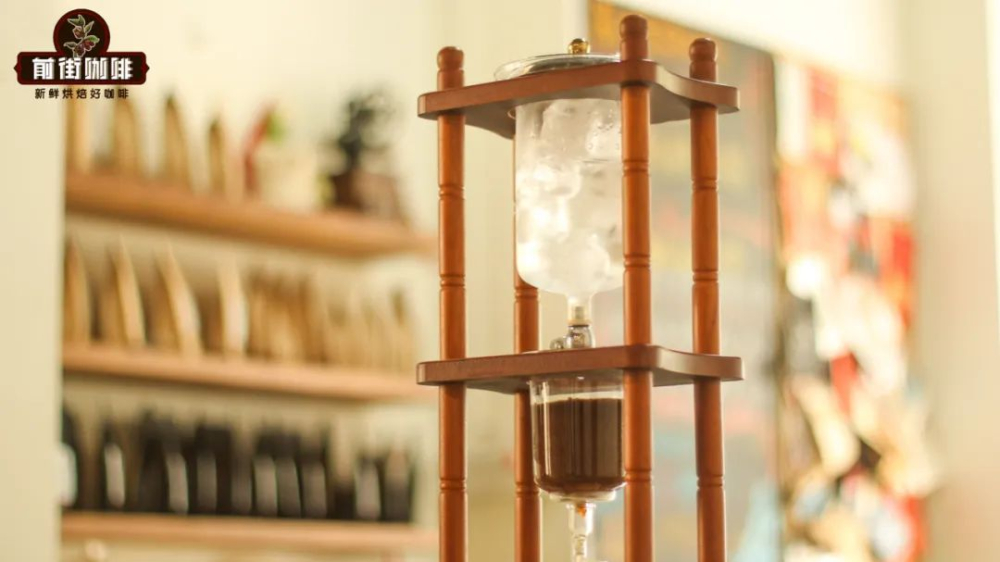
Ice drip belongs to the cold brew family: extracting coffee with cold ice water. Because ice water's extraction efficiency is very low, we need far more time to draw out the aromatics. Cold brew, for example, requires steeping the grounds in cold water for about 8 hours before filtering and drinking! Ice drip's production cycle is even longer, and its method is right there in the name: "ice drip" means extracting coffee drop by drop with ice water.
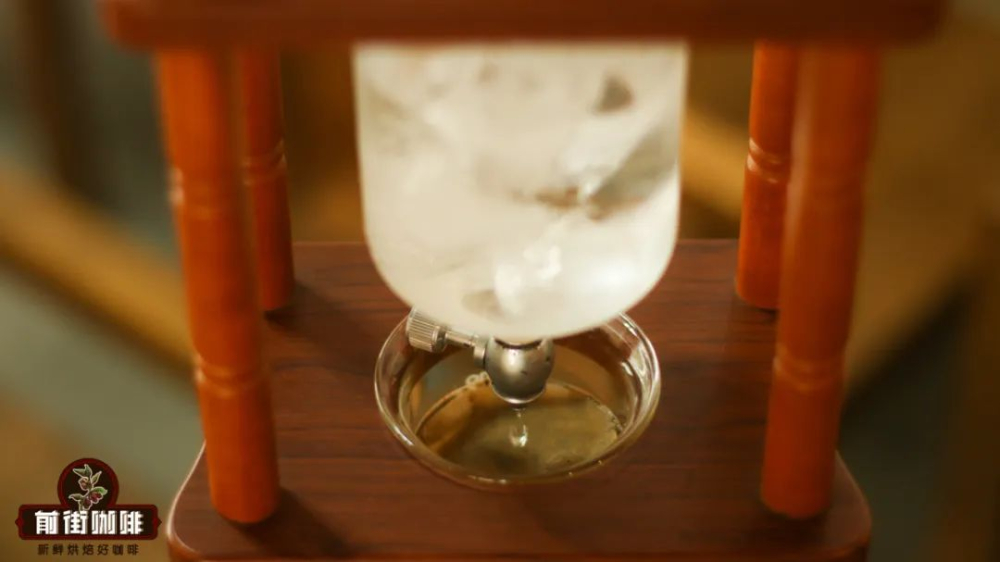
FrontStreet Coffee's Ice Drip Process
Take FrontStreet Coffee's ice drip routine: we use 60g of grounds and extract at a 1:10 coffee-to-liquid ratio — 600ml of coffee from 60g of grounds (a fairly concentrated brew). The ice water drips at 7 drops every 10 seconds, and producing 600ml takes roughly 5-6 hours.
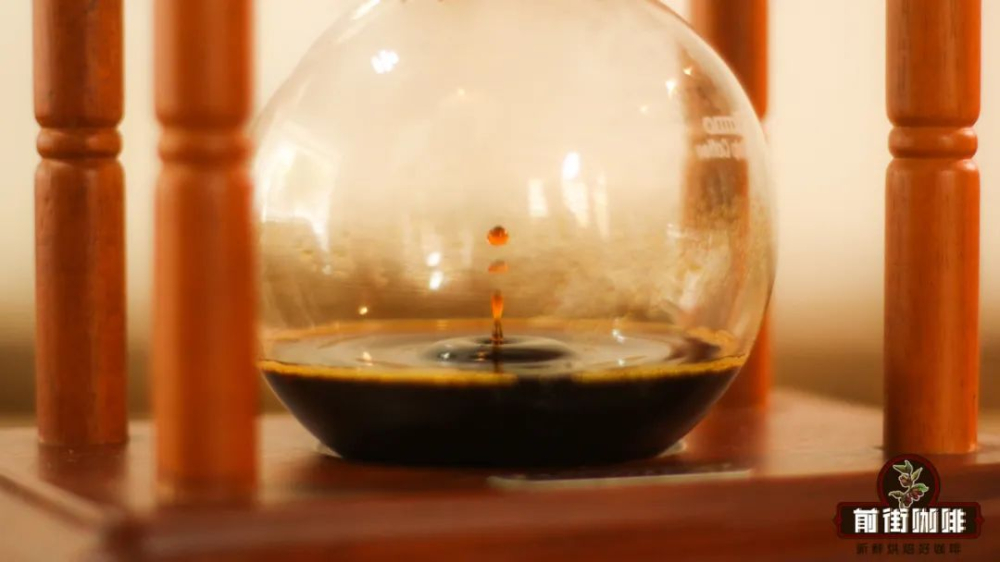
Throughout, we must keep monitoring the drip rate. As ice water steadily melts and seeps out, the water pressure changes, and with it the drip rate. So we check periodically for drift and adjust as needed. And even when the last drop falls, it's not finished — it needs time in the refrigerator before it's ready to drink. Which raises the question: "Why can't ice drip coffee be consumed right away?"
The Importance of Cold Maturation
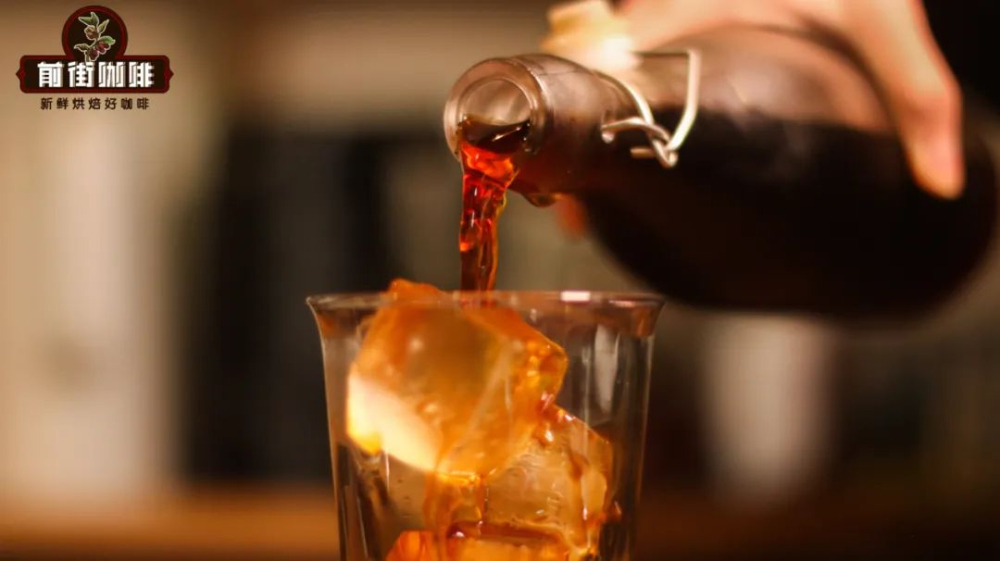
The answer is simple — you'll know the moment you try. Freshly extracted ice drip tastes rather bland, thin, even slightly astringent, as if under-extracted! But after resting overnight, it develops a full, juice-like quality, turning clean and smooth with a rich fermented wine aroma. So never skip the refrigeration step: it lets the coffee mature in a low-temperature environment.
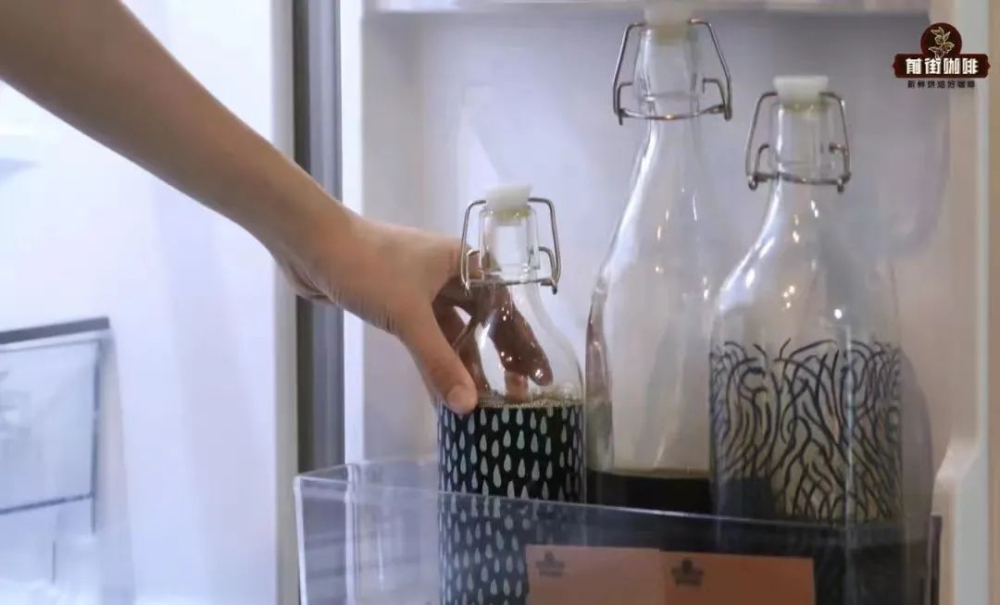
A bit of science from FrontStreet Coffee: "low-temperature maturation" means placing food in a relatively cold environment to ferment through microorganisms. Cold slows microbial activity, so fermentation takes longer — but it does happen. By the next day, microbial fermentation has endowed the coffee with rich fruit flavors and wine-like aromas. That process is exactly where the wine aroma in your glass comes from.
Safety and Storage
Microbial fermentation, however, is hard to control. Slip up on sealing and you invite bacterial contamination and spoilage. So before ice drip goes into the fridge to mature, we pour it into sealed glass bottles — this slows fermentation and inhibits bacterial growth. (Anaerobic fermentation processing works on the same principle!)
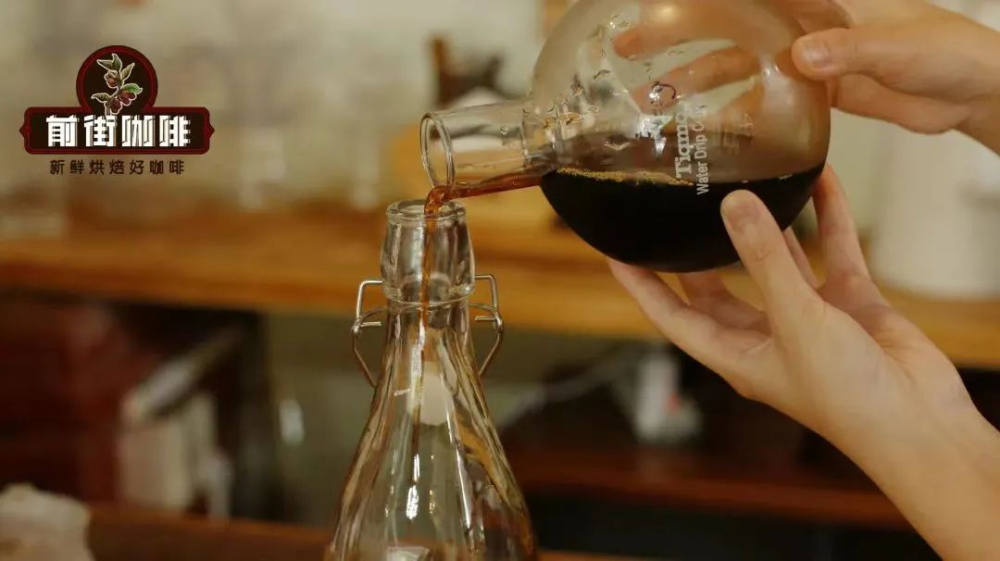
Typically, ice drip needs just 8 hours to finish maturing, and the result is exactly what we described at the start: clean, smooth, mellow, with rich fruit and fermented wine aromas! Stretch the rest to 12 hours, and fruit and wine notes merge into an even more stunning fruit-wine flavor!! (That's why FrontStreet Coffee always lets it rest overnight.) One gentle reminder: although cold and sealing reduce the risk of spoilage, leaving it too long still carries risk — especially with repeated opening and closing, which invites bacteria. For safety's sake, FrontStreet Coffee recommends finishing ice drip coffee within five days of making it.
FrontStreet Coffee
END
FrontStreet Coffee
No. 10, Bao'an Front Street, Yandun Road, Dongshankou, Yuexiu District, Guangzhou, Guangdong Province

FrontStreet Coffee Recommendation
Beans with floral and fruity brightness make the most of ice drip's long, slow extraction. FrontStreet Coffee's top pick is the FrontStreet Strawberry Candy Geisha Blend, marrying Panama Geisha with Costa Rica honey-process coffee. Cold-dripped and lightly matured, it delivers grape juice, rose, sweet orange, and — thanks to a gentle rest in the fridge — an unmistakable fruit-wine finish that pairs perfectly with this article's theme.
If you prefer single-origin character, choose the FrontStreet Natural Sidamo Aricha (Huakui). Sun-drying imbues the beans with extra sweetness, and in cold extraction it shows magnolia, creamy strawberry, dried mango, guava, and black tea — proof that a wine-like cold coffee needs no additives, only the right beans and a little patience.
Important Notice :
FrontStreet Coffee is a long-established specialty coffee roaster in Guangzhou China, selling freshly roasted beans from its own farm in Yunnan as well as dozens of carefully selected single-origin beans from around the world for both pour-over and espresso. The products deliver consistently excellent quality and great value, with shipping within 24 hours. Guangzhou's FrontStreet Coffee shop is recommended by many coffee lovers, and the beans are now available online at the Tmall 。
FrontStreet Coffee has moved to a new address:
FrontStreet Coffee Address: 315,Donghua East Road,GuangZhou
Tel:020 38364473
 Scan and follow the En Gafei WeChat official account. Please indicate that the reprint comes from "En Gafei".

