What is the foam in pour-over coffee? Are white bubbles a sign of over-extraction? What's the relationship between espresso's golden crema and foam?
Whenever we brew pour-over coffee, we see bubbles rise to the surface as carbon dioxide escapes. But look closely and you will notice that these bubbles are not always the same.

During brewing the foam is sometimes brownish-yellow and sometimes whitish, and its quantity shifts from abundant to sparse from one pour to the next. It is constantly changing, and those changes carry a great deal of information. Class is in session, so grab a notebook and join FrontStreet Coffee.
What Is the Foam That Appears During Brewing?
When hot water first meets the pre-infused coffee bed, a large amount of foam bursts up at once. Generally speaking, the foam at this moment is brownish-yellow. Have you made the connection yet?
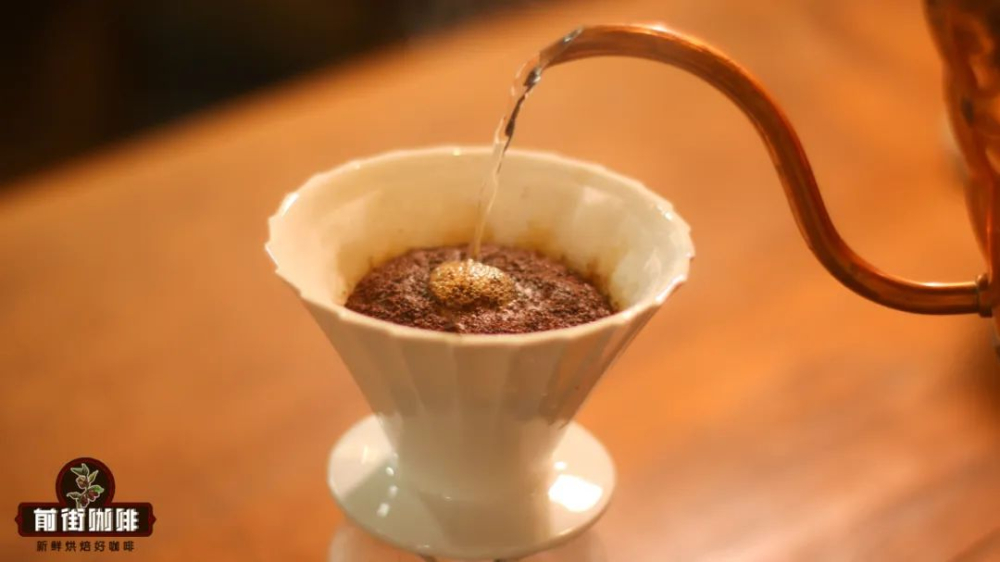
It is the same material as espresso crema: the coffee's own oils, unpressed. The structure of this foam consists of carbon dioxide, oils, some fine coffee grounds, and larger coffee particles. When an espresso machine extracts coffee under added pressure, this foam rises from the bottom along with the coffee and is compressed into a rich, golden crema.
What Does the Color of the Foam Tell Us?
As brewing progresses, the foam turns from its original brownish-yellow toward white. Some people say white foam is the warning sign of over-extraction, but is that really true?
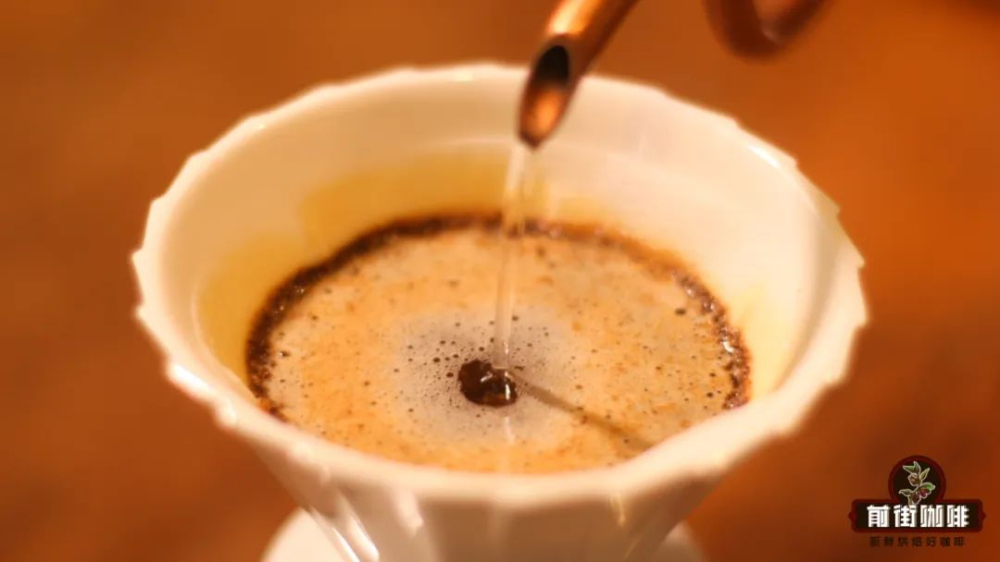
White foam appears for two reasons. First, the oils in the coffee grounds have been depleted; second, the coffee particles floating on the surface begin to sink. Both of these are the pigments that give the foam its color. So when brewing can no longer release oils and the water-saturated coffee particles start to sink, the foam shifts from brownish-yellow to white.

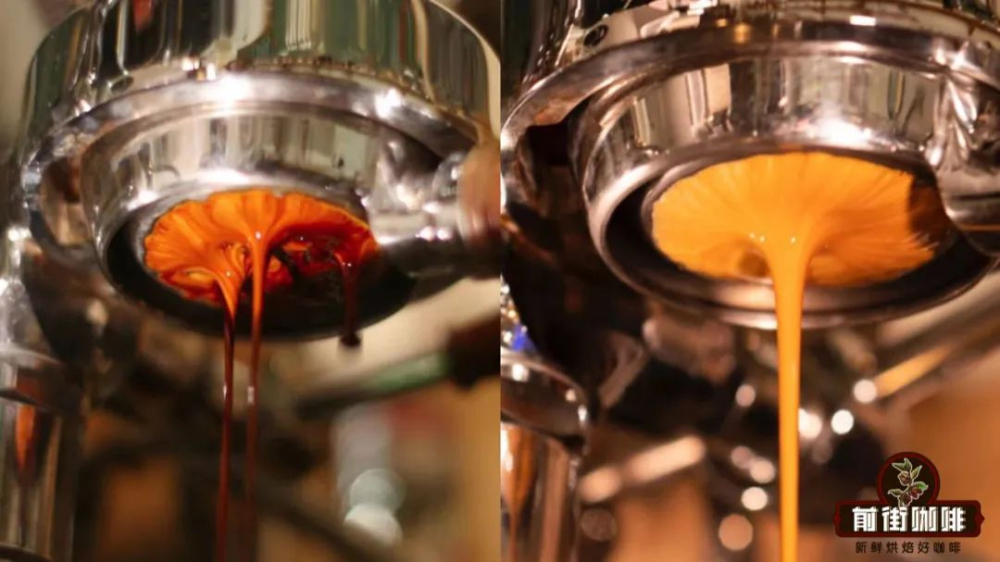
Back to the earlier question: is white foam a warning sign of over-extraction? On these two points, yes. Coffee particles float on the surface because they were not fully extracted at first, which left large amounts of carbon dioxide trapped inside the beans and gave them the ability to float. As extraction continues, water gradually penetrates those particles. When hot water fills their interiors, extraction is nearing its end; push efficiency further and over-extraction becomes very likely. That is why, in the later stages of brewing, we reduce the amplitude and speed of the circular pour and increase the flow so hot water passes through the coffee bed more quickly. The same principle is visible in espresso, where the stream shifts from deep yellow to yellow and then to light yellow.
What Controls the Richness of the Foam?
The amount of foam is mainly affected by two things: roast degree and freshness.
The Influence of Roast Degree
Different roast levels produce different amounts of foam. Dark-roasted beans spend longer in the roaster, giving them a more porous structure that traps large amounts of carbon dioxide, and they are easier to extract. As a result, the foam bursts out in abundance the moment brewing begins.
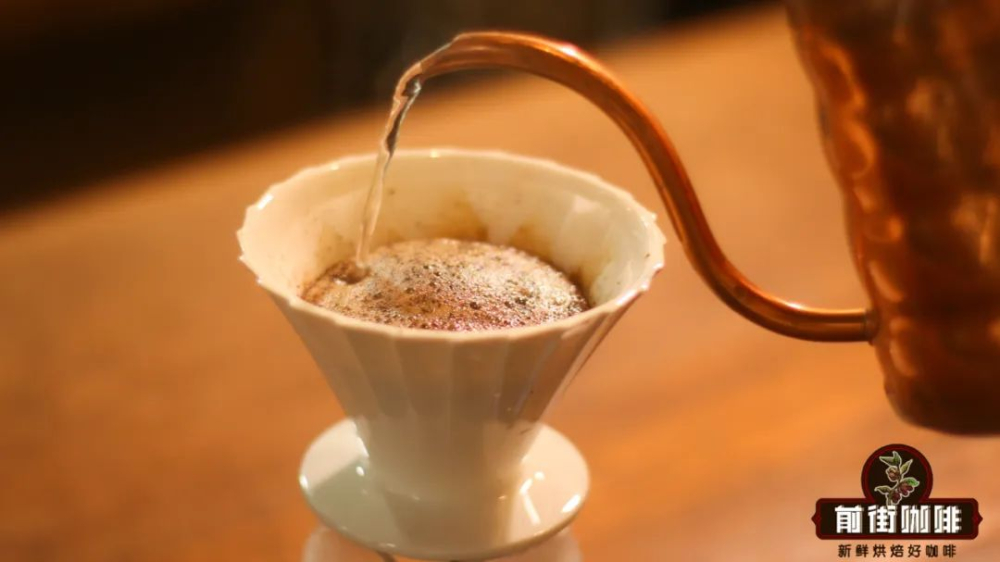
Light-roasted beans are harder and hold less carbon dioxide, and their dense structure resists extraction. Both the bloom and the volume of foam are therefore far lower than with dark-roasted beans.
The Influence of Freshness
FrontStreet Coffee often says that from the moment coffee beans finish roasting they enter a continuous degassing stage. Besides aromatic compounds, the main gas they release is the carbon dioxide that forms foam. While the beans are still within their fresh window and hold plenty of carbon dioxide, we can brew an abundance of foam; once they move past that window and the carbon dioxide is depleted, the foam becomes sparse.

Roast degree, freshness, and the extraction process are therefore all information that foam conveys. By reading the bloom along with the quantity and color of the foam, we can judge roast degree and freshness, and by watching the foam change color we can understand the extraction. Used well, this deepens our understanding of extraction and helps us brew better pour-over coffee.

FrontStreet Coffee Recommendation
Foam and bloom are best appreciated with a coffee that shows them clearly, and the Hario V60 is the dripper FrontStreet Coffee reaches for most. Since the conical, 60-degree design forces water toward the center before it drips, it lengthens the contact between water and grounds and lets aroma and flavor extract fully, while its single large hole leaves flow rate in the brewer's hands. The light-roasted, floral-fruity coffees that reward this style are exactly the ones FrontStreet Coffee keeps on the shelf.
For an easy introduction, try FrontStreet Yirgacheffe Gedingding: the washed processing gives a clean, crisp cup with bright, uplifting citrus acidity, jasmine florals, and a honeyed finish. FrontStreet Ethiopia Huakui is the tropical-fruit star, with strawberry, passion fruit, jackfruit, and even lychee on the nose, high sweetness and almost no bitterness, and a smooth, juicy body. FrontStreet Kenya Cherry Tomato is a washed Kenyan from the Sika region grown at 1,550 to 1,750 meters from SL28 and SL34 varieties, given a 72-hour double washed fermentation and a light roast that preserves vivid tomato, dark plum, pear, and black plum notes with a clean sugarcane and green tea finish.
FrontStreet Panama Esmeralda Red Label Geisha is the legendary option, with elegant jasmine and delicate citrus, bergamot, and black tea flavors across a clean, transparent, lingering cup. If you prefer a heavier profile, FrontStreet PWN Indonesia Golden Mandheling is deep roasted with low acidity and a rich, layered herbal and dark chocolate character, while FrontStreet Brazil Queen's Estate balances nut and cocoa aromas with clear caramel sweetness and a smooth, rounded body.
Important Notice :
FrontStreet Coffee is a long-established specialty coffee roaster in Guangzhou China, selling freshly roasted beans from its own farm in Yunnan as well as dozens of carefully selected single-origin beans from around the world for both pour-over and espresso. The products deliver consistently excellent quality and great value, with shipping within 24 hours. Guangzhou's FrontStreet Coffee shop is recommended by many coffee lovers, and the beans are now available online at the Tmall 。
FrontStreet Coffee has moved to a new address:
FrontStreet Coffee Address: 315,Donghua East Road,GuangZhou
Tel:020 38364473
 Scan and follow the En Gafei WeChat official account. Please indicate that the reprint comes from "En Gafei".